能源转向

Search documents
二季度A股或为震荡关注红利与新能源板块
AVIC Securities· 2026-03-30 12:58
Market Overview - The A-share market is expected to experience fluctuations in Q2, with a focus on dividend and new energy sectors[1] - The ongoing Middle East conflict raises concerns about high oil prices and potential global stagflation, with a 39% probability of a ceasefire before April 30[7] Economic Indicators - The overall A-share market PE ratio is 22.55, down 0.13 from the previous week[6] - Market sentiment has decreased, with average daily trading volume at 21,115.58 billion, a drop of 995.59 billion from last week[6] Sector Performance - The energy supply shock may accelerate the global energy transition, presenting opportunities for China's renewable energy sector[24] - The dividend and new energy sectors are recommended for attention in the upcoming quarter[24] Political and Economic Risks - The U.S. midterm elections are influencing market dynamics, with Trump's approval rating dropping to 36%, impacting his management of oil prices[8] - Inflation concerns are rising, leading to a decrease in the expected pace of Fed rate cuts, with the probability of no cuts rising to 88.2%[10] Investment Recommendations - The report suggests a cautious but slightly optimistic approach to the market, indicating that any adjustments in Q2 should be met with a proactive stance[24] - Risks include potential delays in domestic policy implementation and geopolitical events exceeding expectations[25]
俄罗斯重塑能源供给体系,欧洲能源命运已定!
Sou Hu Cai Jing· 2025-09-03 16:01
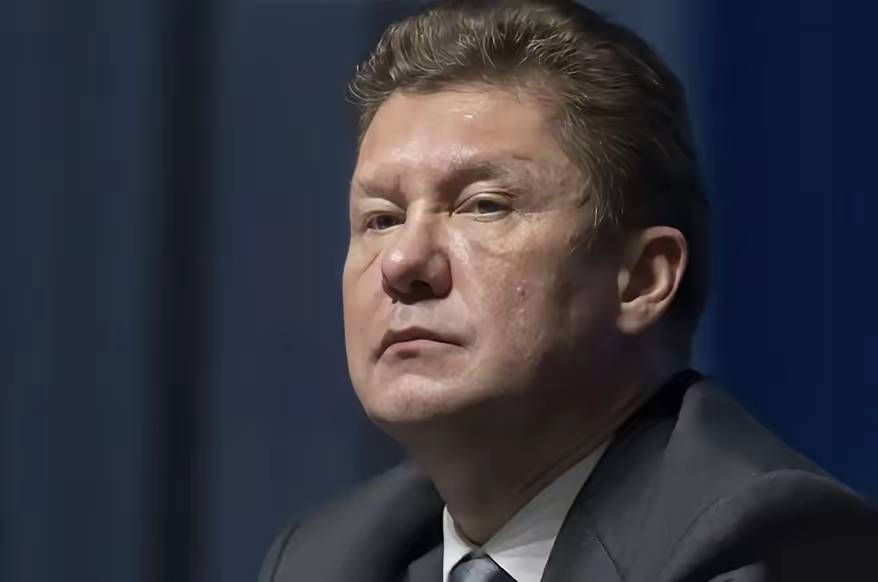
Core Viewpoint - The chairman of Gazprom, Alexey Miller, has declared that Europe's energy future is determined, with no room for additional energy supply to Europe, indicating a significant shift towards Eastern markets for Russian gas [1][3]. Group 1: Energy Supply Dynamics - Gazprom has signed a historic memorandum that will fundamentally alter the global energy landscape, emphasizing that the cost of supplying gas to the East is objectively lower than to Europe due to geographical advantages and optimized logistics [3]. - The shift in energy supply towards the East is seen as a response to the high costs associated with European LNG imports, which are burdened by intermediary fees [3][4]. Group 2: Geopolitical Implications - The geopolitical map is being redrawn, with Russia and China entering into a significant contract, while Europe struggles to find alternatives to Russian gas amidst ongoing debates over quotas and sanctions [3][4]. - Miller's statements suggest that the EU is perceived as an expensive and unreliable buyer, paying the price for political ambitions with economic downturns and energy crises [4]. Group 3: Economic Consequences for Europe - Europe is facing an unprecedented energy crisis as it attempts to replace Russian gas, with the potential for severe industrial decline and economic repercussions as a result of this energy transition [3][4].