芯片技术转移

Search documents
美国再对台积电提出新要求!
是说芯语· 2025-12-15 09:50
Core Viewpoint - TSMC's investment plans in the U.S. have become increasingly complex, with U.S. Secretary of Commerce Gina Raimondo stating that TSMC's previous commitments are insufficient, now requiring a minimum investment of $200 billion and the creation of 30,000 jobs [1][4]. Group 1: Investment and Financial Implications - The starting point of this negotiation was the CHIPS Act signed during the Biden administration, which provided TSMC with $6 billion in subsidies, but only resulted in an initial investment of approximately $60 billion for factory construction, which Raimondo deemed inadequate [4]. - TSMC has since raised its planned investment to $165 billion, but U.S. expectations have now increased to $200 billion, which is a reduced target from earlier internal expectations exceeding $300 billion [4]. - TSMC's U.S. subsidiary reported a significant drop in profits, with earnings of only NT$41 million in Q3 2025, down 99% from NT$4.223 billion in Q2, reflecting the financial pressures and challenges faced in the U.S. market [6]. Group 2: Technological and Operational Challenges - TSMC is facing multiple challenges in the U.S., including high costs, talent shortages, and cultural conflicts, which have directly impacted its financial performance [5]. - The advanced process and packaging technologies, previously considered core assets, are gradually being transferred to the U.S., with TSMC's Arizona facility already producing 4nm chips and plans for 3nm and 2nm processes in the future [4].



台积电泄密案事有多大?
Hu Xiu· 2025-08-12 08:39
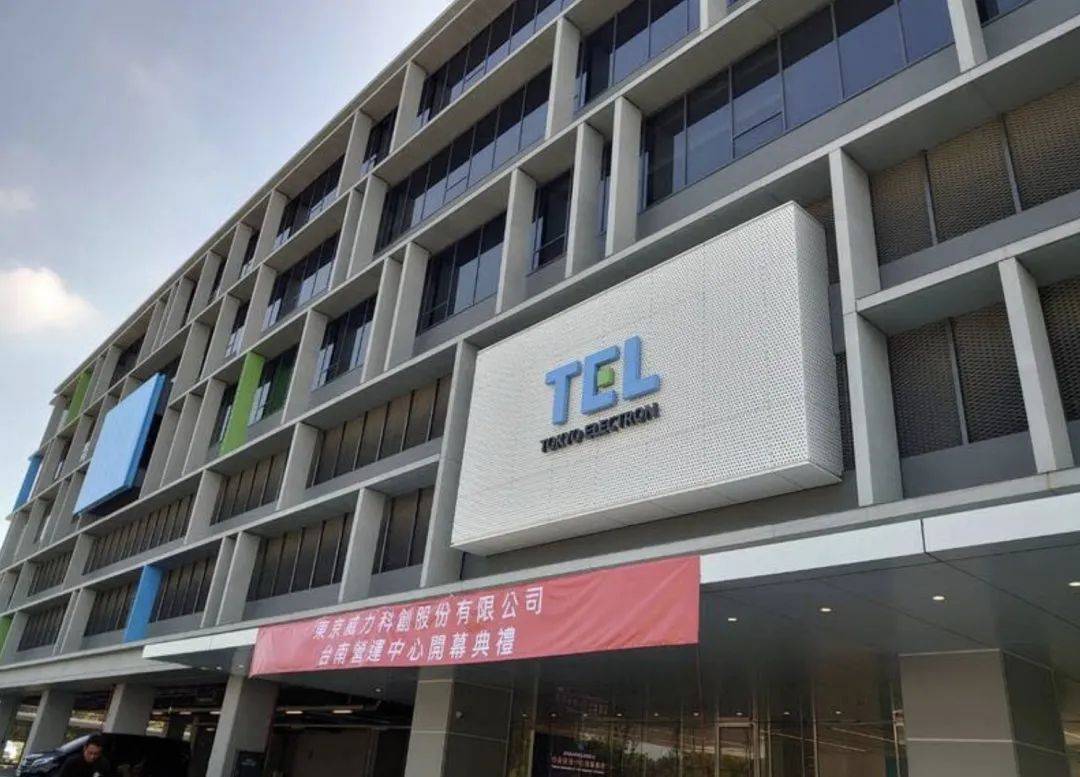
Core Viewpoint - The semiconductor industry is complex, but the future of TSMC is straightforward: its status will shift from being the sole leader to a scenario where it may no longer hold that position [1][35]. Group 1: Incident Overview - TSMC's 2nm technology has been allegedly stolen by Tokyo Electron, which poses a significant threat to TSMC and the global semiconductor industry [2][3]. - The nature of the incident raises questions about whether it is an industrial or state-sponsored act, and how the U.S. might benefit from it [4][24]. Group 2: Technical Implications - The theft involves critical technology that is not solely developed by individual manufacturers but is a result of collaboration with upstream and downstream partners [7][15]. - TSMC's initial yield for 2nm technology is 60%, while competitors like Samsung and Intel have significantly lower yields, indicating the value of the stolen technology [14][33]. Group 3: Stakeholder Dynamics - Tokyo Electron, a supplier to TSMC, is implicated in the theft, with employees involved having previously worked at TSMC [9][10]. - The relationship between Tokyo Electron and Rapidus, a company aiming to produce 2nm chips, complicates the situation, suggesting potential collusion or shared interests [10][11]. Group 4: Geopolitical Context - The U.S. and Japan's collaboration in the semiconductor sector is seen as a strategy to counterbalance the influence of Taiwan and South Korea [18][24]. - There are speculations that the U.S. may leverage the situation to pressure TSMC into transferring technology to American firms like Intel [30][31]. Group 5: Future Outlook - TSMC's dominance in the semiconductor market may be challenged, with the potential for its key technologies to be shared or stolen, leading to a diminished competitive edge [35][36]. - The ongoing developments suggest that TSMC's future may involve significant changes in its operational landscape, potentially impacting its market position [35][36].