茶马古道

Search documents
新春走基层|老李和他的马
Xin Lang Cai Jing· 2026-02-23 06:21
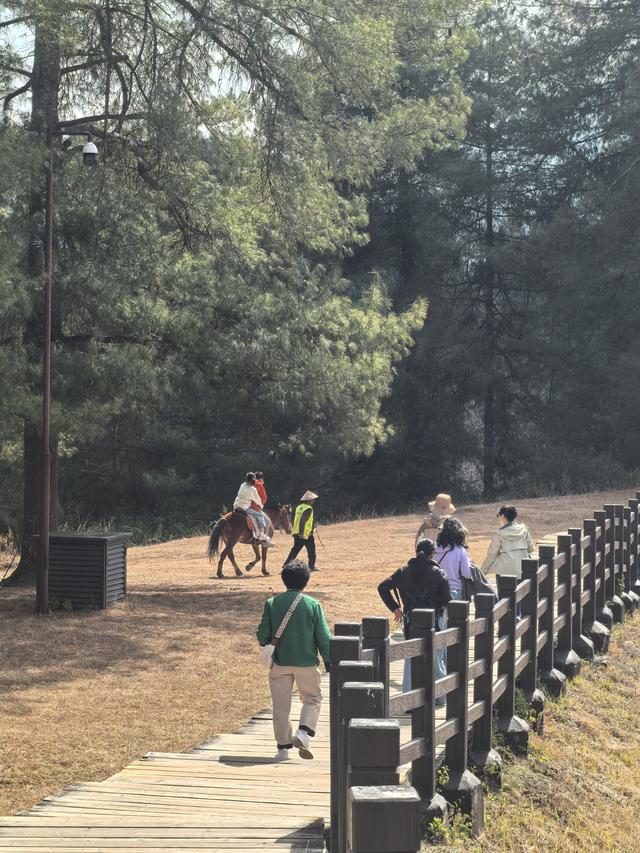
老李牵着马,刚把客人送到山上。他在云南腾冲火山公园的马队工作。山头上,一人一马稍作休息。那 匹棕红色的马低头吃草,皮毛在日光下亮亮的。 不远处,两个孩子站着,想上前又不敢。老李看见了,冲孩子家长招招手:"让娃娃上来拍个照吧,可 以不收钱。" 他先把马牵到栈道边,稳住,然后扶着穿白衣服的女孩上马,抓着马镫,把她的脚推进去。拍了几张, 又换男孩上来。末了,他把两个孩子都抱上马背,拉着缰绳在山坡上绕了一小圈。 孩子家长过意不去,连声道谢,说别的地方拍个照片要五十、一百的。老李只是笑笑:"出来玩,就要 玩得开心嘛。" 这话他说得自然。好像看着游客高兴,比他多挣几个钱更重要。 等两个娃娃心满意足,家长拍好了照片,老李牵着马从马道下山。 老李让两 可我看着那匹马,忽然想起那些蜿蜒的古道。从普洱到拉萨,从滇西到缅甸、印度,千百年来,就是这 样的矮马,驮着茶叶、盐巴、布匹,一步一步翻过雪山,蹚过激流。它们不高大,不威风,但能吃苦, 有耐力。 个娃娃骑上马背,拉着缰绳在山坡上绕了一小圈。新华社记者 王靖云 摄 山脚下,往景区门口去的路上,又碰见老李。说起刚才那一幕,老李随口聊起来。 "今天第几趟了?" "第三趟。"他数着,"两 ...

茶马古道:千年热闹成回响
Xin Lang Cai Jing· 2026-01-19 18:11
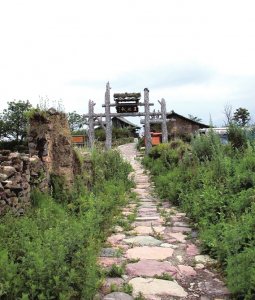
Core Viewpoint - The article highlights the historical significance and current transformation of the Tea Horse Road in Qingxi Town, Hanyuan County, Sichuan Province, emphasizing its evolution from a bustling trade route to a quiet tourist attraction [10][13]. Historical Significance - The Tea Horse Road has been a vital trade route since the Han and Tang dynasties, facilitating the transport of silk and tea from Sichuan to regions like Yunnan and Myanmar, known as the "Southern Silk Road" [10]. - The road was heavily trafficked, with over 1,000 "back bearers" (背二哥) transporting goods daily, contributing to a vibrant market scene in the area [10]. Current Transformation - The once-busy Tea Horse Road has become quieter, with modern transportation methods replacing the need for "back bearers" [13]. - The ancient city near the road, known for its well-preserved architecture from the Ming and Qing dynasties, is now attracting tourists, shifting the focus from trade to tourism [13]. - Local residents have adapted to these changes, with many former trade-related establishments transforming into leisure and entertainment venues, such as farmhouses offering local cuisine [13]. Local Community Impact - The article features stories from local residents, such as Li Guangming, who recount their family's long history of working on the Tea Horse Road, illustrating the deep-rooted connection between the community and the trade route [11][12]. - Many elderly residents have seen their traditional lifestyles change, with younger generations moving to cities, while the older population continues to cultivate local crops [13].
解码中华文化基因:茶马古道,纵横八方连缀山海的路“网”
Zhong Guo Xin Wen Wang· 2025-12-05 14:28
Core Viewpoint - The Chinese government, led by General Secretary Xi Jinping, emphasizes the importance of the tea industry and tea culture exchange, advocating for a comprehensive approach to integrate tea culture, industry, and technology [2]. Group 1: Tea Industry Development - China is recognized as the birthplace of tea and the origin of tea culture, highlighting its historical significance in global tea production [2]. - The Tea Horse Road served as a crucial trade route for tea and horses, facilitating economic development, cultural exchange, and ethnic integration in the southwestern region of China for over a millennium [2].
搜狐酒馆第27期|周重林:在茶香里溯源千年,让年轻人爱上中国茶
Sou Hu Cai Jing· 2025-07-04 03:45
Group 1 - The core idea of the article revolves around the revival and modernization of traditional Chinese tea culture, particularly its appeal to Generation Z through new tea brands and practices [2][9]. - The discussion highlights the significance of historical texts, such as Song Huizong's "Da Guan Cha Lun," in establishing tea tasting standards and the "Seven Steps of Tea Pointing" [4][5]. - The role of contemporary tea brands like Bawang Chaji in promoting authentic tea experiences and their alignment with the preferences of younger consumers is emphasized [9][10]. Group 2 - The historical evolution of Chinese tea culture is outlined, from the Tang and Song dynasties' powdered tea to the modern leaf tea practices, showcasing a rich tradition that has adapted over centuries [7]. - The differences between raw and ripe Pu-erh tea are explained, noting that raw tea is more stimulating while ripe tea is smoother due to fermentation processes [8]. - The importance of guiding younger generations in understanding tea culture through educational initiatives and relatable content is stressed, indicating a need for cultural ambassadors [10].