药品创新

Search documents
以岭药业董事、董事会秘书吴瑞: 加码儿童与罕见病用药创新 筑牢全链条质量体系
Zheng Quan Ri Bao· 2026-01-29 22:52
Core Viewpoint - The newly revised "Regulations on the Implementation of the Drug Administration Law of the People's Republic of China" introduces significant support for drug innovation, particularly in pediatric and rare disease medications, providing market exclusivity periods to encourage research and development [2][7]. Group 1: Drug Innovation and Market Exclusivity - The new regulations grant a market exclusivity period of up to 2 years for new pediatric drugs and up to 7 years for rare disease treatments, contingent on the commitment to ensure drug supply [2][3]. - The regulations signal strong governmental support for drug innovation, particularly in under-researched areas, which is expected to enhance the overall innovation ecosystem in the pharmaceutical industry [2][3]. - The company emphasizes innovation as a core driver of its development, establishing a research model based on clinical practice and traditional Chinese medicine theories [2][3]. Group 2: Company’s R&D Capabilities - The company possesses capabilities in developing compound, component, and single-entity traditional Chinese medicine, with 17 patented products covering major clinical disease systems [3][4]. - The company plans to increase investment in pediatric and rare disease drug development following the implementation of the new regulations, with several products already in the pipeline [3][4]. - Currently, the company has submitted new drug applications for several innovative traditional Chinese medicines and has multiple products in clinical research phases [3][4]. Group 3: Quality Control and Compliance - The new regulations impose stricter requirements on the production and sale of traditional Chinese medicine, necessitating improved quality control systems from source to end [4][5]. - The company is actively responding to national policies on standardizing and industrializing traditional Chinese medicine, focusing on quality control from the research and design stages [4][5]. - The company has established a comprehensive quality management system based on Good Manufacturing Practice (GMP), ensuring all products meet quality standards [5][6]. Group 4: Future Directions - The company aims to enhance innovation investment, focusing on major diseases, pediatric, and rare disease medications to meet unmet clinical needs [7]. - The company plans to optimize its quality control system in response to the new regulations, ensuring the safety and efficacy of every product [7]. - The company is committed to promoting internationalization of traditional Chinese medicine, aiming to benefit global patients with innovative products [7].

以岭药业董事、董事会秘书吴瑞:加码儿童与罕见病用药创新 筑牢全链条质量体系
Zheng Quan Ri Bao Zhi Sheng· 2026-01-29 17:08
Core Viewpoint - The newly revised "Regulations on the Implementation of the Drug Administration Law of the People's Republic of China" introduces significant innovations, particularly in supporting pediatric and rare disease medications through market exclusivity periods, which is expected to stimulate investment in these areas by companies like Yiling Pharmaceutical [2][7]. Group 1: Drug Innovation and Market Exclusivity - The new regulations provide a market exclusivity period of up to 2 years for new pediatric drugs and up to 7 years for rare disease treatments, contingent on the commitment to ensure drug supply [2]. - Yiling Pharmaceutical emphasizes innovation as a core driver of its development, establishing a research model based on clinical practice and traditional Chinese medicine theories [2][3]. - The company has 17 patented traditional Chinese medicine products on the market, with 12 included in the National Basic Medical Insurance Directory and 5 in the National Essential Medicines List [3]. Group 2: Research and Development Focus - Yiling Pharmaceutical plans to increase investment in pediatric and rare disease drug development following the implementation of the new regulations, with products like "Children's Lianhua Qingwen Granules" already in the application stage [3]. - The company has submitted new drug applications for several innovative traditional Chinese medicines and has five others in Phase II clinical trials [3]. Group 3: Quality Control and Safety - The new regulations impose stricter requirements on the production and sale of traditional Chinese medicine, necessitating improved quality control systems from source to end [4][6]. - Yiling Pharmaceutical has established a comprehensive quality management system based on Good Manufacturing Practice (GMP), focusing on full lifecycle quality control [5][6]. - The company has created 60 standardized traditional Chinese medicine cultivation bases across the country to ensure the quality and efficacy of its products [6]. Group 4: Future Directions - Yiling Pharmaceutical aims to enhance innovation investment, improve quality systems, promote internationalization, and strengthen talent development in response to the new regulations [7].
《药品管理法实施条例》发布,23年来首次全面修订!
Yang Shi Xin Wen Ke Hu Duan· 2026-01-28 04:12
Core Viewpoint - The State Council of China has announced a comprehensive revision of the Drug Administration Law Implementation Regulations, which will take effect on May 15, 2026, marking the first major overhaul in over 20 years [1] Group 1: Regulatory Changes - The revised regulations will shift the focus from managing drug production and distribution to emphasizing the responsibilities of drug marketing authorization holders, enhancing the supervision of the entire drug lifecycle [4][5] - The revision includes a significant update, with over 90% of the clauses modified, reflecting the changes in drug research, production, distribution, and usage since the original regulations were enacted in 2002 [1][4] Group 2: Encouragement of Innovation - The new regulations explicitly support the research and development of new drugs based on clinical value, aiming to improve the quality and efficacy of generic drugs [5][6] - Four expedited pathways for drug approval, including breakthrough therapy drugs and conditional approvals, have been formally included in the regulations to accelerate the market entry of urgently needed medications [7][9] Group 3: Intellectual Property Protection - The revised regulations enhance the protection of drug intellectual property rights by introducing a drug trial data protection system and a market exclusivity period for innovative drugs [12][16] - Specific market exclusivity periods have been established for pediatric drugs (up to 2 years) and orphan drugs (up to 7 years), aligning with international practices [14][16] Group 4: Online Drug Sales Regulation - The new regulations impose clear responsibilities on online drug sales platforms, requiring them to establish dedicated management systems to oversee drug transactions and ensure compliance with safety standards [17][18] - The regulations also encourage the implementation of quality management standards for traditional Chinese medicine (TCM) production, aiming to enhance the quality of TCM materials [18] Group 5: Production Flexibility - The regulations allow for segmented contract manufacturing of drugs, which is particularly beneficial for innovative drugs that require specialized production techniques [19][20] - A pilot program for segmented production will begin in 2024, focusing on innovative biological products and urgently needed clinical products to improve production efficiency [20]

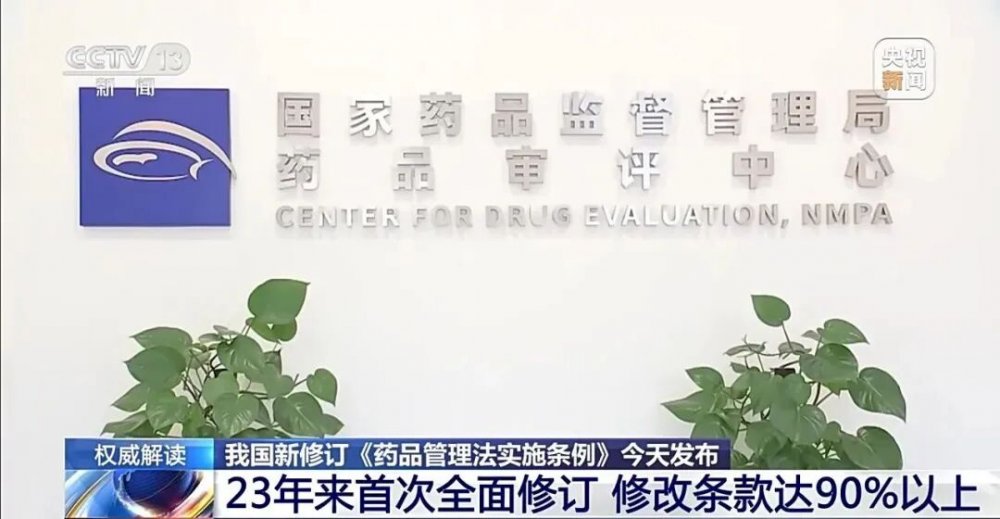
新修订药品管理法实施条例公布 儿童药罕见病药迎创新激励
Bei Jing Shang Bao· 2026-01-27 17:00
Core Viewpoint - The newly revised "Regulations on the Implementation of the Drug Administration Law of the People's Republic of China" aims to enhance drug regulation and innovation, with a focus on pediatric and rare disease medications, and will take effect on May 15, 2026 [1] Group 1: Regulatory Changes - The revised regulations represent the first comprehensive update since 2002, reflecting significant changes in drug research, production, distribution, and usage over the past 23 years [1] - The regulations introduce a market exclusivity period for pediatric and rare disease medications, providing up to 7 years of exclusivity for qualifying drugs, contingent on the commitment to ensure supply [2][3] - The regulations establish a data protection system for trial data related to new chemical entities, preventing unauthorized commercial use of undisclosed data [2] Group 2: Support for Innovation - The regulations emphasize support for drug development and innovation driven by clinical value, encouraging the research and creation of new drugs [1] - A breakthrough therapy designation and expedited registration processes are introduced to accelerate the approval of innovative drugs [3] Group 3: Quality and Safety Management - Drug marketing authorization holders are required to establish comprehensive quality assurance and pharmacovigilance systems, ensuring ongoing evaluation of drug quality throughout its lifecycle [3] - The regulations clarify the responsibilities of online drug sales platforms, mandating them to implement strict oversight and management of drug transactions [3] Group 4: Traditional Chinese Medicine (TCM) and Institutional Management - The regulations promote quality management standards for TCM production, encouraging local governments to develop relevant plans [4] - The management of medical institution preparations is strengthened, allowing for the formulation of pediatric medications and detailing the approval and usage processes [4]
新版药品管理实施条例发布:允许创新药分段生产,加速好药上市
Hua Er Jie Jian Wen· 2026-01-27 10:30
Core Viewpoint - The revised "Regulations on the Implementation of the Drug Administration Law of the People's Republic of China" aims to enhance drug innovation, streamline approval processes, and strengthen regulatory oversight, effective from May 15, 2026 [1][3][4]. Group 1: Drug Development and Registration - The new regulations support drug development and innovation guided by clinical value, encouraging the creation of new drugs and their clinical promotion [1][4]. - A fast-track registration process for new drugs has been established, along with clear procedures for re-registration and mechanisms for converting prescription drugs to over-the-counter status [1][4]. - The regulations introduce market exclusivity periods for pediatric and rare disease medications, as well as data protection for drugs with novel chemical components [1][6]. Group 2: Drug Production Management - The regulations enforce stricter management of drug production, emphasizing the responsibilities of drug marketing authorization holders during contract manufacturing [1][4]. - Specific management requirements for the production and sale of traditional Chinese medicine (TCM) products have been clarified [1][4]. Group 3: Drug Distribution and Usage - The regulations enhance the management of online drug sales, holding third-party platforms accountable for the quality of drugs sold [1][8]. - Medical institutions are required to improve their pharmaceutical management to ensure drug quality during usage [1][4]. Group 4: Drug Safety Supervision - The regulations specify measures for drug safety supervision and inspection, detailing the process for quality checks and the rights of parties to request re-examinations of inspection results [2][4]. - Strict legal responsibilities for violations have been established to ensure compliance [2]. Group 5: Intellectual Property Protection - The revised regulations strengthen the protection of drug intellectual property, introducing a data protection system and market exclusivity periods for innovative drugs [6]. - Pediatric drugs are granted a market exclusivity period of up to 2 years, while rare disease drugs can receive up to 7 years of exclusivity [6]. Group 6: Online Drug Sales Regulation - The regulations clarify the responsibilities of online drug trading platforms, requiring them to establish dedicated management systems and ensure compliance with sales qualifications [8][9]. - The regulations also encourage the implementation of quality management standards for TCM production [8][9]. Group 7: Production Flexibility - The regulations allow for segmented contract manufacturing of drugs, which is particularly beneficial for innovative drugs requiring specialized production processes [10][11]. - A pilot program for segmented production will begin in 2024, focusing on innovative biological products and urgently needed clinical products [10][11].
新修订《中华人民共和国药品管理法实施条例》将于5月15日起施行(附全文)
Xin Hua She· 2026-01-27 09:56
Group 1 - The revised "Regulations on the Implementation of the Drug Administration Law of the People's Republic of China" will take effect on May 15, 2026, and consists of 9 chapters and 89 articles [1] - The regulations aim to enhance drug research and registration systems, supporting clinical value-oriented drug development and innovation, and encouraging new drug research and clinical promotion [1][6] - A fast-track registration process for drugs has been established, along with clear re-registration procedures and mechanisms for converting prescription drugs to over-the-counter drugs [1][26] Group 2 - Drug production management will be strengthened, with clear responsibilities for drug marketing authorization holders during contract manufacturing [2] - The regulations specify management requirements for traditional Chinese medicine (TCM) decoction pieces and formula granules [2] Group 3 - Drug safety supervision will be strictly enforced, with detailed measures for quality inspection and legal responsibilities for violations [3] Group 4 - The regulations support the development and innovation of drugs for children and rare diseases, providing market exclusivity periods of up to 2 years and 7 years, respectively, for qualifying products [26][28] - Data protection for drugs containing new chemical entities will be implemented, preventing unauthorized commercial use of undisclosed trial data for up to 6 years [29]
李强签署国务院令,《药品管理法实施条例》发布!
券商中国· 2026-01-27 09:38
Core Viewpoint - The revised "Regulations for the Implementation of the Drug Administration Law of the People's Republic of China" aims to enhance drug innovation, streamline drug approval processes, and strengthen drug safety supervision, marking the first comprehensive revision in over 20 years [3][4]. Group 1: Drug Research and Registration - The new regulations support drug development and innovation guided by clinical value, encouraging the creation of new drugs and their clinical promotion [1][5]. - A fast-track registration process for new drugs has been established, along with clear re-registration procedures and mechanisms for converting prescription drugs to over-the-counter status [1][4]. - Special market exclusivity periods are granted for pediatric and rare disease medications, along with data protection for drugs containing novel chemical components [1][9]. Group 2: Drug Production Management - The regulations enforce strict management of drug contract manufacturing, clarifying the responsibilities of drug marketing authorization holders [2][13]. - Specific management requirements for the production and sale of traditional Chinese medicine (TCM) products have been outlined [2][12]. Group 3: Drug Distribution and Usage - The regulations improve the management of online drug sales, emphasizing the responsibilities of third-party platforms in drug transactions [2][10]. - Medical institutions are required to adhere to strict drug management practices to ensure the quality of drugs used [2][11]. Group 4: Drug Safety Supervision - The regulations specify measures for drug safety supervision and inspection, detailing the process for quality sampling and testing [2][5]. - Strict legal responsibilities for violations have been established to enhance accountability [2][5]. Group 5: Encouragement of Drug Innovation - The revised regulations explicitly encourage innovation by supporting clinical value-oriented drug research and improving the quality and efficacy of generic drugs [6][7]. - Four expedited approval pathways for breakthrough therapies, conditional approvals, and priority reviews have been formally included in the regulations [6][8]. Group 6: Intellectual Property Protection - The regulations strengthen the protection of drug intellectual property, introducing a market exclusivity period for innovative drugs [7][9]. - The exclusivity period for pediatric drugs is capped at two years, while rare disease drugs can receive up to seven years of exclusivity [9]. Group 7: Online Drug Sales Regulation - The regulations clarify the responsibilities and requirements for online drug sales platforms, mandating the establishment of dedicated management systems [11][10]. - The regulations also encourage the implementation of quality management standards for TCM production to enhance the quality of raw materials [11][12]. Group 8: Production Flexibility - The regulations allow for segmented contract manufacturing, enabling more efficient production of innovative drugs that require specialized processes [13][14]. - A pilot program for segmented production of innovative drugs will be initiated in select provinces starting in 2024 [14].