
药品零售行业转型

Search documents
政策红利持续释放 药品零售行业迎转型新机遇
Zhong Guo Zheng Quan Bao· 2026-02-13 20:45
Core Viewpoint - The recent policy initiatives in China's pharmaceutical retail industry aim to promote high-quality development through industry integration, prescription outflow, and commercial insurance, signaling a transition towards a more structured and profitable market environment [1][2][3] Industry Transformation - The policy encourages horizontal mergers and acquisitions among pharmaceutical retail enterprises to enhance industry efficiency and service quality [2] - Local governments are optimizing the business environment, including streamlining the application process for drug operating licenses and allowing the continuation of existing medical insurance qualifications during transitions [2] - The retail pharmaceutical market in China is projected to grow from CNY 2.41 trillion in 2020 to CNY 2.95 trillion by 2024, representing a 22.4% increase [2] Shift to Health Services - The industry is transitioning from traditional drug sales to comprehensive health services, enhancing community health support and emergency supply capabilities [3] - Policies are designed to facilitate the transformation of retail pharmacies into health service hubs, encouraging the expansion of services such as health consultations and chronic disease management [3][6] Corporate Responses - Companies like YaoXingTang are actively responding to the new policies by exploring mergers and acquisitions to enhance their service offerings [4] - LaoBaiXing is focusing on improving the quality of its franchise and alliance businesses while identifying potential acquisition targets to strengthen its market position [4] - HeYe Health is developing an integrated service system combining medical, pharmaceutical, and insurance services, aiming to alleviate outpatient medication payment pressures [4] Benefits for Industry Leaders - The new policies are expected to provide long-term benefits to leading retail pharmacies, enhancing their ability to manage outpatient prescriptions and increasing their market influence [6][7] - The industry is moving towards a new profit ecosystem that includes diversified services such as chronic disease management and medication guidance, which will improve revenue sources and customer loyalty [6][7]
药品零售行业迎转型新机遇
Zhong Guo Zheng Quan Bao· 2026-02-13 20:23
Core Insights - The recent policy initiatives from nine government departments aim to promote high-quality development in the pharmaceutical retail industry, focusing on industry integration, prescription outflow, and commercial insurance [1][2][3] - The pharmaceutical retail market in China is expected to grow from CNY 2.41 trillion in 2020 to CNY 2.95 trillion by 2024, representing a 22.4% increase [2] - The industry is transitioning from traditional drug sales to comprehensive health services, enhancing community health support and resilience in the health security system [2][3] Industry Transformation - The policy encourages horizontal mergers and acquisitions among retail pharmaceutical companies to enhance efficiency and service quality [3][5] - Local governments are optimizing the business environment for retail pharmacies, including streamlining the application process for drug operation licenses [1] - Jiangxi Province has reported an increase in the retail pharmacy chain rate from 50.2% in 2024 to 60.3% in 2025, surpassing the national average [1] Company Responses - Yao Yi Tang is committed to responding to the new policies by enhancing its community health service capabilities and improving consumer access to quality healthcare [3] - Lao Bai Xing is exploring merger and acquisition opportunities while maintaining communication with potential targets to strengthen its alliance business [3] Industry Leaders' Benefits - The policy is expected to provide long-term benefits to leading retail pharmacies, enhancing their ability to manage outpatient prescriptions and increasing their market position [5][6] - The industry is entering a critical phase of structural transformation, characterized by store closures, increased concentration, and a restructured profit model [4][6] - The focus on diverse services such as chronic disease management and medication guidance will create a new profit ecosystem combining drugs, medical devices, and health management [4]

生物医药ETF(512290)近20日资金净流入超3.6亿元,近期医药生物制品行业整合与合作活跃
Sou Hu Cai Jing· 2026-01-28 03:41
Group 1 - The pharmaceutical and biotechnology industry is experiencing active consolidation and collaboration, with significant acquisitions and partnerships announced recently [1] - China National Pharmaceutical Group announced a full acquisition of Hejiya Biotech for 1.2 billion RMB, gaining access to its leading technology platform and diverse product pipeline [1] - Rongchang Biotech entered an exclusive licensing agreement with AbbVie for the bispecific antibody RC148, receiving an upfront payment of 650 million USD and potential milestone payments [1] Group 2 - WuXi AppTec announced plans to acquire all issued shares of Dongyao Pharmaceutical for approximately 2.79 billion HKD [1] - The Ministry of Commerce and nine other departments released guidelines to promote high-quality development in the pharmaceutical retail industry, focusing on transformation, payment, supply, and integration [1] - The policy encourages mergers and acquisitions, aiming to shift the industry from a "single drug sales" model to a "health service" model, which is expected to accelerate the clearing of individual pharmacies and increase industry concentration [1]



九部门发文,6500亿市场迎利好
21世纪经济报道· 2026-01-25 08:21
Core Viewpoint - The article discusses the recent issuance of the "Opinions on Promoting the High-Quality Development of the Pharmaceutical Retail Industry" by the Ministry of Commerce and nine other departments, which outlines 18 measures across five areas to enhance the professional, intensive, digital, and standardized development of the pharmaceutical retail sector [4][5]. Group 1: Industry Overview - The pharmaceutical retail industry is a crucial part of the national healthcare system, with the market size expected to grow from 2.41 trillion yuan in 2020 to 2.95 trillion yuan in 2024, representing a 22.4% increase. The retail market alone is projected to reach 650 billion yuan by 2024 [4]. - The industry is currently undergoing a critical transformation, shifting from traditional drug sales to comprehensive health services, aiming to become community-oriented "health stations" that enhance the resilience and accessibility of the national health security system [4][5]. Group 2: Challenges Faced - Pharmaceutical retail enterprises face several challenges, including a shortage of licensed pharmacists, inadequate prescription review processes, restrictions on online prescription sales, and obstacles in medical insurance reimbursement [4][5]. - The current retail pharmacies are struggling with quality control and service capacity, necessitating targeted policy interventions to address these industry pain points [5]. Group 3: Policy Measures - The "Opinions" emphasize enhancing pharmaceutical service capabilities by encouraging retail pharmacies to build teams of licensed pharmacists and health consultants, and to establish pharmaceutical service platforms for remote prescription reviews [8]. - The document promotes the transformation of pharmacies from mere sales points to health service hubs by optimizing the purchasing experience and participating in centralized drug procurement [8][9]. Group 4: Industry Structure and Integration - The "Opinions" support the consolidation of retail pharmacies through mergers and acquisitions, aiming to improve operational efficiency and quality control by reducing the number of small, scattered pharmacies [12][13]. - The industry is experiencing a significant reduction in the number of pharmacies, with a net decrease of 8,800 stores in the third quarter of 2025, indicating a trend towards greater concentration and efficiency [13][14]. Group 5: Regulatory Enhancements - The "Opinions" propose the development of smart regulation to ensure compliance and fair competition within the industry, including the collection and verification of drug traceability codes [16][17]. - There is a call for improved emergency service capabilities in retail pharmacies to ensure drug supply and guidance during emergencies, reinforcing the role of pharmacies in public health [17]. Group 6: Future Directions - The article suggests that pharmacies need to diversify their offerings beyond medications to enhance their resilience and market opportunities, focusing on self-paying customers and expanding non-drug sales [10][11]. - The successful transformation of pharmacies into health service stations will require not only corporate efforts but also supportive policies to streamline prescription processes and improve insurance payment connections [10][11].

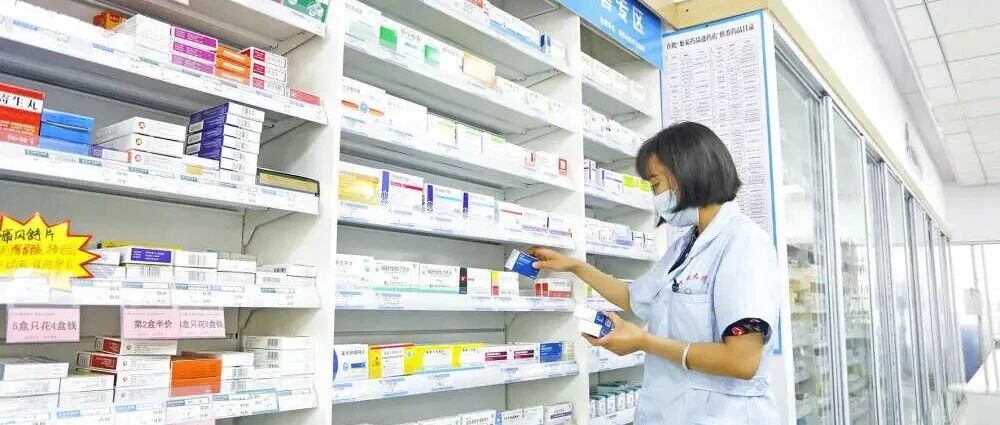
药品零售行业迎来政策“礼包”,万亿市场加速变革
2 1 Shi Ji Jing Ji Bao Dao· 2026-01-23 12:17
Core Viewpoint - The Ministry of Commerce and nine other departments have issued the "Opinions on Promoting the High-Quality Development of the Pharmaceutical Retail Industry," proposing 18 measures to enhance the professional, intensive, digital, and standardized development of the pharmaceutical retail sector [1][10]. Group 1: Industry Growth and Transformation - The pharmaceutical circulation market in China is expected to grow from 24.1 trillion yuan in 2020 to 29.5 trillion yuan in 2024, representing a 22.4% increase, with the retail market projected to reach 650 billion yuan by 2024 [1]. - The industry is undergoing a critical transformation from traditional drug sales to comprehensive health services, aiming to become community-oriented "health stations" that enhance the resilience and accessibility of the national health security system [1][10]. Group 2: Challenges and Pain Points - Current challenges in the pharmaceutical retail sector include a shortage of licensed pharmacists, inadequate prescription review processes, restrictions on online prescription sales, and obstacles in medical insurance reimbursement [1][2]. - The lack of quality control and service capabilities in retail pharmacies, along with the need for improved supporting policies, are significant issues that the new document aims to address [2]. Group 3: Policy Measures and Recommendations - The "Opinions" encourage the enhancement of pharmaceutical service capabilities by promoting the establishment of pharmacist teams and health consultants in retail pharmacies, as well as allowing remote prescription reviews by registered pharmacists [4]. - The document supports the optimization of the purchasing experience, participation in centralized drug procurement, and the establishment of payment security systems to facilitate the transition from "drug sales terminals" to "health service stations" [4]. Group 4: Industry Structure and Integration - The "Opinions" advocate for the restructuring of the industry by encouraging mergers and acquisitions among retail pharmacies to improve operational efficiency and quality control [6][7]. - The document highlights the importance of integrating wholesale and retail operations to enhance supply chain efficiency and reduce operational costs [7]. Group 5: Regulatory and Digital Transformation - The "Opinions" propose the development of smart regulation to ensure accurate tracking and verification of drug traceability codes, transitioning to a service-oriented and preventive regulatory model [8][9]. - The document emphasizes the need for a unified digital transformation strategy across the industry, as current efforts are fragmented and lack government coordination [9]. Group 6: Emergency Services and Public Health - The "Opinions" call for strengthening the emergency supply capabilities of retail pharmacies and enhancing public support for drug supply during emergencies [9][10]. - Overall, the document aims to address the industry's challenges and improve the accessibility and quality of health services for the public [10].
零售药店将在健康教育、专业便民多领域发挥社会价值 为百姓提供健康服务
Yang Shi Wang· 2026-01-23 08:53
Core Viewpoint - The recent release of the "Opinions on Promoting High-Quality Development of the Pharmaceutical Retail Industry" aims to enhance the professional services and emergency supply capabilities of the pharmaceutical retail sector, promoting its professionalization, intensification, digitalization, and standardization [1]. Group 1: Key Measures - The "Opinions" propose five key measures to transition the pharmaceutical retail industry from traditional drug sales to comprehensive health services, enhancing the health service function of retail pharmacies and optimizing the product and service experience [3]. - There is an emphasis on strengthening the service capabilities of retail pharmacies in emergency supply situations, ensuring drug availability and guidance during emergencies [3]. - The document encourages the integration of wholesale and retail operations, optimizing the pharmaceutical marketing system and developing smart regulation [3]. Group 2: Health Management Services - The document encourages pharmaceutical retail enterprises to expand health management services such as medication guidance and health consultations in compliance with regulations, leveraging digitalization and intelligence to enhance health service experiences [5]. - Retail pharmacies are encouraged to provide health services tailored to local residents and manage medication adherence for patients with chronic diseases [5]. Group 3: Pricing and Procurement - To address consumer concerns regarding price discrepancies between online and offline channels, as well as between hospitals and pharmacies, the "Opinions" promote the active participation of retail enterprises in centralized drug procurement [7]. - Retail pharmacies are encouraged to consolidate procurement demands and engage in joint purchasing to enhance bargaining power, ultimately making medications more affordable for consumers [7]. Group 4: Market Growth - During the "14th Five-Year Plan" period, China's pharmaceutical distribution market is expected to expand, with annual sales projected to grow from 2.41 trillion yuan in 2020 to 2.95 trillion yuan in 2024, representing a 22.4% increase [10]. - Chain pharmacies and pharmaceutical e-commerce platforms are actively expanding into health management, specialty drug services, patient education consultations, and 24-hour medication purchasing and consultation services [10]. Group 5: Future Role of Retail Pharmacies - In the future, retail pharmacies are expected to play a greater social value in health education, professional services, and convenience services, providing better health services to the public [12].
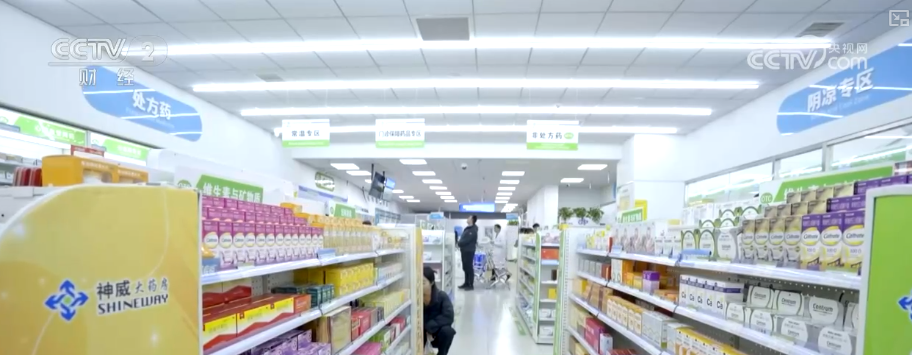
零售药店将转型“健康驿站”
Xin Lang Cai Jing· 2026-01-22 22:13
Core Viewpoint - The new policy document aims to enhance the role of retail pharmacies in China, transforming them into "health stations" that provide professional services, health promotion, and emergency supply functions [1][4]. Group 1: Industry Development - The retail pharmaceutical industry is a crucial part of China's healthcare system, with a growing network and increasing chain store levels, contributing positively to drug supply and accessibility [1]. - The market size of China's pharmaceutical distribution has expanded, with annual sales increasing from 2.41 trillion yuan in 2020 to an expected 2.95 trillion yuan in 2024 [1]. Group 2: Policy Measures - The policy promotes empowerment, quality improvement, and accountability in the industry [2]. - Retail pharmacy chains are allowed to establish their own pharmaceutical service platforms, enabling remote prescription reviews and medication guidance by licensed pharmacists [2]. - The policy allows for reimbursement at retail pharmacies similar to hospital settings, aligning payment standards and policies with local healthcare institutions [2]. - To lower retail drug prices, the policy encourages participation in centralized drug procurement and joint purchasing among pharmacies [2]. Group 3: Quality and Service Enhancement - The policy encourages the optimization of drug operating license application processes and the sale of innovative drugs through retail channels to improve supply quality and service capabilities [2]. - Support for mergers and acquisitions among retail pharmacies and the integration of wholesale and retail operations is encouraged to enhance supply chain efficiency and promote fair competition [2]. Group 4: Community and Health Promotion - Retail pharmacies are encouraged to provide care services for outdoor workers and collaborate with community organizations to offer health care services for the elderly, disabled, and children [3]. - A "Retail Pharmacy Health Station Service Guide" has been developed to standardize and regulate the operation of these health stations [3]. Group 5: Industry Outlook - Industry experts believe these measures will stabilize the development expectations of retail pharmacies and promote healthy industry growth, moving towards a more professional, integrated, digital, and standardized approach [4].