营商环境改善

Search documents
两会会客厅丨“十五五”贵州招商打法很明确:营商环境要过硬
Xin Lang Cai Jing· 2026-01-28 09:27
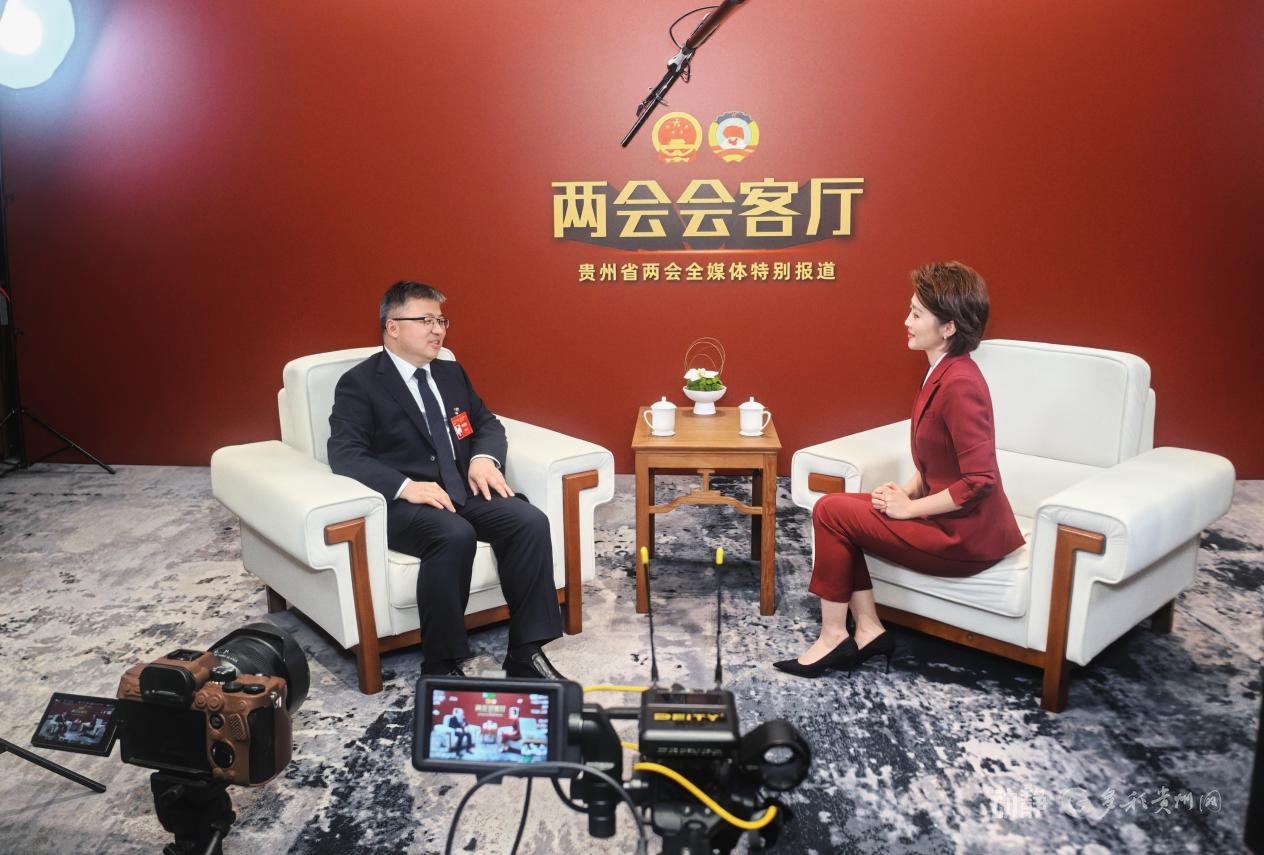
Group 1 - The core strategy for attracting investment in Guizhou is to ensure a strong business environment and precise招商 efforts [1][4] - Key measures to enhance the business environment include reducing costs for enterprises, such as lowering electricity prices and implementing 19 policy measures to alleviate the electricity burden on industrial and commercial enterprises [1] - The ratio of total logistics costs to GDP is targeted to decrease to 13.8% this year, reflecting efforts to lower logistics costs [1] Group 2 - Guizhou aims for targeted and efficient招商 by leveraging mineral resources and leading enterprises, focusing on state-owned enterprises and key links in the industrial chain [4] - An action plan will be developed to revitalize idle and inefficient projects, allowing underutilized resources to be opened to quality enterprises, thus converting stock into increment [4] - The province will implement strict measures to address issues raised by enterprises, ensuring timely resolution and promoting a secure development environment [1]

俄将启动营商环境改善计划
Xin Lang Cai Jing· 2025-12-29 04:48
Core Viewpoint - The Russian government has approved a comprehensive set of measures aimed at improving the domestic business environment and creating favorable investment conditions, encapsulated in the "National Business Target Conditions Model" [2] Group 1: Key Measures and Objectives - The model includes over 280 measures categorized into 11 priority areas to address issues faced by entrepreneurs at various stages of development [2][3] - Key tasks include positioning Russia among the top 20 countries in the World Bank's B-READY investment environment rating, which will replace the Doing Business rating starting in 2026 [2] - Specific targets include reducing the investment construction cycle from 1,300 days to 1,000 days by 2030 and increasing the proportion of companies engaged in product promotion and R&D from 28.3% to 60% [3] Group 2: Administrative Burden Reduction - The model emphasizes reducing administrative burdens on businesses, such as expanding the use of electronic addresses for formal communication with state agencies, aiming for 70% of legal entities to adopt this method by 2030 [3] - Financial reporting analysis will streamline submission materials and reduce submission frequency, with plans to shift personal income tax reporting from quarterly to annual for certain taxpayers, potentially cutting the time spent on financial report preparation from 160 hours to 90 hours annually [3] Group 3: Innovation and Competitiveness - The model strongly supports innovation activities, encouraging companies to promote new products, increase R&D spending, and enhance participation in the patent system [3] - These measures aim to establish a foundation for advanced technologies and improve the international market competitiveness of Russian enterprises [3] Group 4: Implementation and Local Adaptation - Implementation of the model will occur at both federal and local levels, with federal subjects required to develop local "roadmaps" that align with the national model to create equal business conditions [4] - The model aims to create a comprehensive system of measures to improve the business environment, reduce bureaucratic barriers, encourage innovation, and protect entrepreneurs' rights [4] Group 5: Business Environment Index - The Russian Union of Industrialists and Entrepreneurs (RSPP) reported that the comprehensive business environment index fell to its lowest point in October but returned to September levels in November, indicating a slight improvement that does not necessarily reflect growth in business activity [4][5]
从绕行一公里到100米直达,开通这两条路让杨浦滨江营商环境更“丝滑”
Xin Lang Cai Jing· 2025-12-25 11:11
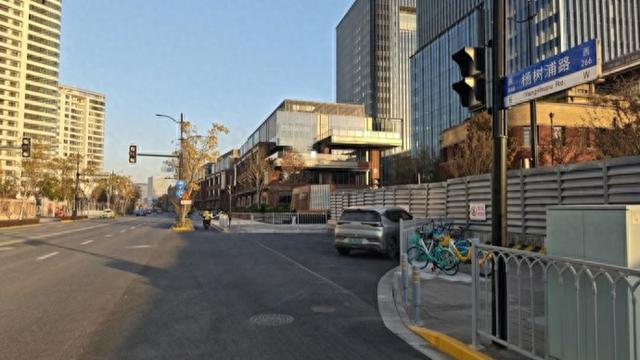
Core Viewpoint - The opening of Ningyuan Road and Tianzhang Road significantly improves transportation conditions and the business environment for the Zhongjiao Binjiang Plaza in Yangpu Binjiang, transforming a one-kilometer detour into a direct 100-meter access [5][6][10]. Group 1: Infrastructure Development - The Zhongjiao Binjiang Plaza is set to commence operations in August 2024 and is a key commercial building in the Yangpu Binjiang area [6]. - Prior to the road openings, access issues caused by the lack of direct routes led to inefficient traffic flow, with vehicles needing to detour one kilometer, which posed challenges for potential clients and affected the area's business environment [6][8]. Group 2: Government Initiatives - The local government, through the Pingliang Road Street's third comprehensive grid team, activated a "grid whistle-blowing, department reporting" mechanism to address the transportation issues faced by Zhongjiao Binjiang Plaza [8][10]. - The initiative involved multiple departments and included three rounds of targeted actions to resolve planning adjustments, inspection bottlenecks, and historical obstacles related to road access [10]. Group 3: Outcomes and Benefits - The successful opening of Ningyuan Road has allowed vehicles to directly access Zhongjiao Binjiang Plaza from the main road, enhancing convenience for employees and clients [10]. - The upcoming installation of traffic lights on Tianzhang Road is expected to further improve traffic flow and alleviate business pressures, demonstrating effective grassroots governance and inter-departmental collaboration [10][11].
IMF上海中心正式运营
Guo Ji Jin Rong Bao· 2025-12-08 10:45
Core Viewpoint - The International Monetary Fund (IMF) officially launched its Shanghai Regional Center on December 8, marking the beginning of its operational phase, which aims to enhance cooperation with the dynamic Asia-Pacific region [1][2]. Group 1: Purpose and Functionality - The IMF Shanghai Center, located at 777 Zhongshan South Road, Huangpu District, will serve as a hub for research and knowledge sharing, providing information for policy-making in emerging markets and middle-income countries [2]. - The center aims to deepen dialogue and exchange with members, regional institutions, and other stakeholders in the region, collaborating with the China International Monetary Fund Capacity Development Center (CICDC) to maximize synergies [2]. Group 2: Leadership and Expertise - Johannes Wiegand has been appointed as the first director of the IMF Shanghai Center, bringing over 25 years of experience as an economist at the IMF, with expertise in various fields including structural transformation and growth in the Asia-Pacific region [3]. - Deputy Director Cao Li has held senior positions in the People's Bank of China and has extensive experience in policy research and practice across multiple domains, including global financial crisis response and sustainable development [3]. Group 3: Research Focus - The Shanghai Center will focus on three main areas: improving the business environment to unleash private sector potential, leveraging new technologies in the financial sector while maintaining stability, and adapting to changing global trade dynamics to ensure trade remains a growth engine [5][6]. - The center aims to identify regulatory reforms needed to enhance the business environment, emphasizing the removal of outdated regulations to facilitate the flexible movement of production factors [5]. - It will also explore how to balance innovation and financial stability in the context of new technologies, particularly artificial intelligence, which has the potential to increase economic growth by 0.8 to 1 percentage point annually [6]. - Lastly, the center will investigate necessary reforms to maintain trade as a growth driver amidst evolving global trade patterns, including regional integration efforts that could potentially increase GDP by 8% in the long term [6].
大学毕业生扎堆逃离“东北”,纷纷往南跑,为何一线城市更吸引人
Sou Hu Cai Jing· 2025-08-15 17:13
Core Viewpoint - The trend of young graduates from Northeast and North China moving to Southern cities is significant, driven by better job opportunities, higher salaries, and improved living conditions [1][3][6]. Group 1: Talent Migration Trends - There is a noticeable increase in the outflow of graduates from Northeast China, particularly from provinces like Heilongjiang, with tens of thousands leaving for other provinces each year [3][6]. - Most of these graduates are settling in economically vibrant regions such as the Yangtze River Delta and the Pearl River Delta [5][6]. Group 2: Economic Factors - Southern cities offer higher salaries compared to Northeast cities; for instance, a university teacher's salary can double when moving from Northeast to cities like Shenzhen or Guangzhou [7][9]. - The diverse industrial structure in Southern cities, including emerging sectors like technology and finance, provides more job opportunities compared to the traditional industries prevalent in Northeast cities [9][10]. Group 3: Lifestyle and Work Environment - The physical environment in Southern cities is more favorable, with milder winters and a richer variety of food options, enhancing the quality of life for young professionals [10][11]. - The perception of a fairer work environment in Southern cities, where meritocracy is emphasized over personal connections, attracts young talent seeking equitable career advancement [11][13]. Group 4: Solutions for Retaining Talent - To retain talent, it is essential to upgrade industries to match demographic changes, attract high-value industries, and create opportunities for young professionals [14][15]. - Improving the business environment and employment systems to ensure transparency in promotions and recruitment can help retain local talent [15][17]. - Enhancing the overall quality of life in Northeastern cities, including transportation, healthcare, and cultural amenities, is crucial for making these areas more attractive to young professionals [15][17].

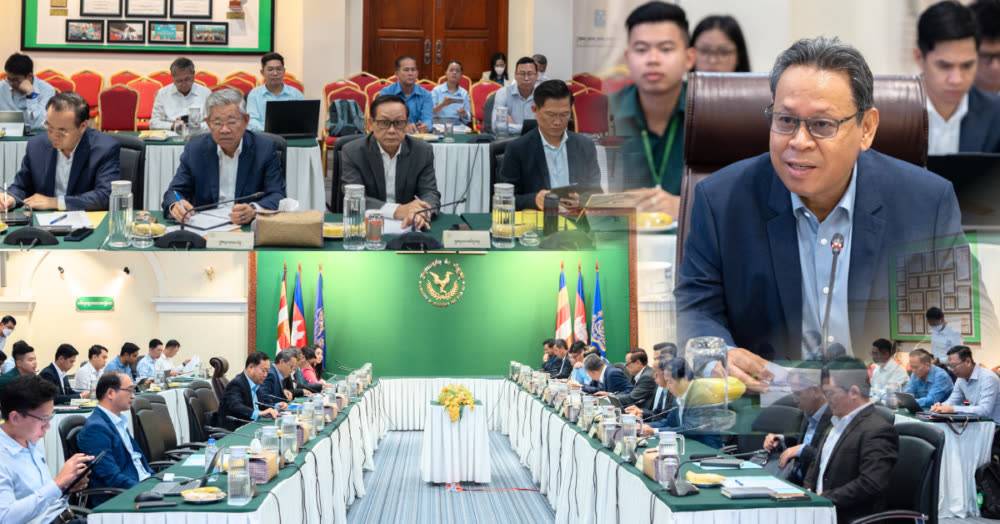
西港又10个投资项目获批特别激励措施
Sou Hu Cai Jing· 2025-05-29 08:40
Core Insights - The meeting led by the Prime Minister's advisor approved special incentives for 10 investment projects in Sihanoukville, totaling approximately $154 million, which are expected to create 1,187 jobs [3] - From 2024 to May 2025, a total of 297 projects have been approved for special incentives, with a cumulative investment of $7.029 billion and an expected creation of 53,187 jobs [3] - Current global trade policies and domestic industry protection measures are increasing trade barriers, impacting investment attraction and industrial development in Cambodia [5] Group 1 - The meeting approved special incentives for 10 investment projects, including 4 related to unfinished buildings, 4 new projects, 1 expansion project, and 1 existing project [3] - The total investment amount for the approved projects is approximately $154 million, which will create 1,187 jobs across various sectors including factories, commercial buildings, and hotels [3] - The investment promotion group has approved a total of 297 projects with a cumulative investment of $7.029 billion, expected to generate 53,187 jobs [3] Group 2 - The current global trade policies and domestic industry protection are leading to increased trade barriers, which negatively affect investment attraction and industrial growth in Cambodia [5] - Despite these challenges, Cambodia is presented with opportunities to diversify its economy and improve the business environment to attract more investments [7] - The investment promotion group plans to conduct site visits for 30 projects seeking incentives in June, indicating a continued growth in investment projects despite global uncertainties [8]