薪酬改革

Search documents
听说今年运营商的年终奖要严重缩水?
Sou Hu Cai Jing· 2026-01-12 18:41
Core Viewpoint - The year-end bonuses for telecom operators are expected to decrease, but the situation is not as dire as rumored, with overall bonus pools still substantial despite slower profit growth [1][3] Group 1: Industry Performance - The telecom industry is experiencing a slowdown, with profit growth for the three major operators expected to drop to around 5% by the first three quarters of 2025 [1] - The saturation of 5G users and continuous reductions in data service fees have contributed to the lack of growth in traditional business areas [1] Group 2: Bonus Distribution Changes - Bonuses are being allocated differently, with a focus on new business areas such as AI, cloud computing, and quantum communication, where high-performing employees may receive bonuses exceeding 50,000 [3] - Employees in traditional business departments, frontline positions, and less profitable regions may see a reduction in their bonuses, with some experiencing significant declines [3] Group 3: Compensation Reform - The compensation system for state-owned enterprises has shifted to emphasize "total wage management," meaning that slower profit growth limits the overall wage pool [3] - Bonus distribution is now strictly based on performance, job value, and regional profitability, leading to significant disparities in bonuses among employees in the same company [3]

公募基金行业,薪酬改革具体要求出炉!
Jin Rong Shi Bao· 2025-12-08 11:24
Core Viewpoint - The public fund industry in China, with an asset management scale exceeding 36.7 trillion yuan, is set to implement new regulations aimed at enhancing performance evaluation and compensation management for fund management companies [1] Group 1: New Guidelines Overview - The China Securities Investment Fund Industry Association has issued the "Guidelines for Performance Evaluation Management of Fund Management Companies (Draft for Comments)" to address performance evaluation and compensation management issues in the public fund industry [1][2] - The guidelines consist of seven chapters with 32 articles, covering general principles, compensation structure, performance evaluation, compensation payment, internal control management, self-regulation, and supplementary provisions [2] Group 2: Compensation Structure and Performance Evaluation - Fund management companies are required to establish a deferred payment system for performance compensation, with a minimum deferral ratio of 40% and a duration of at least three years for key personnel [2][3] - Performance compensation for active equity fund managers must be linked to performance benchmarks and fund profitability, with specific rules for reductions in compensation based on underperformance [2][3] - The guidelines emphasize optimizing the internal distribution of compensation, balancing pay across different roles, and ensuring that the average salary increase for senior management does not exceed the overall company salary increase [3] Group 3: Differentiated Assessment and Accountability - The guidelines mandate differentiated assessment for active equity fund managers, with performance indicators weighted at no less than 80%, and specific requirements for sales personnel and fixed-income investment staff [4] - A unified calculation standard for key indicators has been established to enhance fairness and scientific rigor in performance evaluations [4] - The guidelines include a phased implementation plan to provide fund companies with necessary adjustment time [5] Group 4: Industry Impact and Strategic Directions - The essence of these measures is to align fund interests with actual investor returns, replacing vague trust with transparent rules, and solidifying the "investor interest first" principle within the public fund business model [6] - The implementation of the guidelines is expected to significantly improve the investment experience for investors and compel fund management companies to redesign internal evaluation systems and adjust compensation structures [7] - The guidelines are seen as a shift from "scale expansion" to "quality competition" in the public fund industry, encouraging leading firms to leverage their advantages and smaller firms to innovate and find niche markets [7][8] Group 5: Future Development Strategies - Leading fund companies are advised to focus on building a platform-based, industrialized investment research production system to support large-scale fund management and ensure sustainable excess returns [8] - There is a shift from product offerings to solution-oriented services, aiming to convert product returns into actual investor gains [8] - The guidelines encourage a transition from short-term incentives to long-term benefit sharing, emphasizing the importance of stable long-term performance metrics [8]
读懂“投票反对自己当董事长”背后的公司治理诉求
Nan Fang Du Shi Bao· 2025-12-03 16:40
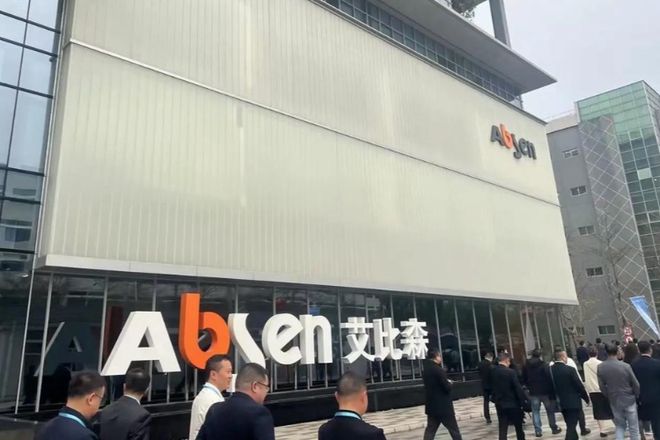
Core Viewpoint - The recent board meeting of Aibisen revealed significant internal governance issues, highlighted by Chairman Ding Yanhui's dissenting vote against his own re-election due to dissatisfaction with salary, which he claims is a facade for deeper systemic problems within the company [2][3]. Group 1: Governance Issues - Ding Yanhui's dissenting vote was a strategic move to draw attention to the company's governance and compensation distribution mechanisms, indicating a need for reform [2][3]. - The company faces challenges in decision-making efficiency due to the influence of major shareholders, which Ding believes hinders necessary reforms [3]. Group 2: Internal Structure and Management - The current human resources system is described as arbitrary, with older employees retaining high salaries despite underperformance compared to younger staff [3]. - The internal conflicts and management issues reflect a broader challenge faced by many companies in transitioning from startup success to sustainable operations, often leading to stagnation and potential decline [4][5]. Group 3: Need for Reform - Aibisen must address these governance and compensation issues promptly to avoid further discontent among employees and investors, indicating a critical need for a comprehensive reform plan [4]. - The situation underscores the importance of proactive governance and adaptability in maintaining a company's competitive edge and operational effectiveness [5].