融资依赖

Search documents
手握3200亿现金与5500亿债务压顶:“宁王”不停融资的A面B面
投中网· 2025-12-31 03:04
Core Viewpoint - CATL is actively seeking to raise funds through bond issuance despite having substantial cash reserves, indicating a strategic response to increasing competition and the need for aggressive expansion in the battery market [5][6][9]. Financial Position - CATL plans to issue bonds up to RMB 10 billion, with proceeds aimed at project construction, operational funding, and debt repayment [6]. - As of Q3, CATL holds cash reserves of RMB 324.24 billion, significantly higher than its peers [6]. - The company's financial assets increased by 202.9% year-on-year to RMB 43.26 billion, with investment income rising by 67.46% to RMB 5.24 billion [6]. Market Competition - CATL's market share in the power battery sector has declined to 41.7% in Q3 2025, down from 45.3% in the same period of 2024, marking the lowest level in five years [9]. - Competitors like Yiwei Lithium Energy have shown strong growth, with a 66.98% increase in battery shipments and a rise in market share from 3% to 4.6% [9][10]. Expansion Plans - CATL is aggressively expanding production capacity, with construction projects in various locations, leading to a 48.27% increase in ongoing projects year-on-year, totaling RMB 37.37 billion [11]. - The company is also investing heavily in overseas projects, with total investments in three major projects reaching RMB 136.7 billion [12][17]. Debt and Financing Strategy - CATL's total liabilities are projected to exceed RMB 600 billion this year, reflecting a significant increase in debt levels over recent years [18][22]. - The company's debt-to-asset ratio was 61.27% in Q3 2025, higher than the industry average of 48.67% [21]. - CATL has adopted a high-leverage financial strategy, which could pose risks if market conditions deteriorate [22].



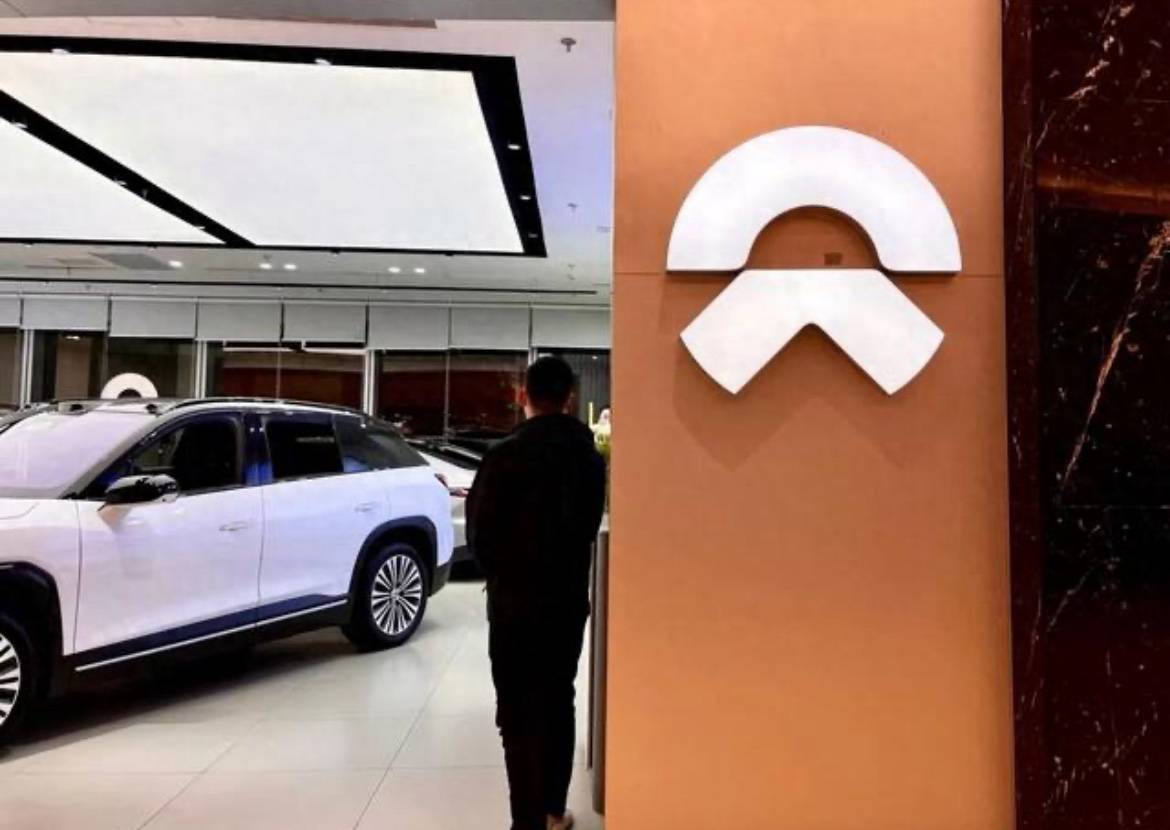
“卖得好还得靠输血”:蔚来造车七年,为何始终脱不了融资拐杖?
Sou Hu Cai Jing· 2025-09-11 19:13
Core Viewpoint - NIO continues to rely heavily on financing to sustain its operations, raising concerns about its long-term viability and financial health [2][3][19] Group 1: Financing Activities - NIO raised $1 billion in September, marking its second round of public financing this year, totaling over 10 billion HKD in just six months [4][10] - The company has consistently engaged in financing activities, including a $738.5 million strategic investment from CYVN Holdings and a $1 billion convertible bond issuance in 2023 [4][5][21] - Despite these efforts, NIO's financial situation remains precarious, with significant cash flow issues and a reliance on continuous fundraising [6][21] Group 2: Financial Performance - In the first half of 2025, NIO reported a net loss of 11.745 billion CNY, a 15% increase year-over-year, with Q1 losses of 6.75 billion CNY and Q2 losses of 4.995 billion CNY [5][12] - Operating cash flow was negative, with a net outflow of 10.926 billion CNY, further exacerbating the company's financial challenges [6][21] - As of June 30, NIO had cash and cash equivalents of 7.111 billion CNY, a 63.2% decrease from the beginning of the year, insufficient to cover three months of operating costs [7][21] Group 3: Market Response and Brand Perception - The market reacted negatively to NIO's latest financing round, with a 9% drop in US stock prices and a significant loss in market capitalization [10][22] - Analysts express concerns that a company dependent on financing is no longer considered a growth entity but rather a high-risk one [11][19] - NIO's brand perception is deteriorating as it struggles to maintain its high-end positioning while relying on lower-priced models to drive sales [19][22] Group 4: Future Outlook and Challenges - NIO's CEO has set ambitious targets for Q4 profitability, including achieving monthly sales of 50,000 vehicles and maintaining a gross margin of 16-17% [8][24] - The company faces challenges in meeting these targets, as it has only delivered 114,200 vehicles in the first half of 2025, representing 26% of its annual goal [15][24] - The reliance on low-priced models for revenue growth is expected to continue to pressure profit margins, raising questions about the sustainability of its business model [16][17][22]