融资性贸易

Search documents
“广州前首富”被判无期!“雪松系”200亿集资窟窿何偿?
Xin Lang Cai Jing· 2026-02-11 12:42
Core Viewpoint - The collapse of Xuesong Holdings, once a prominent enterprise in Guangzhou and a member of the "Fortune Global 500," is attributed to a massive financial fraud scheme that resulted in significant losses for investors and severe legal consequences for its executives [3][22][23]. Group 1: Legal Proceedings and Consequences - On February 10, the Guangzhou Intermediate People's Court sentenced Zhang Jin, the actual controller of Xuesong Holdings, to life imprisonment and confiscated all his personal assets due to charges of fundraising fraud and illegal public deposit acceptance [3][25][27]. - Nineteen core executives of Xuesong Holdings were also implicated, with sentences ranging from 5 to 14 years for various financial crimes, and the company itself was fined 1.1 billion yuan [6][26][27]. - The court found that Xuesong Holdings had illegally raised hundreds of billions of yuan, with 84 billion yuan misappropriated by Zhang Jin for personal use [9][27]. Group 2: Financial Mismanagement and Fraud Mechanisms - Xuesong Holdings' financial troubles began with its reliance on "financing trade," where it falsely represented trade activities to secure loans, leading to inflated revenue figures [10][30]. - The company issued approximately 1,490 illegal financial products, affecting nearly 8,000 investors and resulting in over 20 billion yuan in losses for more than 6,800 participants [10][30][38]. - The firm was also found to have engaged in self-financing practices, which are illegal and increased financial risks [12][32]. Group 3: Historical Context and Growth - Xuesong Holdings was established from the reorganization of Junhua Group in 2015, achieving rapid revenue growth from 593 billion yuan in 2015 to 2.21 trillion yuan in 2017, which contributed to its recognition as a "Fortune Global 500" company [14][34]. - The ambitious "three trillion" goals set by Zhang Jin aimed for a trillion in sales, assets, and market value within five years, leading to aggressive expansion and acquisitions [15][35][37]. - Despite its initial success, the company's aggressive strategies and lack of risk management ultimately led to its downfall as market conditions changed [17][37].


200亿爆雷案一审落槌:雪松控股判罚11亿元、实控人获无期
第一财经· 2026-02-11 10:14
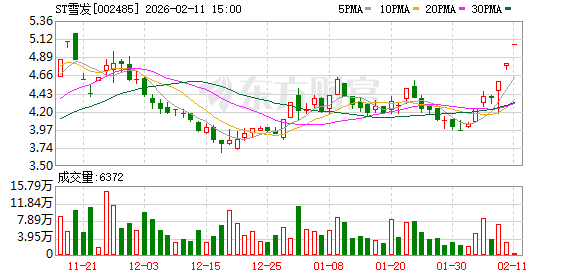
Core Viewpoint - The article discusses the recent court ruling against ST Xuefa and its controlling party, Xuesong Holdings, for financial crimes, including fundraising fraud and illegal public deposit acceptance, which has led to significant penalties and prison sentences for key individuals involved [3][4][5]. Group 1: Court Ruling and Penalties - On February 10, the Guangzhou Intermediate People's Court announced a ruling against Xuesong Holdings and its actual controller Zhang Jin, sentencing them to a total fine of 1.1 billion yuan for fundraising fraud and illegal public deposit acceptance [3][4]. - Zhang Jin received a life sentence and forfeiture of all personal assets, while other executives received prison terms ranging from 3.5 to 15 years, along with fines between 150,000 and 1.1 million yuan [3][5]. - The court ruling indicated that Xuesong Holdings raised a total of 59.6 billion yuan through financial products, resulting in actual losses exceeding 20 billion yuan for investors [6][5]. Group 2: Company Operations and Impact - ST Xuefa stated that the ruling would not significantly impact its daily operations or its independence in business, assets, and finances, as Zhang Jin does not hold any position within the company [5][6]. - As of the announcement date, Zhang Jin indirectly held 378 million shares of ST Xuefa, accounting for 69.4% of the total share capital, with a significant portion of these shares pledged and frozen [5][6]. Group 3: Background of Xuesong Holdings - Xuesong Holdings, once a major private enterprise in Guangzhou, was restructured from Junhua Group in 2015, aiming for ambitious targets of 1 trillion yuan in sales, assets, and market value [9]. - The company experienced rapid revenue growth from 593 billion yuan in 2015 to 2,851 billion yuan in 2019, making it a regular on the Fortune Global 500 list [9][10]. - The business model involved financing trade, which often led to fraudulent activities such as fabricating business transactions to secure funding and inflate financial performance [10][11]. Group 4: Legal and Financial Implications - The legal expert highlighted the distinction between illegal public deposit acceptance and fundraising fraud, emphasizing the severe penalties reflecting a zero-tolerance approach to financial crimes [6][15]. - Investors are currently concerned about the lack of a repayment plan for the overdue financial products, with ongoing efforts to recover illegal gains and return them to affected investors [6][12].


200亿爆雷案一审落槌:雪松控股判罚11亿元、实控人获无期,兑付方案待解
Di Yi Cai Jing· 2026-02-11 09:16
Core Viewpoint - ST Xuefa announced that the Guangzhou Intermediate People's Court publicly pronounced a verdict on February 10, involving its affiliate Xuesong Holdings and its actual controller Zhang Jin, who were found guilty of fundraising fraud and illegal public deposit absorption, among other charges [2][3]. Group 1: Legal Proceedings and Verdict - Xuesong Holdings was fined a total of 1.1 billion yuan for fundraising fraud and illegal public deposit absorption, while Zhang Jin received a life sentence and forfeiture of all personal assets [4][5]. - Other executives received prison sentences ranging from three and a half to fifteen years, with fines varying from 150,000 to 1.1 million yuan [4]. - The court proceedings were brief, lasting approximately 40 minutes, and involved a reading of the verdict [3]. Group 2: Company Impact and Operations - ST Xuefa stated that the verdict would not significantly impact its daily operations or independence in business, assets, and finances [3]. - Zhang Jin, while being the actual controller, does not hold any position within ST Xuefa and does not directly own shares in the company [3]. - As of the announcement date, Zhang Jin's shares in ST Xuefa, held through affiliated companies, amounted to 378 million shares, representing 69.40% of the total share capital, with 373 million shares pledged and frozen [3]. Group 3: Financial Background and Business Model - Xuesong Holdings previously aimed for a target of 1 trillion yuan in sales, assets, and market value, and was listed in the Fortune Global 500 for four consecutive years [6]. - The company’s revenue grew significantly from 59.3 billion yuan in 2015 to 285.1 billion yuan in 2019, marking its entry into the Fortune Global 500 [6]. - The company engaged in financing trade, which involves using trade and financial tools to secure short-term financing, but this model has been scrutinized for potentially leading to fraudulent activities [7][8]. Group 4: Investor Concerns and Future Actions - Investors are primarily concerned about the repayment issues related to the financial products sold by Xuesong Holdings, with no repayment plan currently in place [5]. - The court has mandated the recovery of illegal gains from Xuesong Holdings and the defendants, with the aim of returning funds to the investors [5][8]. - The company has faced multiple legal challenges, including accusations of illegal public deposit absorption and fundraising fraud, leading to significant scrutiny from law enforcement [8][9].
仓储造假、“伪国企”嵌套,融资性贸易隐蔽化升级
Xin Lang Cai Jing· 2025-12-29 13:44
Core Viewpoint - The recent contract fraud case involving Guangzhou Yihai, a subsidiary of the domestic grain and oil leader Jinlongyu, highlights the risks associated with financing trade, where companies may engage in fraudulent activities under the guise of trade to transfer commercial risks and potentially commit fraud [1][13]. Group 1: Financing Trade Characteristics - Financing trade involves parties leveraging property rights, such as goods and receivables, to obtain short-term financing or enhance credit capabilities [1][13]. - Malicious fraudulent activities often use financing trade as a facade, shifting commercial risks and potentially leading to criminal fraud [1][13]. - The complexity and variability of financing trade have increased in recent years, amplifying operational risks for businesses and alerting various market participants [1][13]. Group 2: Legal and Operational Risks - Financing trade can lead to significant legal risks, as contracts may be deemed invalid if they are found to be based on false representations [19]. - The essence of financing trade often resembles borrowing rather than legitimate sales, which can result in contracts being recognized as invalid by courts [19]. - Companies involved in financing trade without real trade demands or goods flow may face severe consequences, including asset loss and liability for damages [18][19]. Group 3: Regulatory Environment - Financing trade has been banned at the central and local state-owned enterprise levels since 2013, with increasing regulatory scrutiny and zero tolerance for such activities [20]. - Recent guidelines from regulatory bodies emphasize the prohibition of illegal financial activities under the guise of supply chain finance, aiming to prevent financing behaviors without real trade backgrounds [16][20]. - The emergence of "shadow banking" practices, where companies use loans to engage in financing trade, has raised concerns about the sustainability and legality of such business models [20]. Group 4: Case Studies and Examples - The case of Snowball Holdings illustrates a new operational model where companies create false trade chains to issue illegal financial products, resulting in significant investor losses [2][3][16]. - Another case involved companies fabricating receivables of 34.423 billion yuan to secure financing, ultimately leading to judicial actions for the recovery of funds [4][17]. - The Guangzhou Yihai case revealed new risks in the warehousing sector, where fraudulent activities were conducted to cover up the sale of goods [5][17]. Group 5: Recommendations for Compliance - Companies, especially small and medium-sized enterprises, should ensure trade processes are standardized and verify the authenticity of trade contracts and the legitimacy of goods flow [22][23]. - Establishing credit rating mechanisms for upstream and downstream partners can help mitigate risks associated with financing trade [22][23]. - Engaging with financial institutions directly for trade financing, rather than through third parties, can reduce the risk of being involved in fraudulent activities [23].
金龙鱼中转库业务埋大雷?卷入融资性贸易疑问重重
Xin Lang Zheng Quan· 2025-12-09 04:54
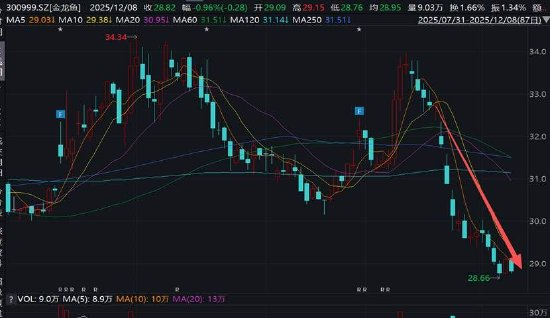
Core Viewpoint - Company Jinlongyu is embroiled in a 5 billion contract fraud case, raising several questions regarding its intermediary storage business and its awareness of the fraudulent nature of related trades and financing [1] Group 1: Financial Performance - In the first three quarters of the year, Jinlongyu achieved a revenue of 184.27 billion yuan, a year-on-year increase of 5.02%, and a net profit attributable to shareholders of 2.749 billion yuan, a significant year-on-year increase of 92.06% [3] - In the third quarter alone, the company reported a revenue of 68.588 billion yuan, up 3.96% year-on-year, and a net profit of 999 million yuan, which surged by 196.96% year-on-year [3] Group 2: Legal Issues - The legal troubles began when the subsidiary Yihai (Guangzhou) Grain and Oil Industry Co., Ltd. received a lawsuit related to its role as an intermediary storage provider between Anhui Huawen International Trade Co., Ltd. and Yunnan Huijia Import and Export Co., Ltd. from 2008 to 2014 [4][5] - The court ruled that Yihai was guilty of contract fraud and must pay 1.881 billion yuan in compensation, along with a fine of 1 million yuan [6][7] - The compensation amount represents over 68% of the company's net profit for the first three quarters, indicating a significant potential impact on its financial health [7] Group 3: Business Risks - The intermediary storage business has previously faced legal disputes, suggesting a pattern of operational risks that may not have been adequately assessed [8][11] - The company has been involved in multiple lawsuits related to its storage operations, raising concerns about the quality of internal controls and risk management [11][12] - The intermediary business generated only 1.631 billion yuan in other income in 2023, which is minimal compared to the company's total revenue exceeding 200 billion yuan, yet the potential liabilities from lawsuits could consume a large portion of its profits [12] Group 4: Financing Trade Concerns - There are allegations that the company may have been complicit in financing trade practices, which involve disguising loans as trade transactions [13][14] - The court's findings suggest that employees of Yihai facilitated fraudulent activities, raising questions about the company's awareness and involvement in these financing schemes [14][15] - Jinlongyu has defended itself by claiming it acted within reasonable diligence and was unaware of any fraudulent activities, asserting that its internal controls were strictly followed [15]
金龙鱼子公司案“庭审马拉松”,超18亿退赔责任背后的复杂攻防
Mei Ri Jing Ji Xin Wen· 2025-11-25 22:33
Core Viewpoint - The case involving the subsidiary of the billion-dollar company Jinlongyu (SZ300999) has drawn significant market attention due to its implications in a fraud case, with the subsidiary being found guilty as an accomplice and ordered to compensate for substantial losses [1][3][5]. Summary by Sections Case Background - The fraud case dates back to 2008, involving three parties: Jinlongyu's subsidiary Yihai (Guangzhou) Grain and Oil Industry Co., Ltd., Yunnan Huijia Import and Export Co., Ltd., and Anhui Huawen International Economic and Trade Co., Ltd. [3][4] - The case centers around a fraudulent scheme where Yunnan Huijia's head bribed officials from Anhui Huawen to alter the transaction model from "payment before delivery" to "delivery before payment," leading to significant financial discrepancies [4][5]. Court Proceedings - The first trial took place from February 27 to March 1, 2024, focusing on the prosecution's evidence and the defense's counterarguments [5][6]. - The second trial on July 3 and 4, 2024, involved intense debates over the validity of the audit report, which was crucial in determining the subsidiary's involvement in the fraud [6][7]. Key Evidence and Arguments - The audit report's compliance and the qualifications of the auditors became central points of contention, with the defense arguing that the report contained inaccuracies and lacked objectivity [6][7]. - The prosecution maintained that the audit report was valid and reflected market trends, asserting that the subsidiary's actions constituted complicity in the fraud [7][8]. Verdict and Reactions - The court ruled that the subsidiary was guilty of contract fraud and ordered it to share the compensation of 1.881 billion yuan with Yunnan Huijia [5][10]. - Jinlongyu's management expressed strong disagreement with the verdict, claiming that the subsidiary had no knowledge of the fraudulent activities and was misled [11][12]. Future Developments - The upcoming appeal is expected to focus on four main issues: subjective intent, the nature of the actions taken by employees, causation of losses, and the classification of the case as a civil dispute or criminal fraud [13].
亲历金龙鱼子公司案“庭审马拉松” 见证超18亿元退赔责任背后的复杂攻防
Mei Ri Jing Ji Xin Wen· 2025-11-25 14:29
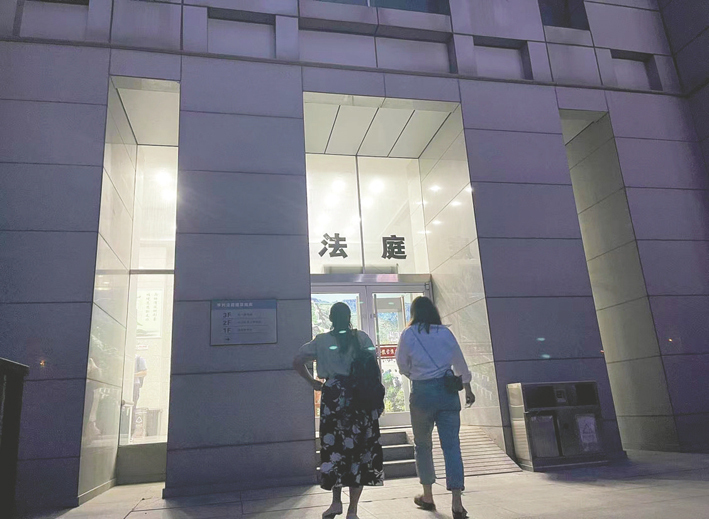
Core Viewpoint - The case involving the subsidiary of Golden Dragon Fish (300999) has drawn significant market attention due to its implications of fraud, with the subsidiary being ordered to compensate for substantial losses totaling 18.81 billion yuan [1][2][12]. Group 1: Case Background - The lawsuit involves three parties: Golden Dragon Fish's subsidiary Guangzhou Yihai, Yunnan Huijia Import and Export Co., and Anhui Huawen International Trade Co. The case stems from a financing trade arrangement where Guangzhou Yihai acted as a storage intermediary [2][3]. - The fraud allegations date back to 2008-2014, involving bribery and manipulation of trade agreements, leading to significant economic losses for the involved parties [3][12]. Group 2: Court Proceedings - The first trial took place from February 27 to March 1, 2024, focusing on the prosecution's evidence and the defense's counterarguments [3][4]. - The second trial on July 3 and 4, 2024, was marked by intense debates over the validity of the audit report, which was crucial in determining the subsidiary's involvement in the alleged fraud [5][6]. Group 3: Key Legal Arguments - The defense argued that the audit report contained inaccuracies and inconsistencies, questioning the qualifications of the auditors involved [6][7]. - The prosecution maintained that the audit report was valid and reflected market trends, asserting that the subsidiary's actions constituted complicity in the fraud [7][10]. Group 4: Verdict and Reactions - The first-instance verdict found Guangzhou Yihai guilty as an accomplice in contract fraud, ordering it to share the compensation responsibility of 18.81 billion yuan with Yunnan Huijia [12][13]. - Following the verdict, Guangzhou Yihai announced its intention to appeal, claiming it was unaware of any fraudulent activities and asserting that it was misled by other parties [12][13]. Group 5: Future Considerations - The upcoming appeal is expected to focus on four main issues: subjective intent, the nature of the actions taken by employees, causation of losses, and the classification of the case as a civil dispute or criminal fraud [14].
被判合同诈骗,涉案金额50亿,金龙鱼喊冤
Di Yi Cai Jing· 2025-11-21 14:43
Core Viewpoint - Jinlongyu (300999.SZ) announced that its subsidiary, Guangzhou Yihai, was convicted of contract fraud, which it disputes and plans to appeal. The case involves a significant palm oil fraud amounting to 5 billion yuan [1][5]. Group 1: Background of the Case - The fraud case originated from a business collaboration between Guangzhou Yihai, Anhui Huawen, and Yunnan Huijia from 2008 to 2014, where Guangzhou Yihai acted as a storage intermediary for palm oil imported by Anhui Huawen [1][2]. - The transaction between Anhui Huawen and Yunnan Huijia was characterized as a financing trade, which is common in bulk commodities but carries risks such as loss of control over goods and funding chain disruptions [2]. Group 2: Details of the Fraud - Yunnan Huijia's actions included bribing Anhui Huawen executives to change the payment terms from "payment before delivery" to "delivery before payment," leading to significant financial misconduct [4]. - The indictment revealed that from March 2012 to December 2014, Yunnan Huijia misappropriated large quantities of palm oil without adequate payment, resulting in direct losses of 3.23 billion yuan and indirect losses of 2.015 billion yuan for Anhui Huawen [4]. Group 3: Legal Proceedings and Company Response - The court ruled that Guangzhou Yihai was an accomplice in the fraud, imposing a fine of 1 million yuan and ordering it to jointly repay 1.881 billion yuan with Yunnan Huijia [5]. - Guangzhou Yihai has publicly denied any involvement in fraudulent activities, asserting that it acted in accordance with the agreements and conducted due diligence [6][8]. Group 4: Market Implications and Observations - The case has raised questions about the operational practices of Anhui Huawen, particularly regarding the long-term storage of palm oil, which contradicts standard trading practices [8]. - Legal experts suggest that the actual benefits from the fraud may not have accrued to Guangzhou Yihai, as the fraud's proceeds appear to have been misappropriated by individuals rather than the company itself [7][9].
被判合同诈骗,涉案金额50亿,金龙鱼喊冤
第一财经· 2025-11-21 14:30
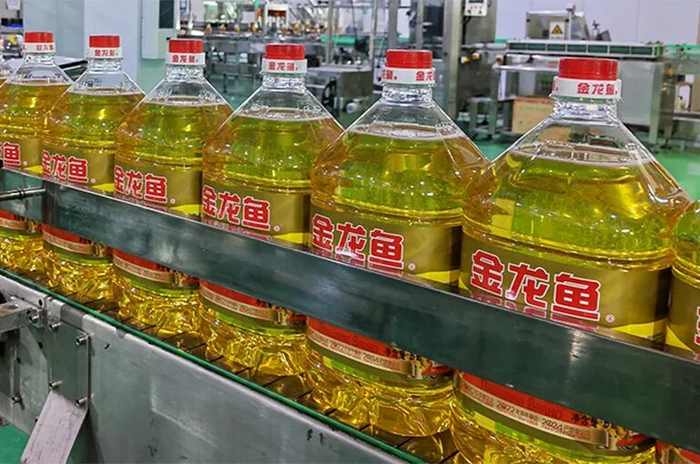
Core Viewpoint - The article discusses the recent legal troubles faced by Golden Dragon Fish (金龙鱼) due to a contract fraud case involving its subsidiary, Guangzhou Yihai (广州益海), which has been accused of participating in a significant palm oil fraud scheme amounting to 5 billion yuan [3][9]. Group 1: Background of the Case - The fraud case involves a commercial collaboration between Guangzhou Yihai, Anhui Huawen International Trade Co., and Yunnan Huijia Import and Export Co., where Guangzhou Yihai acted as a storage intermediary for palm oil transactions [6]. - The fraudulent activities were facilitated by bribery, where Yunnan Huijia's representative bribed key personnel at Anhui Huawen to alter the terms of their trade agreement from "payment before delivery" to "delivery before payment" [6][7]. Group 2: Legal Proceedings and Financial Implications - The first-instance judgment by the Huai Bei Intermediate People's Court found Guangzhou Yihai guilty of contract fraud, imposing a fine of 1 million yuan and ordering it to jointly compensate Anhui Huawen for 1.881 billion yuan [9][10]. - The total direct economic loss to Anhui Huawen is reported to be 3.23 billion yuan, with indirect losses amounting to 2.015 billion yuan [7]. Group 3: Company’s Defense and Market Reactions - Guangzhou Yihai has publicly denied the allegations, claiming it acted in accordance with the agreements and conducted due diligence during the transactions [10][11]. - The management of Golden Dragon Fish highlighted inconsistencies in Anhui Huawen's claims, such as the impracticality of storing palm oil for over a decade without spoilage, which contradicts standard trading practices [12][13].
金龙鱼召开一审判决结果说明会 表态称没有理由诈骗安徽华文
Nan Fang Du Shi Bao· 2025-11-21 13:57
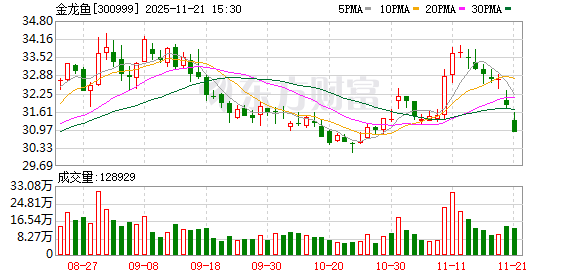
Core Viewpoint - The company, Yihai Kerry Arawana Holdings Co., Ltd. (referred to as "Golden Dragon Fish"), is contesting a first-instance court ruling that found its subsidiary, Yihai (Guangzhou) Grain and Oil Industry Co., Ltd. (referred to as "Guangzhou Yihai"), guilty of contract fraud, resulting in a fine of 1 million yuan and a compensation liability of 1.881 billion yuan to Anhui Huawen International Trade Co., Ltd. [4][5] Group 1 - Guangzhou Yihai has filed an appeal against the first-instance ruling, asserting that it is not guilty of fraud and that it was misled by Anhui Huawen's executives who engaged in fraudulent activities [4][5] - The chairman of Guangzhou Yihai, Fang Yanjian, stated that the case involves illegal financing activities by Anhui Huawen and Yunnan Huijia Import and Export Co., Ltd., and that Anhui Huawen was complicit in the fraud [4][5] - The company claims that the first-instance ruling contradicts basic business logic, citing that Guangzhou Yihai's oil tank capacity is only 160,000 tons, making it impossible to store over 1 million tons of palm oil as alleged [6] Group 2 - The company reported that its revenue for the first three quarters of 2025 was 184.3 billion yuan, with a net profit of 2.749 billion yuan [6] - If the second-instance ruling upholds the first-instance decision, Golden Dragon Fish may face a financial impact where the compensation amount could account for approximately 68% of its net profit for the first three quarters [6] - As of November 21, the stock price of Golden Dragon Fish closed at 30.88 yuan per share, reflecting a decline of 2.92% [7]