
行为改变

Search documents
如何在一天之内重塑你的人生
3 6 Ke· 2026-02-26 02:39
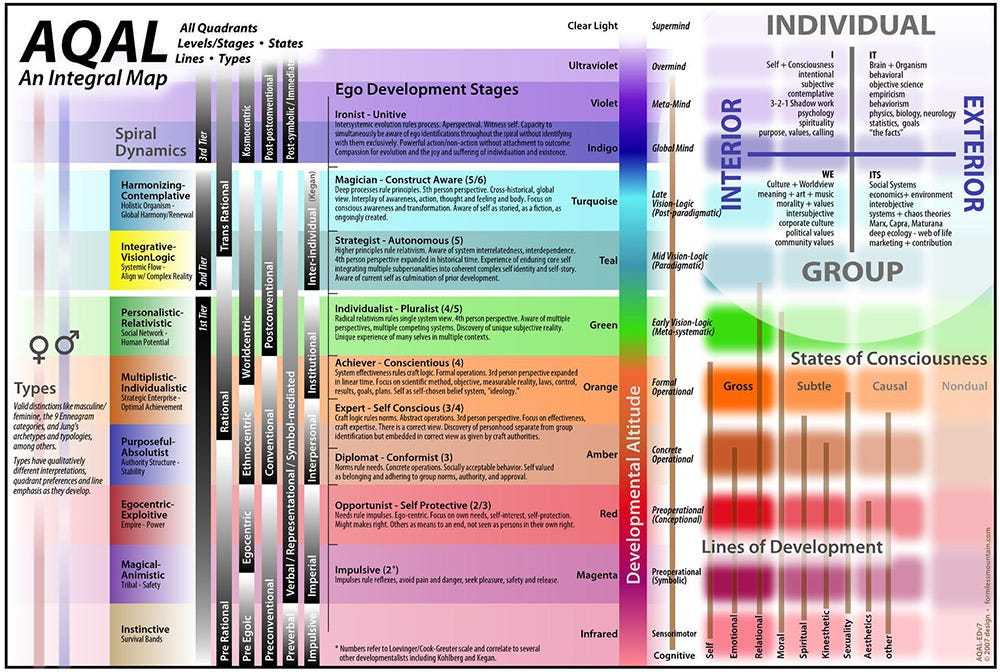
Group 1 - The article argues that most New Year's resolutions fail due to superficial motivations and societal pressures rather than genuine desire for change [2][3] - It highlights that true change requires a fundamental shift in identity rather than mere behavioral adjustments [10][12] - The author emphasizes the importance of understanding one's subconscious goals and motivations to facilitate meaningful change [19][20] Group 2 - The article outlines a detailed plan for personal transformation that can be completed in one day, focusing on self-reflection and goal setting [7][64] - It suggests a three-part process: morning psychological digging, daytime interruption of automatic behaviors, and evening integration of insights [79][84] - The plan includes specific questions aimed at uncovering dissatisfaction and envisioning a desired future, which can guide individuals toward actionable steps [75][78] Group 3 - The article discusses the concept of identity construction and how past experiences shape current behaviors and goals [22][24] - It presents a model of self-development stages, indicating that individuals may be at different levels of awareness and motivation [32][34] - The author stresses that intelligence is not just about knowledge but also about the ability to adapt and achieve desired outcomes in life [36][41] Group 4 - The article concludes by framing life as a game, where setting clear goals and understanding the consequences of failure can enhance motivation and focus [94][96] - It encourages readers to create a structured plan that includes visions, goals, and constraints to maintain clarity and direction in their pursuits [100][102] - The overall message is that by treating life as a game, individuals can cultivate a more engaging and fulfilling experience [95][99]

为什么90%的公司,战略都执行不下去?
3 6 Ke· 2025-11-24 01:23
Core Insights - Companies are facing common challenges in strategic execution, where grand strategic visions often fail to translate into actionable results, leading to a disconnect between management and operational levels [1] - The "Four Principles of Effective Execution" by FranklinCovey serve as a practical guide to bridge the gap between strategy and results, focusing on activating organizational intelligence and fostering deep consensus [1][12] Group 1: Challenges in Strategic Execution - Companies are experiencing intensified internal competition, leading to a reliance on outdated practices or failed attempts at transformation [1][3] - A pharmaceutical company is struggling with declining sales due to tightened national healthcare policies and increased competition among similar products [3][4] - The need to shift from capturing market share to influencing pharmacy staff's mindset is identified as a new strategic direction [3][5] Group 2: The Four Principles of Effective Execution - Principle One: Focus on the most critical goals to ensure strategic breakthroughs [13][17] - Principle Two: Emphasize leading indicators that translate goals into actionable behaviors, moving away from mere numerical breakdowns [25][30] - Principle Three: Implement an incentive scorecard that visualizes key goals and makes the incentive process engaging for employees [31][32] - Principle Four: Establish a regular accountability system to ensure consistent execution and adapt to challenges as they arise [34][36] Group 3: Case Studies and Practical Applications - A pharmaceutical company aims to change the mindset of pharmacy staff, facing challenges in aligning regional teams with the new strategic goal [5][24] - An export-oriented fitness equipment company is transitioning to agile, small-batch orders due to external pressures like tariffs, requiring significant operational adjustments [9][10] - The implementation of the "One Plus One" work method in the fitness equipment company illustrates how to address customer needs while minimizing production changes [29][30]