规模化经营

Search documents
2025年中国餐饮品牌力白皮书
Sou Hu Cai Jing· 2026-01-19 15:43
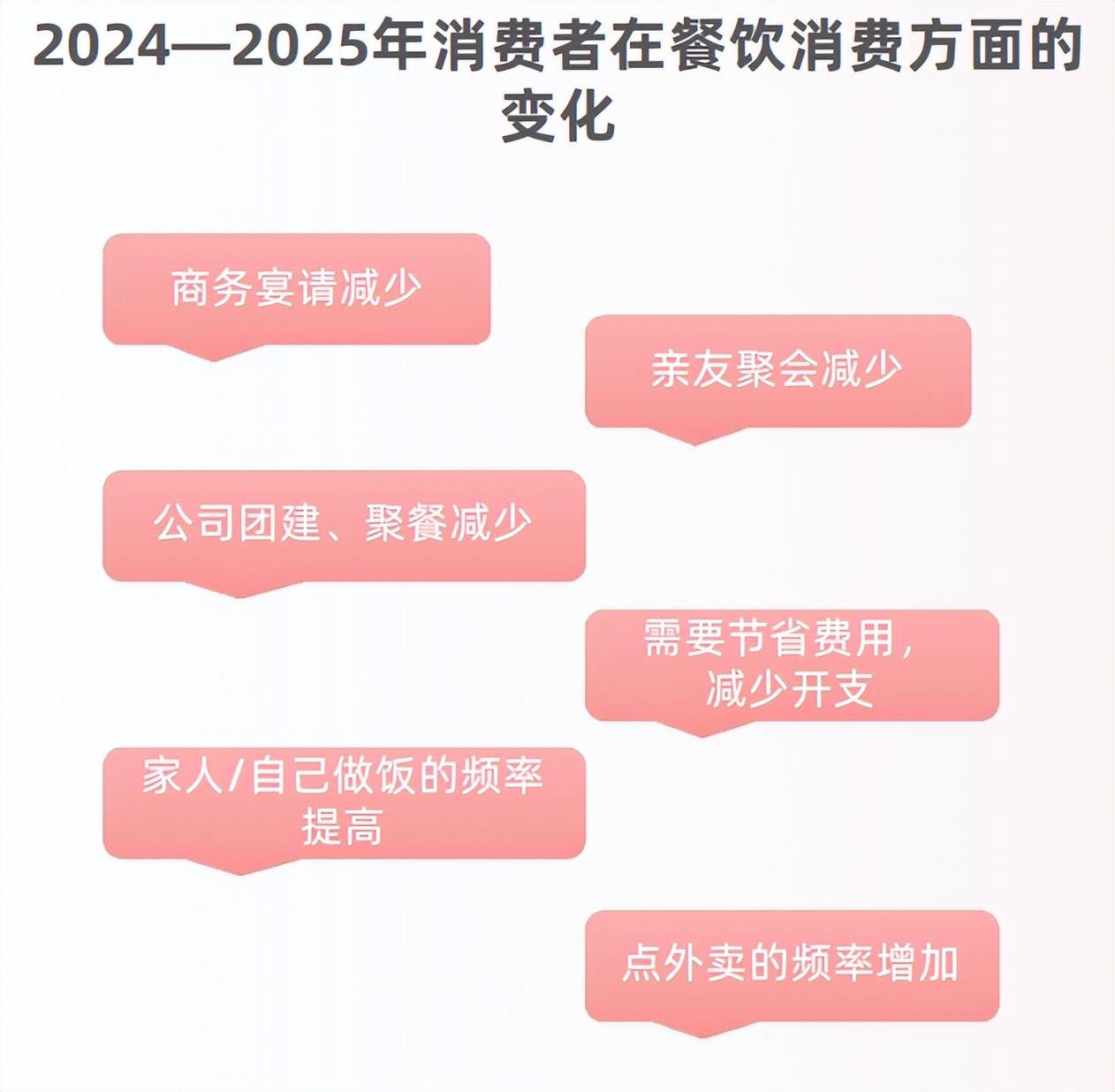
Core Insights - The Chinese catering industry is experiencing a significant slowdown, with a 3.6% year-on-year growth in revenue from January to August 2025, down from 6.6% in the same period of 2024, indicating a shift to a "micro-profit era" [1] - The total number of catering outlets in China has seen a rare negative growth, decreasing by 1.9% year-on-year to over 7.6 million by August 2025, marking a transition from "incremental competition" to "stock competition" [1] Industry Trends - Different segments within the catering industry show a clear divergence in outlet growth, with ready-to-drink beverages and Chinese cuisine being among the few segments experiencing growth, while fast food, bakery, barbecue, hot pot, Western cuisine, and Asian cuisine have all seen declines [2] - The overall operating efficiency of the industry is under pressure from rising costs and changing consumer demand, leading to the elimination of underperforming outlets and the survival of those with brand advantages and high operational efficiency [2] - The chain rate in the catering industry has steadily increased from 15% in 2020 to an expected 25% in 2025, highlighting the growing importance of brand and scale in the industry [2][3] Consumer Behavior - Consumer spending on dining is becoming more cautious, with a significant drop in the proportion of consumers planning to increase their dining expenditures in 2025 compared to 2024 [5] - A notable shift in dining habits is observed, with 24.2% of consumers reducing business meals and gatherings, while over 40% are cooking more at home, indicating a move towards more economical and healthier dining options [6] Market Dynamics - The takeaway market is undergoing a historic transformation, with the market size expected to exceed 1.4 trillion yuan in 2025, driven by a new competitive landscape following the entry of JD.com and Alibaba's "Taobao Flash Purchase" [4][5] - The competitive landscape in the takeaway market has shifted to a three-way competition among Meituan, Alibaba, and JD.com, moving beyond mere subsidy wars to focus on service quality and technological innovation [5] Operational Strategies - Brands are increasingly optimizing their store models to reduce costs and improve efficiency, with various new store formats emerging, such as satellite stores and delivery-focused outlets [10][11] - The average lifespan of catering outlets is decreasing, with projections indicating a further reduction to around 15 months in 2025, emphasizing the need for strong operational capabilities and brand differentiation [8] Product Innovation - The number of new products launched by brands has surged, with over 5,263 new items introduced from January to July 2025, reflecting a focus on regional ingredients and flavors to meet consumer demand for diversity [9] - Brands are leveraging regional specialties to create unique product offerings, enhancing brand value and consumer engagement through localized flavors [9]

走好自己的创业路
Ren Min Ri Bao· 2026-01-02 22:11
Core Viewpoint - The article highlights the transformation of saline-alkali land into productive agricultural land through perseverance, technological advancements, and community support, emphasizing the potential for profitable farming and the importance of attracting young people back to agriculture [2][3]. Group 1: Agricultural Development - The challenges of farming on saline-alkali land are acknowledged, with historical skepticism from the community regarding its viability [2]. - The increase in grain yield and income over the years is attributed to hard work, community assistance, and guidance from agricultural experts [2]. - The article discusses the importance of modern agricultural training for farmers to enhance their skills in crop management and pest control [2]. Group 2: Community and Infrastructure - Improvements in village infrastructure, such as roads and streetlights, have been made, yet some young people still perceive farming as unappealing and unprofitable [3]. - The need for large-scale operations and advanced machinery in agriculture is emphasized as a future direction for the village [3]. - The article mentions the shift towards green agriculture and brand development in the rice industry, indicating a move towards processing and sales [3]. Group 3: Youth Engagement - There is a call to attract young people back to farming by showcasing the potential for successful careers in agriculture, including professional farming and green agriculture [3]. - The narrative suggests that entrepreneurship in agriculture requires multiple attempts and a supportive community to succeed [3].

又是一年好收成
Xin Lang Cai Jing· 2025-12-24 22:53
Core Viewpoint - The province of Heilongjiang is set to achieve a total grain output of 1640.1 billion jin by 2025, marking the 22nd consecutive year of bumper harvests and maintaining its position as the top grain-producing region in China. The increase in grain output is attributed to favorable weather conditions, improved agricultural practices, and the implementation of high-standard farmland projects [3][4]. Group 1: Grain Production Achievements - Heilongjiang's grain output increased by 39.7 billion jin, accounting for 23.6% of the national increase, which is a 4.4 percentage point rise from the previous year [3]. - The province's grain production area has remained stable at over 220 million mu since 2022, laying a solid foundation for consistent grain output growth [4][5]. - The average yield per mu for rice reached over 1100 jin, with farmers experiencing significant income increases [3]. Group 2: Agricultural Infrastructure and Technology - The construction of high-standard farmland has been prioritized, with 150.37 million mu built, enhancing grain production capacity by over 15% compared to ordinary farmland [4][5]. - The province's agricultural technology contribution rate reached 70.8%, surpassing the national average by 7.6 percentage points, indicating a strong integration of technology in farming practices [6]. - The implementation of advanced irrigation techniques, such as drip irrigation, has led to water savings of over 30% and fertilizer savings of 20%, contributing to increased yields [6][7]. Group 3: Agricultural Management Innovations - The province has promoted agricultural socialization services, with 1.7 million mu of farmland under management, leading to cost savings and improved efficiency [8]. - The use of mechanization and drone technology in farming has significantly reduced labor requirements while increasing productivity, with some cooperatives achieving yields of over 2400 jin per mu [8][9]. - A shift towards precise agricultural management practices has been observed, focusing on reducing losses during harvesting and storage, thereby enhancing overall grain quality [9].

解码“二十二连丰”之良制篇丨制度深耕 丰景如峰
Xin Hua Wang· 2025-12-21 04:14
Core Viewpoint - The North China Agricultural Group aims to achieve a total grain production of 46.314 billion jin by 2025, driven by a modern agricultural management revolution centered on "good systems" [1] Group 1: Agricultural Management Innovations - The "six unifications" management model focuses on large-scale operations to ensure balanced high yields across all planting areas and processes [2] - The integration of fragmented land into large-scale planting units allows for efficient use of modern agricultural equipment and standardized production [2][3] - A three-tiered supervision system has been established to ensure precise implementation of agricultural practices, achieving both cost reduction and yield enhancement [3] Group 2: Mechanism Innovations - The North China Agricultural Group has implemented a competitive mechanism to motivate farmers, including monthly evaluations based on key performance indicators [6] - Directly linking service payments to final grain yields encourages accurate execution of agricultural measures [6] - Professional technical service teams provide comprehensive guidance, while demonstration teams facilitate peer-to-peer learning of new technologies [6] Group 3: Standardization and Technical Integration - The "good systems" approach has transformed traditional agricultural practices into standardized, replicable processes, laying a solid foundation for balanced yield increases [4][7] - The establishment of a comprehensive responsibility system ensures that agricultural standards are effectively implemented throughout the production cycle [7][8] - The North China Agricultural Group has created numerous high-yield demonstration fields and tailored local production strategies to enhance overall productivity [8]

宁夏烧烤店31死爆炸案一审宣判:15人获刑,最高判6年
第一财经· 2025-05-30 07:08
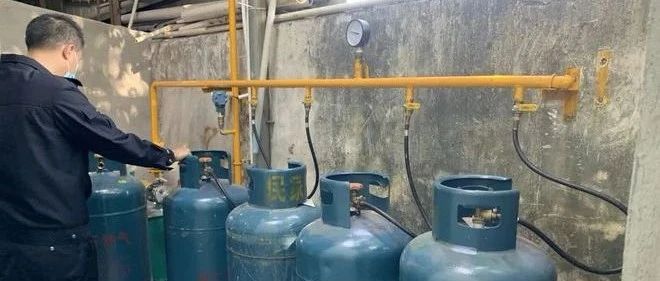
Core Viewpoint - The article emphasizes that implementing large-scale operations and improving safety management standards in the liquefied gas industry could be effective solutions to prevent accidents and enhance safety [1]. Incident Overview - On June 21, 2023, a major gas explosion occurred at the Fuyang Barbecue restaurant in Yinchuan, resulting in 31 fatalities and 7 injuries [3]. - The explosion was caused by the illegal inspection and distribution of non-compliant liquefied gas cylinders, along with improper operational practices at the restaurant [2][3]. Legal Consequences - The Yinchuan Intermediate People's Court sentenced 15 individuals, including business operators and company executives, to prison terms ranging from one to six years for their roles in the accident [2]. - The court found that the defendants violated gas safety management regulations, leading to significant losses and severe consequences [2]. Industry Challenges - The liquefied gas industry faces frequent accidents, with 34 incidents reported in the first half of the previous year, which is 2.6 times more than natural gas incidents [4]. - Over 30% of liquefied gas accidents were attributed to issues with gas hoses, such as detachment, aging, and damage [5]. Market Dynamics - The industry is characterized by low entry barriers and a fragmented market, making regulation challenging [5]. - There are over 6,000 liquefied gas companies in China, with small and micro enterprises accounting for 90% of the market [5]. - The article notes that state-owned and large enterprises are increasingly withdrawing from this low-profit, high-management-demand market [5]. Recommendations for Improvement - Industry experts suggest that implementing large-scale operations, such as a "one city, one enterprise" model, could enhance safety management and accountability [5].