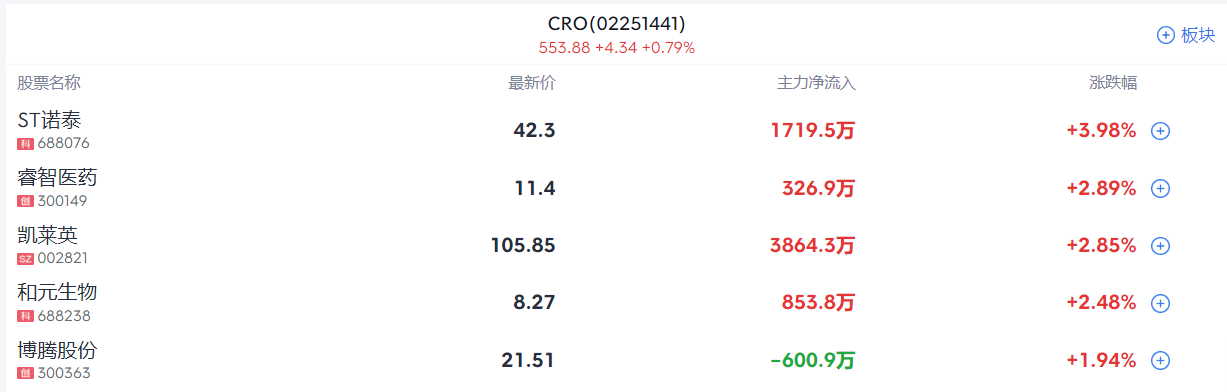
猴痘

Search documents
世卫组织通报发现猴痘病毒重组毒株病例:两名患者感染
Xin Lang Cai Jing· 2026-02-15 06:19
Core Viewpoint - The World Health Organization (WHO) reported cases of a new monkeypox virus strain resulting from the recombination of branch Ib and branch IIb strains, but the overall risk for the general population without specific risk factors remains "low" [1] Group 1: Virus Recombination and Cases - Recent reports indicate two patients infected with a new strain of monkeypox virus, which is a result of recombination between branch Ib and branch IIb [1] - The first case was reported in the UK, with a travel history to Southeast Asia, while the second case was found in India, with travel history to the Arabian Peninsula [1] - Genetic analysis shows that both patients were infected with the same recombinant strain, suggesting that the actual number of cases may be higher than currently reported [1] Group 2: Clinical Presentation and Risk Assessment - Both reported cases did not exhibit severe symptoms, and their clinical presentation was similar to that observed in infections with other monkeypox virus branches [1] - Contact tracing for both cases has been completed, with no secondary cases identified [1] - The WHO maintains its overall public health risk assessment for monkeypox as "low" for the general population without specific risk factors [1] Group 3: Monkeypox Overview - Monkeypox is an infectious disease caused by the monkeypox virus, primarily transmitted through close contact with infected individuals [1] - Symptoms include painful rashes, lymphadenopathy, fever, headache, and myalgia [1] - The monkeypox virus has two main branches, I and II, which further evolve into variants Ia, Ib, IIa, and IIb [1]
三部门通知:密切关注尼帕病毒病等疫情形势,强化输入传染病防控
Zhong Guo Jing Ying Bao· 2026-02-09 10:41
Group 1 - The core viewpoint of the article emphasizes the need for enhanced prevention and control measures for infectious diseases during the 2026 Spring Festival holiday and the spring season, particularly due to increased cross-border and regional movement of people [1][2] - The National Health Commission and other agencies have issued a notification to strengthen the monitoring and response to various infectious diseases, including COVID-19, Nipah virus, and dengue fever, highlighting the importance of epidemiological investigations and contact tracing [1][2] - The overall epidemic situation in the country is reported to be stable and controllable, with COVID-19 at a low prevalence level and a downward trend in acute respiratory infectious diseases, although risks remain during the high incidence season [2] Group 2 - The notification calls for local health departments to enhance vaccination efforts, particularly for high-risk groups such as children, the elderly, and patients with chronic diseases, and to optimize vaccination services [3] - It is essential for local health authorities to prepare and adjust medical resources dynamically based on the local epidemic situation, ensuring adequate supply of diagnostic tests, treatment medications, and facilities to meet public health needs during the holiday period [3]
俄罗斯一医院称收治疑似猴痘患者
Jing Ji Guan Cha Wang· 2026-02-01 22:53
Core Viewpoint - A suspected case of monkeypox has been identified in Moscow, Russia, prompting health authorities to initiate testing and epidemiological investigations [1] Group 1: Incident Details - A 29-year-old resident of Moscow was admitted to Domodedovo Hospital on January 31 after being diagnosed with suspected monkeypox symptoms [1] - The patient is reported to have typical symptoms of monkeypox and is currently in stable condition, showing signs of improvement after treatment [1] Group 2: Health Authority Response - The Russian Federal Service for Surveillance on Consumer Rights Protection and Human Wellbeing announced on February 1 that a detection system for monkeypox has been developed to quickly identify the virus [1] - Experts are conducting an epidemiological investigation to trace close contacts and enhance preventive and disinfection measures to prevent virus transmission [1] Group 3: Monkeypox Overview - Monkeypox is a viral zoonotic disease with initial symptoms including fever, headache, muscle aches, back pain, and swollen lymph nodes, which can progress to widespread rashes on the face and body [1] - While most infected individuals recover within weeks, some cases can be severe or even fatal [1]
俄罗斯发现一例猴痘疑似病例
Xin Hua She· 2026-02-01 14:14
Core Viewpoint - A suspected case of monkeypox has been identified in Moscow, Russia, prompting health authorities to initiate testing and epidemiological investigations [1] Group 1: Incident Details - On January 31, a 29-year-old resident of Moscow was admitted to a medical facility due to health issues and was preliminarily diagnosed with monkeypox [1] - The patient was transferred to Domodedovo Hospital, where typical symptoms of monkeypox were confirmed, and further testing is required [1] - The patient's condition is currently stable and improving after treatment [1] Group 2: Health Authority Response - The Russian Federal Service for Surveillance on Consumer Rights Protection and Human Wellbeing announced the development of a rapid testing system for monkeypox [1] - Experts are conducting an epidemiological investigation to identify close contacts and enhance preventive and disinfection measures to prevent virus transmission [1] Group 3: Monkeypox Overview - Monkeypox is a viral zoonotic disease with initial symptoms including fever, headache, muscle aches, back pain, and swollen lymph nodes, which can progress to widespread rashes [1] - Most infected individuals recover within weeks, but severe cases can lead to serious health complications or death [1]
万联晨会-20260129
Wanlian Securities· 2026-01-29 00:53
Core Insights - The A-share market showed mixed performance with the Shanghai Composite Index rising by 0.27% and the Shenzhen Component Index increasing by 0.09%, while the ChiNext Index fell by 0.57%. The total trading volume in the Shanghai and Shenzhen markets reached 29,650.88 billion yuan [1][7] - In the industry sector, non-ferrous metals, oil and petrochemicals, and coal led the gains, while sectors such as comprehensive, media, and national defense and military industry lagged behind. Concept sectors like gold, lead, and zinc saw significant increases, while monkeypox, cell immunotherapy, and newly listed tech stocks experienced declines [1][7] Important News - The Federal Reserve maintained its benchmark interest rate at 3.50%-3.75%, following three consecutive rate cuts of 25 basis points. This decision aligns with market expectations. The Fed noted signs of stabilization in the unemployment rate, while inflation remains relatively high, and economic uncertainty persists [2][8] Industry Analysis - The media industry experienced a strong performance in 2025, with the Shenwan Media sector rising by 27.17%, ranking ninth among Shenwan's first-level industries and outperforming the CSI 300 Index. The industry valuation (PE-TTM) has shown fluctuations but remains above the average level of the past seven years. Revenue and net profit for the first three quarters of 2025 showed steady growth, with year-on-year increases in Q3 [9][10] - The dual focus on IP and AI is reshaping the media industry. As consumer preferences shift from "functional" to "emotional value," there is a growing market for IP content and its commercialization. AI is recognized as a transformative technology with vast potential across various media sub-industries, driving new market developments [9][12] Investment Highlights - IP is categorized into content-based and image-based types, both of which can interchange to explore higher value and enhance commercialization through derivative products. Content-based IP includes literary and film adaptations, while image-based IP focuses on recognizable visual symbols [10][11] - The market for IP derivatives is experiencing explosive growth, driven by the rise of Generation Z consumers and the popularity of "emotional value" economics. Key product categories include collectibles and toys, which resonate with younger audiences' social and entertainment needs [12] - AI applications are expanding across multiple media sectors, enhancing content production efficiency and reducing costs. In gaming, AI is revolutionizing narrative and gameplay experiences, while in advertising, traditional marketing models are being restructured to adapt to new consumer information-seeking behaviors [14][13]
金融工程日报:沪指震荡微跌,黄金、疫苗概念逆势大涨-20260127
Guoxin Securities· 2026-01-27 06:18
- The report does not contain any specific quantitative models or factors for analysis[1][2][3] - The report primarily focuses on market performance, sentiment, fund flows, ETF premiums/discounts, block trading discounts, and index futures basis rates, but does not detail any quantitative models or factor construction processes[4][5][6] - No formulas or specific quantitative testing results for models or factors are provided in the report[7][8][9]
中疾控发布10月健康防护提示
Ren Min Wang· 2025-10-16 01:33
Core Viewpoint - The article emphasizes the need to monitor various infectious diseases, including Chikungunya, Dengue fever, acute respiratory infections, Hand, Foot, and Mouth Disease (HFMD), Norovirus gastroenteritis, and Monkeypox, following the National Day and Mid-Autumn Festival holidays in October 2025 [1] Group 1: Mosquito-borne Diseases - Chikungunya is an acute infectious disease caused by the Chikungunya virus, primarily transmitted by Aedes mosquitoes, with symptoms including fever, rash, and joint pain [2] - Dengue fever is caused by the Dengue virus, also transmitted by Aedes mosquitoes, presenting symptoms such as fever, fatigue, loss of appetite, nausea, severe headaches, and muscle and joint pain [2] Group 2: Preventive Measures for Mosquito-borne Diseases - Key preventive measures include avoiding mosquito bites by using mosquito repellent, wearing long sleeves and pants, and using mosquito nets in areas with Aedes mosquitoes [3] - Eliminating mosquito breeding sites by regularly cleaning and removing standing water, and using insecticides indoors [3] - Increasing self-awareness regarding health status and seeking medical attention if symptoms like fever and joint pain occur after potential exposure [3] Group 3: Acute Respiratory Infections - Acute respiratory infections can be caused by various pathogens, including Mycoplasma pneumoniae, rhinoviruses, and coronaviruses, with recent monitoring showing high positivity rates for rhinoviruses and respiratory syncytial viruses [4] Group 4: Preventive Measures for Acute Respiratory Infections - Maintaining good hygiene practices, such as covering the mouth and nose when coughing or sneezing, frequent handwashing, and a balanced diet [5] - Seeking medical attention promptly if experiencing fever and respiratory symptoms, and wearing masks in crowded or enclosed spaces [5] - Vulnerable populations, including pregnant women and the elderly, should actively receive vaccinations as per guidelines [5] Group 5: Hand, Foot, and Mouth Disease (HFMD) - HFMD is a common infectious disease in children caused by various enteroviruses, with outbreaks typically occurring in spring-summer and autumn [6] - The disease spreads through the digestive and respiratory tracts, with symptoms including fever and rashes on hands, mouth, and feet [6] Group 6: Preventive Measures for HFMD - Good hygiene practices, regular cleaning and disinfection of toys and frequently touched surfaces, and avoiding contact with infected children are crucial [8] - Vaccination against EV-A71 can effectively prevent severe cases of HFMD, recommended for children over six months old [9] Group 7: Norovirus Gastroenteritis - Norovirus gastroenteritis can occur year-round, with a peak from October to March, often in schools and travel groups, spreading through contaminated food and water [10] Group 8: Preventive Measures for Norovirus - Emphasizing hand hygiene, safe food and water consumption, and proper disinfection of contaminated surfaces are essential preventive measures [11] Group 9: Monkeypox - Monkeypox is an acute infectious disease caused by the monkeypox virus, with symptoms including fever, rash, and swollen lymph nodes, primarily transmitted through direct contact with infected individuals [12] Group 10: Preventive Measures for Monkeypox - Awareness of monkeypox prevention, maintaining good hygiene, and avoiding close contact with suspected cases are critical [13][14]
天气转凉这些传染病多发!防护攻略看这里
Yang Shi Xin Wen· 2025-10-16 01:29
Core Viewpoint - The article emphasizes the importance of preventive measures against various infectious diseases, including Chikungunya, Dengue fever, acute respiratory infections, Hand, Foot, and Mouth Disease (HFMD), Norovirus gastroenteritis, and Monkeypox, especially after the National Day and Mid-Autumn Festival holidays. Group 1: Mosquito-borne Diseases (Chikungunya and Dengue Fever) - Chikungunya is an acute infectious disease caused by the Chikungunya virus, primarily transmitted by Aedes mosquitoes, with symptoms including fever, rash, and joint pain [1] - Dengue fever is caused by the dengue virus, also transmitted by Aedes mosquitoes, presenting symptoms such as fever, fatigue, loss of appetite, nausea, severe headaches, and muscle and joint pain [1] - Key preventive measures include avoiding mosquito bites, using mosquito repellent, and eliminating mosquito breeding sites by clearing standing water [2][2] Group 2: Acute Respiratory Infections - Various pathogens cause acute respiratory infections, with recent monitoring showing high positivity rates for rhinovirus and respiratory syncytial virus [4] - Preventive measures include maintaining good hygiene, wearing masks in crowded places, and timely medical consultation for respiratory symptoms [5] Group 3: Hand, Foot, and Mouth Disease (HFMD) - HFMD is a common infectious disease in children, primarily affecting those under five years old, with transmission through the digestive and respiratory tracts [6] - Preventive measures include maintaining hygiene, regular cleaning of toys, and avoiding contact with infected children [7][8] Group 4: Norovirus Gastroenteritis - Norovirus gastroenteritis can occur year-round, with a peak from October to March, often in schools and travel groups [10] - Preventive measures include frequent handwashing, ensuring food and water safety, and disinfecting contaminated surfaces [12] Group 5: Monkeypox - Monkeypox is an acute infectious disease characterized by fever, rash, and lymphadenopathy, primarily transmitted through direct contact with infected individuals [13] - Preventive measures include enhancing self-protection awareness, avoiding close contact with suspected cases, and adhering to entry and exit regulations [14][15][17]

金融工程日报:A股冲高回落,两市成交额再度放大至3.2万亿-20250827
Guoxin Securities· 2025-08-27 14:21
- The report does not contain any quantitative models or factors for analysis



A股开盘速递 | A股走势分化 海南自贸区概念活跃 稀土板块再度走强
智通财经网· 2025-07-24 01:57
Market Overview - A-shares showed mixed performance on July 24, with the Shanghai Composite Index down 0.02%, while the Shenzhen Component Index rose by 0.37% and the ChiNext Index increased by 0.77% [1] - The Hainan Free Trade Zone concept stocks were notably active, with companies like Caesar Travel hitting the daily limit [1] - The biopharmaceutical sector, including fentanyl and monkeypox concepts, showed strength, with stocks like Wanfeng Biological and Botao Biological rising [1] - The rare earth permanent magnet sector also saw renewed activity, with Zhongke Sanhuan hitting the daily limit [1] - Conversely, sectors such as large financials, precious metals, steel, photovoltaic, and power grid equipment experienced declines [1] Sector Insights Biopharmaceutical Sector - The biopharmaceutical sector is active, with significant movements in stocks related to fentanyl and CRO, including Wanfeng Biological and Chengdu Xian Dao [1][2] - CITIC Securities noted that recent policies supporting the high-quality development of innovative drugs are positively impacting the sector, enhancing the international competitiveness of domestic innovative drug companies [1] Financial Sector - Huatai Securities indicated a strong willingness among investors to buy, suggesting that even during market dips, funds quickly enter the market [3] - The financial sector is seen as a key player in the ongoing market rotation, contributing to the upward trend of the index [5] Cyclical Stocks - Xinda Securities highlighted the recent performance of previously underperforming cyclical sectors such as photovoltaic, steel, and chemicals, suggesting this may signal the bull market entering a mid-stage rally [4] - The valuation advantage of cyclical stocks is expected to become more pronounced as the bull market progresses, especially with potential policy catalysts or improvements in fundamentals [4] Traditional and Tech Industries - According to Dongfang Securities, traditional industries and the broader tech sector are expected to play a crucial role in supporting market growth [5] - The continuous positive feedback from daily gains is building market confidence, with the Shanghai Composite Index potentially breaking past significant resistance levels [5]