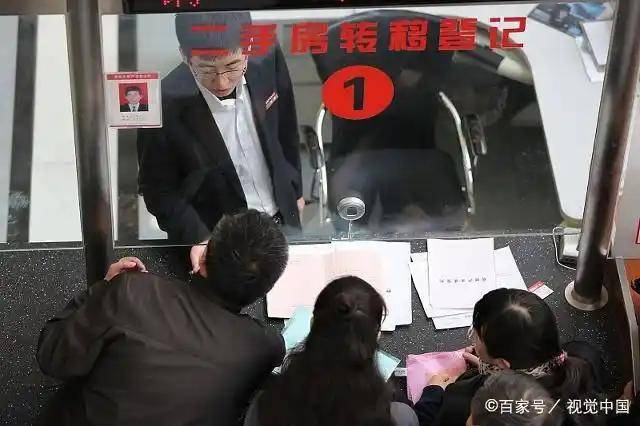
购房成本

Search documents
张斌:以货币政策激发扩大内需的内生动力
Sou Hu Cai Jing· 2026-01-27 05:04
Core Viewpoint - The Chinese economy is in the early stages of recovery in 2025, with 2026 being a crucial year for sustaining this recovery through effective counter-cyclical policies, particularly in monetary policy [2][3]. Economic Indicators - In 2025, various financial indicators such as the stock market, RMB exchange rate, social financing growth, and corporate deposits showed significant improvement, indicating early signs of economic recovery [3]. - Corporate profits have halted a multi-year decline, and overall consumption and labor market conditions are stable [3]. Factors Driving Recovery - The recovery is primarily driven by three factors: 1. Support from counter-cyclical policies, especially increased government borrowing and spending [3]. 2. Successful navigation of the tariff war initiated by the U.S., which helped maintain export momentum [3]. 3. Price adjustments over previous years have provided support for market rebounds [3]. Weaknesses in Recovery - The foundation of the economic recovery is fragile, heavily reliant on fiscal borrowing and external demand, with insufficient internal growth drivers [3]. - Weak investment willingness from private enterprises and low consumer confidence in housing and spending are significant concerns [3]. Private Investment Concerns - From 2010 to 2021, the average return on assets for listed companies was 6.7%, while the average yield on 10-year government bonds was 3.4%, resulting in a consistent spread of 3.3% [4]. - However, from 2022 to 2025, the average return on assets dropped to 2.7%, and the yield on government bonds fell to 2.4%, narrowing the spread to only 0.3%, which negatively impacts private investment enthusiasm [4]. - The average growth rate of private fixed asset investment fell from 14.4% (2010-2021) to -1.2% (2022-2025) [4]. Housing Market Dynamics - The report indicates that the cost of buying a home has become less favorable compared to renting, with mortgage rates averaging 3.9% and second-hand home price growth at -4.8% from 2022 to 2025, leading to a buying cost of 8.7% [5]. - This unfavorable comparison has exerted downward pressure on housing prices [5]. Impact of Interest Rates - Interest rates significantly influence housing prices, with even minor reductions in rates having substantial effects on price increases [6]. - The decline in private investment has weakened overall spending growth, leading to slower income growth for residents, which adversely affects consumption [6]. Policy Recommendations - The report suggests maintaining necessary government borrowing and spending while emphasizing the importance of loose monetary policy in expanding domestic demand [7]. - Monetary policy should aim to improve expectations and optimize the budget constraints and incentives for both corporate investment and consumer spending [7]. - Achieving these changes requires a decisive stance from the central bank on inflation targets and a significant reduction in policy interest rates [7].

购买100万的二手房,最低需准备多少首付款和税费?快来了解看看
Sou Hu Cai Jing· 2025-08-26 09:35
Core Insights - The article emphasizes the hidden costs associated with purchasing a second-hand house in China, particularly highlighting that the actual financial outlay exceeds the initial purchase price of 1 million yuan due to various fees and interest [1] Group 1: Down Payment - The down payment for housing loans has been standardized to 15% nationwide, significantly lowering the entry barrier for homebuyers [2] - However, regional differences exist, particularly in first-tier cities like Beijing, where the down payment for a second home can be as high as 50% in certain districts [2] - Different loan types, such as commercial loans and public housing loans, have varying down payment requirements, with public housing loans generally requiring a lower down payment [3] Group 2: Taxes and Fees - The main taxes involved in second-hand home transactions include deed tax, value-added tax, and personal income tax, which are often underestimated by buyers [5] - The deed tax rate varies based on the buyer's identity and the size of the property, with significant changes made to the exemption criteria in 2024 [5] - Value-added tax is typically borne by the seller but can influence the final transaction price, with exemptions available for properties held for over two years [6] - Personal income tax, also primarily the seller's responsibility, can affect the seller's pricing strategy, thereby impacting the buyer's total cost [8] Group 3: Additional Costs - Other miscellaneous fees, such as registration fees and potential appraisal fees, should also be factored into the overall budget for purchasing a second-hand home [8]