购房成本降低

Search documents
多维度降低换房成本 守护住有宜居民生期待
Zhong Guo Jing Ji Wang· 2026-01-23 01:19
Core Viewpoint - The Ministry of Finance, the State Taxation Administration, and the Ministry of Housing and Urban-Rural Development have extended the personal income tax refund policy for residents purchasing new homes until December 31, 2027, as part of a comprehensive strategy to lower housing costs and stabilize the real estate market [1][2]. Policy Extension and Impact - The policy allows taxpayers who sell their own homes and purchase new ones within one year to receive a personal income tax refund, with full refunds for new home purchases equal to or greater than the sale price of the old home, and proportional refunds for lower amounts [2]. - This policy aims to address genuine housing needs while preventing potential exploitation of the tax benefits, maintaining the principle of "housing is for living, not for speculation" [2][8]. - The extension of this policy has already benefited millions of families by reducing their housing burdens [2]. Multi-Dimensional Cost Reduction - Recent policies from central to local governments have continuously reduced housing costs across various aspects, including tax, credit, and transaction processes [3]. - A new VAT policy effective January 1, 2026, reduces the VAT rate on personal sales of homes under two years from 5% to 3%, a 40% decrease, while homes over two years remain exempt from VAT [3]. - Financial policies have also eased the monthly payment pressures for families, with significant reductions in public housing loan interest rates [3]. Loan Support and Transaction Efficiency - Loan limits for first-time homebuyers have been increased, with specific provisions for families with multiple children and veterans, enhancing accessibility to housing finance [4]. - Transaction processes have been streamlined, with the "transfer with mortgage" policy improving efficiency by over 50% in certain areas [4]. Anticipated Future Policies - The series of supportive measures has instilled confidence in families looking to purchase homes, with many expressing satisfaction with the benefits of the policies [5]. - Experts suggest that the recent policies are targeted responses to the current real estate market's challenges, particularly addressing the bottlenecks in the "sell old to buy new" process [7]. - The focus on reducing transaction costs is expected to enhance market activity and foster a positive interaction between supply and demand in the real estate sector [7][8].
2026买房迎多重红利!中介规范+成本大降,置业更省心
Sou Hu Cai Jing· 2026-01-07 01:11
Core Viewpoint - The real estate market in 2026 is set to benefit from multiple new policies aimed at reducing costs and increasing transparency for homebuyers, making the home buying process more straightforward and less stressful [1] Group 1: Regulation of Real Estate Agencies - New regulations from the Ministry of Housing and Urban-Rural Development and the State Administration for Market Regulation will enforce transparency in real estate agency fees, separating basic services from optional services [3] - Agencies will be required to display clear pricing for their services and provide a detailed fee list for buyers to confirm before payment, eliminating hidden charges [3] - The regulations will also require real estate agents to register and wear identification badges, reducing the prevalence of "black agencies" [3] Group 2: Reduction in Buying Costs - Starting January 1, 2026, the interest rates for existing housing provident fund loans will be reduced by 25 basis points, with the first home rate dropping to 2.6% and the second home rate to 3.075% [4] - The new policies will also lower the value-added tax on properties sold within two years from 5% to 3%, and properties sold after two years will be exempt from this tax, benefiting both buyers and sellers [4] Group 3: Streamlined Transaction Processes - Over 30 cities have launched official real estate transaction platforms to verify property information, reducing the risk of fraud and allowing direct communication between buyers and sellers [5] - Transaction funds will be placed in a regulated account, ensuring that payments are only released to sellers after the transfer of ownership is completed, enhancing security for buyers [6] Group 4: Transparency in Shared Areas - More than 20 provinces and cities will implement pricing based on usable area rather than total construction area, with limits on shared area percentages set at 15% for low-rise buildings and 25% for high-rise buildings [7] - This change will increase the usable space for buyers and clarify property pricing, reducing the confusion associated with shared area calculations [7]

楼市新政密集出台!2025年房地产止跌回稳,购房门槛大幅降低
Sou Hu Cai Jing· 2025-08-13 18:24
Core Viewpoint - The recent policies in the real estate market are aimed at stabilizing the market by significantly lowering the barriers to home buying, with expectations for the market to stop declining and stabilize by 2025 [1][10]. Policy Measures - A series of policies have been introduced, including interest rate cuts and down payment adjustments, which reflect the government's commitment to reviving the market [3][4]. - Local governments are offering various subsidies and incentives for homebuyers, including cash subsidies ranging from tens of thousands to over a hundred thousand yuan [4][7]. Market Conditions - The relaxation of purchase restrictions, such as the removal of limits for non-local buyers and reduced social security requirements, is beneficial for young professionals looking to settle in their work cities [5][10]. - Mortgage rates have reached historical lows, with some banks offering rates below 3.5% for first-time homebuyers, making it an attractive time for loans [5][10]. Financial Impact - The reduction in down payment from 30% to 20% on a 1 million yuan home translates to a cash saving of 100,000 yuan, which is significant for average families [5][7]. - Additional subsidies, such as talent incentives and tax reductions, can lead to total savings of several tens of thousands to over a hundred thousand yuan [7]. Market Sentiment - Recent data indicates signs of recovery in the real estate market, with transaction volumes stabilizing and prices for new and second-hand homes ceasing to decline [8][10]. - Developers are shifting from aggressive price cuts to stabilizing prices, indicating improved market expectations [10]. Future Outlook - The overall direction for the real estate market is positive, with expectations for stabilization by 2025, although the recovery process may take time [10][11]. - The broad scope and intensity of the current policies are expected to gradually yield positive effects, contributing to the stability of the real estate market, which is crucial for the overall economy [11].
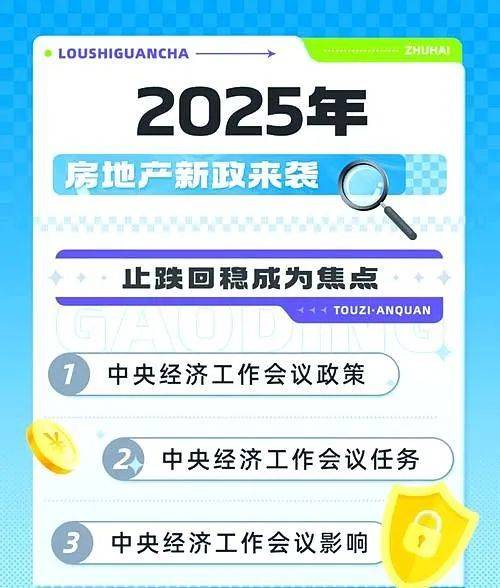
8月要来了,所有买房人都注意!更强刺激政策即将登场
Sou Hu Cai Jing· 2025-07-20 08:48
Group 1 - The real estate market in China is experiencing a significant divergence, with first-tier cities seeing a surge in new home sales while second-hand home prices remain low and face severe inventory issues [2][3] - In the first half of 2025, new home sales in Shenzhen increased by 42%, while Shanghai luxury properties were sold out quickly, indicating a strong demand in high-end segments [2][3] - The government has implemented a series of policies aimed at reducing home purchase costs by approximately 10%, including interest rate cuts and subsidies [2][6] Group 2 - The second-hand housing market is facing intense price competition, with average price reductions of 14% in Shenzhen and a continuous decline in Beijing's second-hand home prices for nine consecutive months [3][6] - The land market shows a stark contrast, with high premium rates in some cities like Hefei and Chengdu, while third and fourth-tier cities experience a 35% land auction failure rate [5][6] - Various government measures, termed "policy rain," have been introduced to stimulate market demand, including lowering mortgage rates to record lows and reducing down payment requirements [6][7] Group 3 - Homebuyers are exhibiting mixed behaviors, with first-time buyers actively seizing opportunities presented by lower down payments and subsidies, while buyers in lower-tier cities remain cautious due to ongoing price declines [8][10] - The demand for energy-efficient and technologically advanced homes is rising, with green homes commanding a premium of 12% over standard properties in the same area [8][10] - The government is also providing substantial subsidies for families with multiple children, further incentivizing home purchases [7][8]