贵金属涨价

Search documents
研报 | 存储器、面板、贵金属涨价影响电视品牌获利,2026年全球出货量恐下调
TrendForce集邦· 2026-01-29 09:01
Core Insights - The television industry is facing rising costs due to increases in memory, panel, and precious metal prices, leading to a downward revision of the global TV shipment forecast for 2026 from a decrease of 0.3% to 0.6%, totaling approximately 194.81 million units [3][5] - The cost structure has made it difficult to maintain previous low pricing strategies, necessitating price increases for new models [5][6] - The share of memory in the Bill of Materials (BOM) cost for TVs has risen from 2.5-3% to 6-7% due to the price surge [5][7] Shipment Forecast - The global TV shipment for 2026 is projected to be 194.81 million units, reflecting a year-on-year decrease of 0.6% [5][6] - Despite promotional events like the Super Bowl and FIFA World Cup, the second half of 2026 may face challenges in maintaining shipment momentum due to rising component prices [6][7] Cost Analysis - Panel costs account for approximately 40-50% of the total TV production cost, with prices beginning to rise as of January 2026 [6][7] - The price of 4GB DDR4 memory, commonly used in 4K TVs, has increased over fourfold in the past year, with expectations of a further increase of over 60% in the first quarter of 2026 [6][7] Market Dynamics - Smaller brands with limited resources are likely to be more adversely affected by the rising memory prices, impacting their production capabilities and profitability [7] - In the Chinese market, favorable subsidy policies for energy-efficient products are expected to benefit Mini LED models, with an anticipated penetration rate of 10% and shipments reaching 20 million units [7] - TCL is positioned to lead the Mini LED TV market, with a market share projected to exceed 30% due to its integrated advantages in materials and manufacturing [7]

巨石与中材发布激励计划,重视传统电子布盈利弹性
Ping An Securities· 2026-01-07 03:24
Investment Rating - The industry investment rating is "Outperform the Market," indicating that the industry index is expected to perform better than the market by more than 5% over the next six months [8]. Core Insights - Recently, China Jushi and China National Materials announced stock incentive plans, highlighting the profitability elasticity of traditional electronic fabrics [1]. - The average price of electronic fabrics (7628) is reported at 9,400 CNY/ton and 4.65 CNY/meter, with continuous price increases attributed to high demand from the AI sector, leading to a production shift towards high-end products [5][6]. - The recent rise in copper prices is expected to create upward pricing pressure on downstream CCL and PCB companies, which may be passed down to the electronic fabric prices [5]. - The significant increase in precious metal prices, particularly platinum and rhodium, is anticipated to push up the prices of raw materials for glass fiber production, with current prices reaching approximately 261 CNY/gram for platinum and 1,428 CNY/gram for rhodium [5]. - The stock incentive plans from both China Jushi and China National Materials reflect confidence in future growth, with ambitious profit growth targets set for the coming years [6][7]. Summary by Sections Stock Incentive Plans - China Jushi plans to grant up to 34.5282 million restricted stocks, accounting for 0.86% of its total share capital, with a target net profit compound growth rate of no less than 38.5% from 2024 to 2026 [6]. - China National Materials aims to grant 15.4 million stock options, representing 0.92% of its total share capital, with a target net profit compound growth rate of no less than 107.0% from 2024 to 2026 [6]. Price Trends - The prices of electronic yarn and electronic fabrics have been rising, with G75 electronic yarn quoted at 9,400-9,700 CNY/ton and 7628 electronic fabric at approximately 4.8-4.9 CNY/meter [5][6]. - The demand for glass fiber products, particularly in wind power and thermoplastics, is expected to remain resilient, allowing manufacturers to pass on cost pressures through price increases [7]. Market Confidence - Recent stock purchases by major shareholders of China Jushi indicate strong confidence in the company's future development, with significant amounts pledged for share buybacks [7].


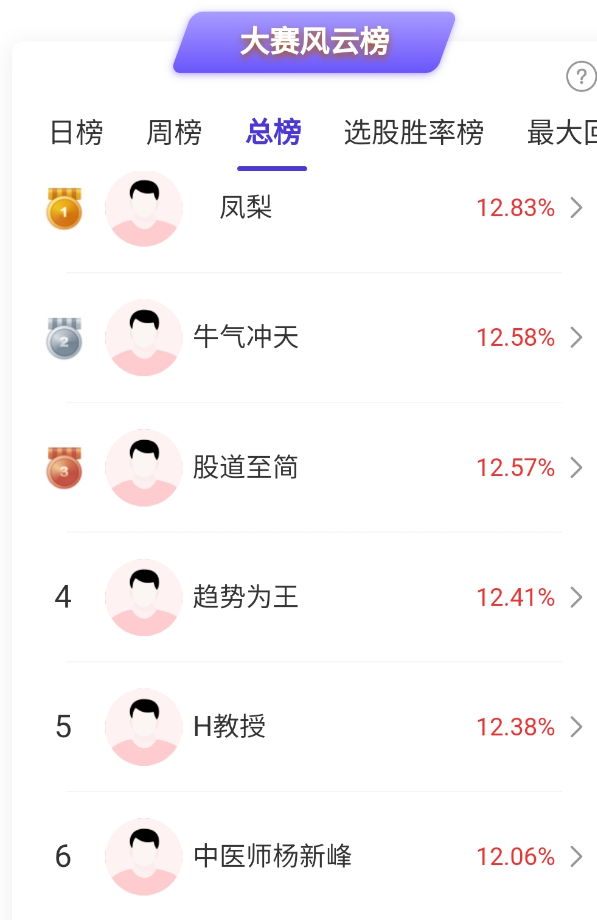
脑机接口、军工、保险等大涨,春节红包行情来了?
Mei Ri Jing Ji Xin Wen· 2026-01-05 08:08
Market Performance - On the first trading day of 2026, the A-share market experienced a "good start," with sectors such as brain-computer interfaces, insurance, military industry, and precious metals performing well. The Shanghai Composite Index rose by 1.38%, closing at 4023.42 points. The total trading volume in the Shanghai and Shenzhen markets reached 25,675 billion yuan, a significant increase of 5,016 billion yuan compared to the previous trading day [1]. Competition Overview - The 81st session of the "Digging Gold" competition, organized by the Daily Economic News App, began on January 5, with participants registering from January 1 to January 16. The competition simulates stock trading with a simulated capital of 500,000 yuan, and cash rewards are given for positive returns at the end of each session [1][3]. Rewards Structure - The pre-tax cash rewards for each session are as follows: 688 yuan for the 1st place, 188 yuan for the 2nd to 4th places, 88 yuan for the 5th to 10th places, and the remaining positive return participants share a total of 500 yuan. The monthly leaderboard winner receives 888 yuan for 1st place, with decreasing amounts for subsequent ranks [3]. Market Insights - Some experienced participants believe that the Shanghai Composite Index's significant volume breakout on Monday indicates the onset of a new upward trend [4]. Additionally, there is optimism regarding sectors such as lithium carbonate, precious metals, and vanadium battery storage due to rising prices [6]. Additional Resources - Participants who successfully register for the "Digging Gold" competition will gain free access to the "Fire Line Quick Review" for six trading days, which includes insights on market trends, investment logic, and company analysis. Notably, since April 2025, sectors like the Nvidia supply chain, electronic cloth, rare earths, tungsten mines, and silver have shown significant growth, with some companies doubling their stock prices [6].