新茶饮

Search documents
霸王茶姬2025年业绩出炉 今年计划海外新增约200家门店
Zhong Guo Ji Jin Bao· 2026-03-31 15:35
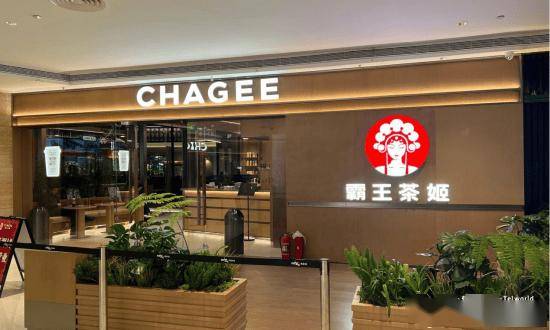
Core Insights - The core viewpoint of the news is that Bawang Tea Ji has experienced a significant decline in its financial performance for the fourth quarter of 2025, primarily due to organizational restructuring and a shift in business model, while its overseas business shows strong growth potential and resilience [2][3][6]. Financial Performance - In 2025, Bawang Tea Ji achieved a GMV of 31.58 billion yuan, a year-on-year increase of 7.2%, with revenue of 12.91 billion yuan, up 4% [2]. - The adjusted net profit for 2025 was 1.91 billion yuan, down from 2.51 billion yuan in the previous year [2]. - For Q4 2025, the company reported a GMV of 7.32 billion yuan, a year-on-year decrease of 8.2%, and revenue of 2.97 billion yuan, down 10.8% [2]. Overseas Business Growth - Bawang Tea Ji's overseas GMV reached 370 million yuan in Q4 2025, marking an impressive year-on-year increase of 84.6% and a quarter-on-quarter growth of 23.9% [3]. - The total number of global stores reached 7,453 by December 31, 2025, a 15.7% increase year-on-year, with 345 overseas stores across seven countries [3]. Market Strategy and Future Plans - The company plans to open approximately 200 new overseas stores in 2026 [6]. - Bawang Tea Ji is transitioning from a rapid expansion phase to an adjustment phase, focusing on enhancing the consumer experience and addressing challenges faced by franchisees [6]. - The company aims to implement a new profit-sharing model for franchisees starting in 2026, shifting from a supply chain-focused model to a GMV-based revenue sharing model [7][8]. Brand and Product Development - The collaboration with Hello Kitty in Southeast Asia has been well-received, contributing to increased brand visibility and popularity among younger consumers [5]. - The company is focusing on product innovation targeting young consumers, including new tea varieties and enhancing customer experience through improved service and environment [6].



流水10000元,到手6000元?新茶饮“五小龙”现状:业绩两重天,加盟亏上天
新浪财经· 2026-03-31 12:16
Core Viewpoint - The new tea beverage industry is experiencing significant performance divergence among key players, with some brands thriving while others struggle with losses and closures [6][8]. Group 1: Financial Performance - In 2025, the financial results of the new tea beverage companies show stark differences, with Gu Ming leading in net profit growth, while Nayuki continues to face substantial losses, accumulating over 2 billion yuan since its IPO [6][8]. - Mixue Ice City achieved a revenue of 33.56 billion yuan, a year-on-year increase of 35.2%, and a net profit of 5.93 billion yuan, up 33.1%, averaging a daily net profit of approximately 16.25 million yuan [6][7]. - Gu Ming reported a revenue of 12.91 billion yuan, a 46.9% increase, and a net profit of 3.12 billion yuan, growing by 108.6%, leading the industry in profit growth [6][7]. - Hu Shang A Yi's revenue reached 4.47 billion yuan, up 36%, with a net profit of 500 million yuan, increasing by 52.4% [6][7]. - Cha Bai Dao's revenue was 5.4 billion yuan, a 9.7% increase, with a net profit of 820 million yuan, up 71.2%, but with a slowing revenue growth rate [6][7]. - Nayuki's revenue fell to 4.33 billion yuan, down 12%, with a net loss of 239 million yuan, although this was a 74% reduction from the previous year [6][7]. Group 2: Market Dynamics - The industry is transitioning from a phase of rapid growth to a structural differentiation where strong players thrive while weaker ones contract [8]. - As of March 31, 2026, stock performance reflects this divergence, with Mixue Ice City and Gu Ming seeing significant stock price increases, while Hu Shang A Yi, Cha Bai Dao, and Nayuki have all experienced substantial declines [8]. - Mixue Ice City closed at 293 HKD, up 44.7% from its IPO price, while Gu Ming rose 174.7% to 27.3 HKD. In contrast, Nayuki's stock plummeted 95.8% to 0.83 HKD [8]. Group 3: Expansion Strategies - Mixue Ice City and Gu Ming are pursuing aggressive expansion strategies, with Mixue adding approximately 13,000 stores in 2025, bringing its total to nearly 60,000 [12][18]. - Gu Ming increased its store count by about 3,640 in 2025, nearly tripling its previous year's growth [12]. - Hu Shang A Yi opened 3,654 new stores but closed 1,383, resulting in a net increase of 2,273 stores, with a high closure rate of 12% [12]. - Nayuki is the only brand to see a net decrease in store count, closing over 150 underperforming stores in 2025 [12]. Group 4: Operational Challenges - The industry faces challenges such as intense price competition and a saturated market, leading to declining single-store profitability and increased closure rates [10][11]. - A franchisee reported that the effective revenue from daily sales has decreased significantly due to rising delivery costs and increased competition, making profitability increasingly difficult [10]. - The operational model is under pressure, with many new franchisees struggling to achieve profitability, leading to store closures or transfers [10]. Group 5: Future Trends - Brands are increasingly looking to international markets for growth opportunities, with Mixue Ice City already entering the U.S. market and expanding into Southeast Asia [16][18]. - To enhance profitability, brands are focusing on upgrading store experiences and differentiating their offerings, with Mixue and HiTea leading in innovative store concepts [18]. - The industry is shifting from a focus on rapid expansion to a deeper emphasis on value creation, product innovation, and supply chain efficiency [18].
风暴眼中的霸王茶姬
3 6 Ke· 2026-03-31 01:53
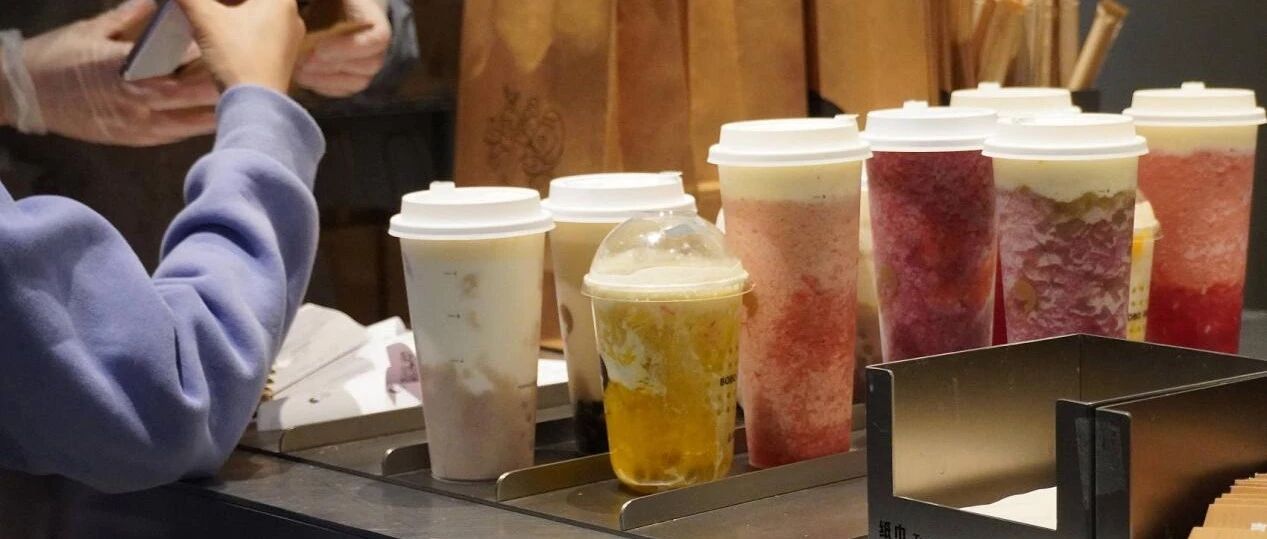
Core Insights - The new tea beverage industry is experiencing a significant slowdown, with the market size growing only 6.4% in 2025, reaching 187 billion yuan, a stark contrast to the 24.9% compound annual growth rate from 2017 to 2022 [1] - Bawang Chaji, a leading brand in the industry, has seen its store count increase to 7,026 by the end of 2025, but the overall number of stores in the industry has been declining for three consecutive years, indicating a shift to a more competitive environment [1][2] - The brand's same-store sales have fluctuated, with average monthly revenue dropping to 378,500 yuan in Q3 2025, reflecting the challenges faced by the company and the industry as a whole [2] Group 1: Industry Trends - The tea beverage market is transitioning from rapid expansion to a focus on existing store performance, with a net decrease of 3,900 stores in 2025 [1] - Bawang Chaji's rapid growth through a franchise model has slowed, with only a net increase of fewer than 1,000 stores in 2025 compared to nearly doubling in 2024 [3] - The overall consumer frequency for tea beverages is declining, while the number of available brands is increasing, leading to reduced customer traffic for individual stores [4] Group 2: Franchise Model Adjustments - In early 2026, Bawang Chaji adjusted its franchise model by eliminating fixed annual fees and implementing a revenue-sharing model, aiming to strengthen the relationship with franchisees [5] - The adjustments are designed to reduce the financial burden on franchisees and stabilize their confidence in the brand amid increasing competition [5] - However, these changes do not address the core issues of declining customer traffic and intensified competition within the industry [5][6] Group 3: Product Strategy - Bawang Chaji's success has been largely attributed to its flagship product, the "Boya Juexian," which has sold over 1.25 billion cups and accounts for 60-70% of its sales [7] - Despite this focus, the brand has struggled with product innovation, launching only eight new products in 2025, which is significantly lower than competitors [7][9] - The brand's reliance on a single product poses risks, as competitors have introduced similar offerings at lower price points, threatening Bawang Chaji's market position [9][10] Group 4: International Expansion - Bawang Chaji has been expanding internationally since 2019, with 262 overseas stores by September 2025, primarily in Southeast Asia [11] - The brand's overseas revenue reached over 300 million yuan in Q3 2025, marking a 75.3% year-on-year increase, but still represents only 3.8% of total revenue [12][13] - The brand faces challenges in diversifying its international presence, as 75% of its overseas stores are concentrated in Malaysia, exposing it to market risks [13][14] Group 5: Strategic Considerations - The company must navigate the complexities of global expansion, including supply chain localization and operational management, to ensure sustainable growth [14][15] - Bawang Chaji's future success will depend on its ability to innovate product offerings, enhance store profitability, and effectively compete in both domestic and international markets [15][16] - The ongoing industry reshuffle emphasizes the need for continuous evolution and strategic clarity to maintain a competitive edge [16]
门店突破1.3万家,古茗交出上市首年高质量答卷
凤凰网财经· 2026-03-26 11:41
Core Viewpoint - The company, Gu Ming, has demonstrated solid and sustainable growth in its first complete annual performance report post-IPO, with a focus on deepening market penetration and optimizing supply chain and operational efficiency, without relying on influencer marketing or extreme low pricing [1] Group 1: Financial Performance - In 2025, Gu Ming achieved total revenue of 12.914 billion, a year-on-year increase of 46.9%, maintaining a leading position in the new tea beverage industry [3] - The gross profit reached 4.262 billion, up 58.6% year-on-year, with a gross margin increase from 30.6% in 2024 to 33.0%, reflecting improved scale effects and cost control [4] - Net profit for the year was 3.115 billion, a remarkable growth of 108.6%, with adjusted profit at 2.575 billion, up 66.9% [5] Group 2: Growth Drivers - The rapid expansion of store numbers contributed significantly, with a net increase of 3,640 stores in 2025, solidifying the revenue base [6] - Single-store operational efficiency improved, with an average daily sale of 456 cups, an increase of 18.8%, indicating strong consumer repurchase intent [6] - Product structure optimization across various categories, including fresh fruit tea and coffee, has led to steady increases in average transaction value and repurchase rates [6] Group 3: Market Strategy - By the end of 2025, Gu Ming had a total of 13,554 stores across over 200 cities, with 82% of stores located in tier two and below cities, and 44% in towns [9][10] - The strategy of focusing on lower-tier markets allows Gu Ming to avoid intense competition in first-tier cities while capturing a stable consumer base [11] - The company’s franchise model and operational support ensure high-quality and sustainable expansion of its store network [12] Group 4: Supply Chain and Logistics - Gu Ming has established a comprehensive cold chain logistics system with 24 warehouses and a total area of 258,000 square meters, ensuring efficient delivery of perishable goods [15] - The cost of delivery from warehouses to stores is less than 1% of total GMV, significantly lower than the industry average, showcasing effective cost control [17] - The company launched 106 new products in 2025, including 27 coffee products, enhancing customer engagement and increasing revenue potential [19] Group 5: Financial Health and Future Outlook - Gu Ming reported cash and bank balances of 4.321 billion, with a net cash flow from operating activities of 2.409 billion, indicating strong financial health for future investments [20] - Plans for 2026 include expanding store presence in existing provinces, entering new markets, and enhancing digital operations and supply chain systems [21] - The company’s commitment to quality, stability, and deep market penetration positions it as a long-term growth candidate in the new tea beverage industry [21]
霸王茶姬门店店员徒手搅拌奶茶 董事长张俊杰知晓吗
Sou Hu Cai Jing· 2026-03-17 06:21
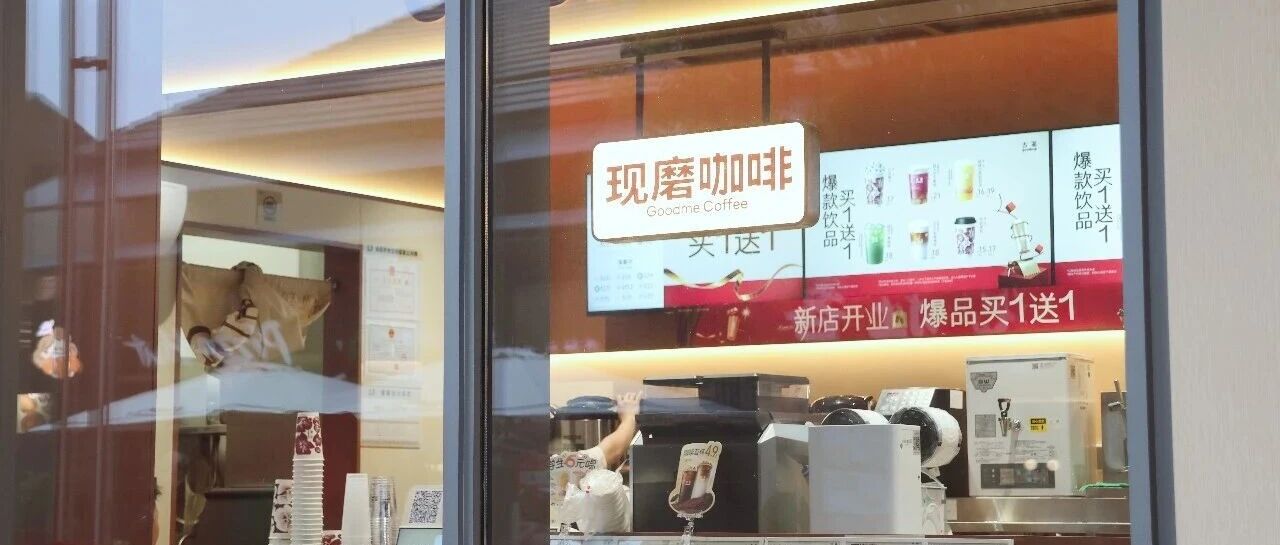
Group 1 - The core issue highlighted is a consumer rights violation incident involving a staff member of the tea brand "霸王茶姬" (Ba Wang Cha Ji), who was seen preparing drinks in an unsanitary manner, which sparked significant public outrage [3][5]. - The incident occurred when a staff member posted a video on social media showing them handling ingredients without gloves and mixing drinks with their hands, claiming it was a demonstration of "Indian milk tea" [3]. - Following the incident, Ba Wang Cha Ji announced an indefinite suspension of the involved store for rectification, terminated the staff member, and demoted the store manager and regional supervisor due to management failures [5]. Group 2 - Ba Wang Cha Ji is noted as the only new tea beverage company listed on the US stock market, founded by Zhang Junjie in 2017, who is recognized as the youngest self-made billionaire in China with a wealth of 8.5 billion yuan according to the 2026 Hurun Global Rich List [5]. - The incident emphasizes that innovative marketing strategies cannot replace the fundamental need for safe and hygienic products to ensure consumer loyalty [5].
创业板IPO第四套标准猜想
Bank of China Securities· 2026-03-10 13:57
Group 1 - The report highlights the potential introduction of a new listing standard for the ChiNext board, aimed at supporting the development of new industries, business models, and technologies, particularly in the new consumption and modern service sectors [2][4] - The proposed "fourth set" of standards may include two versions: one focusing on "market value + revenue + cash flow" for established consumer brands, and another on "market value + revenue + growth quality" for rapidly expanding new consumption enterprises [3][5] - The report suggests that if the new standards are implemented, it could significantly increase the feasibility for new consumption companies that previously opted for listings in Hong Kong to return to the A-share market, benefiting sectors such as new tea drinks, smart toys, and community retail [5] Group 2 - The current ChiNext listing standards are primarily geared towards companies with established profitability or revenue scale, which may not adequately accommodate emerging sectors like new tea drinks and pet economy [4] - The report emphasizes that the new standards would enhance the inclusivity of the ChiNext board, allowing for a broader range of innovative and high-quality entrepreneurial companies to list [4] - The report identifies specific companies in the Hong Kong market that could benefit from the new standards, including brands in the new tea drink sector and smart toy sector, indicating a strong demand for such assets in the capital market [5]
新茶饮的“最强春节档” 有门店业绩环比增超1500%
2 1 Shi Ji Jing Ji Bao Dao· 2026-02-27 08:39
Core Insights - The new tea beverage market experienced significant growth during the 2026 Spring Festival, driven by a combination of a 9-day holiday and increased consumer spending [1][6] - Major brands reported explosive sales increases, with some stores seeing sales growth of over 130% year-on-year and certain locations achieving up to 790% growth compared to pre-holiday levels [1][2] Group 1: Sales Performance - Jasmine Milk White's nationwide store GMV increased by over 130%, with some stores achieving a 790% increase in sales compared to the period before the holiday [1] - Sweet Lala reported some stores with over 1500% growth, and over 800% growth in more than a thousand rural stores [1] - Popular tourist cities like Chongqing, Chengdu, and Shanghai led in sales, with brands like Bawang Tea Ji and Jasmine Milk White performing exceptionally well [2] Group 2: Consumer Behavior - Consumers indulged more during the holiday, with reports of daily purchases of tea beverages, indicating a shift in spending habits during festive periods [1] - The influx of tourists, including international visitors, contributed to increased sales, particularly in scenic areas and transportation hubs [2][3] Group 3: Operational Strategies - Many brands adopted a "24-hour operation" strategy during the holiday, which significantly boosted sales, especially during late-night hours [3][4] - Brands prepared extensively for the holiday by hiring additional staff and stocking up on inventory to meet the increased demand [5] Group 4: Marketing and Promotions - Brands implemented various marketing strategies, including festive decorations and themed packaging, to enhance the holiday shopping experience [6] - The strong performance during the Spring Festival highlighted the robust growth potential of the new tea beverage industry, particularly in lower-tier markets and during peak consumption periods [6]
新茶饮的“最强春节档”
2 1 Shi Ji Jing Ji Bao Dao· 2026-02-27 00:34
Core Insights - The new tea beverage market experienced explosive growth during the 2026 Spring Festival, driven by a record 9-day holiday and increased consumer spending [1][2] - Brands like Jasmine Milk White and Sweet Lala reported significant sales increases, with some stores seeing sales growth of over 1500% compared to pre-holiday levels [1][2] Group 1: Market Performance - Jasmine Milk White's nationwide store GMV increased by over 130%, with some locations experiencing a 790% increase in sales compared to the previous period [1] - Sweet Lala's performance was remarkable, with certain stores achieving over 1500% growth and over 800% growth in rural locations [1][2] - Popular tourist cities such as Chongqing, Chengdu, and Shanghai led in sales, with brands like Bawang Tea Princess also performing strongly [2] Group 2: Consumer Behavior - Consumers indulged more during the holiday, with reports of daily purchases of tea beverages, reflecting a shift in spending habits during the festive season [1] - The influx of tourists, including international visitors, contributed to increased sales, particularly in scenic areas and transportation hubs [2][3] Group 3: Operational Strategies - Many stores operated 24/7 during the holiday, leading to increased sales, especially during nighttime hours, with peak orders reaching 300-400 cups per hour [3][4] - Brands prepared extensively for the holiday, with significant inventory investments to avoid stock shortages, ensuring a steady supply to meet demand [5][6] Group 4: Marketing and Promotions - Brands implemented various marketing strategies, including festive decorations and themed packaging, to enhance the holiday shopping experience [6] - The strong performance during the Spring Festival highlighted the potential for growth in the new tea beverage sector, particularly in lower-tier markets and through nighttime sales [6]
新茶饮的“最强春节档” 丨咖啡茶饮龙门阵
2 1 Shi Ji Jing Ji Bao Dao· 2026-02-27 00:29
Core Insights - The new tea beverage market experienced significant growth during the 2026 Spring Festival, driven by a combination of a long holiday and increased consumer spending [1][6] - Brands such as Jasmine Milk White and Sweet Lala reported explosive sales increases, with some stores seeing sales growth of over 1500% compared to pre-holiday levels [1][2] Group 1: Sales Performance - Jasmine Milk White's nationwide store GMV increased by over 130% year-on-year, with some stores experiencing a 790% increase compared to the pre-holiday period, selling nearly 10 million cups of tea [1] - Sweet Lala reported that some stores saw a 1500% increase in sales, with over 800% growth in rural stores [1][2] - The performance of tea brands was particularly strong in major tourist cities, with sales in Chongqing, Chengdu, Shanghai, Beijing, and Hangzhou leading the market [2] Group 2: Consumer Behavior - Consumers indulged more during the holiday, with reports of daily purchases of tea beverages, reflecting a shift in spending habits during the festive season [1] - The influx of tourists, including international visitors, contributed to increased sales, with some stores reporting daily sales tripling compared to normal [2][3] Group 3: Operational Strategies - Many stores operated 24 hours during the holiday, leading to significant increases in nighttime orders, with peak hours seeing up to 400 orders per hour [3] - Brands prepared extensively for the holiday, with significant stockpiling to avoid shortages, and implemented flexible strategies to manage high demand [5][6] Group 4: Marketing and Promotions - Brands engaged in various marketing activities to enhance the festive atmosphere, including customized packaging and promotional displays [6] - The strong performance during the Spring Festival highlighted the robust growth potential of the new tea beverage industry, particularly in lower-tier markets and tourist areas [6]
2.6亿Z世代登场:消费正式从“功能时代”进入“情绪时代”
Sou Hu Cai Jing· 2026-02-25 04:27
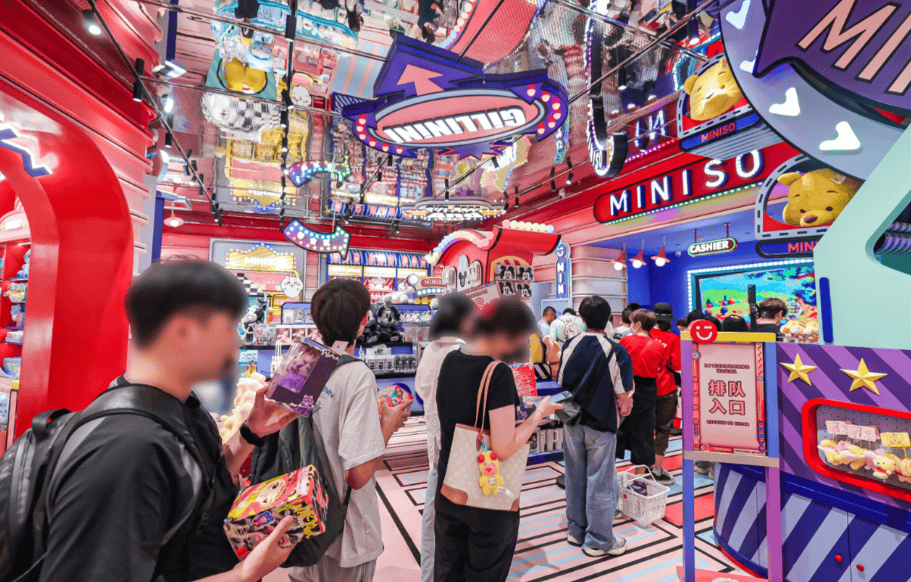
Group 1 - The core consumer group in China is shifting from a focus on product functionality to emotional experiences, identity expression, and social value, primarily driven by Generation Z [1][4] - Generation Z, born between 1995 and 2010, comprises approximately 260 million individuals with an annual consumption capacity exceeding 5 trillion yuan, expected to become the dominant force in the consumer market over the next decade [1][4] - In various industries, such as the trendy toy sector, over 70% of core users are aged 18-30, indicating a shift towards purchasing for surprise, participation, and social discussion rather than just the product itself [1][4] Group 2 - The logic of consumption is changing, with "liking" replacing "value for money" as the primary decision-making factor among young consumers [3][4] - The traditional purchasing decision sequence of functionality, price, and brand is now often reversed to prioritize emotional connection, recognition, and then functionality [3][4] - The emotional consumption market in China is nearing a scale of 2 trillion yuan, encompassing industries like trendy toys, pets, experiential consumption, and content entertainment, where emotional clarity is more significant than functional scarcity [4][6] Group 3 - The rise of emotional consumption among Generation Z is attributed to three structural reasons: the transition to higher-level needs after material abundance, the amplification of emotional value through social media, and the increased demand for identity expression [6][8][10] - As basic functional needs are met, consumers are seeking emotional fulfillment, aligning with Maslow's hierarchy of needs [6][7] - Social media has made "shareability" a key product value, with many purchases driven by the desire to present appealing content on platforms [8][10] Group 4 - Companies are rethinking their product logic, moving from a focus solely on functionality to incorporating emotions and social aspects into their offerings [14][17] - Brands are increasingly transforming products into content, designing them with an emphasis on storytelling and visual appeal [14][15] - Retail spaces are evolving from mere sales points to experiential environments, encouraging consumer participation rather than just transactions [15][16] Group 5 - The emotional competition era has arrived, where traditional metrics like better materials or lower prices are no longer sufficient for brand differentiation [17][20] - Brands lacking emotional expression risk becoming interchangeable commodities, as consumers may forget quality products that do not resonate emotionally [17][20] - Future competition in the consumer market will hinge on three capabilities: understanding emotions, creating emotional connections in products, and amplifying those emotions for consumer sharing [18][19][20]