资本让利

Search documents
中金 | 选举的另一面:行政干预、资本让利与政策风险
Sou Hu Cai Jing· 2026-01-20 23:57
Core Insights - The 2026 midterm elections are crucial for Trump and the Republican Party, with a focus on affordability issues due to high prices, interest rates, and housing costs [1][3][5] - Voter sentiment is shifting towards immediate economic pressures rather than traditional growth metrics, indicating a need for policy responses that address affordability [2][5] Economic Context - High inflation has persistently affected low- and middle-income households, particularly in housing, where affordability has significantly declined since 2022 [1][10] - The rising mortgage rates, which increased from approximately 3% in 2021 to around 6% currently, have exacerbated housing affordability issues [10][14] - Consumer debt pressures are also rising, with significant increases in overdue payments on credit cards, auto loans, and student loans [11][15] Policy Implications - As affordability becomes a central policy goal, there is a shift towards more direct interventions in pricing, interest rates, and corporate behavior [20][21] - Recent actions by Trump include proposals to limit credit card interest rates to 10% and push for legislative measures to prevent large institutional investors from buying single-family homes [21][22] - The administration's focus on affordability may lead to more aggressive policies that could disrupt markets, as seen in historical precedents [29][27] Market Reactions - The market's perception of election-year policies is cautious, with concerns that aggressive affordability measures could lead to volatility in asset prices [2][29] - Sectors with strong pricing power and high profit margins may face increased policy risks as the narrative shifts towards wealth redistribution [29][30] - Conversely, cost-benefit industries may become more favorable for investment as they align with the affordability focus [30]

中金 | 选举的另一面:行政干预、资本让利与政策风险
中金点睛· 2026-01-20 23:37
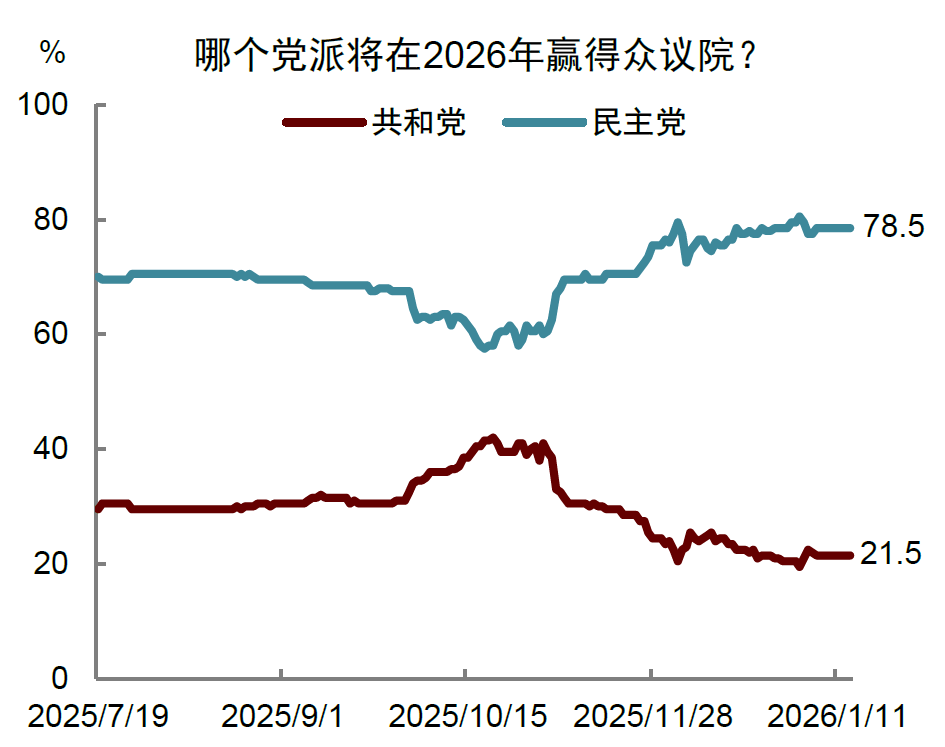
Core Viewpoint - The 2026 midterm elections are crucial for Trump and the Republican Party, with affordability becoming the central issue for voters, overshadowing traditional economic growth metrics [2][5][7]. Group 1: Political Context - The Republican Party holds a slim majority in the House of Representatives, and losing it could lead to a divided government, limiting Trump's ability to implement policies [5][6]. - Historical trends indicate that the party of the sitting president often loses seats in midterm elections, increasing the risk of impeachment for Trump if the Republicans fail [6][7]. Group 2: Affordability Crisis - High inflation has significantly impacted middle and low-income households, particularly in housing, where affordability has sharply declined since 2022 [2][12]. - The median income required to afford a typical home has increased by 43% compared to the median household income, exacerbated by rising mortgage rates [12][14]. - The burden of debt repayment is rising, with delinquency rates on credit cards and loans nearing previous highs, indicating increased financial stress among households [13][18]. Group 3: Policy Implications - As affordability becomes a primary goal, policy measures may shift towards more direct interventions in pricing and corporate behavior, moving away from traditional macroeconomic policies [3][22]. - Recent actions by Trump include proposals to limit credit card interest rates and push for legislative changes in housing, reflecting a focus on alleviating cost pressures for voters [24][25]. Group 4: Market Impact - The focus on affordability may limit the expansion of index valuations and increase market volatility, as the government prioritizes voter concerns over asset price growth [32]. - Sectors with strong pricing power and high profit margins may face increased policy risks, while cost-benefit industries could become more favorable for investment [32][33]. - Historical examples suggest that aggressive policy interventions can lead to market disruptions, as seen in the 1970s, raising caution among investors regarding potential policy risks [30][31].