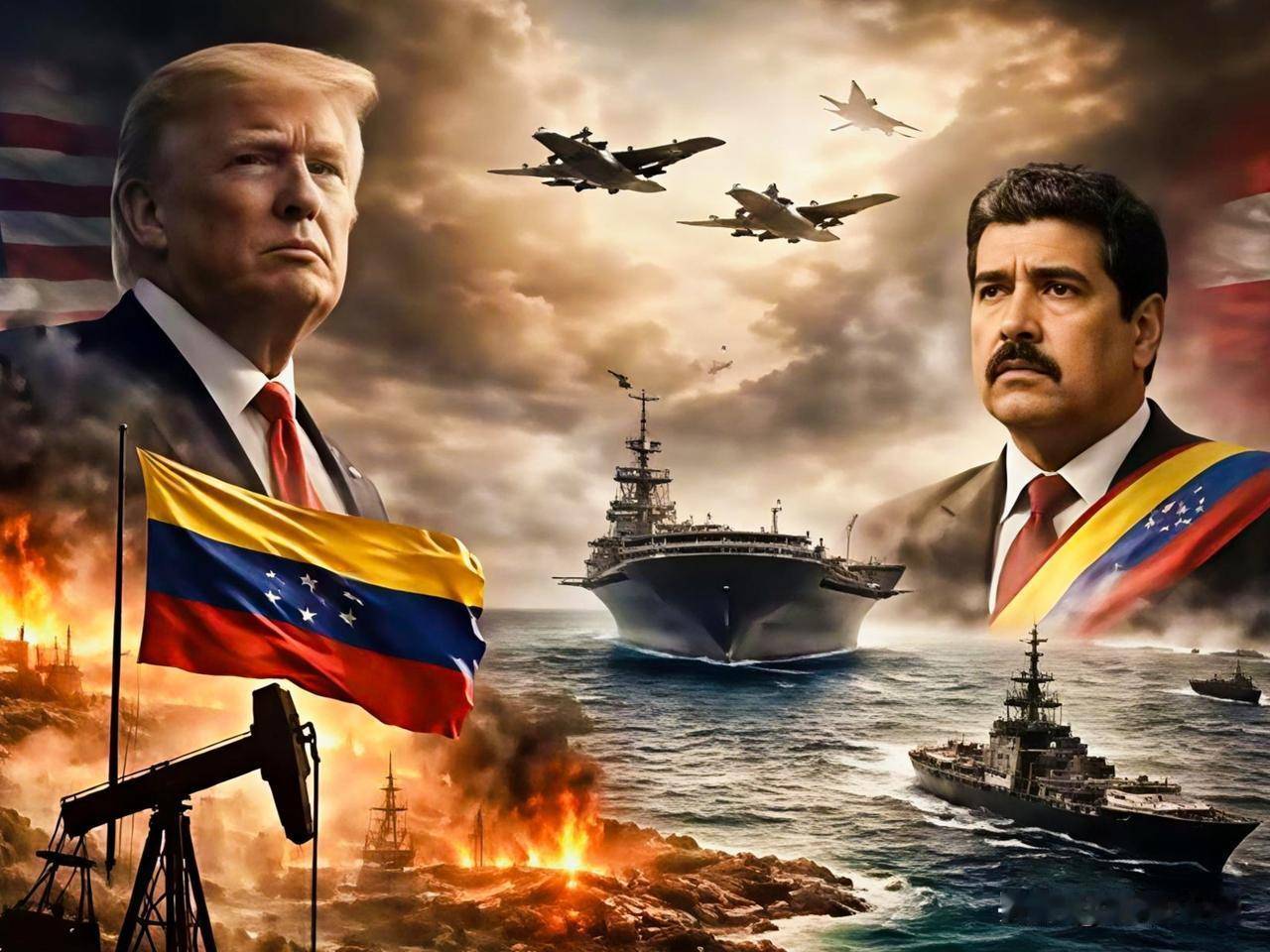
委内瑞拉石油

Search documents
美国出手 5 亿美元委国石油,买家浮出水面,印度再度谋求低价购入
Sou Hu Cai Jing· 2026-02-24 14:19
Core Insights - The U.S. has completed the first batch of $500 million worth of oil sales from Venezuela and plans to continue with more transactions, which raises international controversy regarding the control and disposal of Venezuelan resources [1][3] Group 1: U.S. Actions and Implications - The oil sold is likely from the millions of barrels of sanctioned oil that the Trump administration requested Venezuela to hand over, as well as cargoes previously seized by the U.S. [1] - The U.S. has engaged major commodity traders, Tok and Vitol, to assist in the sales, offering discounted prices to expedite shipments [1] - The primary customers for these sales are expected to be in Asia and Europe, with China and India being the most likely buyers [1][3] Group 2: Indian Involvement - India is actively negotiating to purchase Venezuelan oil at a discount of $8 to $8.5 per barrel compared to Brent crude, with several Indian oil companies evaluating the opportunity [3] - India's strategy aligns with its previous actions of capitalizing on discounted Russian oil following the Ukraine conflict, fulfilling its energy needs while also exporting surplus [3] - However, the U.S. Energy Secretary has indicated plans to increase the price of Venezuelan oil by approximately 30%, complicating India's potential profit margins [3] Group 3: Chinese Position - The U.S. is also encouraging China to participate in the procurement of Venezuelan oil, with traders having approached China National Petroleum [3] - However, China's response remains uncertain, as it opposes U.S. resource control tactics and has interests in maintaining its own contracts with Venezuela [3] Group 4: Market Risks - The forced resale of Venezuelan oil could disrupt international oil prices and negatively impact U.S. domestic oil companies, leading to emerging opposition to these actions [4] - The situation presents a complex challenge for the U.S., as the oil is becoming a contentious issue [4]

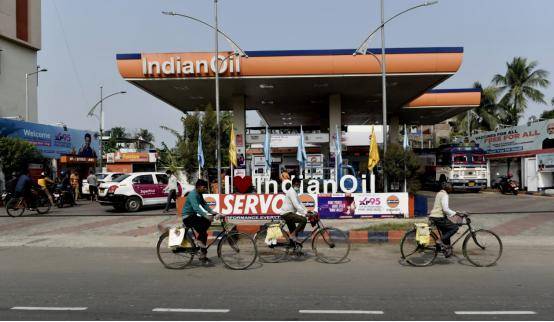
美求中方接手委内瑞拉石油,自家巨头却集体摇头,背后全是坑?
Sou Hu Cai Jing· 2026-02-15 06:11
Group 1 - The article discusses a significant shift in the international energy landscape, particularly regarding the U.S. approach to Venezuela's oil, which has seen the U.S. unexpectedly extend an olive branch to China [1][4] - The U.S. claims that China has agreed to purchase Venezuelan oil, facilitated by secret high-level discussions between the two nations [3] - Historically, U.S. reactions to Chinese involvement in Latin America have been defensive, but the current situation marks a complete turnaround, inviting China into what was once considered a U.S. sphere of influence [4] Group 2 - The Venezuelan oil in question is characterized as heavy crude, which is difficult and costly to extract, requiring significant investment and facing high political uncertainty [6][10] - U.S. oil giants have previously rejected the opportunity to invest in Venezuelan oil, indicating a lack of confidence in the asset's viability [8] - The U.S. is attempting to shift the burden of Venezuelan oil management onto China, creating a false narrative of high demand for Venezuelan oil to entice American capital back into the market [12] Group 3 - China's response to U.S. overtures has been notably cool, suggesting skepticism about the viability of the investment and the risks involved [13] - The U.S. government's motivations may be tied to domestic political pressures, as officials seek to create a diplomatic success ahead of upcoming elections [14][16] - The article concludes that the U.S. strategy to offload the Venezuelan oil situation onto China is unlikely to succeed, as China is not inclined to take on a potentially disastrous investment [16]
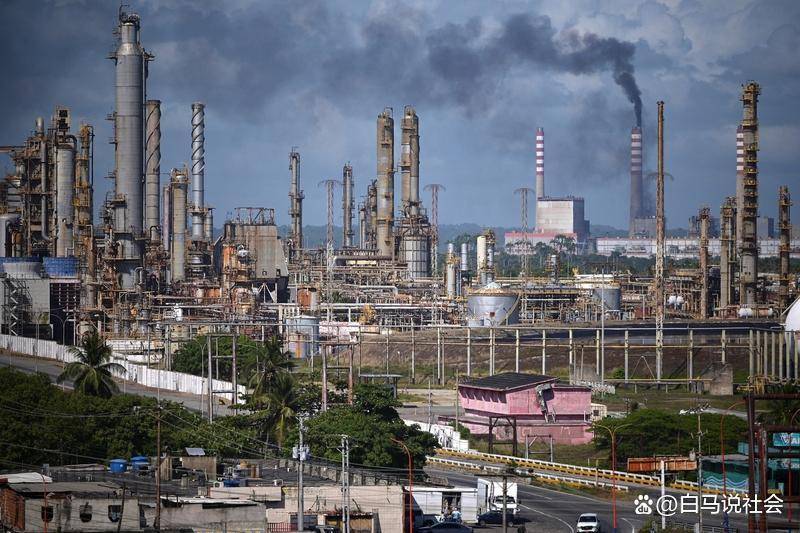
美国能源部宣布,中方从我们手里买了委石油,中方回应
Sou Hu Cai Jing· 2026-02-15 04:34
Group 1 - The core point of the article revolves around the unexpected announcement by the U.S. Department of Energy that China has agreed to purchase Venezuelan oil, despite previous efforts to limit Chinese investment in Latin America [1][12] - Venezuela's oil is characterized as extra-heavy crude, which is difficult and costly to extract and refine, complicating the investment landscape [3][5] - The U.S. is facing a dilemma as domestic companies are reluctant to invest in Venezuela due to political uncertainty and the long investment return cycle, leading to a reliance on foreign capital, particularly from China [10][30] Group 2 - The U.S. aims to create the impression that China is already committed to purchasing Venezuelan oil to encourage domestic investment in the energy sector, despite the lack of formal agreements [17][19] - China's response to the U.S. announcement was measured and cautious, indicating a reluctance to be drawn into U.S. narratives without a solid basis for cooperation [21][23] - The article suggests that the ongoing interactions between the U.S. and China regarding Venezuelan oil are part of a broader geopolitical strategy, with China maintaining a focus on its own interests and the need for genuine cooperation [30][31]
委内瑞拉殖民时代开始?特朗普亲自带货,向印度推销委石油
Sou Hu Cai Jing· 2026-02-14 09:43
Core Viewpoint - Venezuela's oil has become a contentious asset in the international energy market, with the U.S. exerting control over its resources while facing challenges in selling the imported oil domestically [1][3]. Group 1: U.S. Control Over Venezuelan Oil - The U.S. has systematically monopolized Venezuelan oil through strategies affecting logistics, sales, and production since late 2025, including requiring U.S. approval for oil exports [3]. - Following the capture of Maduro, the U.S. has enforced a blockade that has cut off Venezuela's independent transportation channels, leading to a situation where oil sales revenue is controlled by the U.S. [3]. - Venezuela's oil industry has been opened to Western private capital through the Oil and Gas Reform Act, effectively making it an economic dependency of the U.S. [3]. Group 2: Challenges in Oil Sales - After a $20 billion supply agreement, Venezuelan oil exports to the U.S. surged nearly threefold to 284,000 barrels per day, but U.S. refiners reported an inability to process the influx [5]. - The U.S. has become a leading oil producer, reducing its need for foreign oil, which has led to a surplus of Venezuelan oil that cannot be absorbed by the market [6]. - Venezuelan heavy crude oil is less competitive compared to Canadian oil, making it less attractive to refiners who prefer cheaper alternatives [6]. Group 3: International Implications and Strategies - The U.S. is attempting to sell Venezuelan oil to India as a solution to its domestic surplus, with Trump negotiating reduced tariffs in exchange for India ceasing purchases of Russian oil [10]. - Despite promises of revenue sharing, the majority of the proceeds from Venezuelan oil sales are controlled by the U.S., leaving Venezuela with minimal financial benefits [10]. - The situation highlights the contradictions of U.S. resource control, where forcibly acquired resources ultimately face market realities, raising concerns for resource-rich nations about the loss of control over their assets [10].
美高官连夜抵京,中方高抬贵手?美能源部宣布:中方同意购买委油
Sou Hu Cai Jing· 2026-02-14 06:29
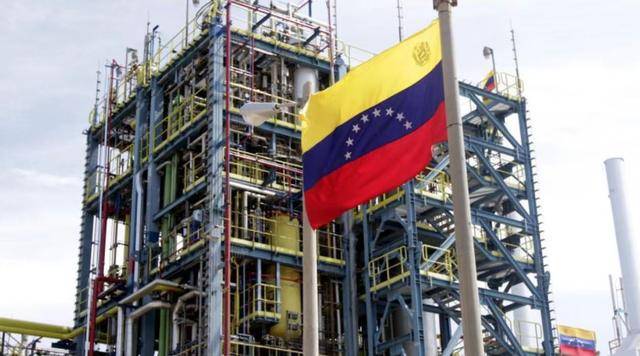
Group 1 - The U.S. Department of Energy announced that China agreed to purchase Venezuelan oil controlled by the U.S., which was met with a dismissive response from the Chinese Foreign Ministry stating they were "unaware of the situation" [1][3][16] - The U.S. is eager to involve China in this deal despite being the largest oil producer and controlling Venezuela's oil, indicating a significant underlying issue [5][12] - The quality of Venezuelan oil is problematic, as it is primarily high-sulfur heavy crude, which U.S. refineries are not equipped to process without significant investment and time [7][9][11] Group 2 - The U.S. faces a financial burden due to the need for substantial investment to restore Venezuelan oil production infrastructure, which has deteriorated due to sanctions [11][12] - The U.S. is attempting to create a narrative that Venezuelan oil exports are normalizing to attract international capital and pressure China into recognizing U.S. control over Venezuelan oil [14][20] - China's refusal to acknowledge the U.S. claim is rooted in legal principles, asserting that Venezuela's oil resources belong to its government, not the U.S. [18][20] Group 3 - The U.S. strategy appears to be an attempt to politicize and weaponize energy supplies, similar to its actions in Europe regarding Russian energy [22][23] - The U.S. misjudges China's energy strategy, as China has diversified its energy imports and is reducing reliance on traditional fossil fuels [25][27] - Recent high-level U.S. visits to Beijing indicate increased diplomatic engagement, but the U.S. continues to pursue unilateral actions in energy, which China is unlikely to accept [29][31] Group 4 - The U.S. underestimated the complexities of controlling oil fields and the associated costs, leading to a situation where they struggle to find buyers for Venezuelan oil [33]

特朗普政府宣布,中方同意购买委石油!美百般请求,中美高层密谈
Sou Hu Cai Jing· 2026-02-13 11:56
Core Viewpoint - The U.S. government has unexpectedly shifted its stance on Venezuelan oil, actively encouraging China to purchase it, which marks a significant change in the international energy landscape [1][3][35]. Group 1: U.S. Strategy and Venezuelan Oil - The U.S. has publicly claimed that China is involved in purchasing Venezuelan oil, suggesting it is granting Chinese capital access to the Venezuelan oil industry [5][27]. - The U.S. is attempting to portray Venezuelan oil assets as attractive, despite them being largely rejected by American capitalists due to their poor quality and high extraction costs [9][24]. - The shift in U.S. policy is driven by the need for a diplomatic achievement ahead of the upcoming elections, as the Trump administration seeks to present a success story to voters [34][42]. Group 2: Challenges of Venezuelan Oil - Venezuelan oil is characterized as heavy, high-sulfur crude that is difficult and costly to extract, requiring advanced technology and significant investment [11][13]. - The political instability in Venezuela has led to a decline in oil production, making it challenging to restart operations without substantial financial input [15][19]. - The U.S. oil giants have collectively refused to take on the Venezuelan oil assets, recognizing the long-term risks and uncertain returns associated with such investments [22][32]. Group 3: China's Position - China has responded coolly to U.S. overtures regarding Venezuelan oil, indicating a lack of interest in taking on the associated risks [27][29]. - The U.S. strategy appears to be an attempt to manipulate the situation to create a perception of demand for Venezuelan oil, hoping to entice American investors back into the market [25][40]. - The notion that China would accept the Venezuelan oil deal is seen as unrealistic, given the high risks and the current geopolitical context [38][42].

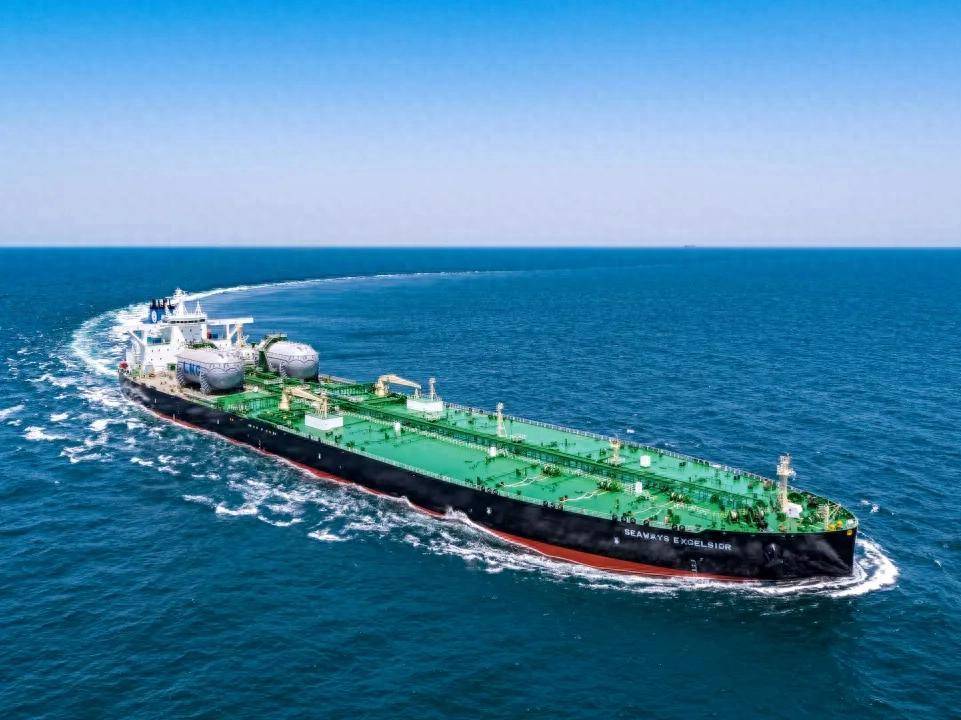
美松绑中委石油贸易:中国可购委油,但采购价将大幅上调
Sou Hu Cai Jing· 2026-02-12 19:39
Core Viewpoint - The recent adjustment in U.S. policy regarding Venezuelan oil has significant implications for China's oil procurement and the overall energy market dynamics. Group 1: U.S. Policy Changes - The Trump administration's actions in January 2026 led to the U.S. taking control of Venezuelan oil exports, impacting the pricing structure for oil sales [1][5]. - Venezuelan oil prices have increased to $45 per barrel, requiring China to purchase oil at market rates rather than the previously low prices [5][10]. Group 2: Impact on China - China was the largest buyer of Venezuelan oil during Maduro's presidency, importing approximately 746,000 barrels per day, which constituted 80% of Venezuela's total exports [3][8]. - The increase in oil prices by $14 per barrel will significantly raise China's procurement costs, potentially leading to a shift in sourcing from Venezuela to other suppliers like Iran or Russia [10]. Group 3: Trade Dynamics - Major trading companies have begun operations under the new pricing regime, with initial sales of 11 million barrels, valued at $2 billion, primarily directed towards U.S. refineries [7]. - Analysts predict that China's imports from Venezuela could drop to 166,000 barrels per day by 2026, a 74% decrease from the 2025 average [10]. Group 4: Debt and Geopolitical Implications - Venezuela's external debt stands at $150 billion, with approximately 10% owed to China, complicating the debt repayment landscape under the new U.S. control of oil sales [8].
特朗普签令取消印度关税,普京主动降价促销,中方趁势大量进口俄油
Sou Hu Cai Jing· 2026-02-10 07:51
Core Viewpoint - The U.S. aims to leverage trade policies to influence geopolitical dynamics, particularly by pressuring India to reduce its reliance on Russian oil, but India is likely to maintain its oil imports due to economic considerations [1][2][9]. Group 1: U.S. Trade Policy and India's Response - The U.S. has issued an executive order to eliminate a 25% additional tariff on Indian goods, contingent on India ceasing its purchases of Russian oil [1]. - India expresses gratitude for the tariff reduction but remains silent on the commitment to stop buying Russian oil, indicating a reluctance to sever ties with a crucial energy source [1][4]. - The Indian refining sector's dependency on Russian oil is deeply embedded, with several major refineries relying on it for cost-effective operations [1][6]. Group 2: Challenges of Alternative Oil Sources - The U.S. proposed Venezuelan oil as an alternative to Russian oil, but logistical challenges, high costs, and compatibility issues with existing refining infrastructure make it an impractical substitute [1][6]. - India's commitment to "reduce purchases" of Russian oil is likely a strategic maneuver to gain tariff benefits rather than a genuine shift away from Russian oil [1][4]. Group 3: Russia's Pricing Strategy - In response to potential declines in Indian demand, Russia has significantly reduced its oil prices, with discounts reaching nearly $9 per barrel against Brent crude, aiming to stabilize its market share, particularly in China [1][10]. - China's demand for Russian oil has surged, with record imports reported, as Chinese refiners capitalize on the low prices, enhancing their profit margins [1][10][14]. Group 4: Market Dynamics and Energy Security - The energy market operates on economic principles rather than political pressures, with companies prioritizing cost and reliability over geopolitical considerations [2][14]. - Both India and China are strategically maintaining diverse procurement channels to ensure energy security, avoiding over-reliance on any single source [11][14]. - The ongoing dynamics illustrate that energy trade is fundamentally a business transaction, where price and supply stability dictate purchasing decisions [10][14].
特朗普对华推销委内瑞拉石油,中国就是不买选择在商言商
Sou Hu Cai Jing· 2026-02-09 03:17
Core Viewpoint - The U.S. government has gained control over Venezuelan oil sales, leading China's major state-owned oil trading companies to halt new purchases due to reduced profitability and increased legal risks associated with U.S. sanctions [1][3][10]. Group 1: Market Dynamics - The discount on Venezuelan crude oil has sharply decreased from $15 per barrel in December last year to about $5, making it less attractive for Chinese buyers [1][7]. - The previous model of oil-for-loans between China and Venezuela has been undermined by U.S. intervention, which has increased the political and financial risks associated with these transactions [3][12]. Group 2: Implications for U.S. Companies - The decision by China to stop purchasing Venezuelan oil represents a significant setback for U.S. companies that were expected to take over Venezuelan oil sales [5][12]. - U.S. attempts to control Venezuelan resources through military and hegemonic means have disrupted global supply chain predictability and stability, leading to market backlash [5][12]. Group 3: China's Strategic Shift - China's cessation of Venezuelan oil imports is a rational business decision, as the previous high-risk, high-reward nature of these transactions has shifted to a low-reward scenario with increased political risks [7][12]. - In response to the halt in Venezuelan oil purchases, China is increasing imports from Russia and Iran, where oil is offered at more attractive discounts, indicating a strategic pivot to more reliable sources [12]. Group 4: Broader Economic Context - The U.S. sanctions have not only destabilized the trading environment but have also rendered the economic feasibility of such policies questionable, leading to a situation where the U.S. may face significant losses [12]. - The situation highlights a structural conflict between arbitrary political power and the need for stability in the global production system, challenging the notion that hegemony can maintain global trade stability [12].
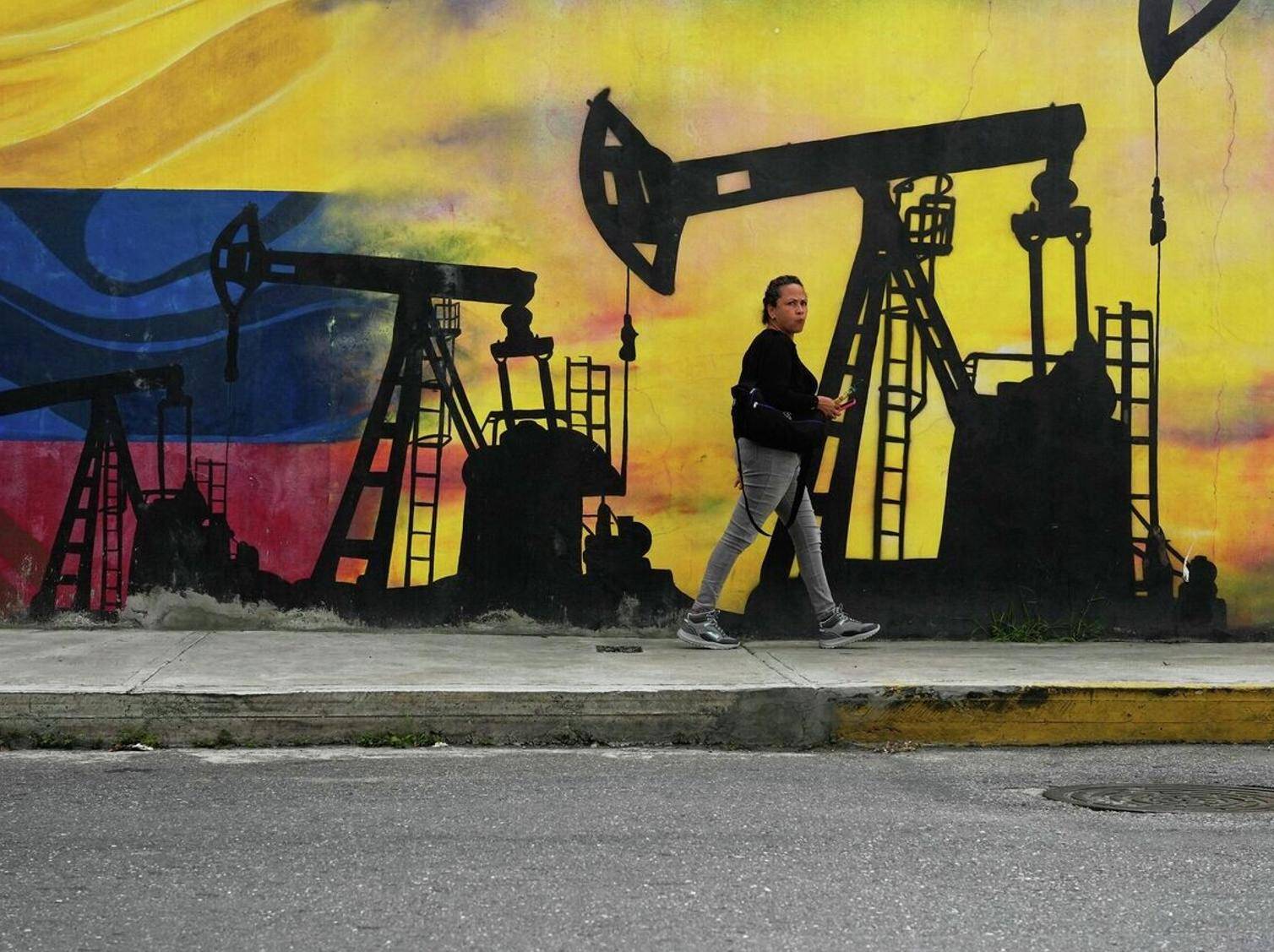
委内瑞拉现在成了美国的累赘,美国现在如愿以偿地得到了委内瑞拉的石油
Sou Hu Cai Jing· 2026-02-08 06:07
Group 1 - Venezuela has become a burden for the United States, which has gained access to its oil but faces challenges in selling and refining it [2] - The U.S. is now the sole distributor of Venezuelan oil, but its refineries lack the capacity to process the increased supply, leading to logistical issues [2] - In January, Venezuelan oil exports to the U.S. reached 284,000 barrels per day, a nearly threefold increase, but Chevron's refinery can only handle 150,000 barrels per day [2] Group 2 - China, once the largest buyer of Venezuelan oil, now accounts for only 0.07% of total imports, despite having the technology to process heavy oil [3] - Venezuelan oil production has plummeted from over 3 million barrels per day at its peak to less than 1 million barrels per day currently, with the Orinoco heavy oil belt producing only 410,000 barrels per day [3] - The cost of refining Venezuelan oil is high, ranging from $23 to $30 per barrel, and significant investment is needed to repair aging facilities, deterring international capital [3]