资源话语权

Search documents
中国管制白银,最大成果不是中国胜了, 而是美国再无手段控制中国
Sou Hu Cai Jing· 2026-02-06 00:12
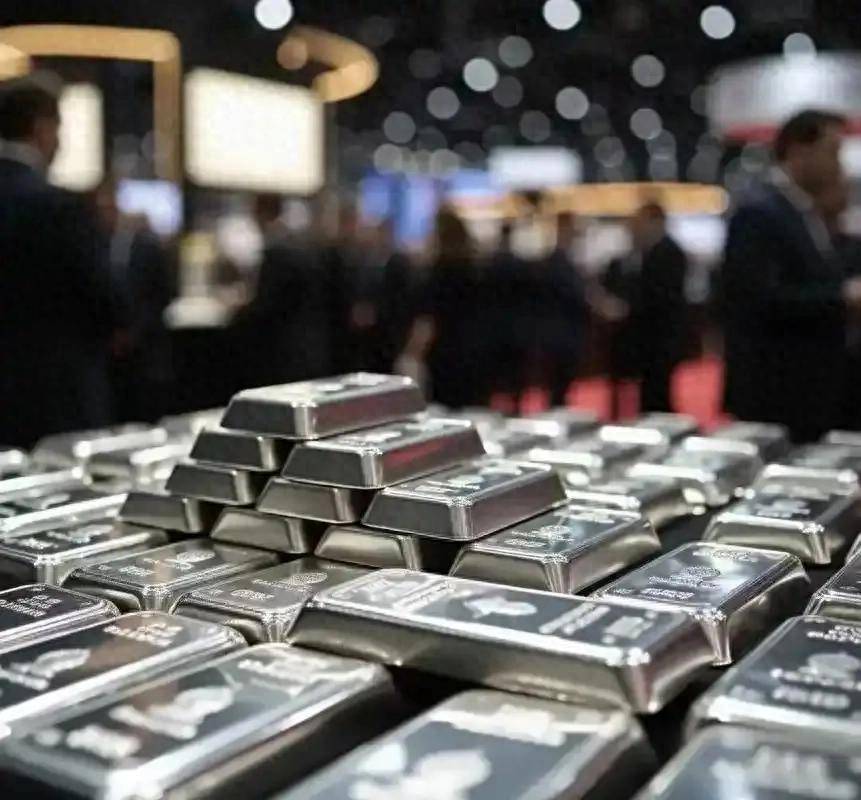
Core Viewpoint - The article discusses China's implementation of silver export controls as a strategic move to counteract U.S. attempts to dominate the global silver market and hinder China's industrial upgrades. This policy is seen as a significant shift in the global resource power dynamics, particularly in the context of high-demand industries such as photovoltaics and electric vehicles [1][3][29]. Group 1: China's Silver Export Controls - China has officially included silver in its state trade management list, enforcing strict export licensing regulations that will last until the end of 2027, effectively drawing a clear line in global silver trade [14][29]. - The new export management policy requires companies to meet specific criteria to apply for export qualifications, which will significantly reduce the volume of silver available for export [14][29]. - This control is aimed at ensuring that domestic industrial needs are prioritized, especially given that China consumes around 9,000 tons of silver annually while domestic production and recycling can only supply about 4,700 tons [16][33]. Group 2: U.S. Influence and Market Dynamics - The U.S. has historically leveraged its dominant position in global silver pricing and trading rules to manipulate silver prices, using financial instruments to create a disparity between physical silver supply and market demand [10][29]. - The U.S. has attempted to use silver as a tool to restrict China's industrial growth by driving up prices and creating supply shortages, particularly in critical sectors like photovoltaics and semiconductors [12][33]. - The article highlights that the U.S. strategy of using "paper silver" trading to influence prices is becoming ineffective as China redirects physical silver flows to meet its industrial demands [35]. Group 3: Industrial Demand for Silver - Silver is identified as a crucial resource for modern industries, with applications in photovoltaic cells, electric vehicle batteries, and semiconductor components, making it a foundational element for China's manufacturing sector [6][18]. - China's industrial silver consumption exceeds 90%, with the photovoltaic industry alone accounting for 35% of domestic silver usage, indicating a significant reliance on this metal for future technological advancements [6][18]. - The anticipated silver shortfall of approximately 4,769 tons in 2024 underscores the urgency of China's export controls to secure necessary resources for its high-tech industries [6][18]. Group 4: Strategic Long-term Planning - China's approach to silver export controls is characterized as a long-term strategy rather than a short-term fix, focusing on building a robust domestic supply chain to avoid future vulnerabilities [18][20]. - The strategy involves attracting global physical silver to fill domestic resource reserves while simultaneously restricting exports to ensure that domestic industrial needs are met first [20][33]. - The article suggests that this strategic positioning will ultimately undermine U.S. efforts to use silver as a geopolitical weapon against China, as the latter gains greater control over its supply chain [20][35].

美国卡住乙烷,中国却笑出声:这招太小觑了!
Sou Hu Cai Jing· 2025-06-10 06:04
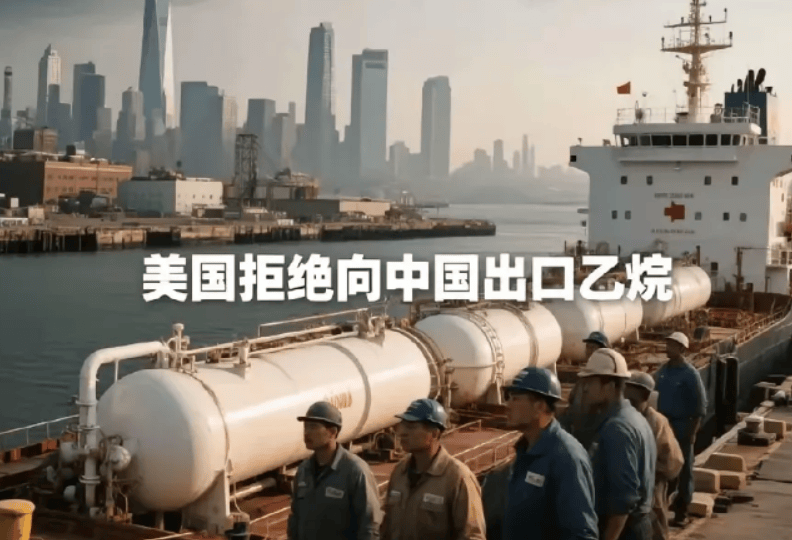
Core Viewpoint - The U.S. has restricted ethane exports to China as a retaliatory measure against China's rare earth controls, revealing deeper resource competition dynamics between the two nations [2][3] Group 1: Ethane's Importance and China's Response - Ethane is crucial for producing ethylene, which is essential for plastics, chemicals, and even missiles. China imports 5.53 million tons of ethane from the U.S. annually, accounting for nearly half of U.S. exports [2] - China has diversified its ethylene feedstock sources through various methods, including naphtha cracking, coal-to-olefins, and long-term contracts with Middle Eastern suppliers, effectively mitigating reliance on U.S. ethane [2] Group 2: Domestic Production and Technological Advancements - China is developing its own ethane production capabilities, with projects like PetroChina's 1.2 million ton facility in Ordos set to launch in 2028, utilizing proprietary technology that achieves a 5% higher yield than U.S. methods [3] - Other companies, such as Satellite Chemical and Wanhua Chemical, are also innovating in ethylene production, with significant cost reductions expected by 2030 [3] Group 3: U.S. Market Challenges - The U.S. ethane market is facing significant challenges, including plummeting prices, cash flow issues for shale gas producers, and rising storage costs, leading to environmental concerns [3] - U.S. exporters are struggling as China shifts its focus to Middle Eastern and Russian suppliers, leaving American companies in a vulnerable position [3] Group 4: Broader Implications of Resource Competition - The competition for resource control is fundamentally about power dynamics, with rare earths being vital for high-tech industries and ethane considered a secondary resource for industrial applications [3] - The U.S. strategy of using sanctions and export restrictions may backfire, as China has already established a comprehensive safety net across raw materials, technology, and market access [3]