资金池

Search documents
又一家老牌企业暴雷!百亿资产打水漂,十几万家庭亏得血本无归
Sou Hu Cai Jing· 2026-02-04 01:43
Core Viewpoint - The collapse of "Jie Wo Rui," a long-standing gold investment firm in Shenzhen's Shui Bei, has led to significant financial losses for investors, raising questions about the legitimacy of its operations and the risks associated with gold investment schemes [1]. Group 1: Company Background - "Jie Wo Rui" opened in 2014 in a prime location in Shenzhen and operated for over a decade, creating a perception of reliability among investors due to its visible presence and familiarity in the community [3]. - The stability of the physical store led many investors to believe in its credibility, but this did not guarantee compliance with regulations or the safety of their investments [4]. Group 2: Investment Model and Risks - The investment model shifted from direct transactions to a system where investors transferred money with the expectation of receiving gold later, increasing the risk of mismanagement [5][9]. - Regulatory warnings were issued prior to 2025 against gold investments lacking physical delivery and resembling a "funding pool," but many investors ignored these due to prevailing market optimism [5]. - The critical change in "Jie Wo Rui's" operations involved the weakening of third-party oversight, allowing funds to flow directly into the company's accounts, which blurred the lines between legitimate transactions and loans to the company [11]. Group 3: Market Dynamics and Investor Behavior - The investment scheme relied on continuous inflow of new funds to sustain itself, resembling a Ponzi scheme where later investors' money was used to pay earlier ones [15]. - A sudden demand for withdrawals triggered panic among investors, leading to a rush to cash out, which exacerbated the situation and spread fear of insolvency [18][21]. - The government intervention aimed to stabilize the situation by ensuring that key personnel remained in place, allowing for potential recovery of funds and accountability [25][27]. Group 4: Lessons Learned - The incident serves as a cautionary tale for investors, highlighting the dangers of investing in schemes where physical assets are not visible, and funds are directly managed by private entities [27].

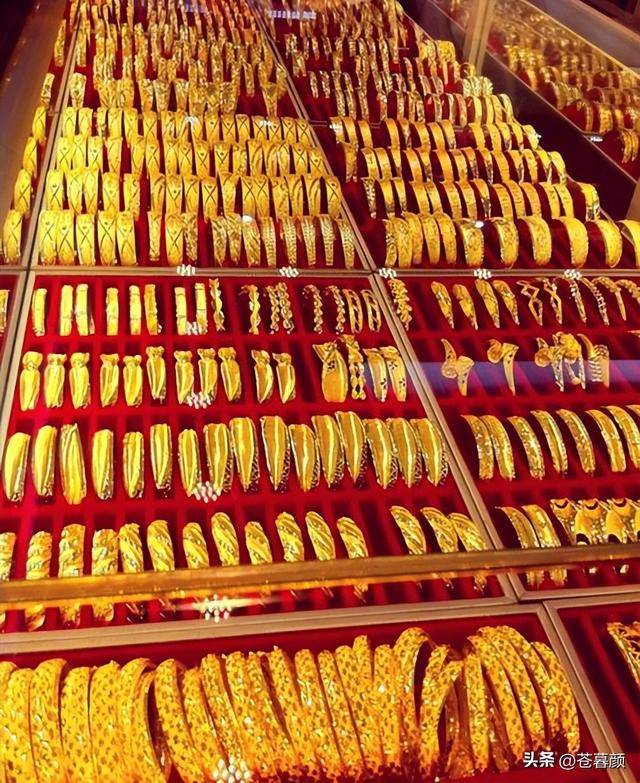
水贝黄金预定价平台“杰我睿”暴雷 记者现场调查
Sou Hu Cai Jing· 2026-01-28 09:53
Core Viewpoint - Shenzhen's Jie Wo Rui Jewelry Co., Ltd. is facing operational difficulties, leading to significant investor concerns and difficulties in cash withdrawals from its online platforms [1][3]. Group 1: Company Operations - The company has been reported to have operational anomalies, prompting the establishment of a task force to oversee the situation and ensure the company fulfills its responsibilities [1]. - As of January 28, the company's physical location is closed to the public, and the management is actively communicating with investors regarding asset management and repayment [3]. - The company announced a temporary limit on daily cash withdrawals, allowing only 1 gram of gold or equivalent cash of 500 yuan, with a proposed resolution timeframe of 7 to 15 days [3]. Group 2: Investor Impact - Many investors have reported being unable to withdraw funds since January 20, with some expressing frustration over the company's inability to honor cash withdrawals and gold retrievals [3][6]. - The proposed solutions for investors include accepting a significant discount on their principal for quicker payouts or a longer repayment plan at a reduced rate, excluding certain assets from the repayment [3][6]. - The platform's operations have attracted a wide range of investors, with reported amounts invested varying from tens of thousands to hundreds of thousands of yuan, affecting thousands of investors across multiple provinces [7]. Group 3: Business Model and Risks - The company has been accused of engaging in unlicensed futures trading under the guise of gold recovery and pricing services, creating a direct betting relationship between users and the platform [5][6]. - The lack of third-party oversight and the platform's control over user funds have raised concerns about the potential for significant financial losses if the platform ceases operations or mismanages funds [7]. - Initial estimates suggest that the financial impact of the company's operational issues could reach billions, with a substantial number of investors affected [7].
“稳赚不赔”神话崩塌!这家黄金现大规模兑付异常
第一财经· 2025-05-29 11:46
Core Viewpoint - The article discusses the risks associated with the investment practices of Yongkun Gold, highlighting the company's high promised returns and the subsequent inability of investors to withdraw their funds, indicating potential fraudulent activities [2][3][24]. Group 1: Investment Practices - Yongkun Gold attracted investors by offering annualized returns between 5% and 9% through gold storage and repurchase contracts [4][6]. - The company established a customer tiered return system, with higher returns for larger investments, promising returns that exceed typical gold investment yields [6][9]. - The online platform offered a "pre-order gold bar" product, which appeared to guarantee returns, allowing investors to either withdraw their principal or benefit from price increases [10][11]. Group 2: Financial Scale and Operations - Yongkun Gold has reportedly raised over 3.6 billion yuan through its pre-order gold bar sales, indicating a significant scale of operations [16]. - The company claims to have insured gold stored in a bank vault, with an insurance amount of approximately 857 million yuan and a total gold value exceeding 4.1 billion yuan [20][19]. Group 3: Regulatory and Legal Concerns - Yongkun Gold lacks the necessary qualifications to operate gold asset management services, which raises concerns about the legality of its investment practices [25][26]. - The company has been listed as operating abnormally by local authorities, indicating potential regulatory violations [25]. - Legal experts suggest that the company's practices may constitute illegal fundraising or disguised collective investment schemes, posing significant risks to investors [28][29].