珠宝销售

Search documents
“一刀穷,一刀富”?网络“赌石”下手需谨慎!
Yang Zi Wan Bao Wang· 2026-02-25 09:44
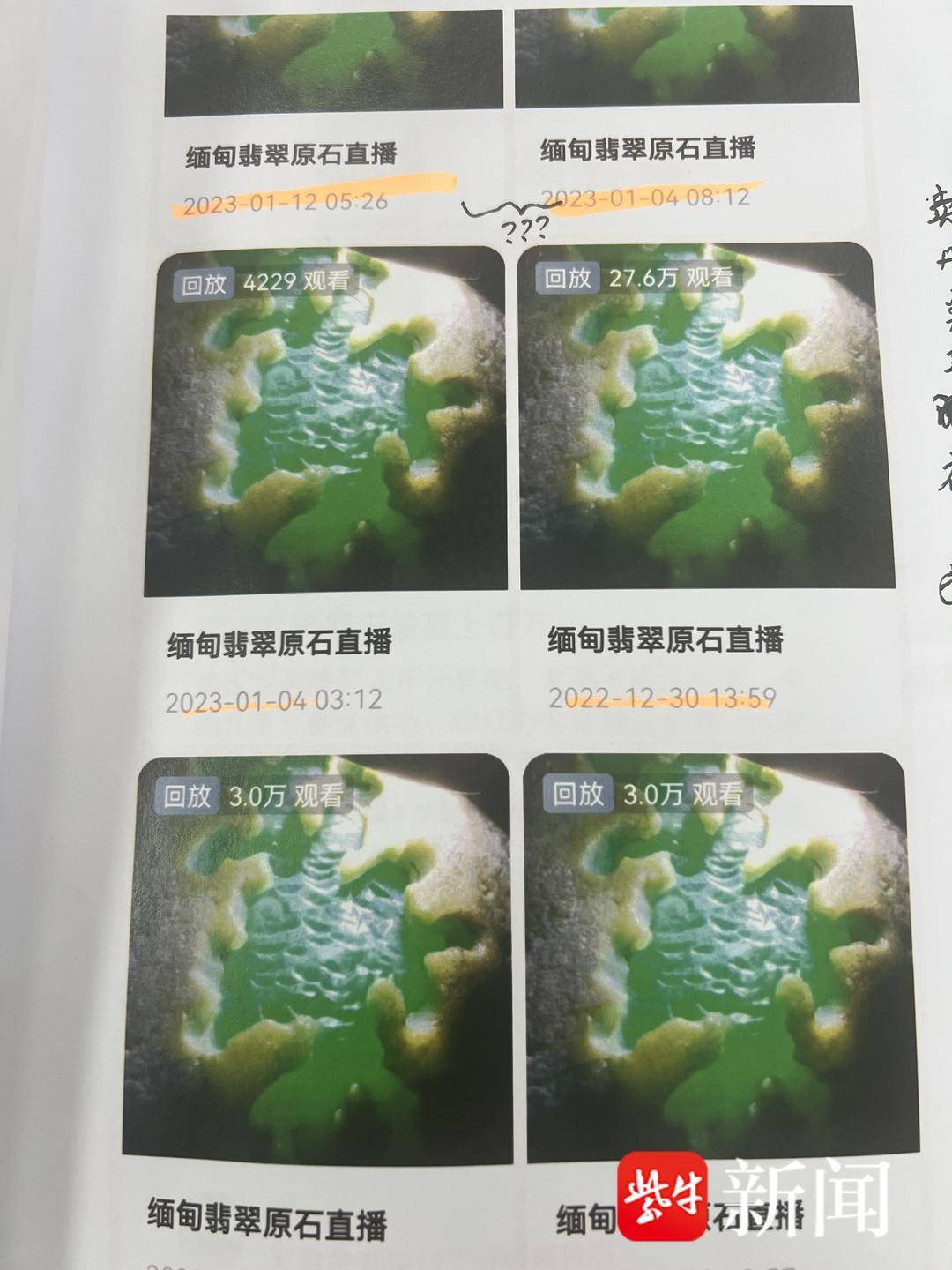
Core Viewpoint - The rise of online "gambling on stones" has attracted significant consumer attention, but the inherent uncertainty in the quality of the stones can lead to disputes, as highlighted by a recent court case in Wuxi [1]. Group 1: Case Summary - A Wuxi consumer, referred to as Xiao Sun, purchased two pieces of jadeite stones claimed to be "natural A-grade from Myanmar" for 19,800 yuan through a live-streaming platform [3]. - The seller, Dazhong Company, provided a purchase declaration stating the unpredictability of the stone's internal composition and that returns would not be accepted after cutting [3]. - After cutting, Xiao Sun was dissatisfied with the results and claimed fraud, arguing that the seller could not prove the origin of the stones and that the delivered stones did not match the ones shown in the live stream [3]. Group 2: Court Ruling - The Wuxi court found that Dazhong Company provided sufficient documentation to prove the sourcing of the stones and noted that the risks associated with "gambling on stones" are higher than those of ordinary goods [5]. - The court ruled that since the seller had clearly communicated the risks and Xiao Sun had voluntarily confirmed the cutting, he bore the responsibility for the outcome [5]. - The judgment emphasized the importance of respecting transaction rules and encouraged consumers to assess risks carefully when engaging in such specialized transactions [6].

黄金“受宠” 钻石“遇冷”
Xin Lang Cai Jing· 2026-02-08 21:39
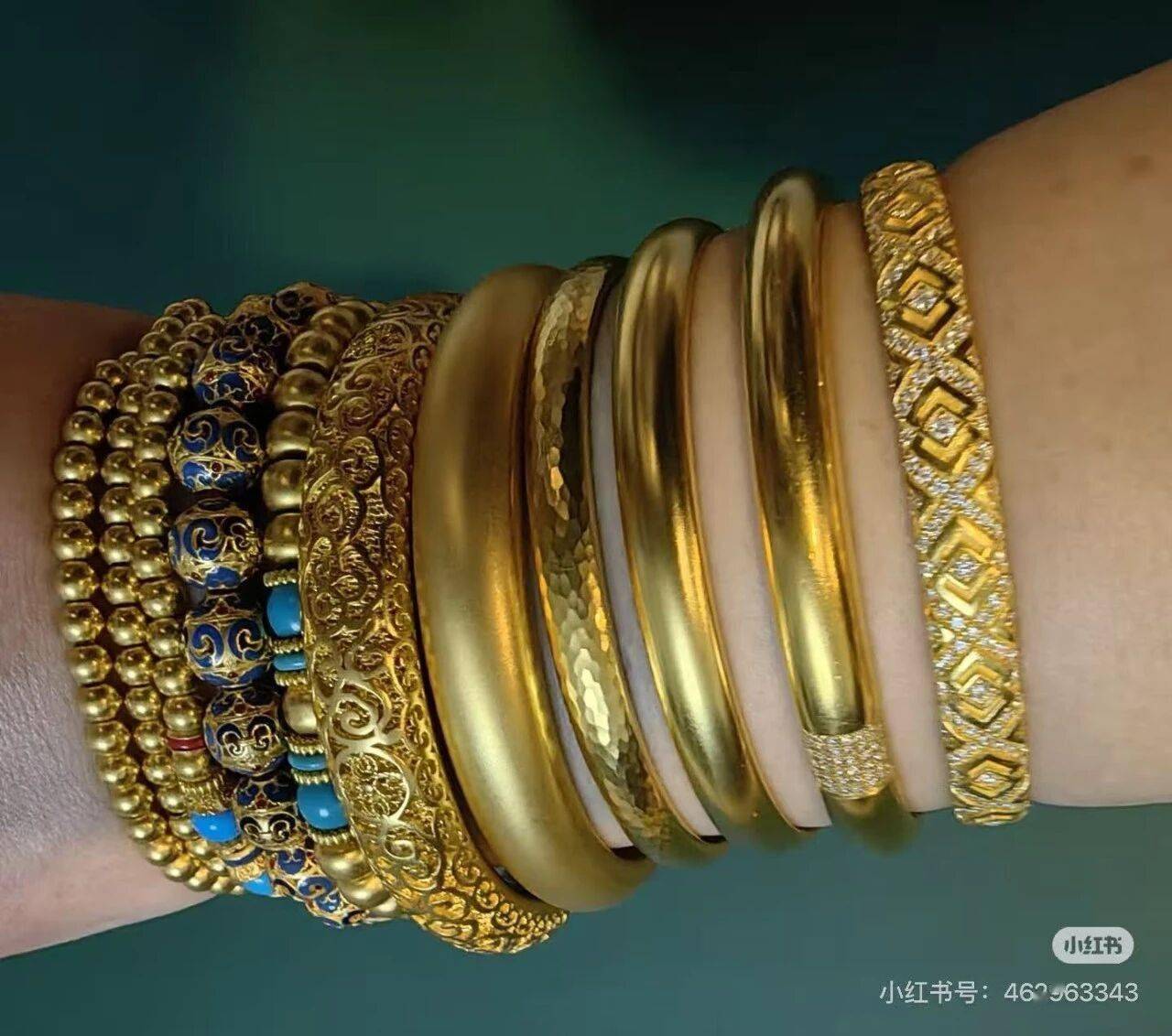
Core Insights - The article highlights a significant disparity in market performance between gold and diamonds, with gold experiencing increased demand while diamond prices have sharply declined, dropping over 45% from their peak in 2022 [1][2]. Group 1: Market Trends - Gold prices have surged, leading to a notable increase in consumer interest and purchases, particularly among younger demographics who view gold as a more stable investment [2]. - In contrast, diamond prices have been on a downward trend, with De Beers recently reducing the prices of rough diamonds by 10%-15% for stones over 0.75 carats [1][2]. - The diamond market is facing challenges due to an oversupply of natural diamonds, which are perceived as less scarce compared to colored gemstones, leading to decreased liquidity in the secondary market [3]. Group 2: Consumer Behavior - There is a shift in consumer preferences towards practicality and value, with many young consumers opting for gold over diamonds for wedding rings, reflecting a broader trend of practical consumption [2]. - The rise of lab-grown diamonds, which are significantly cheaper and indistinguishable from natural diamonds, is contributing to the decline in demand for natural diamonds [2][3]. - Consumers are increasingly focused on the overall lifecycle value of products, emphasizing functionality, emotional value, and sustainability, which is reshaping purchasing decisions in the jewelry market [3].
10万变2万!亿元“黄金泡沫”杰我睿爆雷
Sou Hu Cai Jing· 2026-02-06 11:07
Core Viewpoint - The "gold investment" bubble involving Shenzhen's Jie Wo Rui Jewelry Company has burst, leading to significant financial losses for investors, with claims amounting to over 100 million yuan [2][9][12]. Group 1: Company Overview - Jie Wo Rui Jewelry Company was established in 2014, with a registered capital of 11 million yuan and only 15 employees [5][12]. - The company initially operated as a gold trading business but expanded to offer enticing investment opportunities through social media platforms, attracting numerous investors [8][12]. Group 2: Investment Scheme and Operations - The company utilized a model resembling a Ponzi scheme, collecting funds from new users to pay off older investors, without a sustainable profit mechanism [12][15]. - Jie Wo Rui operated multiple mini-programs focused on gold and silver transactions, offering services like free exchange of gold and high buyback prices to lure customers [13][15]. Group 3: Investor Impact and Response - Investors, including many vulnerable individuals, faced severe losses, with some reporting investments exceeding 100,000 yuan, only to receive a fraction of their funds back [9][12][17]. - A proposed repayment plan offered only 20% of the account balance, leading to widespread dissatisfaction among affected investors [9][12]. Group 4: Regulatory and Legal Issues - The company has faced scrutiny for operating without the necessary licenses for futures trading, raising concerns about regulatory compliance in the gold investment sector [15][19]. - Legal actions have been complicated, with the local court halting civil lawsuits against the company, forcing victims to submit reports to a special task force for processing [5][12]. Group 5: Industry Implications - The incident has triggered a crisis of confidence in the gold trading industry in Shenzhen, with other similar platforms also facing scrutiny and operational challenges [16][17]. - The regulatory environment is under examination, as social media and payment platforms are being questioned for their role in facilitating these fraudulent activities [19][20].

杰我睿启动兑付:4万本金只赔500元,不少用户并不接受
第一财经· 2026-02-02 09:22
Core Viewpoint - The article discusses the recent payment difficulties faced by Shenzhen-based "Jie Wo Rui Jewelry" and its associated online platforms, affecting numerous users and leading to significant financial losses for investors [2][3]. Group 1: Company Overview - Jie Wo Rui operates several related platforms that provide services such as precious metal trading, recycling, and price reservation transactions [3]. - The company has attracted a large user base for its trading activities, raising questions about its operational model and the reasons behind its recent financial troubles [3]. Group 2: Financial Impact - Users reported that after online calculations, they received only a fraction of their investments back, with one case showing a payout of less than 500 yuan on an investment of over 40,000 yuan, equating to about a 1% return [2]. - The crisis has been exacerbated by high leverage, with reports indicating that the involved platforms had leveraged up to 40 times, leading to significant financial exposure [3]. Group 3: Regulatory Response - The Shenzhen Luohu district has issued a statement indicating that Jie Wo Rui has initiated an online signing and payment process to address the ongoing crisis [2].

北京农商银行对26年度实物贵金属代销业务合作机构名单进行公示
Jin Tou Wang· 2026-02-02 03:24
Core Points - Beijing Rural Commercial Bank announced the public disclosure of its physical precious metals consignment business cooperation institutions for the year 2026 [1] Group 1: Announcement Details - The announcement aims to ensure transparency and inform stakeholders about the institutions involved in the physical precious metals business [1] - A list of cooperation institutions for 2026 includes various companies such as China Gold Coin Corporation and its subsidiaries, Beijing Caishikou Department Store Co., Ltd., and others [2] - The listed institutions have established formal cooperation with Beijing Rural Commercial Bank to conduct physical precious metals consignment business in 2026 [2] Group 2: Contact Information - Stakeholders can contact Beijing Rural Commercial Bank at hotline 96198 for any inquiries or further information regarding the cooperation institutions [2]


金价暴跌,又一平台爆雷,多家银行提示风险
Sou Hu Cai Jing· 2026-02-01 02:20
Group 1 - The core viewpoint of the articles highlights the volatility of gold prices, with a significant drop of over 10% on January 30, 2026, marking the largest single-day decline in 40 years, despite previous surges that saw gold prices exceed $5,500 [2] - UBS maintains a bullish stance on gold, raising its price targets for March, June, and September 2026 to $6,200 per ounce, an increase of 24% from the previous target of $5,000 per ounce [2] - The recent fluctuations in gold prices have led to increased caution among banks, with major banks implementing stricter risk assessment measures for clients engaging in precious metal transactions [3] Group 2 - A recent incident involving Shenzhen Jie Wo Rui Jewelry Company has raised concerns, as it has faced issues with abnormal operations and is reportedly offering discounted payouts to clients, with options for principal payments at 40% or 20% of the original value [3] - Ningbo Bank announced adjustments to its gold investment product interest rates, with current rates set at 0% for demand deposits and ranging from 0.3% to 0.5% for fixed-term deposits [3]


成都快购被罚超2600万
Xin Lang Cai Jing· 2026-01-31 01:56
Core Viewpoint - The article discusses the regulatory actions taken by the State Administration for Market Regulation (SAMR) against various companies in the live e-commerce sector for violations of laws related to e-commerce, advertising, and consumer protection. Group 1: Regulatory Actions Against Companies - SAMR investigated Chengdu KuaiGou Technology Co., Ltd. for multiple violations, including failure to fulfill information disclosure obligations and charging unreasonable fees to platform operators [1][2][4] - The company was fined 26,692,904.62 yuan for its illegal activities, which included publishing false advertisements and failing to protect consumer safety [4] - Fourhui City Wande Li Jewelry Store was penalized for false advertising during live broadcasts, claiming miraculous effects of their products without scientific backing, resulting in a fine of 500,000 yuan [5][6] - Shanghai Lao Tang You Health Technology Development Co., Ltd. faced penalties for promoting a health product with unproven therapeutic claims, leading to a fine of 350,000 yuan [7] - Tongliao Hongrenhui Media Co., Ltd. was fined 400,000 yuan for fabricating transaction data through deceptive practices in live broadcasts [8]
市场监管总局公布4起直播电商领域典型案例 成都快购被罚超2600万
证券时报· 2026-01-30 13:07
Core Viewpoint - The article discusses the recent enforcement actions taken by the State Administration for Market Regulation (SAMR) against various companies in the live e-commerce sector for violations of laws and regulations related to e-commerce, advertising, and consumer protection [2][5][6][8]. Group 1: Enforcement Actions - SAMR investigated Chengdu Kuai Gou Technology Co., Ltd. for multiple violations, including failure to fulfill information disclosure obligations, charging unreasonable fees to platform operators, and not ensuring consumer safety [2][3][4]. - The company was fined 26,692,904.62 yuan and ordered to rectify its illegal practices [4]. - Fourhui City Market Supervision Bureau penalized Fourhui City Wande Li Jewelry Store for false advertising during live broadcasts, resulting in a fine of 500,000 yuan [5]. - Shanghai Yangpu District Market Supervision Bureau fined Shanghai Laotangyou Health Technology Development Co., Ltd. 350,000 yuan for false claims about a health product's efficacy [6][7]. - Tongliao City Market Supervision Bureau fined Tongliao Hongrenhui Media Co., Ltd. 400,000 yuan for fabricating transaction data and misleading advertising practices [8]. Group 2: Violations Identified - Chengdu Kuai Gou Technology Co., Ltd. was found to have not displayed necessary business licenses and agreements prominently, charged excessive penalties, and failed to act against intellectual property infringements [2][3][4]. - The company also published misleading advertisements and assisted other operators in deceptive marketing practices [3][4]. - Fourhui City Wande Li Jewelry Store's live broadcasts included false claims about the health benefits of their products, misleading consumers about their efficacy [5]. - Shanghai Laotangyou Health Technology Development Co., Ltd. promoted a health product without scientific backing for its claimed benefits, constituting false advertising [6][7]. - Tongliao Hongrenhui Media Co., Ltd. engaged in practices such as fake transactions to inflate sales figures, misleading consumers about product availability [8].

杰我睿的金银“预定价”游戏
新华网财经· 2026-01-30 12:11
Core Viewpoint - The article discusses the recent liquidity crisis faced by Shenzhen Jie Wo Rui Jewelry Co., Ltd., a precious metals platform, which has affected thousands of investors and raised concerns about its business practices and regulatory compliance [2][14]. Group 1: Company Overview - Jie Wo Rui operates in the Shenzhen Shui Bei market, focusing on the buying and recycling of precious metals and jewelry, with two main business models: recycling and pricing for gold/silver [5][6]. - The recycling business allows investors to send gold materials to the platform for cash based on recovery prices, while the pricing model enables investors to lock in ownership of gold/silver by paying a small deposit [5][6]. Group 2: Business Practices - The company has developed multiple mini-programs to attract customers, claiming a user base of approximately 150,000, but these platforms are currently inaccessible [6][8]. - Investors were drawn to Jie Wo Rui due to competitive pricing and promotional activities, such as "no processing fees" and "old gold exchange for new" [6][7]. Group 3: Crisis Details - The liquidity crisis reportedly began when the company started limiting withdrawals, with investors experiencing difficulties in cashing out their funds, leading to a surge in withdrawal requests [9][12]. - The crisis is attributed to the company's pricing model, which resembles high-leverage betting rather than genuine commodity trading, raising concerns about its sustainability and regulatory compliance [11][13]. Group 4: Industry Impact - The incident has broader implications for the jewelry and precious metals industry, potentially affecting numerous businesses and consumers, as many jewelers in the Shui Bei market rely on Jie Wo Rui for supplies [15][16]. - The crisis has triggered panic among investors, leading to increased withdrawal requests from other platforms, indicating a ripple effect throughout the market [15][16]. Group 5: Legal and Regulatory Concerns - Legal experts suggest that Jie Wo Rui's business model may violate regulations related to illegal futures trading and gambling, as it has evolved into a speculative platform detached from actual commodity transactions [16][17]. - The platform's operations, which leverage internet technology, complicate legal assessments and regulatory responses [17].
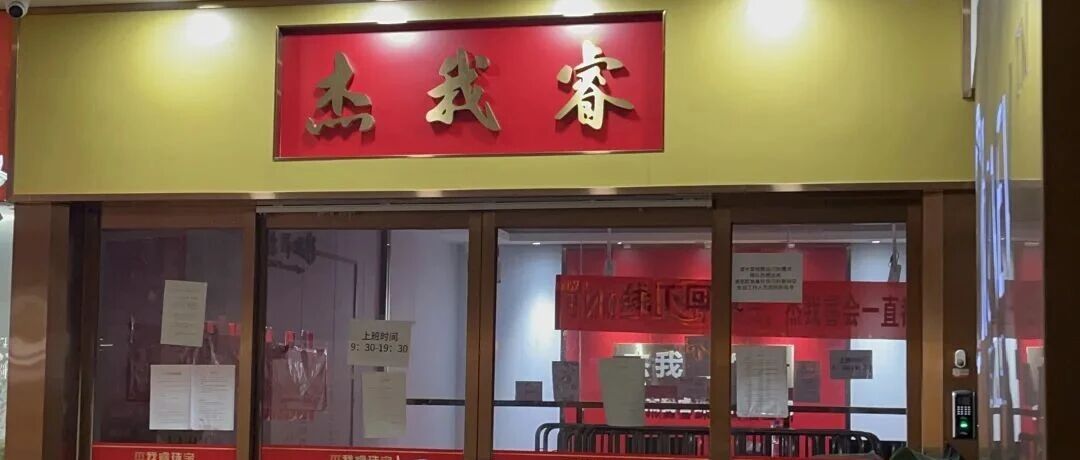
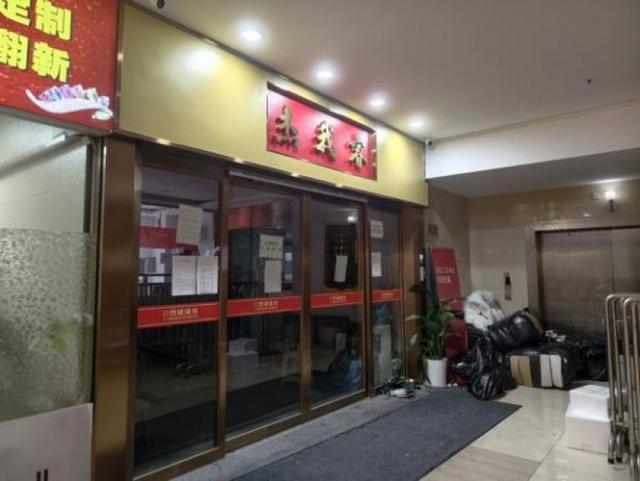
记者直击深圳杰我睿跑路现场:大门紧闭、锦旗高悬,平台兑付异常,涉资或达187亿元
Hua Xia Shi Bao· 2026-01-30 06:57
Core Viewpoint - The crisis surrounding Shenzhen-based Jie Wo Rui Jewelry Co., Ltd. has led to a significant financial impact, with reported victim losses reaching 18.7 billion yuan, highlighting the risks associated with unregulated gold trading platforms [1][15]. Company Overview - Jie Wo Rui is known for its gold recovery and low-fee gold sales, operating multiple mini-programs for online transactions, including gold buying and selling [4][7]. - The company has been popular among individual consumers looking to liquidate physical gold for cash, often attracted by promotional offers such as fee waivers [4][8]. Crisis Development - As of January 29, 2023, the company faced a liquidity crisis, with investors unable to withdraw their funds, leading to a tense atmosphere at its physical location [1][5]. - The company had previously engaged in aggressive marketing, promoting fee waivers for gold purchases just before the crisis emerged [8][9]. Financial Operations - Funds deposited by users were reportedly funneled into private accounts rather than the company's official accounts, raising concerns about financial transparency and accountability [8][15]. - The platform's operations included a mechanism for users to convert gold into cash, but the lack of third-party oversight has been identified as a critical vulnerability [15]. Legal and Regulatory Issues - Following the crisis, Jie Wo Rui proposed repayment plans that required customers to sign agreements waiving their rights to pursue legal action, raising ethical and legal concerns [9][11]. - The company's structure changed from a sole proprietorship to a limited liability company shortly before the crisis, leading to speculation about premeditated actions to limit liability [14]. Industry Implications - The Jie Wo Rui incident underscores broader issues within the gold trading sector, particularly regarding the regulation of non-licensed entities operating in financial markets [15][16]. - The case raises significant questions about trust, compliance, and accountability in the financial services industry, emphasizing the need for stricter regulatory oversight [16].