
跨境支付系统

Search documents
全球货币支付排名:美元涨到50.49%,欧元跌至21.9%,人民币呢
Sou Hu Cai Jing· 2026-01-25 19:13
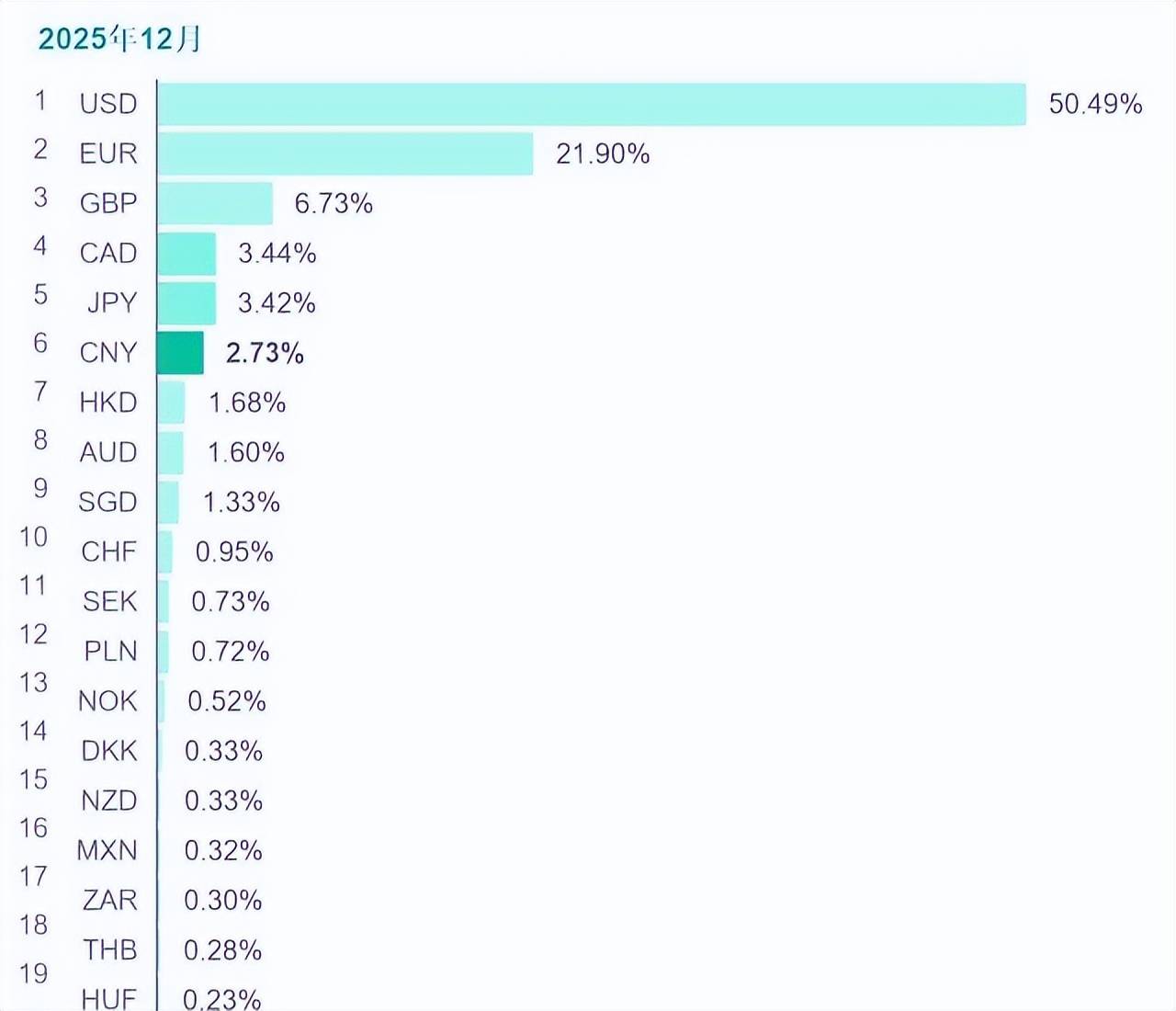
说起人民币,从2011年不到1%到现在3%左右,涨势稳。国际化进程中,中国推的本币结算和互换协议帮了大忙。到2025年10月,签了32份协议,总规模4.5 万亿,覆盖全球主要经济体。和加拿大续签2000亿的协议,就方便两国贸易用自家钱,避免汇率风险。俄罗斯、伊朗贸易部分也用人民币,绕过美元系统。 这些交易没进协会统计,所以实际使用率更高。 最近环球银行金融电信协会公布的2025年12月数据挺有意思,美元在国际支付里的占比直接冲到50.49%,比上个月高了不少。欧元那边呢,滑落到21.9%, 创下一年新低。人民币保持在2.73%左右,排第六位。这数据基于交易金额统计,覆盖全球金融机构的跨境业务。美元这么强势,主要因为美国经济影响力 大,全球贸易结算偏好它。欧元区经济增速慢,内部贸易虽算在内,但整体需求弱,拉低份额。 这份报告出来后,市场反应挺快。美元占比创2023年调整数据方式后的新高,显示出它的霸主地位短期难动摇。欧元作为老二,本来能和美元掰手腕,现在 份额一年比一年少,像欧元区经济那样不温不火。加元升到第四,3.44%,得益于加拿大对美贸易紧密。日元3.42%,英镑6.73%。人民币支付金额其实涨了 12. ...

复旦大学朱杰进:稳定币可能削弱SWIFT体系和美元霸权
Sou Hu Cai Jing· 2025-07-10 00:49
Group 1 - The roundtable discussion at Fudan University focused on the relationship between stablecoins and the dominance of the US dollar, suggesting that the rise of stablecoins in cross-border payments could structurally impact the international monetary system and potentially weaken the dollar's hegemony [1][2] - The establishment of dollar hegemony dates back to the Bretton Woods system, where the US dollar became the primary reserve currency due to the US's post-World War II economic strength and its commitment to provide public goods to the international community [2] - The "Nixon Shock" in 1971 marked a turning point where the US detached the dollar from gold, relying on the SWIFT system's network effects and international governance to maintain its monetary dominance, despite a decline in its economic power [2] Group 2 - Following the passage of stablecoin legislation in the US Senate, there were criticisms that such measures could harm dollar hegemony, while US Treasury Secretary argued that stablecoins would enhance it [3] - The traditional monetary phase showcased the clear dominance of the dollar and the SWIFT system in cross-border payments, but the emergence of stablecoins and blockchain technology poses challenges to this established dominance [3][9] - The SWIFT system, with over 11,000 financial institutions connected, has significant network effects that make it difficult to replace, but the current phase of stablecoins may disrupt this advantage [3] Group 3 - Countries like Russia and Iran have sought alternatives to the SWIFT system, particularly in response to US sanctions, leading to the development of their own cross-border payment systems [4][5] - Russia's SPFS and Iran's SEPAM systems were created to mitigate the impact of financial sanctions and enhance financial security, with both countries actively working to connect their systems for improved trade and banking cooperation [6] - The CIPS system in China represents a different approach, focusing on developing infrastructure to support the internationalization of the renminbi and facilitating cross-border trade and investment [7] Group 4 - The stablecoin phase is characterized by a diverse development landscape, where the US does not hold a central position, and the SWIFT system is not the sole player, leading to potential challenges to its hegemonic status [8] - Projects like the mBridge initiative, involving multiple central banks, aim to create efficient and low-cost cross-border payment systems using central bank digital currencies, indicating a rapid evolution in this space [8] - Overall, while the dollar and SWIFT maintain their dominance in the traditional monetary phase, the stablecoin phase may weaken the US's digital currency hegemony due to diminishing network effects [9]