车

Search documents
2026 AWE观察|没有企业能赶上追觅的扩张速度
经济观察报· 2026-03-15 09:41
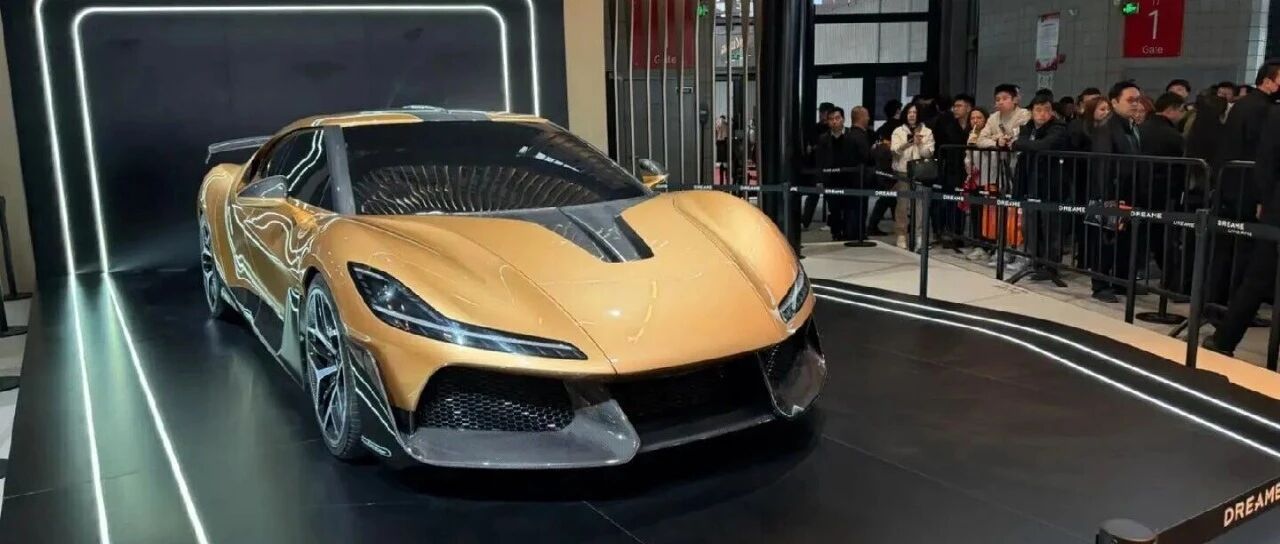
Core Viewpoint - The article highlights the significant presence and impact of the company追觅 at the 2026 AWE, showcasing its ambition to expand beyond its traditional product offerings and establish itself as a major player in various high-tech sectors [2][3]. Group 1: Exhibition Presence - 追觅 occupies approximately 1/17 of the total exhibition area at AWE 2026, with over 1,200 other exhibitors sharing the remaining space [2]. - The company has set a new record for exhibition scale, surpassing traditional home appliance giants like Haier, which previously dominated the event [2][3]. Group 2: Strategic Goals - 追觅 aims to communicate its broader strategic vision, which includes a diverse range of products beyond vacuum cleaners, such as smartphones, electric vehicles, and advanced robotics [3][4]. - The founder, 俞浩, expresses high expectations for the event, viewing it as a new beginning for the company [2]. Group 3: Product Showcase - The company introduced its AURORA smartphone, with prices ranging from approximately $999 for the base model to $70,000-$80,000 for luxury versions [4]. - 追觅 also displayed a groundbreaking 3D printer with 12 nozzles, surpassing competitors' offerings [5]. Group 4: Technological Advancements - The company unveiled three self-developed chips for intelligent driving, utilizing a 2nm process, which significantly outperforms the average capabilities of mainstream competitors [7]. - The chips' AI computing power reaches 2000 TOPS, three times that of leading competitors [7]. Group 5: Marketing and Engagement - 追觅's exhibition strategy included high-profile celebrity endorsements and a significant budget for booth construction, with costs reaching 70 million yuan for the E7 pavilion alone [3]. - The event attracted large crowds, indicating strong consumer interest and engagement with the brand [3].

新对话丨欧阳明高院士:中国新能源汽车的安全与突破
Xin Hua Wang· 2025-12-03 06:00
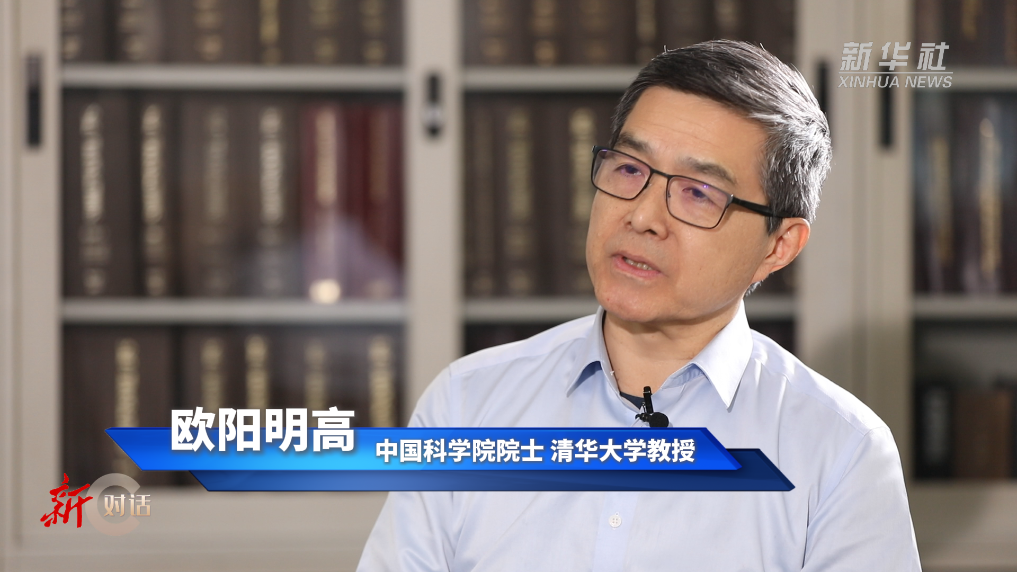
Group 1 - The core viewpoint emphasizes that the rapid development of China's new energy vehicle industry is driven by a combination of national strategy, technological revolution, and market demand, with safety being a critical aspect throughout [1] - The safety of batteries is highlighted as crucial, with lithium iron phosphate batteries currently accounting for 80% of the market, achieving an optimal balance between safety, cost, and lifespan. Solid-state battery technology is identified as a key path for breakthroughs in next-generation power batteries [1] Group 2 - Looking ahead, the industry is expected to evolve beyond just vehicles. By 2035, new energy intelligent electric vehicles are projected to mature, integrating deeply with photovoltaic and energy storage systems, participating in vehicle-network interaction, and creating an interconnected energy ecosystem of "vehicles, homes, and networks" [3]

新对话|欧阳明高院士:中国新能源汽车的安全与突破
Xin Hua She· 2025-12-03 05:56
Core Insights - The Chinese electric vehicle (EV) industry is rapidly developing under the dual drivers of "safety" and "breakthrough" [2] - The success of the automotive industry is attributed to a strong synergy of national strategy, technological revolution, and market demand, with safety being a critical aspect [2] - Lithium iron phosphate batteries, which account for 80% of the market, have achieved an optimal balance between safety, cost, and lifespan, while solid-state battery technology is seen as the key path for breakthroughs in next-generation power batteries [2] Future Outlook - By 2035, the industry is expected to evolve beyond just vehicles, with smart electric vehicles integrating deeply with photovoltaic and energy storage systems, participating in vehicle-grid interaction, and creating an interconnected energy ecosystem of "vehicles, homes, and networks" [4] - This evolution signifies a systemic leap from mere transportation tools to mobile energy storage units [4]
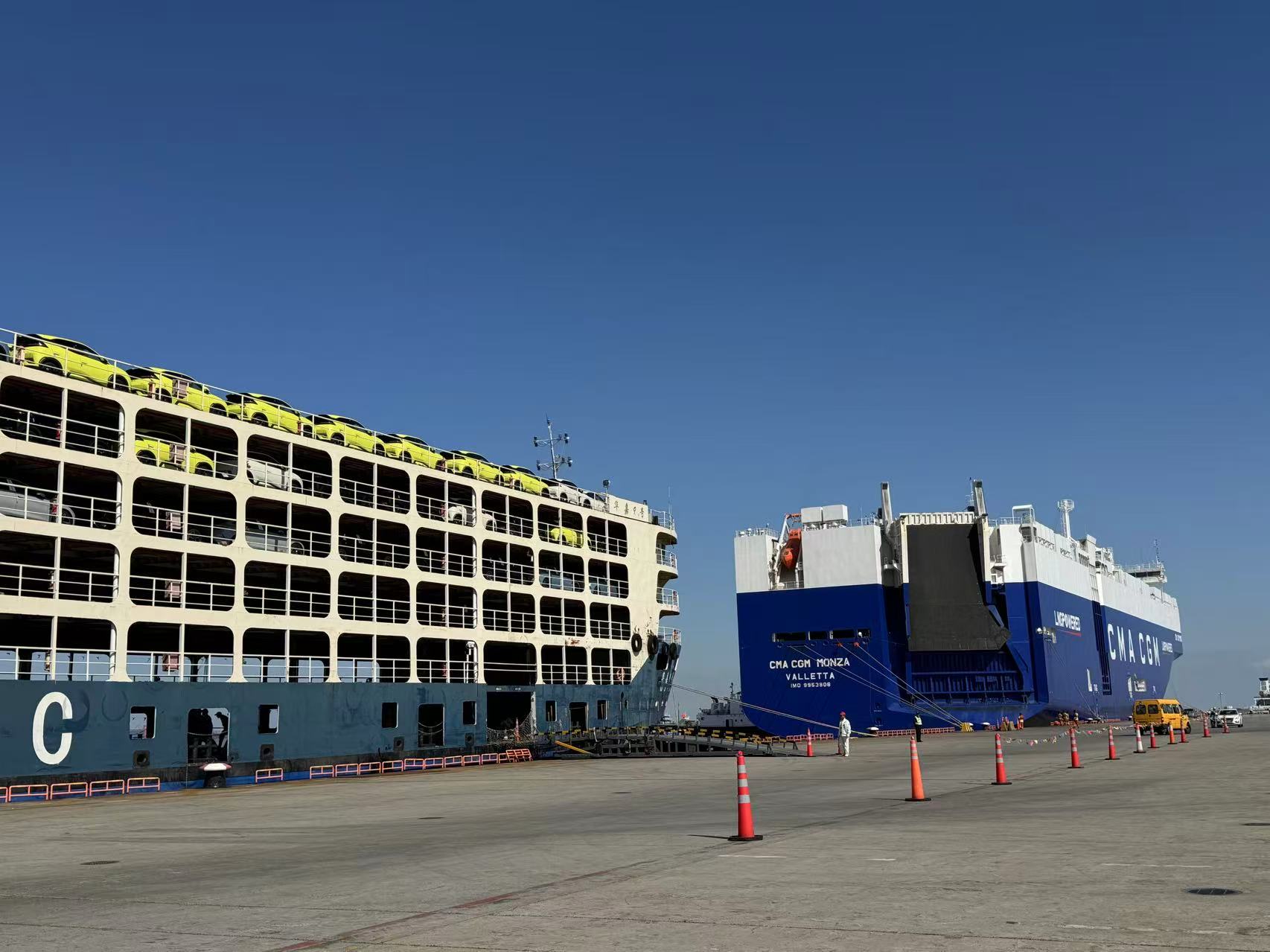
国产汽车加速“出海”,这个码头前8个月出口了近百万辆|活力中国调研行
Di Yi Cai Jing· 2025-09-15 14:01
Core Insights - The article highlights the rapid growth of China's automotive exports, particularly focusing on the role of the Shanghai Waigaoqiao Port and its Haitong Terminal in facilitating this expansion [1][2][3] Group 1: Automotive Export Growth - The Waigaoqiao Port is the largest port in China for automotive imports and exports, with Haitong Terminal handling over 10,000 vehicles daily, peaking at 12,065 vehicles on a single day in June 2023 [5][6] - In the first eight months of 2025, the customs at Waigaoqiao Port reported a total of 962,700 vehicles exported, marking a year-on-year increase of 19.35% [5][12] - The terminal has established 15 international automotive roll-on/roll-off routes, connecting to 289 ports across 131 countries and regions, with a projected throughput of 3.63 million vehicles in 2024, making it the world's largest [5][6] Group 2: Innovations and Efficiency - The Haitong Terminal has implemented an automated storage system with 6,160 vehicle slots, achieving 100% automation in vehicle storage and retrieval, which has significantly improved service quality and reduced storage pressure [6][8] - The customs authority has enhanced the efficiency of vehicle inspections and clearances through a "green channel" system, ensuring zero delays in customs processing [10][11] - The "water-water intermodal" transport model connects inland ports along the Yangtze River with Waigaoqiao Port, optimizing logistics and enhancing the port's strategic position in international shipping [11][12]