
量利平衡

Search documents
永达汽车发布中期业绩 毛利23.7亿元
Zhi Tong Cai Jing· 2025-08-26 09:15
Group 1 - The core revenue for Yongda Automobile (03669) for the six months ending June 30, 2025, was 27.072 billion RMB, with a gross profit of 2.37 billion RMB [1] - New car sales volume decreased by 13.4% year-on-year to 72,501 units, with sales and related services revenue dropping by 14.4% to 20.532 billion RMB [1] - The gross margin for new car sales and related services was 1.03%, down by 0.61 percentage points year-on-year, attributed to aggressive discounting strategies by brands and dealers in a highly competitive market [1] Group 2 - The independent new energy brand of the group achieved sales of 10,312 units in the first half of 2025, representing a 49.0% year-on-year increase [2] - The average selling price of new cars reached 267,300 RMB, with a stable gross margin of over 4% per vehicle [2] - By the end of the first half of the year, the independent new energy brand had nearly 6,000 retained orders, laying a foundation for continued growth in the second half [2]

阿特斯三季度排产环比下调!光伏需求增速放缓,行业进入深度调整期
Sou Hu Cai Jing· 2025-08-03 18:52
Core Viewpoint - The photovoltaic industry is undergoing a deep adjustment period, with significant changes in market demand growth trends. Companies like Canadian Solar (阿特斯) are adjusting their production strategies in response to these industry-wide developments [1][4]. Industry Summary - The growth rate of photovoltaic demand is slowing, becoming a consensus within the industry. The domestic photovoltaic installation market has shown a pattern of high growth followed by a decline. In the first half of the year, the newly installed capacity reached 212 GW, setting a historical record. The China Photovoltaic Industry Association has raised its forecast for new installations this year to a range of 270 GW to 300 GW. However, after the surge in installations in the first half, the pace is expected to slow down in the second half [3]. - The overseas market exhibits different development characteristics. Changes in U.S. policies have a relatively limited short-term impact on demand, while emerging markets continue to show stable growth. Rapid development in regions such as the Indo-Pacific and Middle East-Africa is providing significant support for global photovoltaic demand, with these areas gradually releasing market potential and becoming new drivers for industry growth [3]. Company Summary - In response to profound market changes, Canadian Solar has adopted a flexible production adjustment strategy. The company's third-quarter production was dynamically adjusted based on market demand, showing a decrease compared to the second quarter. This adjustment reflects the company's accurate judgment of market conditions and its ability to respond quickly [4]. - The company has stated that its component business will not solely pursue shipment scale but will prioritize profit stability. By balancing supply and demand, the company aims to ensure stable profitability. This strategic shift indicates a transition in photovoltaic manufacturing enterprises from scale expansion to high-quality development [4]. - Starting in the first half of 2024, Canadian Solar has established a "balance of quantity and profit" development strategy. The company is proactively optimizing its shipment structure and focusing on high-value markets to regulate production capacity. This forward-looking strategy is proving valuable in the current market environment, laying a foundation for maintaining competitive advantages during the industry adjustment period [4].


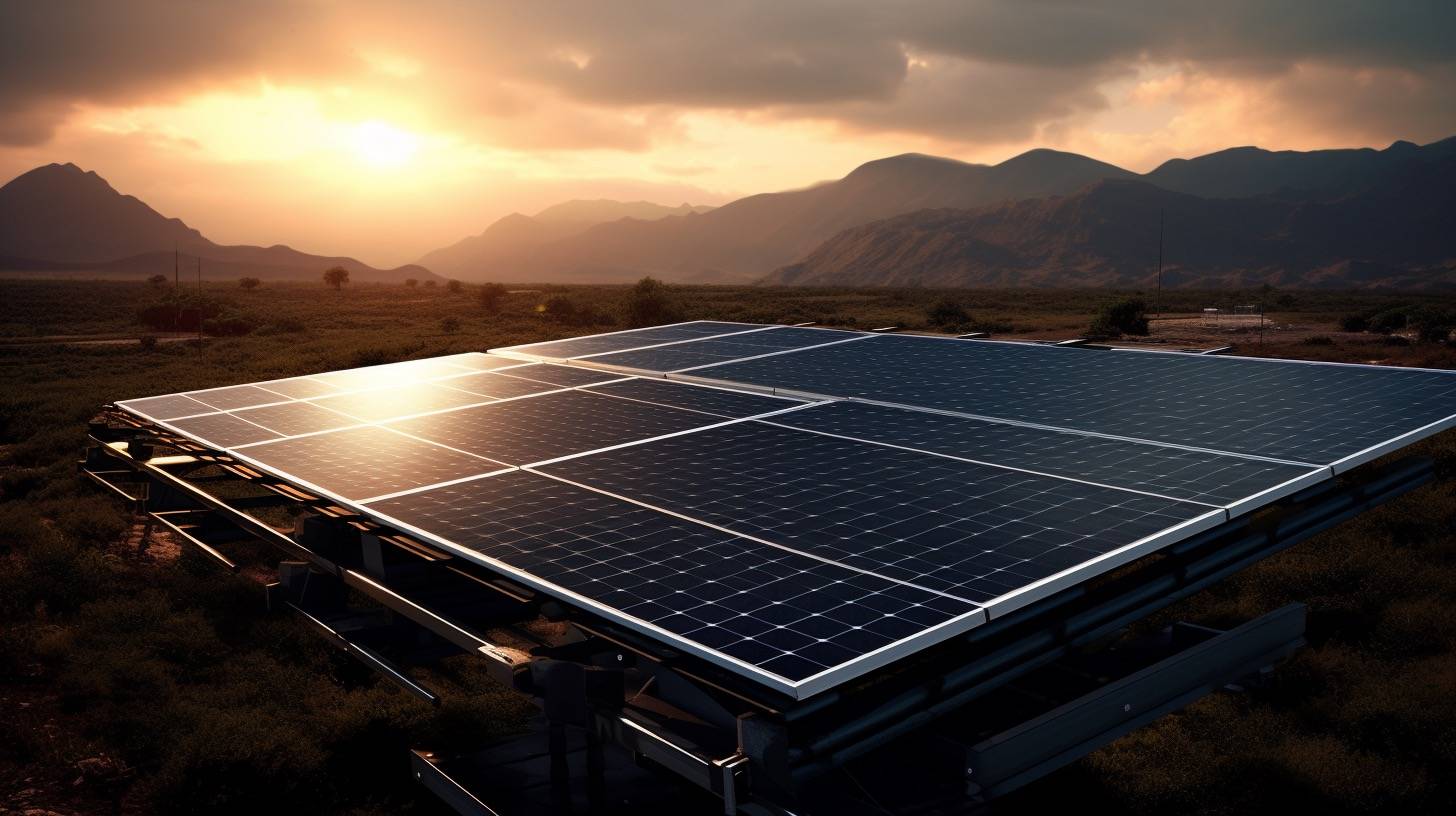
今年光伏需求增速预计明显放缓 阿特斯三季度组件排产环比有所下调
Zheng Quan Shi Bao Wang· 2025-08-03 13:38
Core Viewpoint - The company emphasizes the importance of the "anti-involution" policy in guiding the photovoltaic industry towards high-quality development, avoiding disorderly competition, and promoting rational growth and long-term health [1] Group 1: Industry Trends - The "anti-involution" policy is seen as beneficial for transitioning the photovoltaic industry from scale expansion to high-quality development [1] - In the first half of the year, China added 212 GW of new photovoltaic installations, setting a historical record, with the forecast for new installations in 2023 adjusted to between 270 GW and 300 GW [1] - A slowdown in domestic installations is expected in the second half of the year after a surge in the first half [1] Group 2: Company Strategy - The company has adopted a "quantity-profit balance" strategy since the first half of 2024, focusing on optimizing shipment structure and targeting high-value markets to self-regulate capacity [1] - The production strategy for the third quarter has been adjusted downward compared to the second quarter, prioritizing profit over sheer shipment volume while balancing supply and demand [2] - The company has a diversified supply chain to address U.S. trade tariffs and policy restrictions, leveraging its international capabilities and optimizing overseas production structure [2] Group 3: Storage Business Development - As of the end of Q1 2025, the company has approximately 91 GWh of energy storage system orders, with signed contracts amounting to $3.2 billion (approximately 229.8 billion RMB) [2] - The company has developed a comprehensive product matrix for energy storage, including large-scale storage (SolBank), commercial storage (KuBank), and residential storage (EPcube), becoming a leading supplier of energy storage system solutions in key overseas markets [2]