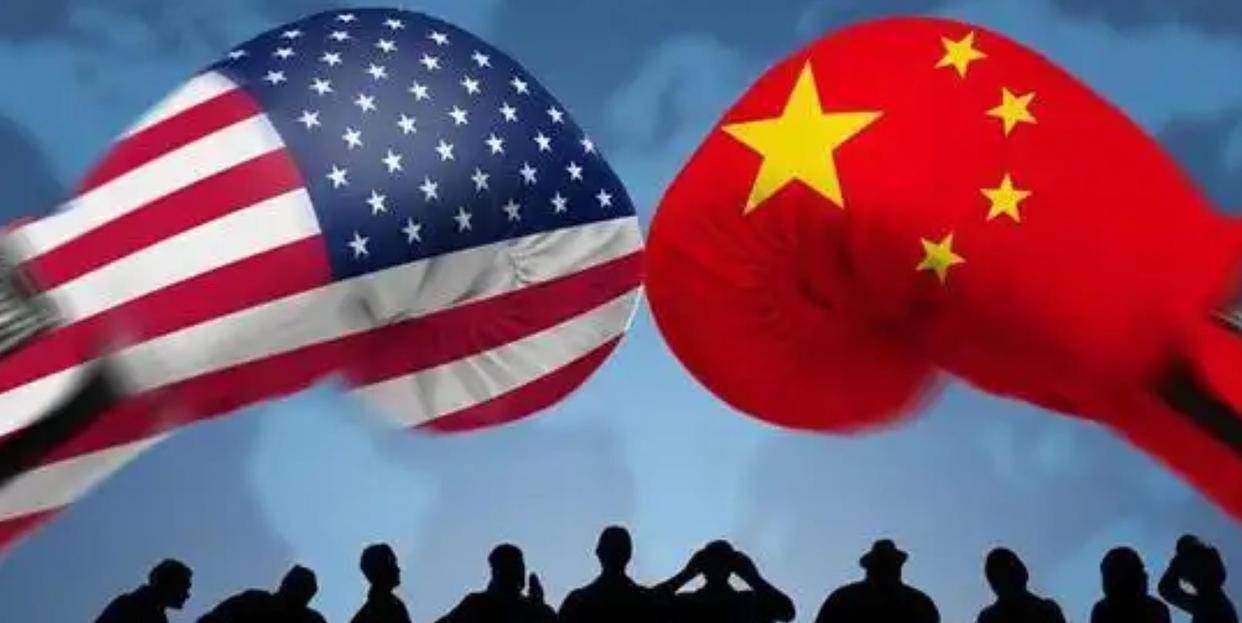
金融反制

Search documents
丹麦出手抛售美债,美股美债美元全线受挫!欧洲对美展开金融反制
Sou Hu Cai Jing· 2026-01-21 23:10
Core Viewpoint - The recent turmoil in the U.S. financial markets, marked by a significant drop in stocks, currencies, and bonds, is attributed to a strong European backlash against U.S. policies, particularly following Denmark's decision to sell U.S. Treasury bonds, signaling a broader rejection of U.S. financial dominance [1][3]. Group 1: Denmark's Actions and European Response - Denmark's sale of U.S. Treasury bonds, amounting to $1 million, may seem minor but represents a significant symbolic rejection of U.S. credit and a challenge to the Trump administration's aggressive tactics [3][5]. - The catalyst for Denmark's actions was Trump's pressure on Greenland, which violated European sovereignty and prompted a public outcry, highlighting the fragility of the U.S.-Europe alliance [5][11]. - Denmark's withdrawal from the U.S. bond market sends a clear message that Europe will not support U.S. debt if its sovereignty is disregarded, potentially leading to a chain reaction among other European nations [5][9]. Group 2: European Financial Power - European investors hold a dominant position in the U.S. financial system, with total U.S. securities held by foreign sovereign nations and funds exceeding $30.9 trillion, indicating significant leverage over U.S. markets [7][9]. - European capital has played a crucial role in the recent AI tech stock boom in the U.S., with major European investment institutions being strategic investors in U.S. equities [9][11]. - The strategy of not purchasing new U.S. Treasury bonds while allowing maturing bonds to exit the market represents a calculated approach to reduce demand for U.S. assets without incurring significant losses [9][11]. Group 3: Legal and Strategic Framework - The European financial counterattack is supported by the "Anti-Coercion Instrument" law, enacted in 2023, which provides a legal basis for the EU to respond to economic coercion from third countries [11][15]. - This dual approach of military and financial responses aims to deter U.S. aggression while minimizing the risk of direct conflict, thereby maximizing the impact of European countermeasures [11][13]. - The ongoing financial turmoil in the U.S. is a direct consequence of the erosion of trust among allies due to U.S. hegemonic practices, which could jeopardize the dollar's status as the global reserve currency if European capital continues to withdraw [15].


冻结的俄罗斯资产:欧盟的“烫手山芋”与地缘政治豪赌
Sou Hu Cai Jing· 2025-11-18 04:08
Core Viewpoint - The European Union is in a dilemma regarding the confiscation of frozen Russian assets, with concerns about legal implications and geopolitical consequences while attempting to use these assets to provide €140 billion in loans to Ukraine [1][10]. Group 1: Legal Challenges - The proposal to utilize Russian assets for Ukrainian loans has sparked legal concerns, with questions about its legality and lack of precedent [3]. - The European Bank for Reconstruction and Development faces a complex accounting issue, holding both debts to the Russian Central Bank and cash assets that could be used for Ukraine [3]. - There are fears that if sanctions are lifted, Russia could demand repayment of the loans, raising questions about who would cover the €140 billion owed [3][12]. Group 2: Financial Retaliation - In response to Western financial sanctions, Russia has enacted laws to freeze €20 billion to €40 billion of funds held by European banks in Russia [5]. - The Russian Central Bank is minimizing capital flow restrictions, presenting a dual strategy of openness while retaining the ability to retaliate [5]. Group 3: Geopolitical Dynamics - The U.S. has a vested interest in the conflict, with a significant portion of military aid to Ukraine returning to American defense industries, indicating a profit motive behind the geopolitical situation [7]. - The EU's support for Ukraine has shifted from a strategic investment to a strategic burden, complicating the political landscape [9]. - Internal divisions within the EU reflect differing views on how to handle relations with Russia and the legality of using Russian assets for Ukraine [11]. Group 4: Future Risks - The European Bank for Reconstruction and Development's CEO highlighted three major risks: legal challenges, reputational damage, and potential retaliation from Russia [12]. - A loss of trust from global investors could lead to reduced investment in the Eurozone, impacting financing for defense, green transition, and digital transformation [13][14]. - The situation remains precarious, with potential for escalation if the proposed plans are implemented [15][16].
瑞典谈判前夕,美国先来下马威:中美是打是和,就看下周中方表现
Sou Hu Cai Jing· 2025-07-25 05:39
Group 1 - The U.S. is applying pressure on China while simultaneously seeking access to its rare earth resources, highlighting a contradictory approach in trade relations [1][3] - China's trade with ASEAN surged by 15.8% in the first half of the year, while its trade share with the U.S. fell to a ten-year low, indicating a shift in trade dynamics [1] - The U.S. has imposed a 93.5% anti-dumping tax on Chinese graphite, raising the total tax rate to 160%, which directly impacts China's dominance in the electric vehicle battery supply chain [3][5] Group 2 - U.S. Treasury Secretary Janet Yellen threatened to impose a 100% "secondary tariff" on China if it purchases Russian oil, aiming to control China's energy imports [5] - China's response includes a strong stance against unilateral sanctions and a potential use of financial countermeasures, with the central bank governor joining the negotiation team [5] - The negotiation environment in Sweden, away from Washington, may reveal more genuine intentions from the U.S. government, despite underlying personal business interests linked to the Trump family [1][3]