长途优先

Search documents
铁路部门:建议不要买长乘短 优化购票策略
Zhong Guo Xin Wen Wang· 2026-02-17 04:12
Core Viewpoint - The railway department has implemented a ticketing strategy prioritizing long-distance travelers while accommodating short-distance needs, addressing the issue of ticket availability during peak travel times, particularly during the Spring Festival travel season [1][2][5]. Group 1: Ticketing Strategy - The ticketing process for long-distance trains involves three main phases: pre-allocation of tickets, dynamic adjustment, and open sale before the train departs [3][4]. - The strategy of "long-distance priority, accommodating medium and short-distance" ensures that most tickets are allocated to long-distance travelers, while a limited number of tickets are available for medium and short-distance travelers [2][4]. - During the initial ticket sale phase, the system allocates a majority of tickets to long-distance travelers, with a small portion set aside for medium and short-distance tickets [5][6]. Group 2: Ticket Availability and Demand - Travelers with short-distance needs are advised to avoid purchasing long-distance segment tickets and should utilize the ticket waiting list feature when tickets are unavailable [1][6]. - The railway department has successfully issued 12.8 million tickets through the waiting list system since the beginning of the Spring Festival, achieving a success rate of over 70%, with 51% of these being short-distance tickets [5]. - The department encourages travelers to explore alternative travel options, such as non-peak times or different transportation methods, to alleviate ticket demand pressure [6].
国铁集团特别提示不要“买长乘短” 及时提交候补购票订单
Xin Lang Cai Jing· 2026-02-15 11:36
Core Viewpoint - The railway department is implementing a ticketing strategy prioritizing long-distance travelers while accommodating short-distance needs, aiming to maximize resource utilization during the peak travel season of the Spring Festival [4][7]. Ticket Sales Strategy - The ticket sales strategy is divided into three phases: pre-allocation, dynamic adjustment, and open sales [5][6]. - In the pre-allocation phase, 20% of tickets are reserved for nearby stations to meet medium and long-distance travel demands, while the remaining tickets are allocated based on demand for long-distance segments [4][6]. - During the dynamic adjustment phase, if tickets remain unsold after one day, the railway will adjust allocations based on remaining tickets and demand, releasing additional long-distance tickets for high-demand segments [5][6]. - The open sales phase allows remaining long-distance tickets to be sold without restrictions, following a "first come, first served" principle for those who submitted requests [6]. Ticket Availability and Demand - As of February 15, over 247 million tickets have been sold for the Spring Festival period, indicating high travel demand [4]. - The strategy aims to ensure that long-distance travelers, who have fewer alternative travel options, are prioritized, while still providing some availability for short-distance travelers [7][8]. - The railway department has successfully fulfilled 12.8 million ticket requests through the waiting list system, with a success rate exceeding 70%, of which 51% were for short-distance tickets [8]. Recommendations for Travelers - Travelers with short-distance needs are advised to opt for short-distance trains and utilize the waiting list feature for long-distance tickets when necessary, maximizing the use of up to 60 combinations of "date + train number" to increase the chances of success [8]. - The railway department discourages the practice of purchasing long-distance tickets for short trips, as it can lead to inflated demand data and inefficient resource allocation [8].

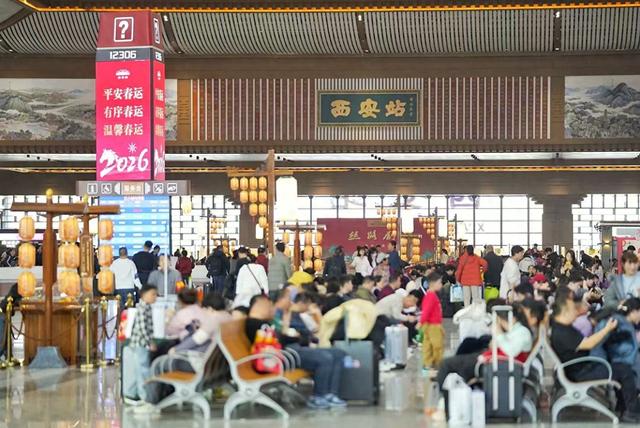
长途有票,短途却无票?12306回应
证券时报· 2026-02-15 06:54
Core Viewpoint - The article discusses the ticketing strategy of long-distance trains during the Spring Festival travel season, highlighting the "long-distance priority, short-distance consideration" approach to meet passenger demand effectively [1][4]. Ticketing Strategy - The railway department implements a ticketing strategy that prioritizes long-distance travel needs while also accommodating short-distance passengers through a fair distribution of tickets [1][4]. - The ticketing process consists of three main stages: 1. **Ticket Quota Pre-allocation**: 20% of tickets are allocated to nearby starting stations based on historical passenger flow data, with the remaining tickets distributed to high-demand long-distance segments [2]. 2. **Dynamic Adjustment**: After ticket sales begin, remaining long-distance tickets are adjusted and allocated based on demand and historical data, with a focus on fulfilling waiting list requests [2]. 3. **Open Sale**: Remaining long-distance tickets are made available for sale without restrictions, prioritizing those who have submitted waiting list requests [2]. Example Case - For the G246 train from Guangzhou South to Shanghai Hongqiao, 21% of the total 1238 seats were allocated to nearby stations during the pre-allocation phase, with the rest focused on high-demand long-distance routes [3]. - In the dynamic adjustment phase, 395 long-distance tickets were released to various segments, fulfilling 272 waiting list requests [3][4]. Passenger Demand and Ticket Fulfillment - The article notes that during the Spring Festival, there is a strong demand for travel, leading to a high rate of ticket requests. The system allows passengers to submit waiting list orders when tickets are shown as "sold out" [5]. - Since the beginning of the Spring Festival, 12.8 million tickets have been fulfilled through the waiting list system, with a success rate exceeding 70%, of which 51% were short-distance tickets [5].
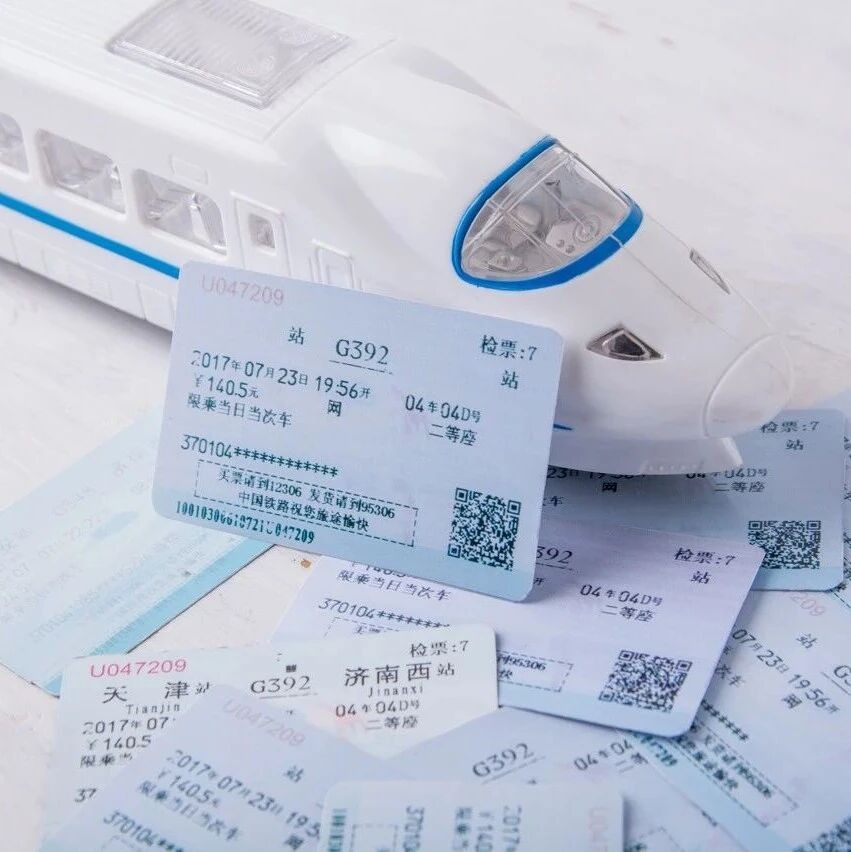
长途优先,但不建议买长乘短
Xin Lang Cai Jing· 2026-02-15 06:20
Core Viewpoint - The railway ticketing strategy prioritizes long-distance travel while accommodating medium and short-distance needs, with a successful ticketing rate for standby purchases exceeding 70% during the Spring Festival [1][4]. Group 1: Ticketing Strategy - The railway department implements a "long-distance priority, medium and short-distance accommodation" ticketing strategy to effectively utilize long-distance train capacity and meet passenger demand [2]. - Long-distance tickets are primarily allocated to starting stations or nearby stations to ensure that long-distance travelers are prioritized, while a portion of tickets is reserved for medium and short-distance travelers through pre-allocation and dynamic adjustments [2]. Group 2: Ticket Sales Phases - Long-distance ticket sales occur in three phases: 1. Pre-allocation, where 20% of tickets are reserved for nearby stations based on historical passenger data [3]. 2. Dynamic adjustment, where remaining tickets are allocated based on demand and standby purchase situations after the initial sale [3]. 3. Open sale, where any remaining tickets are made available without restrictions on the day before or the day of departure [3]. Group 3: Standby Purchase Success - The railway department encourages short-distance travelers to avoid purchasing long-distance segment tickets and suggests submitting standby orders when tickets are unavailable, with a higher success rate achieved by maximizing the number of date and train combinations [4]. - Since the beginning of the Spring Festival, 12.8 million tickets have been issued through standby purchases, with a success rate of over 70%, of which 51% were short-distance tickets [4].
铁路12306负责人详解售票原则 建议不要“买长乘短”
2 1 Shi Ji Jing Ji Bao Dao· 2026-02-15 01:14
Core Viewpoint - The railway department is implementing a ticket sales strategy prioritizing long-distance travelers while accommodating short-distance needs, addressing the issue of ticket availability during peak travel times [1][5][6]. Ticket Sales Strategy - The ticket sales process consists of three main phases: pre-allocation of tickets, dynamic adjustment, and open sales [2][3]. - In the pre-allocation phase, approximately 20% of tickets are reserved for nearby starting stations to meet medium and long-distance travel demands, with the remaining tickets allocated based on demand for long-distance segments [2][3]. - During the dynamic adjustment phase, if tickets remain unsold after one day of sales, the railway department reallocates remaining long-distance tickets to areas with high demand based on historical data [2][4]. - The open sales phase allows remaining long-distance tickets to be sold without restrictions, following a "first-come, first-served" principle for those who submitted waiting orders [2][4]. Ticket Distribution Examples - For the G246 train from Guangzhou South to Shanghai Hongqiao, 21% of tickets (260 tickets) were allocated to nearby stations, with the rest going to high-demand long-distance routes [3]. - The D162 train from Lanzhou to Chengdu East allocated 23.9% of its tickets (172 tickets) to nearby stations, with the remainder focused on long-distance segments [3]. - The T18 train from Mudanjiang to Beijing allocated 19.9% of its hard sleeper tickets (89 tickets) to nearby stations, with the rest directed to high-demand routes [4][5]. Recommendations for Travelers - Travelers with short-distance needs are advised to opt for short-distance trains, and if long-distance travel is necessary, they should utilize the waiting order feature to maximize their chances of securing tickets [1][7]. - The railway department emphasizes the importance of not purchasing long-distance tickets for short trips, as this can lead to inefficiencies and misrepresentation of travel data [1][7]. Overall Impact - The strategy aims to maximize the utilization of railway resources and meet the rigid travel demands during peak seasons, particularly during the Spring Festival travel period [5][6]. - The department has reported a 70% success rate for ticket fulfillment through waiting orders, with 51% of these being short-distance tickets [6].
长途有票,短途却无票?12306回应
新华网财经· 2026-02-15 01:07
Core Viewpoint - The article discusses the ticket sales strategy of China's railway system during the Spring Festival travel season, highlighting the phenomenon where long-distance trains show availability while short-distance segments do not, attributing this to a deliberate sales strategy rather than a system error [2]. Group 1: Ticket Sales Strategy - The railway department implements a "long-distance priority, short-distance consideration" ticket sales strategy, allocating most tickets to starting stations or nearby stations to meet the needs of long-distance travelers [2][5]. - The ticket sales process consists of three stages: pre-allocation of 20% of tickets to nearby stations, dynamic adjustment of remaining tickets based on demand, and open sales of any remaining tickets before departure [3][4]. Group 2: Example and Data - For example, on the G246 train from Guangzhou South to Shanghai Hongqiao, 21% of tickets were allocated to nearby stations during the pre-allocation phase, with the remaining tickets primarily going to high-demand long-distance segments [4]. - During the dynamic adjustment phase, 395 long-distance tickets were released, fulfilling 272 orders, while in the open sales phase, 172 tickets were sold, with 81 tickets fulfilling additional orders [4]. Group 3: Demand and Supply Management - The strategy aims to maximize the utilization of railway resources while ensuring that long-distance travelers' needs are prioritized, as they have fewer alternative travel options [5]. - Since the beginning of the Spring Festival, 12.8 million tickets have been successfully fulfilled through the ticket reservation system, with a success rate exceeding 70%, of which 51% were short-distance tickets [5].
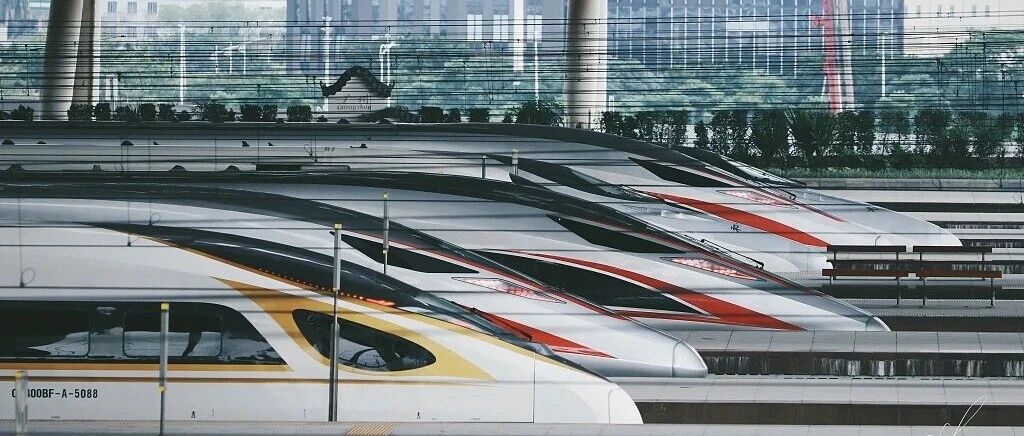
长途“有票”,短途却“无票”? 铁路12306回应售票策略
Xin Lang Cai Jing· 2026-02-15 00:04
Core Viewpoint - During the Spring Festival travel season, passengers often find that while long-distance trains show availability for the entire journey, short-distance segments may indicate no tickets available. This is attributed to a ticketing strategy prioritizing long-distance travel to maximize resource utilization and meet passenger demand [1]. Group 1: Ticketing Strategy - The ticketing process for long-distance trains involves three main stages: pre-allocation of ticket quotas (approximately 20% allocated to nearby stations), dynamic adjustments, and open sales [2]. - For example, on February 13, the G246 train from Guangzhou South to Shanghai Hongqiao had a total of 1,238 seats, with 21% (260 tickets) allocated to nearby stations during the pre-allocation phase [2]. - In the dynamic adjustment phase, from January 31 to February 11, 395 long-distance tickets were gradually released, resulting in 272 successful ticket orders and 408 tickets issued [2]. Group 2: Ticket Sales Performance - Since the beginning of the Spring Festival travel season, a total of 12.8 million tickets have been successfully issued through the ticket reservation system, achieving a success rate of over 70%, with 51% of these being short-distance tickets [2].
长途“有票” 短途却“无票”?铁路12306回应售票策略
Xin Hua Wang· 2026-02-14 22:55
Core Viewpoint - The article discusses the ticketing strategy of China's railway system during the Spring Festival travel rush, highlighting the phenomenon where long-distance trains show availability while short-distance segments do not, and explains the rationale behind this approach [1] Group 1: Ticketing Strategy - The railway department implements a "long-distance priority, short-distance consideration" ticketing strategy to optimize the use of long-distance train capacity while meeting the travel needs of passengers [1][4] - The ticketing process consists of three stages: pre-allocation of tickets, dynamic adjustment based on demand, and open sale of remaining tickets [2] Group 2: Ticket Allocation Process - In the pre-allocation phase, approximately 20% of tickets are reserved for nearby stations to accommodate medium and long-distance travelers, while the remaining tickets are allocated based on demand for long-distance segments [2] - During the dynamic adjustment phase, if tickets remain unsold after one day, the system reallocates remaining long-distance tickets to high-demand short-distance segments, prioritizing those who have submitted requests [2][4] - The open sale phase allows remaining long-distance tickets to be sold without restrictions, again prioritizing those who have submitted requests [2] Group 3: Practical Examples and Data - For example, on the G246 train from Guangzhou South to Shanghai Hongqiao, 21% of tickets were allocated to nearby stations, with subsequent adjustments made based on demand, resulting in 272 successful ticket orders from the waiting list [3] - Since the beginning of the Spring Festival, 12.8 million tickets have been successfully issued through the waiting list system, with a success rate exceeding 70%, of which 51% were short-distance tickets [4]
铁路12306回应售票策略
Xin Lang Cai Jing· 2026-02-14 21:57
Core Viewpoint - The article discusses the ticketing strategy of long-distance trains during the Spring Festival travel season, highlighting the "long-distance priority, short-distance consideration" approach to meet passenger demand effectively [1][4]. Ticketing Strategy - The railway department implements a ticketing strategy that prioritizes long-distance travel while also accommodating short-distance needs. This strategy aims to maximize the utilization of railway resources and ensure fairness in ticket distribution [1][4]. - The ticketing process consists of three main stages: 1. **Ticket Quota Pre-allocation**: 20% of tickets are allocated to nearby starting stations before sales begin, with the remaining tickets distributed based on demand for long-distance segments [2]. 2. **Dynamic Adjustment**: After ticket sales start, remaining long-distance tickets are adjusted based on demand and historical data, with a focus on fulfilling waiting list requests [2]. 3. **Open Sale**: Remaining tickets are made available for sale without restrictions on segments, prioritizing those who have submitted waiting list requests [2]. Example Case - For the G246 train from Guangzhou South to Shanghai Hongqiao, 21% of the total 1238 seats were allocated to nearby stations during the pre-allocation phase. Subsequent adjustments led to the successful fulfillment of 272 waiting list orders [3]. Passenger Demand and Ticket Fulfillment - The strategy has proven effective in meeting the rigid travel demands of passengers, especially during peak travel times like the Spring Festival. The system allows for the submission of waiting list orders when tickets are shown as "sold out" [4]. - Since the beginning of the Spring Festival, 12.8 million tickets have been fulfilled through the waiting list system, with a success rate exceeding 70%, of which 51% were short-distance tickets [4].
铁路部门:别再“买长乘短”
Xin Lang Cai Jing· 2026-02-14 20:53
Core Viewpoint - The railway ticket sales strategy prioritizes long-distance travel while accommodating medium and short-distance needs, with a focus on maximizing resource utilization and meeting passenger demand during peak travel periods like the Spring Festival [2][3]. Ticket Sales Strategy - The railway department implements a "long-distance priority, medium and short-distance accommodation" strategy to organize train services, ensuring that long-distance trains primarily meet the needs of travelers with longer journeys [2]. - The strategy involves allocating most tickets to starting stations or nearby stations to prioritize long-distance travelers, while also distributing a certain number of tickets to medium and short-distance travelers through pre-allocation and dynamic adjustments [2][3]. Ticket Release Phases - Long-distance train tickets are released in three phases: 1. **Pre-allocation**: 20% of tickets are allocated to nearby stations before sales begin, based on historical passenger data [3]. 2. **Dynamic Adjustment**: After one day of ticket sales, remaining tickets are adjusted based on demand and historical data, with a focus on fulfilling the needs of those who have submitted requests [3][5]. 3. **Open Sale**: Remaining tickets are made available for open sale one day or on the day of departure, prioritizing those who have submitted requests [3][5]. Spring Festival Ticket Demand - During the Spring Festival, the ticket demand is high, with a success rate of over 70% for supplementary ticket purchases, indicating a strong willingness to travel among passengers [6]. - The system prioritizes long-distance travelers during the initial ticket sales phase, which may lead to short-distance travelers seeing "no tickets" available, thus encouraging them to submit supplementary purchase requests [5][6]. Recommendations for Passengers - Passengers with short-distance travel needs are advised not to purchase long-distance segment tickets and should submit supplementary purchase requests when tickets are unavailable [6]. - The success rate for supplementary ticket purchases increases with more combinations of "date + train number" selected, and passengers are encouraged to consider alternative travel options to avoid unnecessary costs and resource wastage [6].