
险养融合

Search documents
大家人寿刘树杰:险养互促 提高养老规划确定性
2 1 Shi Ji Jing Ji Bao Dao· 2025-12-04 05:53
Core Viewpoint - The core viewpoint of the article emphasizes the integration of insurance and elderly care services by Dajia Life, aiming to provide a comprehensive solution that enhances the certainty of retirement planning for clients amidst the uncertainties of aging in China [1][2]. Group 1: Insurance and Elderly Care Integration - Dajia Life has developed an "insurance + elderly care" ecological business model that effectively links insurance product guarantees, retirement fund preparation, and elderly care service provision, fulfilling clients' quality retirement needs in a one-stop manner [2]. - The company aims to address the challenges of "Chinese-style elderly care," which include uncertainties in demand, service, and wealth, by leveraging the long-term funding advantages of the insurance industry to ensure stable growth of retirement wealth [1][2]. Group 2: Financial Performance and Growth - As of mid-2025, Dajia Life expects significant optimization in liability costs, with over 90,000 bank cooperation outlets in the bancassurance channel and a five-year compound annual growth rate of 85% in new individual insurance premium income [2]. - The company has achieved notable product innovation, with clients' retirement fund reserves exceeding 290 billion yuan, and over 50% of premium income coming from retirement rights [2]. Group 3: Forum and Industry Collaboration - The Fourth Insurance and Elderly Care Integration and Development Forum (Hefei Station) was co-hosted by Dajia Insurance Group and 21st Century Business Herald, aiming to provide a platform for collaboration between the insurance and elderly care sectors to address aging challenges [3].
南开大学原新:必须在原有经济发展模式上进行适老化改革
2 1 Shi Ji Jing Ji Bao Dao· 2025-12-02 14:02
Group 1 - The forum focused on the challenges posed by China's aging population, low birth rates, and increased longevity, emphasizing the need for comprehensive and long-term reforms in the aging sector [1][3] - The macro-level discussion highlighted the necessity of adapting the relationship between population and economy through a new industry structure that is knowledge, technology, and capital-intensive to achieve high-quality economic development [3] - At the meso-level, the need for a multi-pillar and multi-level pension system was stressed, along with the innovation of an aging industry system that includes emerging sectors such as culture, education, health, finance, and livability to enhance the quality of life for the elderly [3] Group 2 - The micro-level perspective indicated that while the government is responsible for basic living standards for the elderly, individuals must take responsibility for their quality of life in old age through financial mechanisms and tools [3] - The proposed model for China's new pension insurance system involves a collaborative approach where the government ensures basic needs, enterprises provide supplementary support, families contribute to care, and individuals enhance their quality of life [3] - The forum underscored the potential for innovative market-oriented pension financial products, highlighting the significant opportunities for the integration of insurance and pension services in response to demographic changes [3][4]

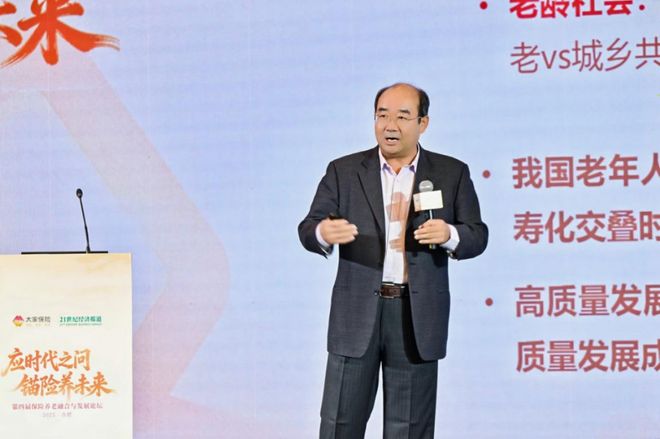
第四届保险养老融合与发展论坛(合肥站)成功举办
2 1 Shi Ji Jing Ji Bao Dao· 2025-12-01 11:13
Core Viewpoint - The aging population in China is a significant national issue, and the integration of insurance and elderly care is becoming a crucial model to address the challenges posed by this demographic shift [2][3][5]. Group 1: Forum and White Paper Insights - The "Fourth Insurance and Elderly Care Integration and Development Forum" was held in Hefei, focusing on innovative financial solutions and service upgrades in elderly care [1]. - The "China Urban Commercial Elderly Care White Paper 2026" was released, highlighting three uncertainties in "Chinese-style elderly care" and introducing a "Three-Dimensional Nine-Question" diagnostic model for families [1][5]. Group 2: Challenges and Strategic Directions - China faces four major challenges related to rapid aging: low fertility rates, insufficient wealth for retirement, weak family support, and inadequate elderly care facilities [3]. - The integration of insurance and elderly care is seen as a strategic direction for the third pillar of pension systems, with a focus on collaborative efforts among government, enterprises, families, and individuals [2][3]. Group 3: Consumer Concerns and Solutions - Consumers express concerns about the uncertainties in elderly care needs, services, and wealth management, with 67.6% prioritizing the safety of retirement wealth [5]. - The "Three-Dimensional Nine-Question" model aims to help families diagnose and plan their elderly care solutions based on these uncertainties [5]. Group 4: Integration of Insurance and Elderly Care - The integration of the elderly care and insurance sectors is viewed as a strategic choice, creating a business model that combines product and service offerings [6]. - The company has developed a comprehensive insurance product system that aligns insurance policies with elderly care benefits, promoting a dual assurance for customers [6]. Group 5: Urban Elderly Care Model - The "City Center Elderly Care" model focuses on renovating existing urban buildings to provide elderly care services, allowing seniors to remain in familiar environments [7]. - This model has been recognized for its ability to maintain close proximity to family and quality medical resources, enhancing the overall elderly care experience [7][8]. Group 6: Performance and Future Plans - As of now, the company has established 16 communities across 14 cities, with occupancy rates nearing 90% in newly opened facilities and up to 99% in mature locations [8]. - The company aims to continue evolving the "City Center Elderly Care" model, enhancing service capabilities to provide quality elderly care in urban settings [10].
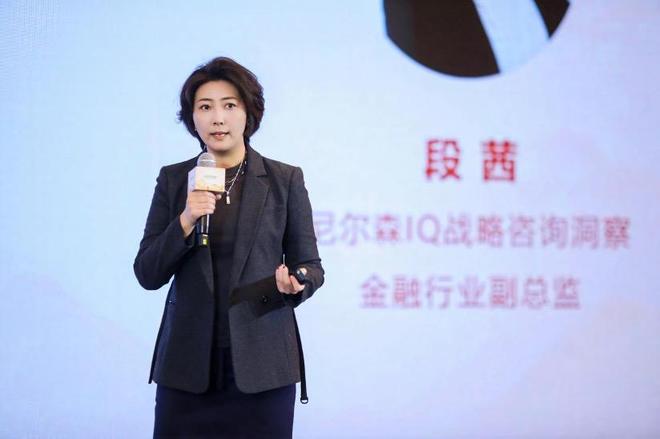
大家保险的“城心养老”:一份具有中国特色的养老答卷
Mei Ri Jing Ji Xin Wen· 2025-09-22 09:53
Core Viewpoint - The aging population in China presents both a national strategic focus and market opportunities, with Dajia Insurance actively responding by developing a "City Heart Elderly Care" model tailored to China's unique circumstances, contributing valuable insights for the development of the silver economy [1][2]. Group 1: Industry Context - By 2024, the population aged 60 and above in China is projected to reach 310.31 million, accounting for 22.0% of the total population, highlighting the urgent need for a new elderly care service ecosystem due to urbanization and changing family structures [2]. - Traditional cultural values and emotional ties to home create reluctance among the elderly to leave their long-term residences, necessitating a balance between quality medical resources and the emotional significance of "home" [2]. Group 2: Dajia Insurance's Initiatives - Dajia Insurance has established a unique elderly care ecosystem, with 16 "City Heart" communities across 14 cities, serving over 60,000 local clients and 270,000 traveling clients, and accumulating long-term premium scale exceeding 300 billion yuan [1][3]. - The "City Heart" concept aims to provide proximity to medical facilities and family, addressing the isolation of traditional elderly care communities while ensuring professional care and emotional support [3]. Group 3: Service Model and Competitive Advantage - Dajia Insurance has developed a "City Heart Elderly Care Core Competitiveness System 1.0," which includes a three-tiered service model encompassing service, value, and security layers, further divided into 12 modules [4]. - The service layer includes six key service systems: medical, rehabilitation, nursing, wellness, diet, and housing, ensuring comprehensive support for daily living and specialized care [4]. - The value layer focuses on project renovation, integrated marketing, and operational management to create differentiated competitive advantages [4]. Group 4: Integration of Insurance and Elderly Care - The elderly care ecosystem serves as a crucial link between insurance products and tangible services, transforming abstract insurance promises into visible daily care [6]. - By leveraging elderly care communities, Dajia Insurance enhances its marketing strategies and deepens customer engagement, leading to a 26% year-on-year increase in new individual insurance premiums [7]. Group 5: Future Directions - Dajia Insurance plans to continue aligning with national strategies, enhancing its elderly care initiatives, and developing integrated solutions that combine insurance products with elderly and health services [8].
