需求破坏定价

Search documents
高盛“撕报告”:如果霍尔木兹海峡未来几天没“如期恢复”,油价“巨大上行风险”迅速扩大!
美股IPO· 2026-03-07 16:03
Core Viewpoint - The oil price is at risk of exceeding $100 per barrel next week if there are no signs of recovery in the Strait of Hormuz flow within this week, and if the low flow continues throughout March, prices could surpass historical peaks from 2008 and 2022 [1][3]. Group 1: Reasons for Increased Oil Price Risk - Reason 1: The flow in the Strait of Hormuz has dropped significantly, with current daily flow down approximately 90% from normal levels, equating to a reduction of about 18 million barrels per day [4][5][6]. - Reason 2: The ability to redirect oil through alternative pipelines is severely limited, with actual redirection only increasing by about 0.9 million barrels per day, far below the theoretical capacity of 3.6 million barrels per day [7][8]. - Reason 3: Shipping companies are in a "wait-and-see" mode due to high physical risks in the Strait, indicating that the core issue is safety rather than economic costs [9][10]. Group 2: Supply Shock and Demand Destruction - Reason 4: The scale of the supply shock is unprecedented, with total supply disruptions in the Persian Gulf reaching 17.1 million barrels per day, which is 17 times the decline seen during the peak of Russian production cuts in April 2022 [12][13]. - The market is expected to price in "demand destruction" more rapidly than historical precedents due to the unprecedented scale of the shock and accelerated inventory consumption [13][14]. Group 3: Revision of Previous Optimistic Predictions - Goldman Sachs has revised its previous optimistic predictions, which were based on the assumption of a quick recovery in the Strait's flow, indicating that if no signs of normalization appear soon, oil price forecasts will be adjusted upwards [15][16]. - The actual flow is currently around 10% of normal levels, significantly lower than the previously assumed 15%, and the potential for rapid solutions is not guaranteed [16][17].


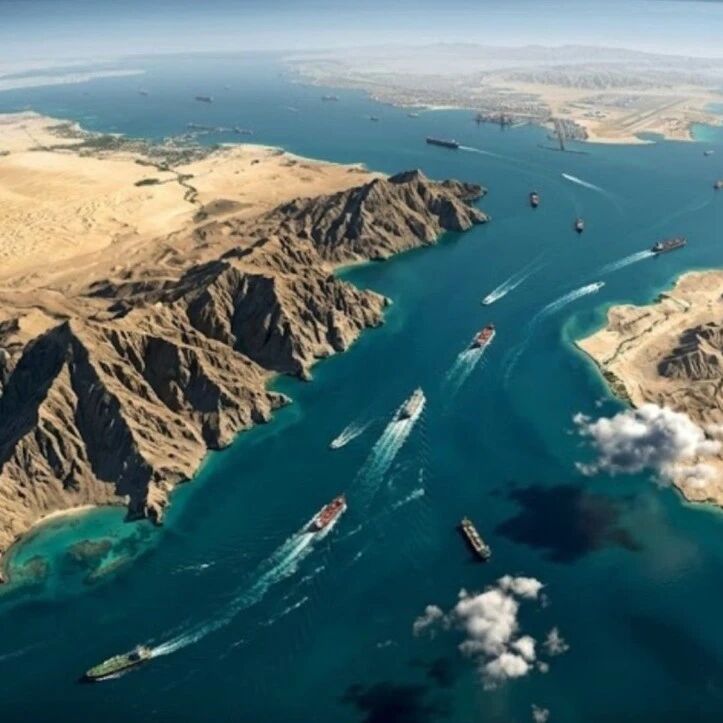
高盛“撕报告”:如果霍尔木兹海峡未来几天没“如期恢复”,油价“巨大上行风险”迅速扩大
华尔街见闻· 2026-03-07 10:56
Core Viewpoint - Goldman Sachs has revised its optimistic outlook on oil prices, indicating that the situation in the Strait of Hormuz is more severe than previously anticipated, with potential oil prices exceeding $100 per barrel if conditions do not improve soon [1][2][3]. Group 1: Current Situation and Predictions - The flow of oil through the Strait of Hormuz has dropped significantly, with current levels down approximately 90% from normal, equating to a reduction of about 18 million barrels per day (mb/d) [4][5]. - Goldman Sachs' previous expectation was that oil transport would recover to 70% of normal levels within two weeks, but the latest data suggests a much more dire situation [2][15]. - If the flow does not normalize soon, Goldman Sachs may revise its oil price forecasts upward, with extreme scenarios predicting prices could surpass historical peaks from 2008 and 2022 [2][16]. Group 2: Reasons for the Downward Revision - Reason 1: The actual decline in oil flow is worse than expected, with current levels at only about 10% of normal [5][15]. - Reason 2: The capacity for alternative pipeline rerouting is severely limited, with actual redirection only increasing by 0.9 mb/d, far below theoretical potential [6][7]. - Reason 3: Shipping companies are in a wait-and-see mode due to high physical risks in the Strait, rather than economic costs, which are still favorable for crossing [8][9]. - Reason 4: The scale of the supply shock is unprecedented, with total disruptions in the Persian Gulf reaching 17.1 mb/d, a figure significantly higher than previous historical declines [10][12]. Group 3: Market Uncertainty and Future Outlook - The duration of the conflict and its impact on oil flow remains uncertain, with estimates ranging from 10 days to over a month, contributing to market volatility [9]. - Goldman Sachs has outlined three potential paths for restoring flow, including a de-escalation of conflict, U.S. naval protection for tankers, and Iranian cooperation for safe passage [11][12]. - The rapid consumption of inventories and preemptive pricing of demand destruction are expected to occur before actual inventory levels hit critical lows, influenced by consumer behavior and export reductions from non-OECD countries [12][13].