非美供应链

Search documents
1750亿美元败仗刚签字,白宫反手全球加税10%:这不是贸易,是战争!
Sou Hu Cai Jing· 2026-02-23 17:05
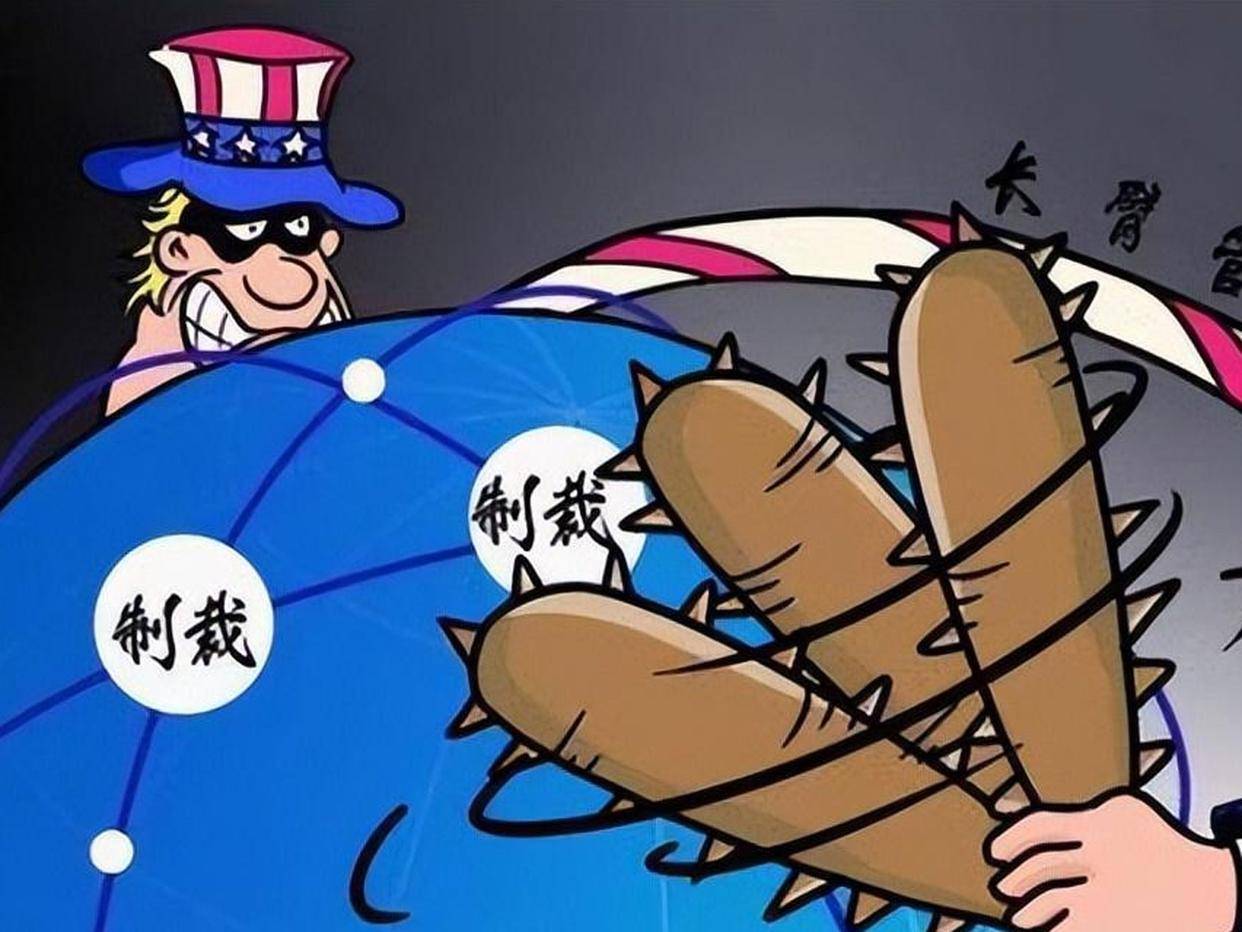
Core Viewpoint - The article discusses the U.S. government's decision to impose a 10% "defensive tariff" on nearly all imported goods, excluding Canada and Mexico, following a WTO ruling that required the U.S. to refund $175 billion due to unlawful tariffs on Chinese products. This move is seen as a retaliatory measure and a shift in global trade dynamics, leading to significant market reactions and potential conflicts with other nations [1][3][5]. Group 1 - The U.S. is imposing a 10% tariff on almost all imports, which covers approximately 96% of imported goods, as a response to a WTO ruling that mandated the return of $175 billion due to previous tariffs deemed illegal [1][3]. - The immediate market reaction included a 700-point drop in Tokyo stock futures and a 1.8% decline in the euro against the dollar, indicating a significant global market impact [3][5]. - The U.S. is using the additional tariff revenue, estimated at $120 billion annually, to fund military initiatives in the Indo-Pacific region, including the deployment of anti-ship missiles and unmanned underwater vehicles [7][9]. Group 2 - Countries such as the EU and Japan have quickly responded with their own lists of retaliatory tariffs, targeting U.S. products like Harley-Davidson motorcycles and bourbon whiskey, indicating a rapid escalation in trade tensions [5][9]. - China has initiated its own countermeasures, including applying for "cross-retaliation" at the WTO and extending export approval times for critical minerals, which could significantly impact U.S. industries reliant on these materials [9][11]. - The average tariff rate on Chinese goods entering the U.S. has now reached 31%, with similar high rates for other countries, suggesting a broadening of the trade conflict that could involve multiple global players [13][15]. Group 3 - The article highlights that the U.S. decision to impose tariffs is not just a trade issue but also a strategic maneuver to compel countries to choose sides in a global conflict, with military implications tied to economic actions [7][9]. - The U.S. faces potential backlash from its own citizens, as the new tariffs could lead to an increase of $820 in annual expenses for American households, negating previous tax cuts [15]. - The article concludes that the U.S. is in a precarious position, with its economic and military strategies facing significant challenges, and the potential for increased litigation against it in the coming months [15][17].

印度尴尬了,刚递出投名状,不到24小时,美国却要给中国降税待遇
Sou Hu Cai Jing· 2025-04-30 04:58
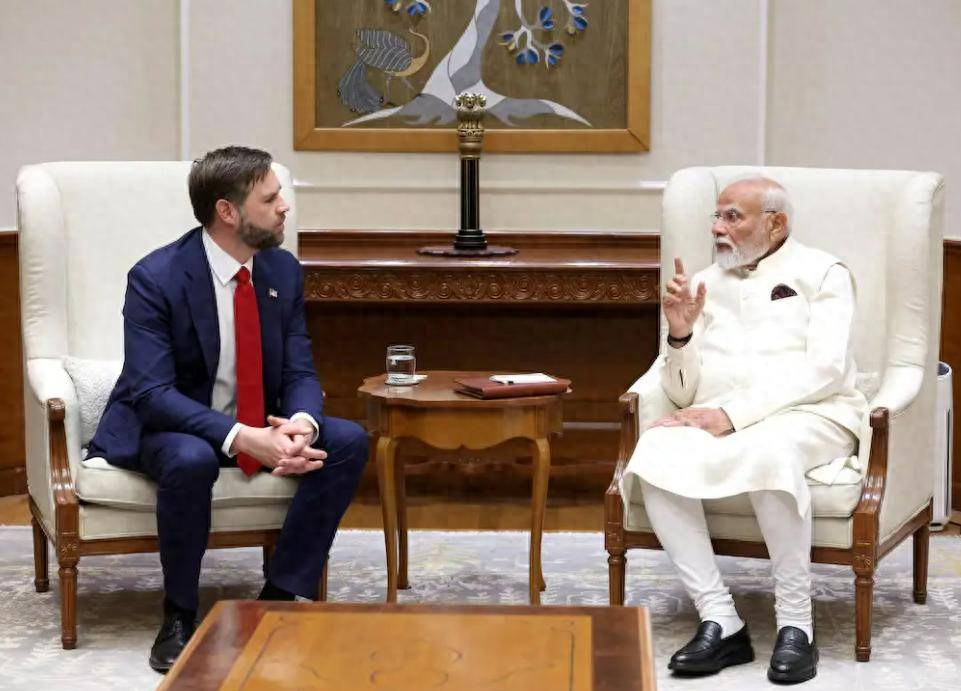
Group 1 - The Indian government has imposed a temporary 12% tariff on 22 categories of steel products imported from China, aligning with the U.S. initiative for a "non-Chinese supply chain" amid the U.S.-China trade war [1][3] - India's steel imports from China are significant, with 1.87 million tons expected in 2024 and 2025, accounting for 28% of total imports, while South Korea holds the largest share at 31% [1] - The imposition of tariffs is seen as a move to protect local industries, but it has raised concerns about the impact on downstream industries in India, such as Tata Motors, which relies heavily on Chinese steel [5][7] Group 2 - Following India's tariff announcement, U.S. President Trump indicated a potential reduction in tariffs on China, causing fluctuations in global stock markets, including a 2.66% rise in the Dow Jones index [3] - The Indian government's strategy to balance relations between the U.S. and China has been criticized as shortsighted, with the "Make in India 2.0" initiative facing challenges, as manufacturing's contribution to GDP is only 13%, far below the targeted 25% [7][9] - The reliance on Chinese components is evident, with 92% of smartphone displays and 78% of batteries used in Indian-assembled devices sourced from China, highlighting vulnerabilities in India's "assembly economy" [7]