非遗文旅

Search documents
点燃春节文旅消费
Jing Ji Ri Bao· 2026-02-06 20:35
Core Viewpoint - The upcoming Spring Festival is expected to be the longest in history, leading to a surge in tourism and cultural activities, with significant increases in bookings for flights, hotels, and travel packages, indicating a robust recovery in the tourism market [1] Group 1: Tourism Market Trends - The Spring Festival holiday is characterized by a "5 days off, 15 days off" trend, resulting in heightened activity in the cultural tourism market [1] - Online travel platforms report a continuous rise in bookings for major products such as flights, hotels, and group tours, showing a simultaneous increase in both volume and price [1] Group 2: Culinary Tourism - Food plays a crucial role in the Spring Festival, with traditional dishes being a significant draw for both locals and tourists [2] - The Guangzhou Restaurant, a time-honored brand, has seen a surge in reservations for its New Year's Eve dinner, with innovative offerings catering to younger tastes [2] - The Ministry of Culture and Tourism has launched 40 unique culinary tourism routes featuring intangible cultural heritage, enhancing the appeal of food-related travel experiences [2] Group 3: Cultural Activities and Experiences - Various regions are promoting local intangible cultural heritage through themed activities and products, such as the "Quanzhou Intangible Cultural Heritage Year" campaign, which includes over a thousand cultural events and discounts [3] - The demand for cultural experiences during the Spring Festival has increased, with a reported 40% rise in bookings for tours that include traditional performances and hands-on activities [4] Group 4: Festival Events and Celebrations - Beijing plans to host over 30 upgraded temple fairs and lantern festivals, enhancing the traditional experience with more live performances and diverse cultural offerings [5] - The cultural and tourism department has initiated a nationwide Spring Festival cultural and tourism consumption month, featuring around 30,000 events and distributing over 360 million yuan in consumer vouchers [6] Group 5: Accessibility and Services - Various regions are implementing measures to enhance accessibility for tourists, such as free public transport and extended service hours during the Spring Festival [6] - Specific initiatives include free parking, direct transport services between cities, and the introduction of smart tourism services to improve the overall travel experience [6]
各地多彩活动庆中秋:同赏中秋月 同圆家国情
Yang Shi Wang· 2025-10-06 09:50
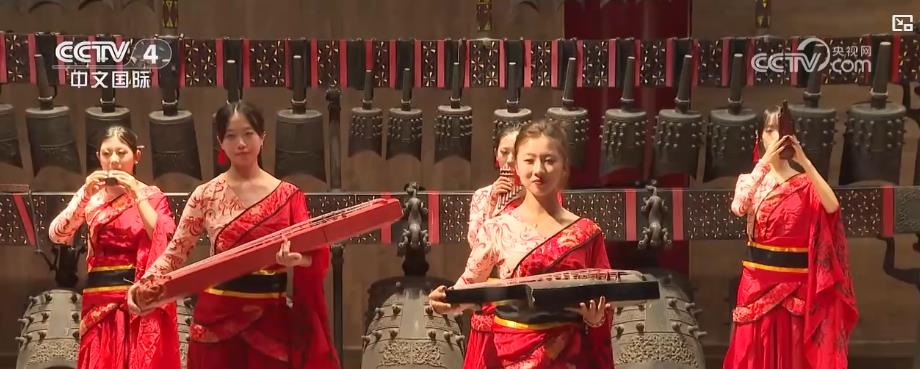
Group 1: Cultural Activities - The Mid-Autumn Festival is celebrated with various traditional activities such as making lanterns and tasting mooncakes, reflecting the cultural charm of the festival [1] - Beijing's Dazhong Temple Museum hosts a themed event "Pavilion Banquet for Mid-Autumn," featuring performances that create a festive atmosphere [3] - In Guangdong's Heyuan, the second Fish Lantern Night Tour combines modern lighting with traditional elements, enhancing cultural tourism experiences [7] Group 2: Tourism and Hospitality - The non-heritage experience market is thriving, with innovative scenarios and high-quality cultural tourism offerings being developed [7] - In Dandong, Liaoning, the local homestay market is booming, with an average occupancy rate exceeding 80% during the holiday period, driven by unique tourism projects [11] - Shanghai's mooncake market sees new innovations in flavors and designs, attracting both domestic and international consumers [14] Group 3: Regional Celebrations - Xi'an's cultural events feature non-heritage performances that enhance the holiday experience for visitors [10] - Zhejiang Longquan introduces themed activities that connect personal happiness with the festival's spirit of reunion [17]

赵丽颖带火的簪花围,千年渔村蟳埔靠非遗文旅破圈
Di Yi Cai Jing· 2025-09-24 12:07
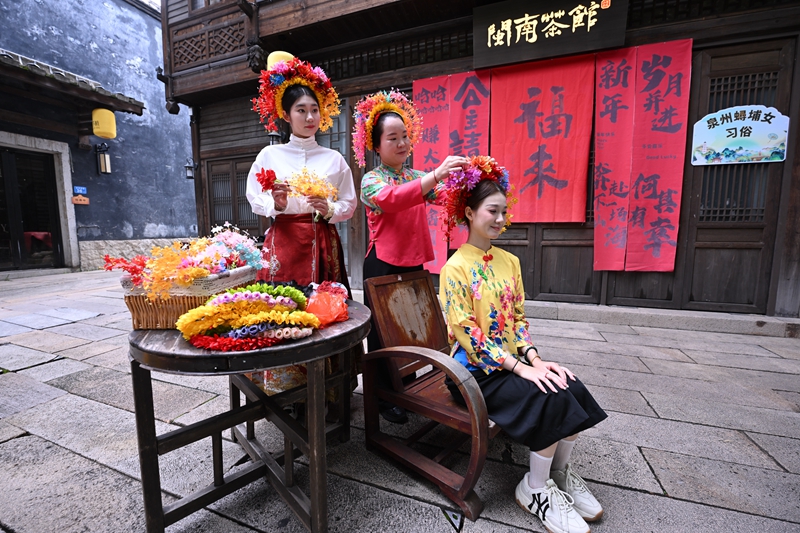
Core Insights - The popularity of the "簪花围" (hairpin flower) style, inspired by actress Zhao Liying, has significantly boosted the cultural heritage and tourism economy of Xunpu village in Quanzhou [1][3][10] - The village has seen a surge in visitors, with over 426 million tourists recorded from January to July this year, generating tourism revenue exceeding 8.6 billion yuan [10][12] - The integration of traditional culture with modern tourism has led to the establishment of over 200 flower pin shops, creating new economic opportunities for local women [3][10] Cultural Heritage and Economic Development - The "簪花围" tradition, recognized as a national intangible cultural heritage since 2008, has been revitalized through modern tourism and social media [4][10] - Local women, particularly those involved in the flower pin shops, have become cultural ambassadors, promoting the traditional attire and customs to tourists [3][6] - The collaboration with L'Oréal's beauty training program aims to empower local women by providing skills that align with the tourism market, enhancing both cultural preservation and economic opportunities [3][12] Tourism and Visitor Engagement - The village has transformed into a popular destination for tourists, with daily visitor numbers exceeding 20,000, leading to a vibrant local economy [3][10] - The experience of traditional attire and cultural practices has become a key attraction, with standardized pricing for experiences making it accessible to a wide audience [10] - The rise of social media has played a crucial role in promoting the village and its cultural offerings, with many visitors drawn by the online presence of local figures like Huang Liyong [8][10] Community and Gender Dynamics - The tourism industry in Xunpu is predominantly female, with 90% of the workforce and income generated by women, highlighting the role of women in cultural and economic development [12] - Training programs specifically targeting women aim to enhance their skills and employment opportunities, addressing issues of unemployment and underemployment in the community [12] - The resilience and cultural pride of the local women, as exemplified by Huang Liyong, serve as a driving force for the preservation and promotion of Xunpu's heritage [6][7]
端午假期哈尔滨文旅市场“热”在哪里?
Xin Lang Cai Jing· 2025-06-03 04:38
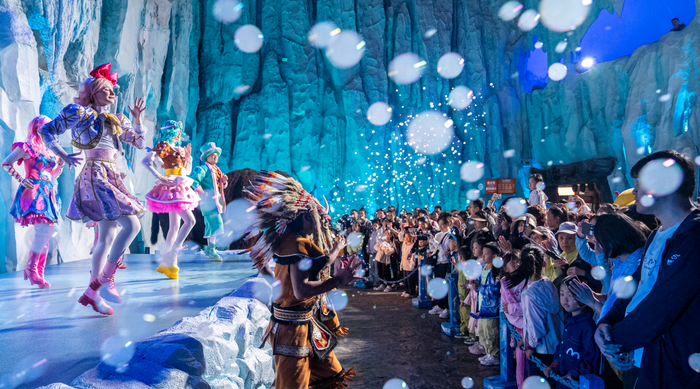
Group 1 - The core theme of the news is the surge in tourism and family activities during the overlapping holidays of the Dragon Boat Festival and Children's Day in Harbin, with various attractions and events designed to enhance visitor experiences [1][3][13] - The report from Ctrip indicates that ticket orders for Harbin increased by 50% compared to last year, with major sources of visitors coming from cities like Beijing, Changchun, Daqing, Shanghai, and Changsha [1][3] - Family-oriented activities are highlighted, with parent-child orders making up 25% of overall travel orders during the holiday, showcasing a strong demand for family-friendly tourism [3][5] Group 2 - Popular destinations during the holiday include Harbin Polarland, Northeast Tiger Park, and various themed parks, which have seen significant visitor engagement [3][5] - The Polarland showcased a unique performance featuring beluga whales, blending traditional Chinese culture with modern entertainment, which resonated well with visitors [3][5] - The Poseidon Resort introduced a "Sea Monster Adventure" theme, attracting a 30% increase in visitor numbers compared to previous periods, emphasizing the appeal of water-based activities [5][10] Group 3 - The camping trend gained traction, with events like the camping festival at Yabuli attracting families and young tourists, highlighting a preference for nature-based experiences [8][10] - The camping events featured various activities such as motorcycle parades and outdoor movies, enhancing the overall experience for attendees [10][12] - The first Dragon Boat Festival non-heritage market at Sun Island attracted many visitors, combining cultural heritage with modern tourism, thus enriching the holiday experience [13][17] Group 4 - The integration of intangible cultural heritage into holiday celebrations was evident, with various interactive experiences and workshops available for visitors [13][15] - The non-heritage market featured traditional crafts and food-making experiences, allowing visitors, especially children, to engage with cultural practices hands-on [15][17] - The collaboration of traditional crafts with modern themes attracted significant interest, showcasing the potential for cultural tourism to thrive during festive periods [17]