预制菜时代

Search documents
厨师正在消失
投资界· 2026-01-19 08:47
Core Viewpoint - The article discusses the evolution of the culinary industry in China, highlighting the tension between the rise of pre-prepared meals and the enduring appeal of freshly cooked dishes that embody the "human warmth" of traditional cooking [2][33]. Group 1: Industry Trends - The culinary industry is experiencing a shift towards standardization and industrialization, with many restaurants adopting pre-prepared meals to streamline operations and reduce costs [23][24]. - Despite the trend towards pre-prepared meals, there remains a strong consumer desire for freshly made dishes, as evidenced by the popularity of restaurants that emphasize "wok hei" (the unique flavor from high-heat cooking) [3][29]. - The rise of reality cooking shows has rekindled interest in the culinary arts, showcasing the craftsmanship and stories behind cooking, which helps to elevate the perception of chefs and their work [3][4]. Group 2: Chef Experiences - The article features personal stories from chefs of varying backgrounds, illustrating the diverse paths individuals take to enter the culinary field, from traditional apprenticeships to non-traditional routes [12][17]. - Chefs like Xu, who started as a vegetable cutter and worked his way up, emphasize the importance of hands-on experience and the challenges faced in mastering culinary skills [10][11]. - The narrative of chefs transitioning from other careers, such as university students or professionals in unrelated fields, highlights a growing trend of individuals pursuing their passion for cooking later in life [12][17][20]. Group 3: The Role of Pre-prepared Meals - Pre-prepared meals are becoming increasingly popular due to their convenience and consistency, allowing restaurants to maintain quality while reducing labor costs [24][26]. - The development of composite sauces and pre-prepared ingredients simplifies cooking processes, making it easier for less experienced cooks to produce consistent results [24][26]. - However, the article notes that the essence of traditional cooking, characterized by the unique flavors and techniques that skilled chefs bring, cannot be fully replicated by industrial methods [29][30]. Group 4: Future of the Culinary Industry - The future of the culinary industry may see chefs operating in more diverse environments, such as private kitchens and culinary labs, rather than being confined to traditional restaurant settings [33]. - As the industry evolves, the value of traditional skills and the ability to create dishes with "wok hei" will continue to hold significance, ensuring that the role of chefs remains vital [33].

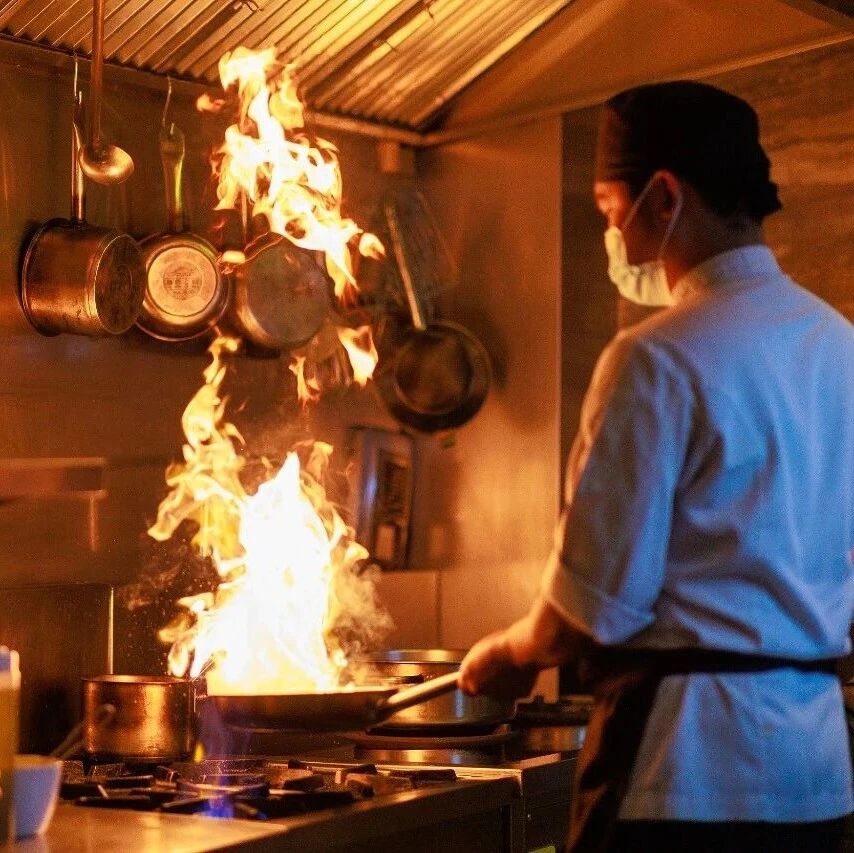
外卖时代或将终结,一个全新的行业正在加速突围,你准备好了吗?
Sou Hu Cai Jing· 2025-09-01 17:34
Core Viewpoint - The rise of pre-prepared meals is transforming the food delivery and restaurant industry, potentially leading to the decline of traditional food delivery services as consumers prefer the convenience and cost-effectiveness of retail pre-prepared meals [3][13]. Industry Trends - The number of food delivery users in China has surpassed 550 million, indicating that one in every two internet users has ordered food delivery [1]. - Over 70% of restaurant chains have adopted a central kitchen model, with some large brands like Zhen Gongfu and Xi Bei using pre-prepared meals for over 80% of their offerings [5]. - The pre-prepared meal market is projected to reach a scale of 485 billion yuan in 2024, with a year-on-year growth of 33.8%. It is expected to grow to 617.3 billion yuan in 2025 and 749 billion yuan by 2026, indicating a potential trillion-yuan market in the coming years [7]. Consumer Behavior - Consumers are increasingly aware that many food deliveries consist of pre-prepared meals, leading to a shift towards purchasing these meals directly for home preparation, which offers more control over cooking and portion sizes [3][13]. - The convenience of pre-prepared meals allows restaurants to reduce wait times from over ten minutes to just a few minutes, enhancing operational efficiency and increasing revenue potential [7]. Safety and Quality Concerns - There are ongoing debates regarding the safety and nutritional value of pre-prepared meals. Supporters argue that industrial production ensures quality and safety, while critics highlight risks associated with improper storage and the loss of nutrients through reheating [9]. - The National Market Supervision Administration has issued guidelines for the pre-prepared meal industry, emphasizing the need for a comprehensive traceability system from production to sales to ensure safety standards [10]. Future Outlook - While the food delivery era is not expected to end imminently, the increasing use of pre-prepared meals and the growth of the pre-prepared meal market suggest a significant shift in consumer preferences towards home-cooked convenience [13]. - The industry is likely to see enhanced regulatory measures and technological innovations in preservation techniques, which will improve the quality and safety of pre-prepared meals, potentially increasing consumer acceptance [11][13].