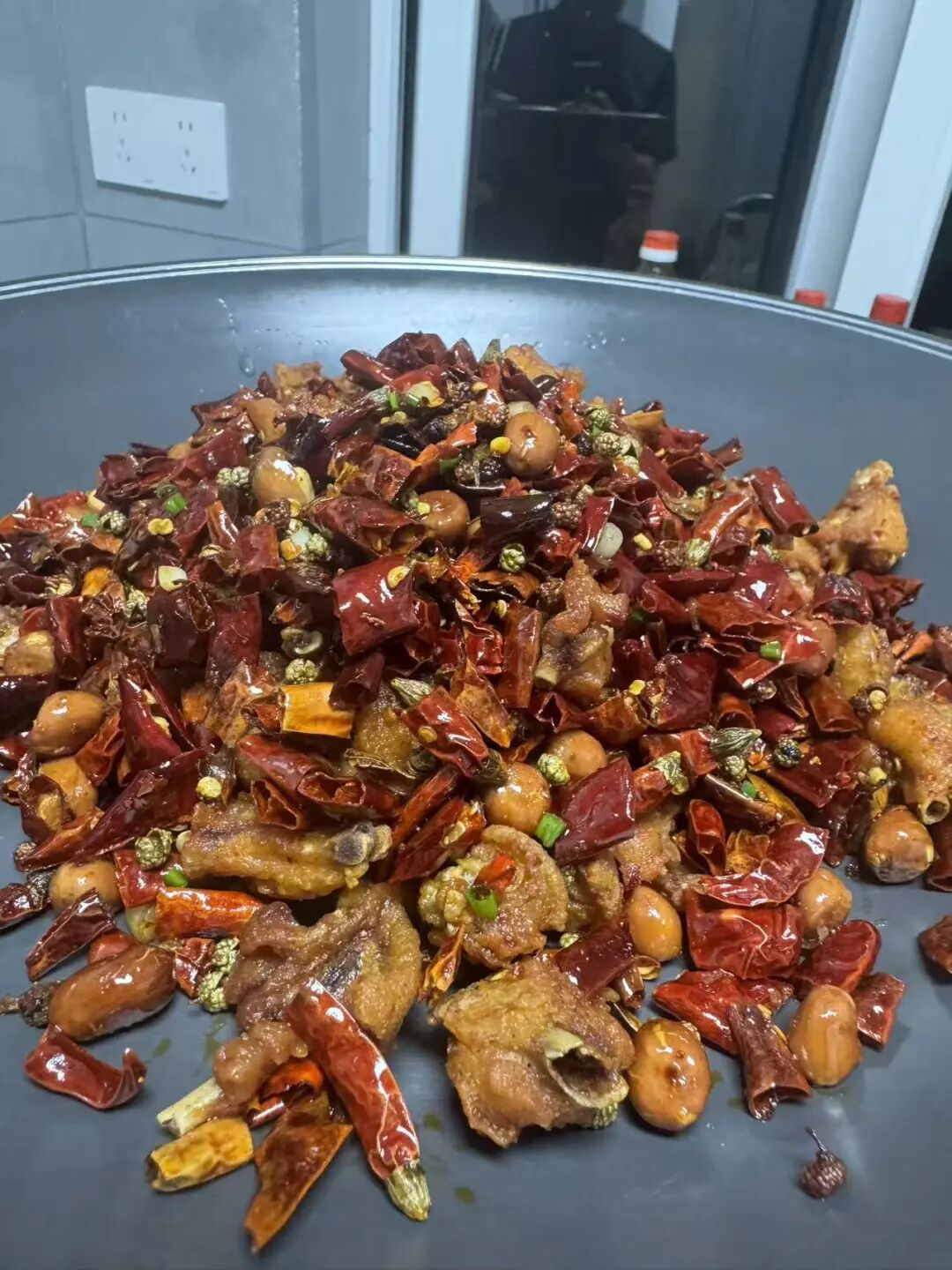
镬气

Search documents
厨师正在消失
投资界· 2026-01-19 08:47
Core Viewpoint - The article discusses the evolution of the culinary industry in China, highlighting the tension between the rise of pre-prepared meals and the enduring appeal of freshly cooked dishes that embody the "human warmth" of traditional cooking [2][33]. Group 1: Industry Trends - The culinary industry is experiencing a shift towards standardization and industrialization, with many restaurants adopting pre-prepared meals to streamline operations and reduce costs [23][24]. - Despite the trend towards pre-prepared meals, there remains a strong consumer desire for freshly made dishes, as evidenced by the popularity of restaurants that emphasize "wok hei" (the unique flavor from high-heat cooking) [3][29]. - The rise of reality cooking shows has rekindled interest in the culinary arts, showcasing the craftsmanship and stories behind cooking, which helps to elevate the perception of chefs and their work [3][4]. Group 2: Chef Experiences - The article features personal stories from chefs of varying backgrounds, illustrating the diverse paths individuals take to enter the culinary field, from traditional apprenticeships to non-traditional routes [12][17]. - Chefs like Xu, who started as a vegetable cutter and worked his way up, emphasize the importance of hands-on experience and the challenges faced in mastering culinary skills [10][11]. - The narrative of chefs transitioning from other careers, such as university students or professionals in unrelated fields, highlights a growing trend of individuals pursuing their passion for cooking later in life [12][17][20]. Group 3: The Role of Pre-prepared Meals - Pre-prepared meals are becoming increasingly popular due to their convenience and consistency, allowing restaurants to maintain quality while reducing labor costs [24][26]. - The development of composite sauces and pre-prepared ingredients simplifies cooking processes, making it easier for less experienced cooks to produce consistent results [24][26]. - However, the article notes that the essence of traditional cooking, characterized by the unique flavors and techniques that skilled chefs bring, cannot be fully replicated by industrial methods [29][30]. Group 4: Future of the Culinary Industry - The future of the culinary industry may see chefs operating in more diverse environments, such as private kitchens and culinary labs, rather than being confined to traditional restaurant settings [33]. - As the industry evolves, the value of traditional skills and the ability to create dishes with "wok hei" will continue to hold significance, ensuring that the role of chefs remains vital [33].

曾经就业率100%的王牌职业,年轻人舍不得它落寞
36氪· 2026-01-18 02:08
Core Viewpoint - The chef industry is not disappearing but is evolving, balancing between standardization and the consumer's desire for fresh, handmade food [2][44]. Group 1: Industry Trends - The restaurant industry is increasingly moving towards standardization and efficiency, with many kitchens adopting streamlined processes and pre-made ingredients [2][33]. - Despite the trend towards industrialization, there is a growing consumer demand for fresh, made-to-order meals, as seen in the popularity of restaurants that emphasize traditional cooking methods [2][44]. - Shows like "The Hundred Chefs Battle" and "A Meal Sealed with a God" have brought attention to the culinary arts, highlighting the craftsmanship and stories behind cooking [2][3]. Group 2: Chef Experiences - Chefs from various backgrounds share their journeys, illustrating the diverse paths into the culinary profession, from traditional apprenticeships to modern culinary education [3][20]. - The story of Xu, a chef who started as a kitchen apprentice, emphasizes the rigorous training and challenges faced in mastering culinary skills, including the importance of mentorship and hands-on experience [6][11][43]. - The experiences of chefs like Cui Di and A Pan, who transitioned from different fields into cooking, highlight the evolving nature of the culinary profession and the increasing acceptance of non-traditional backgrounds in the industry [20][24][28]. Group 3: Culinary Techniques and Innovations - The rise of pre-made sauces and ingredients reflects a shift towards efficiency in the kitchen, allowing for consistent flavors while reducing the skill required from chefs [33][34]. - The concept of "wok hei," or the unique flavor imparted by high-heat cooking, remains a challenge for pre-made meals to replicate, emphasizing the irreplaceable value of skilled chefs [40][41]. - The culinary landscape is witnessing a blend of traditional and modern techniques, with chefs increasingly experimenting with fusion cuisine and innovative cooking methods [20][22][44].
曾经就业率100%的王牌职业,年轻人舍不得它落寞
虎嗅APP· 2026-01-17 09:01
Core Viewpoint - The article discusses the evolving landscape of the culinary industry, highlighting the tension between the increasing standardization of food preparation and the enduring consumer desire for fresh, handmade dishes. It suggests that while the traditional role of chefs is changing, the essence of culinary craftsmanship remains vital and is adapting to new forms of service and presentation [4][41]. Group 1: Industry Trends - The rise of pre-prepared meals allows for easy replication and mass production, yet the unique flavors and warmth created by chefs cannot be fully replicated [4][41]. - There is a growing consumer preference for "freshly made" dishes, as seen in the popularity of restaurants that emphasize traditional cooking methods, such as Jiangxi stir-fry and local fast-food chains [5]. - Culinary shows like "Hundred Chefs Battle" and "One Meal Sealed with a God" have brought attention to the culinary arts, showcasing the stories and skills of chefs, thus revitalizing interest in the profession [5]. Group 2: Chef Experiences - The journey of chefs varies widely; for instance, Xu, who started as a kitchen apprentice, emphasizes the importance of mastering foundational skills like knife work and ingredient preparation, which are critical for kitchen efficiency and quality [7][10]. - Xu's experience reflects the traditional apprenticeship model in the culinary field, where knowledge is often passed down through mentorship and personal experience [9][12]. - The article also highlights non-traditional paths into the culinary world, such as those taken by graduates from other fields who pursue cooking out of passion, demonstrating the diverse backgrounds of modern chefs [14][19]. Group 3: Culinary Techniques and Innovations - The article notes that the culinary industry is increasingly moving towards standardization and industrialization, with companies developing composite sauces that simplify cooking processes and reduce the need for skilled labor [30][34]. - Despite the rise of pre-prepared meals, the article argues that the unique qualities of freshly cooked dishes, characterized by "wok hei," cannot be replicated by industrial methods, emphasizing the importance of chef expertise in achieving authentic flavors [37][41]. - The evolution of the culinary profession is also marked by the emergence of private chefs and home dining experiences, which allow chefs to connect more personally with consumers and showcase their skills in a more intimate setting [41][42].
曾经就业率100%的王牌职业,年轻人舍不得它落寞
3 6 Ke· 2026-01-14 02:39
Group 1 - The core idea of the articles revolves around the evolving landscape of the culinary industry, highlighting the tension between industrialized food production and the artisanal craftsmanship of chefs [1][36] - The rise of pre-prepared meals and standardized cooking processes contrasts with consumers' increasing desire for fresh, handmade dishes, indicating a shift in dining preferences [1][36] - Culinary shows and social media have rekindled interest in traditional cooking methods and the stories behind chefs, suggesting that the culinary profession is not disappearing but transforming [1][2] Group 2 - High-end private dining and fusion cuisine are emerging trends, reflecting a blend of traditional and modern culinary practices that cater to diverse consumer tastes [2] - The experiences of chefs from various backgrounds illustrate the diverse pathways into the culinary profession, emphasizing the importance of passion and dedication in mastering culinary skills [3][20] - The culinary industry is witnessing a shift towards more flexible and innovative cooking environments, with chefs increasingly operating outside traditional restaurant settings [36][37] Group 3 - The role of chefs is evolving, with positions like "head cutter" becoming crucial in kitchen operations, impacting restaurant profitability and food quality [11][12] - The culinary profession is characterized by rigorous training and apprenticeship, where skills are honed through years of practice and mentorship [8][12] - The integration of technology and pre-prepared ingredients in the culinary industry is changing the skill set required for chefs, emphasizing food safety and management over traditional cooking techniques [29][31]