预制菜转型

Search documents
钱没赚到,账先乱套,龙大美食的“窟窿”有点大
3 6 Ke· 2026-02-04 11:24
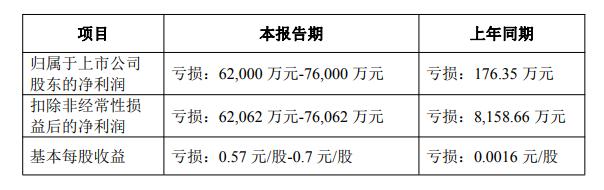
Core Viewpoint - Longda Food is facing significant challenges, including a projected loss of 620 million to 760 million yuan for 2025, which marks a substantial increase from the previous year's loss of 1.76 million yuan [2][4]. Financial Performance - The company has reported a projected net loss for 2025 of 620 million to 760 million yuan, compared to a loss of 176.35 thousand yuan in the same period last year [2][5]. - The adjusted financial data for 2021 to 2024 shows net profits of -662 million yuan, 52.67 million yuan, -1.562 billion yuan, and -176.35 thousand yuan respectively, indicating a total of three consecutive years of losses [11]. - The company’s net profit margins have been under pressure, with the slaughtering segment's gross margins fluctuating between 1.47% and 3.51% over the past four years, with some years even showing negative margins [17][19]. Regulatory Issues - Longda Food has been ordered to rectify its financial practices due to violations related to the capitalization of interest on convertible bonds from 2021 to 2024, leading to inaccurate financial disclosures [3][7]. - Several executives, including the chairman and CFO, have been held accountable for these violations, which have raised concerns about the company's governance and transparency [11][15]. Business Challenges - The company has struggled with profitability in its core business of pig farming and slaughtering, heavily impacted by low pork prices and high operational costs [16][17]. - Despite a strategic shift towards pre-prepared foods, the anticipated growth in this segment has not materialized, and the company has faced challenges in the B2B market due to negative consumer perceptions of pre-prepared foods [25]. Strategic Adjustments - Longda Food has initiated several operational adjustments, including reducing underperforming slaughtering facilities and investing in automated equipment to enhance efficiency [22]. - The company aims to optimize its resource allocation and improve profitability in its food processing segment, but the impact of these changes has yet to be significantly reflected in its financial performance [24].


国联水产2025年业绩承压 积极谋转型
Zheng Quan Ri Bao Zhi Sheng· 2026-01-31 03:38
Core Viewpoint - Guolian Aquatic Development Co., Ltd. is expected to continue experiencing losses in 2025 due to cyclical fluctuations in the aquatic industry, low prices of core products, and strategic transformation adjustments [1] Industry Analysis - The aquatic industry is currently at a cyclical low, with prices of key products like South American white shrimp remaining depressed, which is eroding the gross margins of traditional aquatic product processing businesses [1] - The overall market demand and product prices are weak, further intensifying operational pressures, while fluctuations in raw material prices have led to increased inventory impairment losses [1] Company Strategy - Guolian Aquatic is undergoing a significant business transformation, shifting focus from a full industry chain layout to concentrating on the prepared food sector, which is expected to optimize its business structure [1] - The company is implementing a "state-owned capital injection + asset divestiture" strategy to streamline its business structure and fully concentrate on the prepared food main business [1] Capital Empowerment - In July 2025, Guolian's wholly-owned subsidiary received strategic investment from the Ocean No. 1 Industry Development Investment Fund, aimed at capacity optimization, marketing channel expansion, and working capital supplementation [2] - The partnership with the state-owned fund is expected to enhance the company's leading position in the aquatic deep processing industry through resource synergy and will facilitate the scale expansion and value chain enhancement of the prepared food business [2] Business Performance - The revenue share of prepared foods is continuously increasing, with the "321 big product strategy" showing significant results, including multiple billion-yuan sales products like breaded shrimp and seasoned crayfish [2] - The company has achieved deep development in both domestic and international markets, becoming a core supplier for major restaurant chains and signing billion-yuan orders with various partners [2] - International business revenue and profits grew over 50% in the first half of 2025, successfully expanding into new markets in Eastern Europe and South Korea [2] Future Planning - In January 2026, Guolian Aquatic held a strategic planning meeting to focus on quality, delivery, and profit, setting a tone for refined operations and a shift towards profit growth [3] - The company plans to concentrate resources on core prepared food categories, enhance product innovation and quality, and strengthen competitiveness in major products [3] - There will be a focus on penetrating third and fourth-tier city markets and expanding into emerging overseas markets while optimizing the dual circulation sales structure [3]

预制菜转型受挫,国联水产又因信披违规收函
Bei Jing Shang Bao· 2025-11-26 13:15
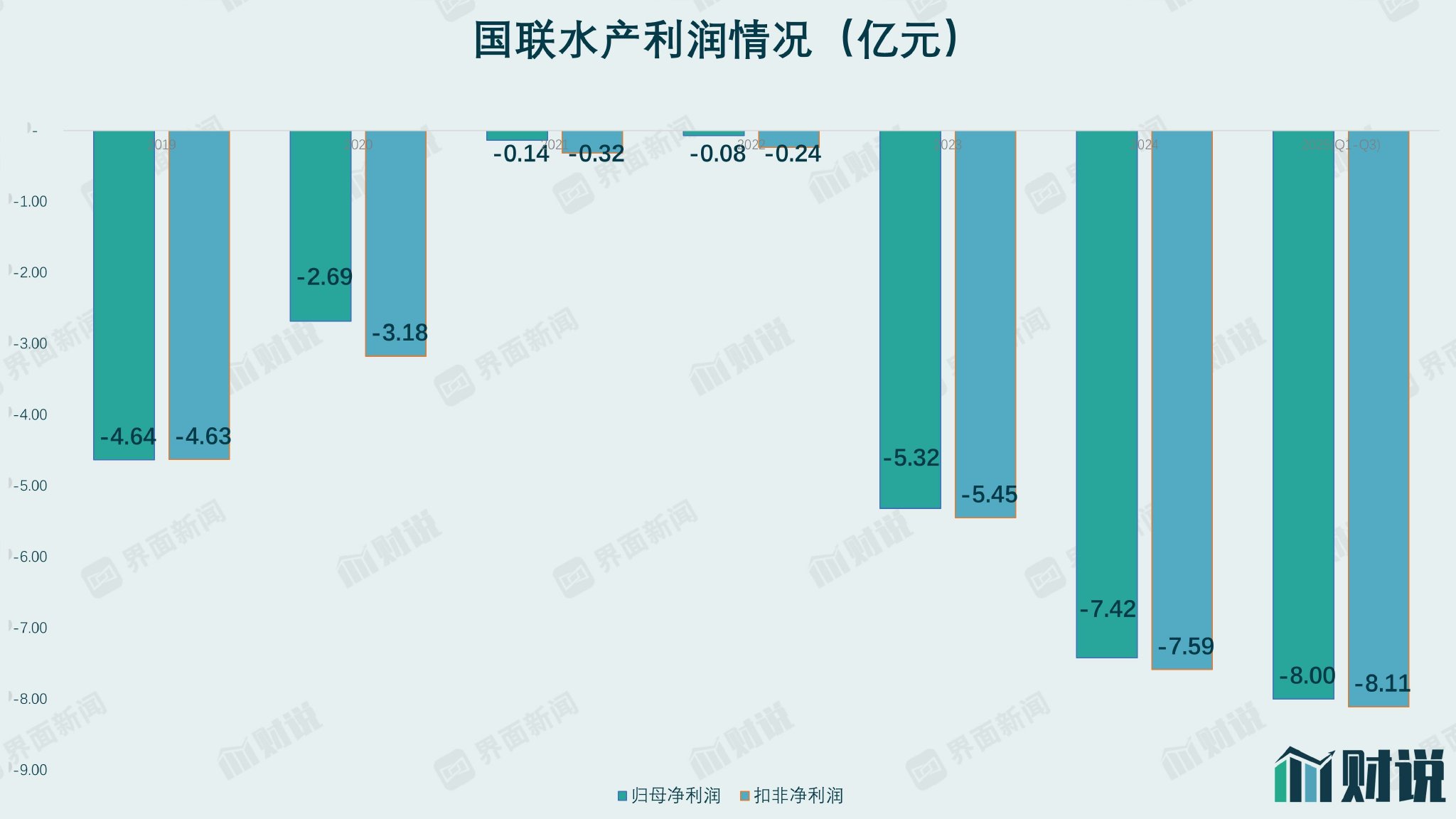
Core Viewpoint - Guolian Aquatic Products has faced regulatory penalties for repeated violations of information disclosure regulations, indicating serious internal governance issues and challenges in its business transformation efforts [1][4]. Group 1: Regulatory Issues - Guolian Aquatic Products received a warning letter from the Guangdong Securities Regulatory Bureau for violating the Information Disclosure Management Measures, marking the second such penalty in seven months [1][3]. - The company failed to disclose a loan of 7.8 million yuan to its largest shareholder, New Yu Guotong, in a timely manner, which constituted non-operating fund occupation [3][4]. - The company has received regulatory warnings four times from 2020 to 2024 for similar information disclosure violations, reflecting ongoing governance and compliance issues [4][6]. Group 2: Financial Performance - Guolian Aquatic Products has been in a continuous loss situation since 2019, with net profits from 2019 to 2024 recorded at -464 million yuan, -269 million yuan, -13.84 million yuan, -7.58 million yuan, -532 million yuan, and -742 million yuan respectively [6][7]. - In the first three quarters of the current year, the company reported revenue of 2.582 billion yuan, a year-on-year decline of 14.29%, with a net loss of 799 million yuan [6][7]. Group 3: Business Transformation Efforts - The company has been attempting to transform its business model by divesting from unprofitable upstream aquaculture operations and focusing on the prepared food sector [7][8]. - Guolian Aquatic Products aims to achieve a revenue target of 2.5 billion yuan from prepared foods by 2025, with a compound annual growth rate of over 30% [7]. - However, the company has faced challenges in differentiating its products in the prepared food market and has ceased disclosing specific sales figures for this segment since mid-2024 [8].
国联水产涨停背后:业绩深陷亏损泥潭,核心品类竞争力不足
Zhong Guo Neng Yuan Wang· 2025-11-20 06:06
Core Viewpoint - The aquaculture industry is experiencing improved conditions due to regulatory measures, leading to a significant reduction in vicious competition and a more favorable environment for quality enterprises. However, Guolian Aquatic Products is facing severe financial difficulties despite a rising stock price, raising questions about the sustainability of its market performance [1][7]. Industry Overview - The total output of aquatic products in China reached 51.6878 million tons from January to September this year, marking a year-on-year increase of 4.51% [1]. - Companies like Zhongshui Fisheries and Kaichuang International reported substantial profit increases of 230.08% and 269.47% respectively in the first three quarters [1]. Company Performance - Guolian Aquatic Products reported a significant decline in revenue, with a total of 1.651 billion yuan in the first half of the year, down 18.36% year-on-year, and a third-quarter revenue of 931 million yuan, down 6.00% year-on-year. Cumulatively, revenue for the first nine months was 2.582 billion yuan, a decrease of 14.29% [2][3]. - The company faced a staggering net loss of 800 million yuan in the first nine months, a decline of 905.30% year-on-year, exceeding the total loss of 742 million yuan for the entire year of 2024 [2][3]. Financial Challenges - Guolian Aquatic Products' third-quarter loss reached 259 million yuan, a decline of 167.23% year-on-year. The company has been in a continuous loss situation for six and a half years, indicating a persistent "loss inertia" [2][3][4]. - The company recorded asset impairment losses of 372 million yuan, an increase of 166.20% year-on-year, primarily due to increased inventory write-downs [3]. Strategic Issues - The company's product structure is deemed unbalanced, with a heavy reliance on low-margin traditional products like South American white shrimp, which are significantly affected by raw material price fluctuations [4][5]. - Guolian Aquatic Products has struggled to establish a competitive edge in the prepared food market, lacking standout products that resonate with consumers, leading to challenges in differentiation [5][6]. Market Position - Despite the company's financial struggles, its stock price has surged by 45% over five trading days, raising concerns about whether this is a sign of value recovery or a market bubble [1][7]. - As of November 19, the company's market capitalization reached approximately 6 billion yuan, with a dynamic price-to-earnings ratio that remains negative [7].
财说| 国联水产涨停背后:业绩深陷亏损泥潭,核心品类竞争力不足
Xin Lang Cai Jing· 2025-11-20 00:05
Core Insights - The aquaculture industry is experiencing a significant improvement in its competitive environment due to the implementation of safety regulations, leading to a 4.51% year-on-year increase in domestic aquatic product output to 51.68 million tons from January to September this year [1] - Companies like Zhongshui Fisheries and Kaichuang International have reported substantial profit growth, with net profits increasing by 230.08% and 269.47% respectively in the first three quarters [1] - Conversely, Guolian Aquatic Products is facing a paradox of expanding losses while its stock price has surged by 45% over the last five trading days, despite a significant decline in revenue and profitability [1] Company Performance - Guolian Aquatic Products reported a revenue of 1.651 billion yuan in the first half of the year, a decrease of 18.36% year-on-year, and a third-quarter revenue of 931 million yuan, down 6.00% year-on-year [2] - Cumulatively, the company’s revenue for the first nine months was 2.582 billion yuan, a decline of 14.29% compared to the previous year, which contrasts sharply with the overall industry growth [2] - The company’s net loss for the first three quarters reached 800 million yuan, a staggering decline of 905.30% year-on-year, indicating a worsening financial situation [2][3] Profitability Issues - Guolian Aquatic Products has been in a continuous loss situation for six and a half years, with the third quarter of 2025 showing a single-quarter loss of 259 million yuan, a decline of 167.23% year-on-year [4][6] - The company has recorded significant asset impairment losses of 372 million yuan, a 166.20% increase year-on-year, primarily due to increased inventory write-downs [3][6] - The decline in revenue is attributed to a shrinking market for trade products, poor consumption sentiment in the aquatic sector, and low prices for key products like South American white shrimp [6] Strategic Challenges - The company’s strategic execution has been inconsistent, with multiple shifts in direction failing to establish a clear growth path [11] - Guolian Aquatic Products has struggled to develop competitive core products in the prepared food sector, despite its early entry into this market [7][9] - The lack of a standout product in the prepared food category has hindered the company’s ability to differentiate itself in a highly competitive market [10] Market Position - Despite the weak fundamentals, Guolian Aquatic Products has seen its stock price rise significantly since August, with a total market value nearing 6 billion yuan, even as it reported a net loss of 800 million yuan for the first three quarters [13] - The company’s dynamic price-to-earnings ratio remains negative, highlighting the disconnect between market performance and financial health [13]