
风物旅行

Search documents
年轻人爱上“风物旅行” 沉浸式感受在地文化
Zhong Guo Xin Wen Wang· 2025-12-06 02:55
Core Insights - The rise of "cultural travel" among young Chinese tourists emphasizes a desire for deeper cultural experiences rather than mere sightseeing, focusing on local life and traditions [1][5][6] Group 1: Cultural Travel Trends - Young travelers are increasingly seeking "cultural travel," which involves engaging with local customs, food, and festivals, rather than just visiting popular tourist spots [1][2] - The "Cultural Report" released by the China Tourism Research Institute and Mafengwo highlights that young people want to understand the culture, history, and lifestyle of their travel destinations [1][2] Group 2: Local Cultural Events - Events like the "Ma Street Book Fair" in Henan and traditional celebrations in Tianjin and Fujian are attracting young tourists who wish to experience local culture firsthand [2][5] - Young travelers are actively planning trips around local festivals and cultural activities, indicating a shift towards immersive experiences [2][5] Group 3: Economic Impact on Small Towns - The emergence of "cultural travel" is revitalizing lesser-known small towns, such as Ge Gu Town in Tianjin, which is known for its rich cultural heritage and local festivals [5][6] - The popularity of local events has led to increased tourism, with tens of thousands of visitors attending festivals, boosting local economies and cultural product sales [5][6] Group 4: Long-term Implications - "Cultural travel" is becoming a new growth point for the cultural and tourism economy in small towns, as young people's interest in local culture translates into stable consumer demand [6] - Destinations are now focusing on enhancing cultural offerings and creating immersive tourism products that can attract visitors year-round, making cultural experiences a sustainable resource [6]

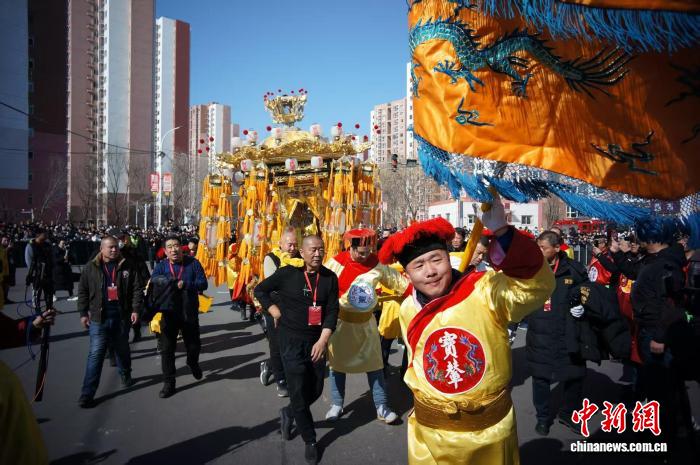
(神州写真)年轻人爱上“风物旅行” 沉浸式感受在地文化
Zhong Guo Xin Wen Wang· 2025-12-05 05:57
Core Viewpoint - The rise of "cultural travel" among young Chinese tourists reflects a shift from traditional sightseeing to immersive experiences that emphasize local culture and lifestyle [1][6]. Group 1: Definition and Trends - "Cultural travel" refers to experiences that highlight unique local cultural expressions, including traditional cuisine, festivals, intangible cultural heritage, and local customs [1]. - A report by the China Tourism Research Institute and Mafengwo indicates that young travelers are increasingly seeking to understand the culture, history, and lifestyle of their destinations, moving beyond mere photo opportunities [1]. Group 2: Local Experiences - Young tourists are prioritizing "on-the-ground experiences," desiring to engage with local life and culture, as evidenced by their participation in local activities and festivals [3]. - Events such as the "Ma Street Book Fair" in Henan and traditional activities in Tianjin and Fujian are attracting young visitors who wish to experience local customs firsthand [3][4]. Group 3: Impact on Local Economies - The popularity of "cultural travel" is revitalizing lesser-known towns, such as Gegu Town in Tianjin, which has seen an influx of tourists due to its unique cultural heritage and festivals [6]. - The transformation from "sightseeing" to "living" is expanding cultural spaces from tourist attractions to everyday life, enhancing local economies and cultural recognition [6][7]. Group 4: Future Prospects - "Cultural travel" is expected to become a new growth point for the cultural and tourism economy in small towns and counties, driven by young people's interest in local culture [7]. - Many regions are now developing immersive cultural tourism products and aiming to make festival experiences more regular and sustainable, thus attracting visitors year-round [7].
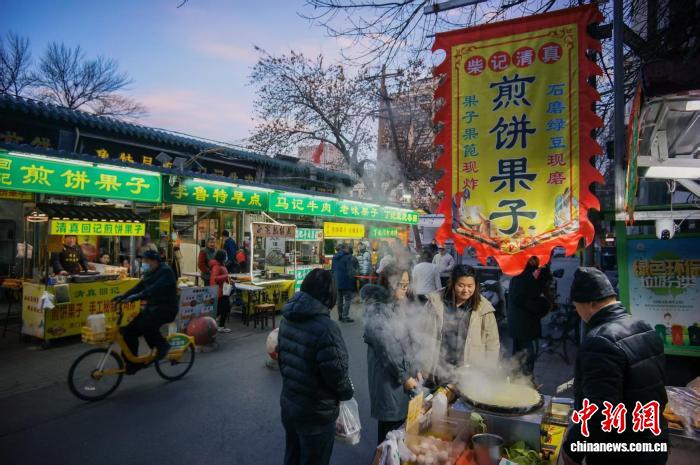
下一站,开启风物旅行
Ren Min Ri Bao Hai Wai Ban· 2025-11-13 22:52
Core Insights - The article discusses the growing trend of "cultural travel" in China, where tourists are increasingly seeking deep cultural experiences rather than just visiting scenic spots [5][9] - Local cultural elements, referred to as "fengwu," are becoming significant attractions for tourists, enhancing local tourism development [5][10] Group 1: Cultural Travel Trends - Tourists are shifting from merely "checking off" tourist spots to engaging in immersive cultural experiences that highlight local customs and traditions [5][6] - The concept of "fengwu" encompasses a region's unique cultural heritage, including local cuisine, festivals, intangible cultural heritage, and folk arts [5][6] - Young travelers, particularly those born after 2000, are driving the demand for cultural travel, showing a preference for authentic local experiences [9][10] Group 2: Economic Impact - Cultural travel is generating significant economic benefits for local tourism markets, with places like Shexian County seeing a 18.39% increase in tourist numbers and a 21.59% rise in tourism revenue during the recent Spring Festival [6][10] - The integration of cultural experiences into tourism is leading to increased visitor spending, with Shexian County attracting over 10 million tourists and generating more than 5 billion yuan in consumption over the past three years [10] - In Tongjiang, the introduction of cultural experience products has resulted in a 55.2% increase in tourism revenue, highlighting the economic potential of cultural travel [10] Group 3: Local Cultural Initiatives - Shexian County is enhancing its cultural tourism offerings by developing workshops, themed accommodations, and educational programs centered around local traditions like the fish lantern festival [10] - Tongjiang is promoting its unique cultural heritage through immersive experiences, such as traditional performances and hands-on workshops, to attract more visitors [7][10] - The rise of cultural travel is prompting local governments and tourism agencies to innovate and create engaging content that showcases their unique cultural narratives [10]
机构:“90后”“00后”领跑“风物旅行”大军,占比达52.8%
Bei Jing Shang Bao· 2025-10-31 12:33
Core Insights - The report titled "China's Cultural Report" highlights a shift in young travelers' preferences from simply visiting landmarks to seeking deep cultural experiences [1][2] - The report indicates that the "post-90s" generation constitutes 36.6% of the cultural travel demographic, while the "post-00s" generation shows significant potential with a 16.2% share [1] - The focus on local cultural elements such as festivals, intangible cultural heritage, local cuisine, and folk arts is becoming increasingly important for young travelers [1][2] Group 1: Demographics and Trends - The "post-90s" generation is the primary force in cultural travel, driven by their sensitivity to online trends and a desire for unique experiences [1] - The "post-00s" generation is particularly interested in historical culture and participation in folk or intangible cultural heritage activities [1] - The gap between first-tier cities and lower-tier cities in terms of cultural travel participation is narrowing, indicating a broader national interest in local cultural exploration [1] Group 2: Market Opportunities - The demand for content related to "intangible cultural heritage" and "folk customs" is on the rise, with a 145.7% increase in related content published in the first half of 2025 compared to the entirety of 2024 [2] - Keywords such as local flavors, folk customs, and traditional crafts are becoming high-frequency search terms for young travelers, presenting new opportunities for local tourism markets [2] - The integration of culture and tourism is seen as vital for revitalizing the tourism market and promoting cultural dissemination [2] Group 3: Industry Perspectives - The director of the China Tourism Research Institute emphasizes that modern travelers are moving beyond scenic views to appreciate cultural and lifestyle beauty [2] - The CEO of Mafengwo states that the combination of "cultural elements and travel" is not just a trend but a necessary upgrade in the era of cultural tourism integration [2] - Future tourism efforts will focus on leveraging big data and AI technology to uncover local cultural elements and enhance the travel experience [2]