
沉浸式文旅产品

Search documents
春节文旅市场“玩”出科技新花样 让“春节热”成“全年红”
Zheng Quan Ri Bao· 2026-02-23 23:48
Core Insights - The article highlights the revitalization of the cultural tourism market during the Spring Festival, showcasing innovative experiences and technology integration in various scenic spots across China [1][9]. Group 1: Market Trends - The cultural tourism market is experiencing a surge in visitor engagement through immersive experiences, such as NPC interactions and large-scale performances, which have become key attractions [2][3]. - The annual revenue of the Wansui Mountain Martial Arts City in Kaifeng is projected to increase from 80 million to 1.27 billion yuan from 2024 to 2025, indicating a significant growth in visitor numbers and engagement [2]. Group 2: Technological Integration - The use of advanced technologies, such as XR and multimedia projections, is enhancing traditional cultural expressions, allowing for a more dynamic and engaging visitor experience [6][8]. - The Pingyao Technology Art Museum, a key project in Pingyao, utilizes cutting-edge technology to create immersive experiences that blend local history with modern artistic expressions [6]. Group 3: Visitor Experience - The introduction of interactive elements, such as the "silver ticket" system in the Huangdi's Hometown park, enhances visitor engagement and provides a unique cultural experience [4][3]. - The average daily footfall during the Spring Festival at the Huangdi's Hometown park reached around 50,000, with 20,000 entering the park, showcasing the popularity of these new experiences [4]. Group 4: Future Outlook - The article emphasizes the need for the tourism industry to convert seasonal spikes in visitor numbers into sustained economic growth through continuous innovation and improved service offerings [9][10]. - Experts suggest that developing strong cultural IPs and enhancing cross-industry collaborations will be crucial for maintaining long-term visitor engagement and economic benefits [10].
科技创新推动文旅产业高质量发展
Bei Jing Ri Bao Ke Hu Duan· 2025-12-15 05:58
Group 1 - The core viewpoint emphasizes the integration of culture and technology to enhance the cultural tourism industry, promoting digital transformation and new cultural business models [1][2] - The strategy highlights the importance of technological innovation in reshaping the cultural tourism industry structure, improving product offerings, and meeting diverse consumer demands [2][4] - The article discusses the role of cultural heritage and digitalization in enhancing national cultural soft power and promoting cultural confidence [3][4] Group 2 - Technological innovation is identified as a key driver for the transformation and upgrading of the cultural tourism industry, with a focus on creating immersive experiences and new cultural products [4][5] - The integration of advanced technologies such as AI, VR/AR, and digital twins is transforming the value creation process in the cultural tourism sector, moving from traditional models to immersive and interactive experiences [5][6] - The need for a skilled workforce that understands both cultural arts and digital technologies is emphasized, along with the importance of fostering a talent ecosystem to support industry innovation [7][8] Group 3 - The article outlines the shift from a linear value chain to a networked collaboration model in the cultural tourism industry, driven by technological empowerment and resource reconfiguration [8][9] - It discusses the emergence of a diversified value system in cultural tourism, moving beyond ticket sales to include immersive experiences, digital content, and IP development [8][9] - The establishment of collaborative industry alliances involving government, academia, and enterprises is recommended to enhance innovation and market responsiveness [10][11] Group 4 - The article suggests pathways for high-quality development in the cultural tourism sector, focusing on the integration of technology and culture to create new consumer experiences [9][10] - It emphasizes the importance of improving infrastructure and digital capabilities in rural areas to promote balanced development in cultural tourism consumption [9][10] - The need for regulatory frameworks that support innovation while ensuring safety and privacy in the digital cultural tourism space is highlighted [11][12]
万亿级,产业增长强劲!低空场景“全域开花”助力低空经济迈向“大众市场”
Yang Shi Wang· 2025-12-10 08:58
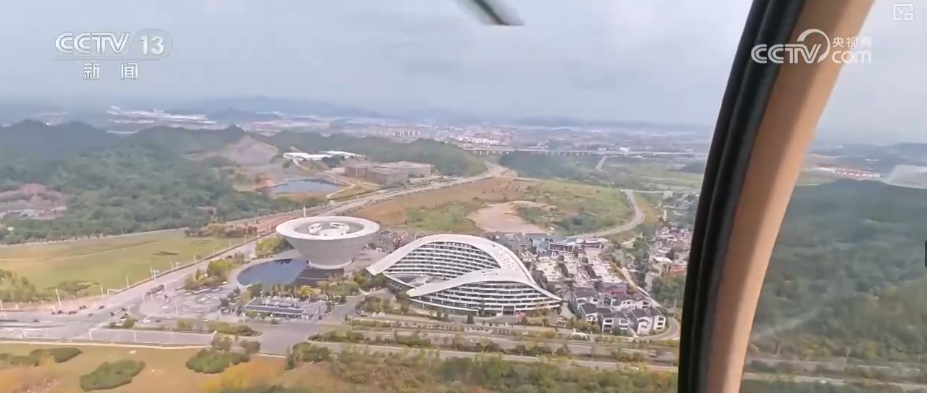
Core Viewpoint - The Chinese government is promoting the development of low-altitude economy through the implementation of new application scenarios and standardization, aiming to activate various industrial dynamics and expand the market significantly by 2025 [1][9]. Group 1: Low-altitude Economy Development - The low-altitude economy market in China is projected to reach 670.25 billion yuan in 2024 and is expected to exceed 1 trillion yuan by 2025, indicating a shift from a niche market to a mass market [9]. - Various regions are exploring unique low-altitude applications, such as tourism, logistics, and emergency services, to enhance local economic growth [9][18]. - The establishment of a comprehensive low-altitude economic platform in Guangdong aims to integrate multiple functionalities, including smart logistics and emergency response [18]. Group 2: Application Scenarios - In Jingdezhen, low-altitude tourism has been enhanced with new helicopter routes, increasing the value of local tourism and supporting over 20 related enterprises [3][5]. - The introduction of medical drone transport in Jinan has improved the efficiency of medical sample delivery, showcasing innovative applications in healthcare [7]. - In Shiyan, the use of drones for urban management has significantly increased operational efficiency, with plans for extensive drone inspection routes [11][14]. Group 3: Infrastructure and Policy Support - Simplified approval processes and standardized facilities for low-altitude flights have been implemented to facilitate the growth of the low-altitude economy [5]. - Shiyan has introduced policies to support the high-quality development of the low-altitude economy, including the establishment of numerous low-altitude flight routes and application scenarios [16]. - The development of a national standard for low-altitude operations is underway, with a focus on safety and regulatory compliance to support industry growth [34][35]. Group 4: Challenges and Future Outlook - Despite the rapid development, challenges such as limited airspace resources, technological gaps, and inadequate infrastructure remain [23][25]. - The industry is expected to see a significant increase in drone logistics, with an estimated 480 billion orders in the instant delivery sector by 2025 [28]. - By 2035, the value of drone logistics in China is projected to exceed 1 trillion yuan, with an annual growth rate of around 20% [28].

(神州写真)年轻人爱上“风物旅行” 沉浸式感受在地文化
Zhong Guo Xin Wen Wang· 2025-12-05 05:57
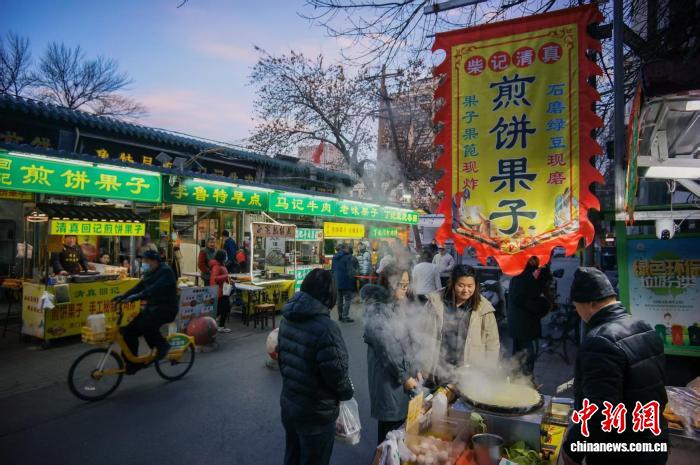
Core Viewpoint - The rise of "cultural travel" among young Chinese tourists reflects a shift from traditional sightseeing to immersive experiences that emphasize local culture and lifestyle [1][6]. Group 1: Definition and Trends - "Cultural travel" refers to experiences that highlight unique local cultural expressions, including traditional cuisine, festivals, intangible cultural heritage, and local customs [1]. - A report by the China Tourism Research Institute and Mafengwo indicates that young travelers are increasingly seeking to understand the culture, history, and lifestyle of their destinations, moving beyond mere photo opportunities [1]. Group 2: Local Experiences - Young tourists are prioritizing "on-the-ground experiences," desiring to engage with local life and culture, as evidenced by their participation in local activities and festivals [3]. - Events such as the "Ma Street Book Fair" in Henan and traditional activities in Tianjin and Fujian are attracting young visitors who wish to experience local customs firsthand [3][4]. Group 3: Impact on Local Economies - The popularity of "cultural travel" is revitalizing lesser-known towns, such as Gegu Town in Tianjin, which has seen an influx of tourists due to its unique cultural heritage and festivals [6]. - The transformation from "sightseeing" to "living" is expanding cultural spaces from tourist attractions to everyday life, enhancing local economies and cultural recognition [6][7]. Group 4: Future Prospects - "Cultural travel" is expected to become a new growth point for the cultural and tourism economy in small towns and counties, driven by young people's interest in local culture [7]. - Many regions are now developing immersive cultural tourism products and aiming to make festival experiences more regular and sustainable, thus attracting visitors year-round [7].
让博物馆“热”得更持久
Jing Ji Ri Bao· 2025-11-21 22:38
Core Insights - The rise of the "museum fever" reflects a resonance between cultural value and market demand, driven by the dual empowerment of the experience economy and the creative economy [1][2] - Museums are transitioning from traditional static displays to immersive, interactive, and high-quality cultural experiences, utilizing technologies like digital twins, virtual reality, and augmented reality to enhance visitor engagement [1] - The development of cultural and creative products has evolved from simple souvenirs to aesthetically designed items that integrate cultural elements with practical functions, creating new consumer growth points [2] Group 1: Museum Experience Transformation - Museums are increasingly focusing on providing immersive and interactive experiences to meet modern audience demands, exemplified by initiatives like the immersive ancient tomb experience at the Luoyang Ancient Tomb Museum [1] - The application of advanced technologies is breaking temporal and spatial boundaries, allowing visitors to engage with cultural artifacts in innovative ways, thus fostering a strong consumer desire for cultural experiences [1] Group 2: Cultural and Creative Product Development - The transformation of cultural products includes the creation of items like "archaeological blind boxes" and collaborative cosmetics, which cleverly convert historical culture into desirable consumer goods [2] - The Gansu Provincial Museum has successfully developed cultural IPs based on its collection, generating significant public interest and discussions, thereby enhancing its cultural tourism brand [2] Group 3: Future Directions for Museums - Continuous innovation in content and exhibition planning is essential for museums to enhance the quality and differentiation of cultural products and services [3] - Government support in policy, infrastructure, and cross-industry collaboration is crucial for museums to integrate deeper with tourism, education, and creative design sectors, thereby extending the cultural consumption chain [3]