飞机适航认证

Search documents
“10年后,中国商飞将与波音、空客三分天下”
Guan Cha Zhe Wang· 2026-02-04 07:12
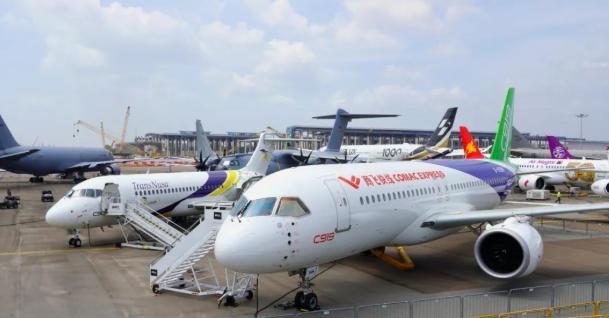
Core Viewpoint - The 2026 Singapore Airshow marks a significant opportunity for COMAC to showcase its C919 and C909 aircraft, positioning itself as a competitor to Airbus and Boeing in the rapidly growing Asia-Pacific aviation market [1][5]. Group 1: Market Context - The Asia-Pacific region is experiencing pressure on airlines due to delivery delays from Boeing and Airbus, engine shortages, and broader supply chain issues, creating a demand for additional aircraft manufacturers [5][6]. - IATA reports that the wait time for new aircraft deliveries is longer than ever, leading to an increase in the average age of fleets and higher operational costs due to older aircraft consuming more fuel [5]. Group 2: Competitive Positioning - COMAC aims to compete directly with Airbus A320neo and Boeing 737 MAX, with a focus on expanding its market presence beyond China, particularly in Southeast Asia [1][5]. - Industry experts, including IATA's Director General Willie Walsh, predict that COMAC could become a significant player alongside Boeing and Airbus within the next 10 to 15 years [3]. Group 3: Production and Delivery Goals - COMAC is reportedly improving the production and delivery pace of the C919, with a target of delivering no fewer than 28 aircraft in 2026, aiming for a production rate of one aircraft every 10 to 15 days [6]. - As of now, COMAC has delivered over 200 aircraft and opened more than 800 routes, transporting over 36 million passengers [8]. Group 4: Regulatory Developments - The Civil Aviation Administration of China has proposed regulations allowing the C919 to operate on narrow runways typically used by smaller airports, which could enhance its competitiveness against Airbus and Boeing [9]. - The European Union Aviation Safety Agency (EASA) has begun flight evaluations of the C919 in Shanghai, indicating a positive outlook on the aircraft's performance and safety [8].

波音777X取证之路再遇挑战,CEO坦言“任务艰巨”
Sou Hu Cai Jing· 2025-09-16 06:50
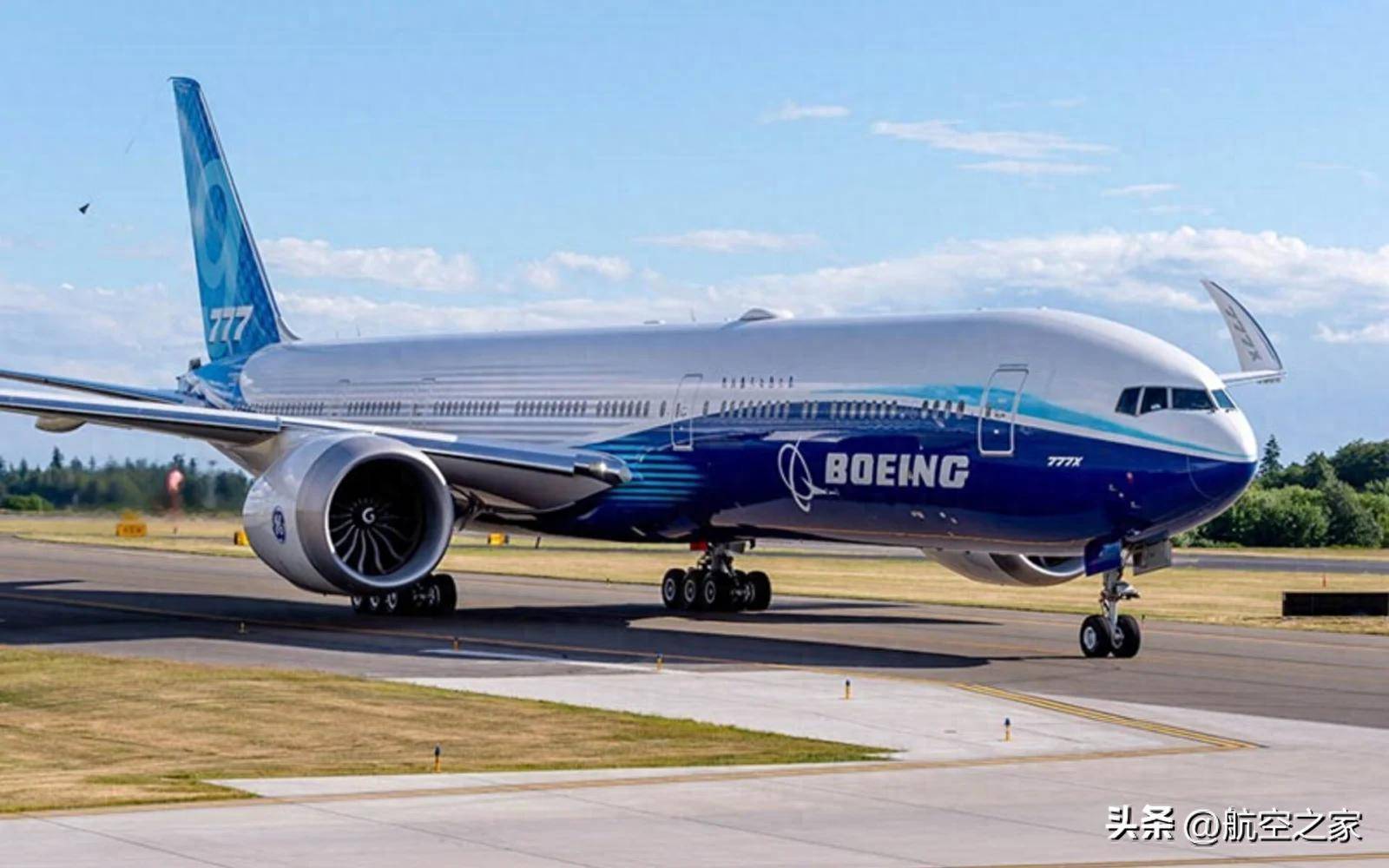
Core Insights - Boeing's 777-9 certification process is significantly behind schedule, with CEO Kelly Ortberg describing it as a "mountain of work" and acknowledging the financial pressures associated with the delays [2][3] - Despite the challenges in certification, market demand for the 777X remains strong, with over 550 orders placed, indicating confidence from global airlines in the aircraft's commercial prospects [4] Group 1: Certification Challenges - The certification process for the 777-9 has faced numerous delays since its inception in 2013, primarily due to stringent global aviation regulatory requirements [3] - A critical issue was identified in August 2024, where a key component, the "thrust link," was found damaged, leading to a halt in flight testing for five months [3] - The flight testing resumed successfully in January 2025, and Boeing completed its first new 777-9 test flight in five years, marking a significant milestone [3] Group 2: Financial Implications - The project has already incurred losses amounting to billions of dollars, and any further delays could have substantial financial impacts [2] - CFO Jay Malave has been tasked with assessing the potential chain reactions from the delays and reevaluating the company's future response plans [2] Group 3: Market Demand - The demand for the 777X is described as "stunning," with airlines eager to see the aircraft enter the market [4] - Cathay Pacific recently ordered an additional 14 units of the 777-9, contributing to a total of over 550 orders for the 777X series [4] - The pressure is now on Boeing to navigate the certification hurdles safely and compliantly to meet market expectations [4]