
高考改革

Search documents
张雪峰离世:从寒门到5000万粉丝商业帝国
商业洞察· 2026-03-25 09:28
Core Viewpoint - The article discusses the life and impact of Zhang Xuefeng, a prominent figure in the education industry, highlighting his dual identity as a "cold door mentor" and an "education businessman" who capitalized on the anxieties of parents and students during a time of educational uncertainty [5][6][28]. Group 1: Cold Door Mentor - Zhang Xuefeng was known for his straightforward and pragmatic approach to education, often challenging idealistic views held by parents and students [7][10]. - He emphasized the importance of practical choices in education, advising students from less privileged backgrounds to pursue stable career paths [9][12]. - His rise to fame began with a viral video that provided insights into top universities, coinciding with a period of increasing competition in the education sector [14][16]. Group 2: Education Businessman - Zhang built a significant business empire, with over 50 million followers and multiple companies in the education and cultural tourism sectors, achieving remarkable sales figures [18][21]. - His high-priced services, such as the 11,999 yuan "Dream Card," sold out rapidly, generating 2 billion yuan in just three hours during the 2024 college entrance examination season [18][20]. - Zhang's ability to identify market opportunities, particularly in response to educational policy changes, allowed him to transition from a mentor to a successful entrepreneur [22][24]. Group 3: Symbol of the Era - Zhang Xuefeng became a symbol of the anxieties faced by students and parents in a rapidly changing educational landscape, providing a sense of reassurance amid uncertainty [28][29]. - His story reflects broader societal issues, such as the diminishing returns of higher education and the quest for stability in an unpredictable job market [28][29]. - The legacy of Zhang's approach continues to influence many, as evidenced by testimonials from parents who found success through his guidance [29].

张雪峰离世:从寒门到5000万粉丝商业帝国
创业邦· 2026-03-25 03:50
Core Viewpoint - The article discusses the life and impact of Zhang Xuefeng, a prominent figure in the education industry, highlighting his dual identity as a mentor and an education entrepreneur, and how he became a symbol of the anxieties faced by students and parents in contemporary China [4][8][34]. Group 1: Zhang Xuefeng's Background and Philosophy - Zhang Xuefeng was known for his straightforward and pragmatic approach to education, often challenging idealistic views held by students and parents [9][11]. - He emphasized the importance of making informed choices in education, advocating for practical career paths over traditional aspirations [11][12]. - His personal journey from a humble background to a successful educator reflects the broader societal challenges faced by many families in China [12][16]. Group 2: Business Model and Success - Zhang Xuefeng's business model capitalized on the complexities of the new college admission system, creating standardized products from the non-standardized process of college application [27][28]. - His services, such as the high-priced college application guidance, generated significant revenue, with reports indicating sales of 2 billion yuan in just three hours during a promotional event [21][25]. - The rapid expansion of his business, which includes multiple companies and a large online following, showcases his ability to leverage personal branding and market trends effectively [20][26]. Group 3: Societal Impact and Legacy - Zhang Xuefeng's approach resonated with a generation of anxious students and parents, providing them with a sense of direction in an uncertain educational landscape [34][36]. - His passing has sparked discussions about the pressures of modern education and the role of figures like him in shaping public perceptions of success and opportunity [34][36]. - The article suggests that even in his absence, the need for guidance in navigating educational choices remains, indicating a lasting impact on the industry [36][37].

2026年高考将于6月举行,教育部:扩大优质本科教育招生规模
Xin Lang Cai Jing· 2026-01-26 06:39
Group 1 - The Ministry of Education has announced the schedule for the 2026 National College Entrance Examination (Gaokao), which will take place on June 7 and 8, 2026 [1] - The notification emphasizes the importance of ensuring the safety and smooth operation of the examination and recruitment process, requiring local authorities and universities to strengthen management across all stages, including exam paper security and entry checks [1] - There will be a focus on combating exam-related fraud and ensuring a fair examination environment, including actions against the sale of cheating devices and the use of high-tech cheating tools [1] Group 2 - The notification aims to optimize the structure and scale of enrollment in higher education, promoting quality undergraduate education and aligning academic programs with national and regional economic needs [2] - It emphasizes the need for fairness in access to education, particularly for children of migrant workers, and calls for simplified procedures for their participation in the Gaokao [2] - Strict measures will be taken against "Gaokao immigrants" who attempt to gain examination qualifications through illegal means [2] Group 3 - The notification proposes improvements in exam content presentation and the integration of cutting-edge technology, aiming to better assess students' key abilities and academic qualities [3] - There is an encouragement for provinces with the necessary conditions to explore computer-based testing for foreign language listening and speaking components [3] Group 4 - The Ministry of Education plans to standardize the transition process for vocational education, requiring students to meet specific criteria and participate in unified provincial examinations [5] - There will be strict regulations on the recruitment practices of higher vocational colleges to prevent early recruitment under misleading terms [5] - The notification also highlights the importance of managing the application process for students, ensuring their rights to fill out their preferences independently and protecting their personal information [5]

上海春考开考 3639个名额抢先入场
Xin Lang Cai Jing· 2026-01-03 12:02
Core Viewpoint - The Shanghai Spring College Entrance Examination has commenced, with an increase in enrollment plans and a focus on providing diverse options for students [1] Group 1: Examination Details - The 2026 Spring Examination includes 26 institutions offering 3,639 enrollment plans, an increase of 100 compared to last year [1] - The examination schedule consists of Chinese and Mathematics tests on the first day, followed by a foreign language written test and an oral test next week [3] Group 2: Educational Impact - The Spring Examination is viewed as an important opportunity for students to gain experience and prepare for the upcoming Autumn Examination, reflecting a shift away from the "one exam determines life" approach [1] - The essay topic for the Chinese exam encourages critical thinking and the integration of opposing viewpoints, emphasizing the importance of logical analysis and comprehensive expression skills [2] Group 3: Curriculum Development - Several universities have adjusted their program offerings to align with emerging industry needs, such as the introduction of a Robotics Engineering program at Shanghai University [3] - New educational models, including "integrated undergraduate and master's programs," are being introduced to broaden students' career pathways [3]
“每个学生一张课表”:应试教育正被优化
2 1 Shi Ji Jing Ji Bao Dao· 2025-12-17 03:34
Core Viewpoint - The core of educational reform should focus on shifting from a system that prioritizes scores to one that emphasizes personal development and student engagement, as highlighted by Gu Mingyuan at the China Education Thirty Forum [2] Group 1: Educational Reform Perspectives - Gu Mingyuan emphasizes the need for three major shifts in education: from "teaching" to "learning," from "score-oriented" to "person-oriented," and from passive to active learning, with the starting point being the stimulation of student interest [2] - Jiang Li from Stanford University argues that in the AI era, skills are more important than scores, which contradicts the traditional emphasis on academic credentials in East Asia [3] - The traditional education system creates a fundamental conflict in thinking, as students with high scores may lack practical experience, making them less competitive in the job market compared to those who engage in real-world challenges [4] Group 2: Innovative Educational Practices - Beijing First Experimental School has implemented a curriculum that organizes subjects around core competency goals, allowing students to focus on one goal every six weeks and providing opportunities for personalized learning paths [7] - Beijing Dongfanghong School has created a "Conscience Class" aimed at disengaged students, focusing on self-discovery and well-being rather than solely on academic performance [8] - The emphasis on student well-being and personal development is echoed by the principal of Beijing Dongfanghong School, who believes that the focus should shift from merely achieving high scores to caring for students' mental health and interpersonal relationships [9] Group 3: Future Directions in Education - The need for diverse thinking and practice is highlighted, with a call to reduce academic pressure and create meaningful learning experiences that foster intrinsic motivation [10] - Suggestions for high school entrance examination reforms include allowing universities to develop admission criteria based on their unique needs and giving different weights to various subjects, promoting a more diverse educational landscape [10] - Gu Mingyuan advocates for dual innovation in teaching methods and structures, emphasizing inquiry-based and project-based learning while implementing modular courses to respect individual student strengths [11]
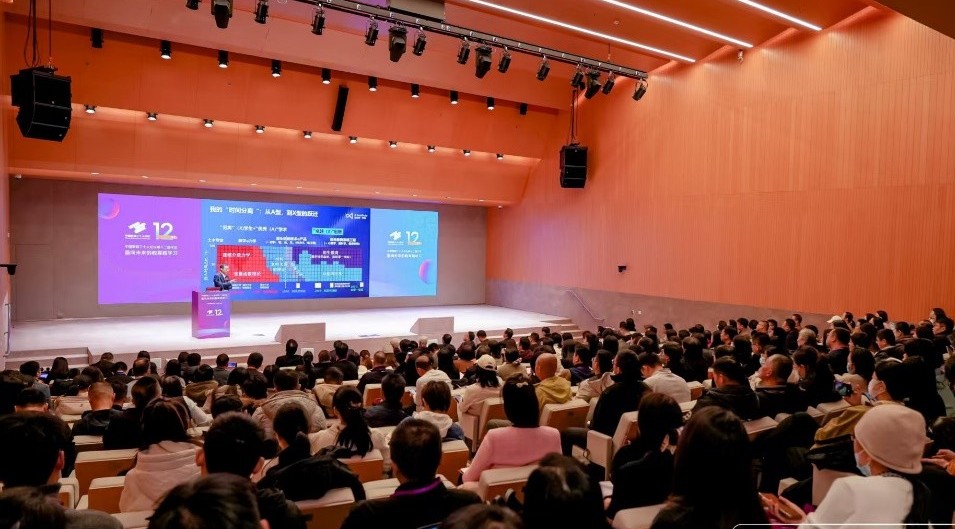
炒作高分考生为何“树欲静而风不止”
Ke Ji Ri Bao· 2025-06-26 23:37
Group 1 - The core focus of the articles is the ongoing societal obsession with high-scoring students in the context of China's college entrance examination (Gaokao), despite official efforts to downplay this phenomenon [1][2] - The traditional narrative surrounding Gaokao positions it as a critical turning point in life, leading to public admiration for high scorers as "winners" from whom others seek replicable success paths [1] - Schools view high-scoring students as direct indicators of educational performance, with metrics like "number of high scorers" and "admission rates to top universities" serving as hard indicators of school quality [1] Group 2 - The ongoing high school examination reform aims to break the "score-centric" evaluation system by promoting classification exams, comprehensive evaluations, and diverse admissions [2] - There is a call for deeper educational evaluation reforms to shift societal views on education and success, emphasizing the importance of holistic student development rather than merely producing high scorers [2] - The narrative encourages recognition of all students' efforts, not just high scorers, promoting the idea that every individual should have the opportunity to shine in a lifelong learning society [2]
男生北大退学再考清华,算不算挤占名额?
Nan Fang Du Shi Bao· 2025-06-24 11:54
Group 1 - The core viewpoint of the articles revolves around the issue of students choosing to abandon their admission to prestigious universities, highlighting the need for respect towards students' choices and the call for reforms in the admissions system [1][2][3] - The phenomenon of students, including those admitted to top universities, opting to withdraw or transfer is becoming more common, with examples such as 81 students from Jinan University giving up their admission in 2023 [1] - There is a growing concern regarding the perception that such actions waste resources and opportunities for other candidates, leading to suggestions of placing these students on dishonesty lists [1][2] Group 2 - The current admissions system in China, which allows students to receive only one admission offer despite applying to multiple universities, contributes to dissatisfaction among students, prompting some to withdraw or transfer [2] - Proposed solutions include adopting a dual-choice admission system and allowing students to receive multiple offers, similar to practices in developed countries, to enhance student choice and satisfaction [2] - The direction of high school reform in China should focus on expanding student choice rather than restricting it, with calls to avoid conflating student choice with issues of integrity [3]
青春执笔 书写未来
Shan Xi Ri Bao· 2025-06-07 23:55
Group 1 - The 2025 National College Entrance Examination (Gaokao) commenced on June 7, with over 281,500 candidates participating across 339 examination sites in Shaanxi province [4][5] - The new Gaokao reform in Shaanxi has shifted from a traditional subject division to a "3+1+2" model, allowing students more flexibility in subject selection and extending the examination period from two days to three [5][6] - Teachers and parents provided emotional support to students, emphasizing the importance of maintaining calm and focus during the exams [6][8] Group 2 - Local police and volunteers implemented extensive measures to ensure a safe and orderly examination environment, including traffic management and security checks [9][10] - The police in Jia County prepared in advance to address potential security issues and provided assistance to students in need, such as issuing temporary identification [9][11] - Community police officers actively engaged in pre-exam preparations, ensuring a quiet and secure atmosphere for the candidates [11][12]

越过晨昏 奔赴山海
Zhong Guo Qing Nian Bao· 2025-06-05 00:49
Core Viewpoint - The article highlights the rigorous academic environment and high-pressure atmosphere faced by students at Rongcheng No. 3 High School, emphasizing their dedication to preparing for the increasingly challenging Gaokao (National College Entrance Examination) amid ongoing educational reforms [4][7][10]. Group 1: Academic Performance and Environment - Shandong province is recognized as a major area for Gaokao, with 998,000 candidates in the previous year, and Rongcheng No. 3 High School has a significantly higher college admission rate compared to the provincial average [4][10]. - The school, established less than 30 years ago, is noted for its strict and pragmatic educational approach, attracting attention from other educational institutions seeking to learn from its management practices [4][10]. - The school's high school seniors engage in collective running exercises while studying, demonstrating their commitment to maximizing study time [2][4]. Group 2: Challenges of Educational Reform - Teachers acknowledge that the Gaokao has become increasingly difficult, with significant reforms implemented since 2020, requiring more in-depth preparation and a shift from rote memorization to problem-solving skills [7][8][10]. - The new "3+3" model in Shandong, which includes a mix of compulsory and elective subjects, has raised the difficulty level of the exams, posing additional challenges for students [10][12]. - Students express feelings of pressure and urgency, with many dedicating extra hours to study in hopes of achieving their academic goals [12][15]. Group 3: Student Well-being and Support - The school has established a dedicated psychological counseling service to support students facing academic stress, emphasizing the importance of mental health alongside academic performance [17]. - Teachers and school administrators are aware of the intense pressure students face and strive to maintain a balance between academic rigor and overall student development [17][19]. - The school offers various extracurricular activities, including drone programming and traditional crafts, to enhance students' comprehensive skills and provide a well-rounded education [19].
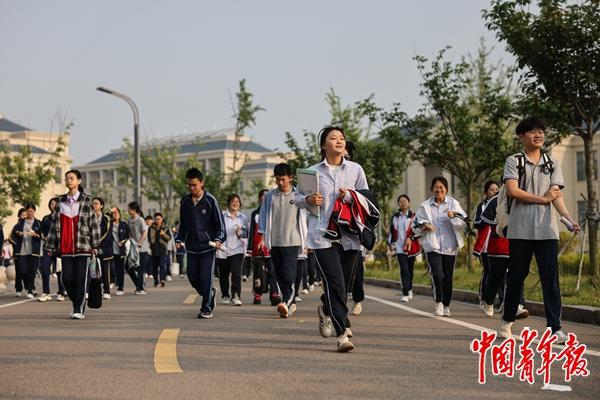
河南省2025年高考 6月7日至9日进行
Zheng Zhou Ri Bao· 2025-04-29 00:32
Group 1 - The core viewpoint of the article is the announcement of the new college entrance examination regulations in Henan Province for 2025, which includes a new examination format and online application procedures [1][2][3][4]. - The examination will take place from June 7 to June 9, 2025, under a "3+1+2" model, consisting of three national subjects and three elective subjects [2][5]. - The online application process will occur in three phases, with specific dates for different categories of applicants, including military, arts, and sports [3][4]. Group 2 - The admission process will be divided into two stages: undergraduate and vocational (specialized) programs, with various categories for each [5][6]. - For arts and sports programs, specific application structures are established, including parallel application options [6]. - Eligible candidates may receive additional points added to their scores based on specific criteria, such as being children of martyrs or veterans [7][8].