
高速公路免费通行

Search documents
本周五春运出京车流预计达到小高峰,高速公路本周日起免通行费
Xin Jing Bao· 2026-02-09 08:25
2026年春节假期从2月15日(农历腊月廿八)到2月23日(农历正月初七),共计9天。7座及以下小型客 车免费通行高速公路时间为2月15日零时至2月23日24时。 2月9日,北京交通部门发布春节期间公路路网分析,预计出京车流在2月13日(农历腊月廿六,周五) 达到小高峰,随后逐渐减少,返程车流预计2月23日达到峰值,主要进京通道、省界入口及进城方向关 键路段可能出现车流集中、短时拥堵现象。 此外,假期期间通往跨年夜等群众性活动、热门景点公园、商圈等重点区域周边道路预计出现阶段性车 多缓行情况。 春节期间,公路网交通总量处于全年谷底水平 公路自驾进出京人流量,预计正月初六达到最高值 2026年春节期间,公路网自驾进出京人流量累计1447.02万人次(日均160.78万人次),日均同比去年增 长1.14%,其中进京733.63万人次(日均81.51万人次,占比50.68%),出京713.39万人次(日均79.27万 人次,占比49.32%)。 高速公路自驾进出京人流量累计1063.86万人次(日均118.21万人次),同比去年增长0.98%,其中进京 510.26万人次(日均56.7万人次),出京553.6万人次 ...
春运人员流动量将达95亿人次,交通运输部强化运力保障
2 1 Shi Ji Jing Ji Bao Dao· 2026-01-30 03:48
1月30日,交通运输部举行新闻发布会,介绍春运相关情况。 高博表示,针对春运客流特点,交通运输部做了针对性部署和安排: 一是加强综合运输运力调配。公路、铁路、航空、水运均准备了较为充足的运力,通过加密班列班次, 共享到站时间、旅客数量等信息,有序做好干线运输与城市交通的高效衔接。积极推广旅客联程联运, 强化综合运输服务供给,努力满足群众各类出行需求。目前全国已建成22个空铁联运枢纽。 二是强化重点枢纽运力保障。根据到发客流变化,综合采取延长运营时间、缩短发车间隔、调度机动运 力等方式,做好客运枢纽到发旅客城市公交、城市轨道交通、出租汽车的集疏运服务保障。目前全国已 经有42个火车站实现与城市轨道交通安检互认。 三是加强重点区域运输服务保障。引导企业加大热门旅游城市、景区景点周边的运力投放,通过开行旅 游包车、旅游直通车、定制客运等方式,有效保障游客出行需求。全国有不少省份发布了春运和春节期 间高速公路车辆免费救援政策,努力保障群众自驾出行需求。 交通运输部运输服务司副司长高博表示,经过初步分析研判,今年春运客流有"五个新高": 一是春运40天全社会跨区域人员流动总量将创历史同期新高,预计有望达到95亿人次。 ...
中国首批高速收费陆续到期,未来免费通行会越来越多
Sou Hu Cai Jing· 2026-01-17 05:50
Core Viewpoint - The recent trend of increasing free highway access in China is seen as a positive development for the public, but it raises concerns about funding for road maintenance as more highways reach the end of their toll periods [9][10][12]. Group 1: Development of Highway Infrastructure - China's highway network has developed significantly over the past few decades, now exceeding 177,000 kilometers, effectively connecting cities and facilitating economic growth [5]. - The first true highway in China, connecting Shenyang and Dalian, began construction in 1984, marking the start of a major push for transportation infrastructure [3]. Group 2: Tolling Issues - Highways in China typically have toll periods ranging from 15 to 30 years, with costs averaging at least 0.5 yuan per kilometer, leading to significant expenses for drivers [7]. - The Guangzhou North Ring Expressway, operational since 1993, recently ended its tolls after 30 years, reflecting a broader trend of toll-free highways emerging across the country [9][10]. Group 3: Financial Implications of Free Highways - The shift to free highways presents a challenge regarding funding for daily maintenance, as government reliance on fiscal allocations may not keep pace with rising maintenance costs [12]. - Potential solutions to address funding gaps include extending toll periods while reducing fees or incorporating maintenance costs into fuel prices, though these options require careful consideration of their impacts [14].


走高速去机场,一脚油门“0 元”通行!长永高速公路开启免费通行模式
Chang Sha Wan Bao· 2025-11-02 00:04
Core Viewpoint - Changyong Expressway has terminated toll collection, allowing vehicles to pass for free, which is expected to reduce costs for drivers and enhance logistics efficiency in the region [1][2]. Group 1: Toll Termination Details - The expressway, approximately 22.25 kilometers long, connects Changsha to various regions and will now operate under a "zero rate" policy, meaning all vehicles will incur no toll fees [2][4]. - The toll termination took effect at 0:00 on November 2, with existing toll facilities remaining in place for operational purposes [2][3]. - Vehicles will still need to follow normal procedures at toll stations, such as taking tickets or using ETC lanes, despite the zero toll [2][3]. Group 2: Economic Impact - The free passage on Changyong Expressway is expected to save commuters significant amounts, with estimates suggesting a monthly saving of over 300 yuan for regular users [4]. - Logistics costs for businesses in the surrounding areas, such as the Liuyang Economic Development Zone, will decrease, potentially saving companies thousands of yuan monthly [4][5]. - The reduction in travel costs is anticipated to boost local tourism, attracting more visitors to nearby attractions [5]. Group 3: Historical Context and Future Implications - Changyong Expressway, the first expressway in Hunan Province, has been in operation for nearly 31 years since its opening in December 1994 [6][7]. - The toll termination aligns with a broader trend in China, where several expressways are reaching the end of their toll collection periods, potentially leading to more free highways in the future [7].
湖南首条高速公路收费到期?官方已确认:11月1日起,免费通行
Qi Lu Wan Bao Wang· 2025-10-23 23:55
Core Points - The first highway in Hunan Province, Changyong Expressway, will be free of tolls starting November 1, 2025, as confirmed by Modern Investment Co., Ltd. [1][5] - Changyong Expressway, which opened on December 28, 1994, is 27 kilometers long and connects Huanghua Airport with downtown Changsha, marking the end of Hunan's history without highways [3][5]. Summary by Sections Highway Toll Policy - The toll collection for Changyong Expressway will cease on November 1, 2025, following a compensation plan for revenue losses due to holiday toll exemptions and green channel policies for fresh agricultural products [5]. - This makes Changyong Expressway one of the few highways in China to stop charging tolls [5]. Historical Context - Changyong Expressway was the first highway in Hunan, constructed in 1993 and completed in 1994, fundamentally changing the transportation landscape in the province [3][5]. - Other highways that followed include the Jingzhu Expressway (Changsha to Xiangtan section) and the Changsha to Yiyang Expressway, which have also been in operation for nearly 30 years [6].

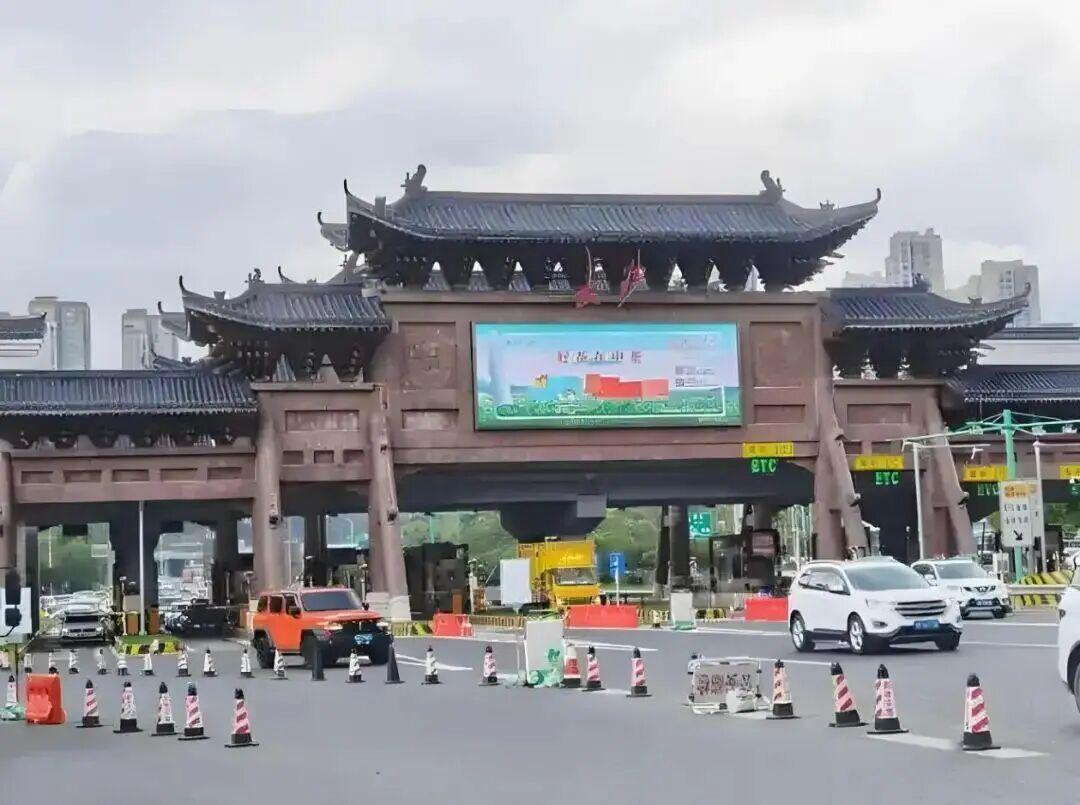
高速免费时代要来了?交通部释放重要信号,首批试点路段已落地
Sou Hu Cai Jing· 2025-09-12 23:16
Core Points - China's first batch of highways is entering a "free era," with significant milestones marked by the cessation of tolls on Chengmian Expressway and Chengdu North Exit Expressway in September 2025 [1][2] - The transition to free highways is a response to the expiration of the 30-year toll period as stipulated by the "Regulations on the Management of Toll Roads" [2][3] - The move towards free highways has sparked nationwide discussions about toll policies and represents a new historical phase in highway development in China [1][2] Group 1: Historical Context - The rapid development of China's highway infrastructure was largely facilitated by the "loan for road construction, toll for loan repayment" model, which addressed funding challenges during less prosperous times [3] - Many highways built in the early 1990s are now reaching their toll expiration, leading to a wave of free access [3] - Shenzhen's early adoption of a government buyout model to eliminate tolls highlights the diverse approaches to achieving free highway access, although this model has not been widely adopted due to financial pressures [3] Group 2: Current Challenges - Despite the progress towards free highways, achieving nationwide free access faces significant financial challenges, with total debt for toll roads exceeding 7 trillion yuan and a growing revenue shortfall [4][6] - The annual maintenance cost for highways is approximately 320 billion yuan, necessitating new sustainable funding sources if tolls are eliminated [6] - The rise of electric vehicles is complicating traditional funding models, as reduced fuel tax revenues challenge the financial viability of highway maintenance [6] Group 3: Economic Impact - Free highway access is expected to benefit the logistics industry significantly, with examples showing cost reductions of up to 12% for time-sensitive goods [8] - However, increased traffic congestion has been reported in regions where tolls have been removed, raising concerns about the potential for highways to become overcrowded [8] - The experience in Hainan Province, where free access led to longer travel times during peak hours, illustrates the challenges of managing increased traffic volumes [8] Group 4: Future Directions - The future of highway toll policies may evolve towards more diversified and refined models rather than a binary "free or charged" approach [10] - Innovative pricing strategies, such as dynamic pricing based on time of day and vehicle type, are being explored to manage congestion and operational costs [10] - The integration of technology for precise mileage-based tolling could lead to a more efficient and user-friendly tolling system, aligning with the projected growth of the national highway network [10]
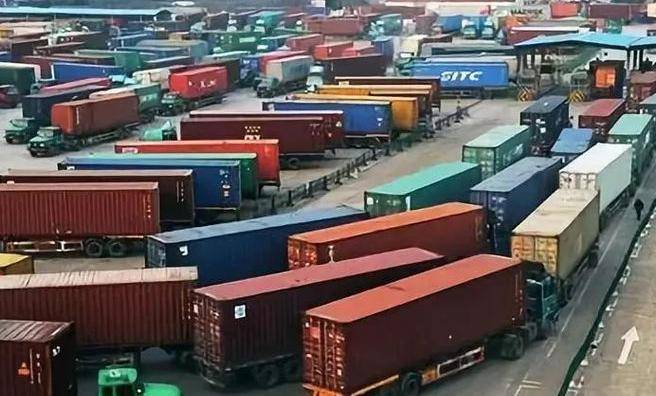
成绵高速逆市免费!为四川点赞!
Sou Hu Cai Jing· 2025-09-07 09:48
Core Viewpoint - The decision to make Chengmian Expressway and Chengdu North Exit Expressway toll-free starting September 4, 2025, marks Sichuan as the first province in the central and western regions of China to implement free passage on major expressways, reflecting a government commitment to public welfare and integrity [1][3][5]. Group 1: Significance of the Decision - The move is significant as it breaks the norm of toll collection on expressways in China, showcasing a government approach that prioritizes the needs of the people [3]. - This decision fulfills a previous commitment made during the construction of the expressway, demonstrating the government's adherence to promises and enhancing public trust [3][5]. - Sichuan's approach contrasts with the common practice in other regions where tolls are extended under various pretexts, highlighting a commendable governance model [3][5]. Group 2: Implications for National Policy - The free passage initiative serves as a model for national expressway toll management, advocating for a shift towards more public-oriented policies and encouraging similar actions across the country [5]. - The expectation is for central authorities to support such initiatives, promoting reforms in the expressway toll system to alleviate travel costs for citizens and foster regional economic integration [5]. - Internationally, the trend is towards viewing expressways as public infrastructure funded by taxes rather than as profit-generating entities, aligning with Sichuan's decision [5]. Group 3: Legal and Social Context - The push for free passage was significantly influenced by lawyer Hu Lei, whose legal actions brought attention to the issue of toll extension and contributed to the eventual decision [6]. - Hu Lei's efforts highlight the importance of civic engagement and the role of individuals in advocating for public rights and services [6]. - Following the implementation of free passage, challenges such as increased traffic volume and road maintenance will need to be addressed by the Sichuan Provincial Transportation Department [6].
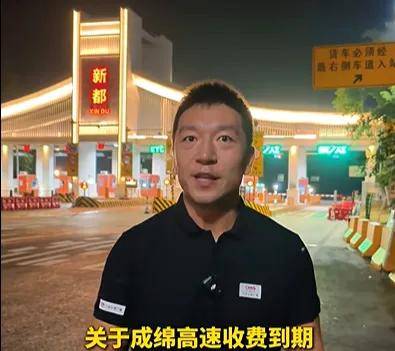
“五一”小长假来临 广州交警预测易堵路段 4月30日13时起将迎高速出城高峰
Nan Fang Ri Bao Wang Luo Ban· 2025-04-30 06:45
Summary of Key Points Core Viewpoint - The upcoming Labor Day holiday in 2025 is expected to see significant traffic congestion in Guangzhou, particularly on highways leading out of the city, with specific peak times identified for both outbound and return trips [1]. Traffic Forecast - The peak outbound traffic from Guangzhou is anticipated to occur on April 30 from 1 PM to 2 AM the next day, with the highest congestion expected at 6 PM [1]. - The return traffic peak is projected for May 5 from 2 PM to midnight, with the peak congestion occurring at 4 PM [1]. Toll Exemptions - From May 1 to May 5, tolls will be waived for small vehicles (7 seats or fewer) on highways, which is expected to increase the volume of traffic leaving Guangzhou [1]. Congestion Areas - Specific routes are identified as likely to experience heavy traffic, including: - Guangao Expressway from Dongguan to Zhongshan, Zhuhai, and Foshan [1]. - South Second Ring Expressway from Dongguan to the western Guangdong region [1]. - North Ring Expressway from eastern Guangzhou to Foshan and Zhanjiang [1]. - South China Expressway from central Guangzhou to northern Guangdong [1]. - Daguang Expressway from Shenzhen and Dongguan to northern Guangdong [1]. - Xuguang Expressway from Zhongshan and Foshan to northern Guangdong [1]. Urban Road Conditions - Urban roads such as Guangzhou Avenue, Guangyuan Expressway, Huangpu West Road, and others are expected to be busy during the holiday period [2].
据交通运输部,2025年“五一”假期,七座以下(含七座)小型客车上高速公路继续免收通行费,免费通行时间为5月1日0时至5月5日24时,共计5天。
news flash· 2025-04-24 02:16
Group 1 - The Ministry of Transport announced that during the 2025 "May Day" holiday, small passenger vehicles with seven seats or fewer will continue to be exempt from toll fees on highways [1] - The free passage period will be from May 1st at 0:00 to May 5th at 24:00, totaling five days [1]