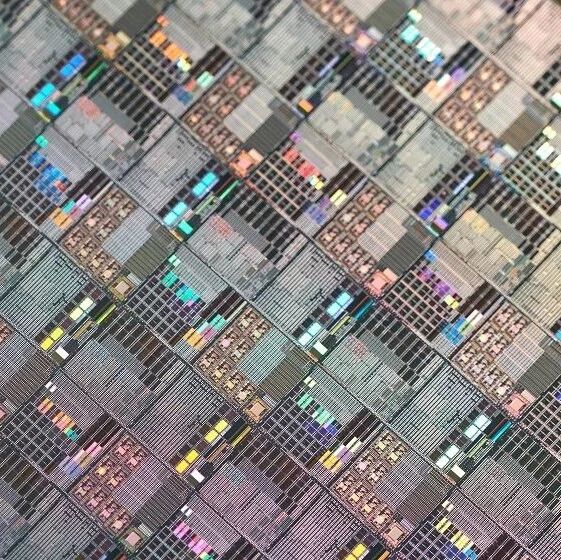
2nm制程工艺

Search documents
设计巨变、性能狂飙、影像革新:iPhone 18 Pro升级大曝光
3 6 Ke· 2026-01-19 23:20
Core Viewpoint - The iPhone 18 Pro is expected to undergo significant design and functional innovations, potentially sparking a new wave of consumer interest upon its release [2]. Design Changes - The front screen of the iPhone 18 Pro will feature a major redesign, moving from a "pill" cutout to a single punch-hole design due to advancements in under-display technology [3]. - The single punch-hole will be located in the top left corner, which may create a visual mismatch compared to the centered cutout commonly seen in current models [5]. - The rear design will maintain the "highland platform" layout of the iPhone 17 Pro series, using an aluminum and glass combination, with a low likelihood of incorporating titanium [8]. Camera Innovations - The iPhone 18 Pro is anticipated to introduce variable aperture technology for its main camera, enhancing photo quality through better light control and depth of field [10]. - This technology is not new in the smartphone market, as competitors like Samsung and Huawei have previously implemented it, but it may be limited to the larger iPhone 18 Pro Max due to space constraints [12]. - The long-focus capabilities are expected to improve, with a focus on enhancing the existing 8x zoom from the iPhone 17 Pro series, although a 10x optical zoom is considered unlikely [14]. Performance Enhancements - The iPhone 18 Pro will utilize the A20 Pro chip, manufactured using TSMC's latest 2nm process, promising improved energy efficiency and performance, particularly in local AI capabilities [17]. - There are rumors that Apple may transition from Qualcomm's baseband chips to its own C2 baseband chip, which could enhance signal and energy efficiency [19]. Pricing and Market Impact - Due to rising component costs, a slight price increase for the iPhone 18 Pro is anticipated, although a significant price hike is deemed unlikely given the already high starting price [21]. - The release of the iPhone 18 Pro is expected to generate substantial market interest, potentially impacting competing brands in the high-end smartphone market [22]. - There are speculations that Apple may delay the launch of the iPhone 18 to spring 2027, altering its traditional product release strategy [24]. Sales Performance - The iPhone 17 series has seen strong sales in the domestic market, with over 17.26 million units sold by the second week of 2026, indicating robust consumer demand [24].



重磅!全球首款2nm芯片发布!
是说芯语· 2025-12-21 10:35
Group 1 - Samsung officially launched the Exynos 2600, the world's first mobile system-on-chip (SoC) using 2nm process technology, based on Samsung's Gate-All-Around (GAA) manufacturing process [1] - The 10-core ARM architecture chip aims to enhance performance and energy efficiency for upcoming flagship devices like the Galaxy S26 series [1] - The chip features Arm's latest cores and supports a new instruction set, claiming a CPU performance increase of up to 39% and an NPU performance increase of up to 113%, enabling it to handle larger and more efficient AI workloads [1] - The GPU is based on the latest Xclipse design, which Samsung states can double graphics performance and improve ray tracing performance by up to 50% [1] Group 2 - Early Exynos processors faced criticism for high heat generation and performance degradation, especially compared to Apple's chips [3] - To address these issues, Samsung introduced a new cooling solution called Heat Path Block (HPB), which uses high dielectric constant EMC materials to improve heat dissipation, allowing the Exynos 2600 to maintain higher performance levels under sustained high loads [3] - Apple is expected to adopt 2nm process technology for multiple devices by 2026, specifically using TSMC's 2nm (N2) process, with reports indicating that Apple has secured a significant portion of TSMC's initial N2 production capacity [3] - The upcoming iPhone 18 series is anticipated to feature the A20 and A20 Pro chips, which will be the first Apple chips to utilize this process technology [3] - Compared to current 3nm chips, TSMC's 2nm process can achieve up to a 15% performance increase at the same power consumption or reduce power consumption by 25% to 30% at the same performance level, along with a 15% increase in transistor density [3] Group 3 - Apple's first 2nm chip is likely to be used in the iPhone 18 Pro series and the first foldable iPhone, expected to be released by the end of 2026 [4] - Future Mac computers may also feature the M6 series chips utilizing TSMC's 2nm process, although there is currently no confirmed information regarding this [4]


AMD CEO 苏姿丰确认Instinct MI450加速器采用2nm制程工艺
Huan Qiu Wang· 2025-10-09 02:43
Core Insights - AMD's CEO, Lisa Su, announced a significant collaboration with OpenAI and revealed that the Instinct MI450 accelerator will utilize advanced 2nm process technology, marking a notable advancement in high-performance computing hardware development by AMD [1][3] Group 1: Product Development - The Instinct MI450 accelerator features a multi-process collaboration scheme, with the XCD accelerator chip being built on TSMC's N2P process, while the AID active interposer and MID multimedia I/O chips will utilize TSMC's N3P process [3] - This multi-process design allows AMD to leverage the advantages of different manufacturing processes in terms of performance, power consumption, and cost control, establishing a solid hardware foundation for efficient computing power output [3] Group 2: Competitive Landscape - AMD's adoption of 2nm technology is not its first venture into advanced process technology, as the next-generation Zen 6 EPYC "Venice" processor is also set to utilize TSMC's 2nm process, indicating a coordinated advancement between processors and accelerators [3] - In the competitive landscape, NVIDIA plans to launch its "Rubin" GPU next year based on TSMC's 3nm node, highlighting AMD's strategic early positioning in the 2nm process space [3]


2nm苹果芯片,四款齐发!
半导体芯闻· 2025-09-16 10:33
Core Viewpoint - TSMC is set to begin mass production of 2nm wafers in Q4 2023, with Apple securing nearly half of the initial capacity, primarily for the A20 and A20 Pro chips expected in the iPhone 18 series in 2026 [2]. Group 1 - Apple plans to produce four SoCs based on the 2nm process, utilizing a new packaging technology that represents a significant upgrade over current solutions [2]. - Qualcomm and MediaTek are also expected to launch their first 2nm chipsets in 2026, but Apple is likely to take the lead due to broader application across multiple products [2]. - The A20 and A20 Pro are anticipated to occupy a significant portion of TSMC's initial 2nm capacity, with Apple adopting advanced WMCM (Wafer-Level Multi-Chip Module) packaging technology [2]. Group 2 - The new 2nm chips will also include the M6 series processors for the new MacBook Pro, which may mark the transition from mini-LED to OLED screens [3]. - The successor to Apple Vision Pro is expected to be released in 2026, featuring the R2 co-processor built on TSMC's 2nm process [3]. - TSMC's 2nm technology is in high demand, with monthly wafer output projected to reach 100,000 by the end of 2026, despite the high cost of $30,000 per wafer [3].