AI+研发

Search documents
凯赛生物总裁杨晨:以生物智造筑牢双碳基石 打造产业协同生态
Zhong Guo Zheng Quan Bao· 2026-02-09 23:17
Core Viewpoint - Biomanufacturing is a crucial component of national strategic technological strength and a key engine for promoting green and low-carbon industrial transformation. The company, Kasei Biotech, has been deeply engaged in this field for over 20 years, leveraging core technologies and products to build competitive advantages [2] Group 1: Green Transformation in Downstream Industries - Kasei Biotech focuses on developing chemicals through biotechnological processes, aiming to create low-cost alternatives to traditional petrochemical products. The biomanufacturing process is characterized by mild reaction conditions and the use of renewable plant materials or biomass waste, significantly reducing reliance on non-renewable fossil resources [3] - The company has developed a series of biobased long-chain dicarboxylic acids and biobased hexamethylenediamine, which are typical products in the biomanufacturing industry. These products meet high-performance requirements while being cost-effective and environmentally friendly, thus supporting downstream industries in overcoming carbon barriers and enhancing market competitiveness [3] Group 2: Application and Production Capacity - Kasei Biotech's biobased composite materials have been successfully applied in various sectors, including new energy, transportation logistics, pipelines, and construction. For instance, biobased polyamide composite materials for battery shells reduce weight and costs while meeting fire resistance and protection needs [4] - The company has established a production capacity of 40,000 tons of biobased dodecanedioic acid and a 5,000-ton production line for biobased high-temperature polyamide. The company is also building a complete industrial chain in its Hefei biobased materials base [4] Group 3: Future Development and Innovation - Kasei Biotech plans to expand the application scenarios of biobased polyamides and composite materials, focusing on sectors such as automotive, energy storage, and robotics through joint ventures with industry leaders [5] - The company emphasizes the importance of technological innovation and supply chain security, continuously increasing R&D investment to support the development and commercialization of biobased products [6] - Future plans include enhancing the efficiency of core products, advancing research on new biobased materials, and developing high-value utilization technologies for biomass waste [7] Group 4: Collaborative Ecosystem - Kasei Biotech believes that the commercialization of new materials requires collaboration among various stakeholders, including capital, technology, industry, and government. The company has engaged in partnerships with state-owned enterprises and local governments to establish its first biomanufacturing materials industrial base [8] - The collaboration model of "central enterprises + local governments + industry leaders" is seen as an effective way to integrate resources and drive innovation in biobased materials [8] - The company aims to break the inertia of traditional petrochemical materials in downstream industries through application demonstration projects, thereby enhancing industry awareness and expanding commercialization pathways [9]


凯赛生物总裁杨晨: 以生物智造筑牢双碳基石 打造产业协同生态
Zhong Guo Zheng Quan Bao· 2026-02-09 22:04
Core Viewpoint - Biomanufacturing is a crucial component of national strategic technological strength and a key engine for promoting green and low-carbon industrial transformation. The company, Kasei Biotech, has been deeply engaged in this field for over 20 years, leveraging core technologies and products to build competitive advantages [1] Group 1: Green Transformation in Downstream Industries - Kasei Biotech focuses on developing chemicals through biomanufacturing processes, which create low-cost alternatives to traditional petrochemical products. This method utilizes biological conversion, operates under mild conditions, and avoids heavy metal catalysts, significantly reducing reliance on non-renewable fossil resources [2] - The company has developed a series of bio-based long-chain dicarboxylic acids and bio-based hexamethylenediamine, which are typical products in the biomanufacturing industry. These products meet high-performance requirements while being cost-effective and environmentally friendly, supporting downstream industries in reducing carbon footprints [2] Group 2: Application and Production Capacity - Kasei Biotech's bio-based composite materials have been applied in various sectors, including new energy, transportation logistics, and construction. For instance, bio-based polyamide composite materials for battery shells reduce weight and costs while meeting fire resistance and protection needs [3] - The company has established production lines for bio-based dodecanedioic acid and high-temperature polyamide, with a focus on creating a complete industrial chain in its Hefei base. The production layout is strategically organized across different locations to optimize capacity [3] Group 3: Future Development and Innovation - Kasei Biotech plans to expand the application scenarios of bio-based polyamides and composite materials, collaborating with partners like CATL to deepen application breadth and provide demonstration projects for low-carbon transformation in downstream industries [4] - The company emphasizes the importance of technological innovation and supply chain security, committing to continuous R&D investment to support the development of bio-based products [5] Group 4: Digitalization and AI Integration - Digitalization and smart technology are key development directions for Kasei Biotech, with a vision to reshape low-carbon living through biomanufacturing. The company has implemented AI tools in various research areas, enhancing operational efficiency across R&D, production, and management [6] Group 5: Collaborative Ecosystem in Synthetic Biology - Kasei Biotech recognizes the challenges in commercializing new materials and emphasizes the need for collaboration among capital, technology, industry, and government to drive the industry forward. The company has engaged in partnerships to enhance resource integration and support the commercialization of bio-based materials [7] - The collaboration model involving state-owned enterprises, local governments, and industry leaders aims to create a synergistic value network, facilitating the development of bio-based new materials across various sectors [7][8] Group 6: Strategic Goals for the Next 3-5 Years - The company aims to focus on three core areas in the next 3-5 years: advancing the high-value utilization of biomass waste, expanding the commercial application of bio-based polyamides and composites, and accelerating the construction of industrial demonstration projects and ecosystems [8]
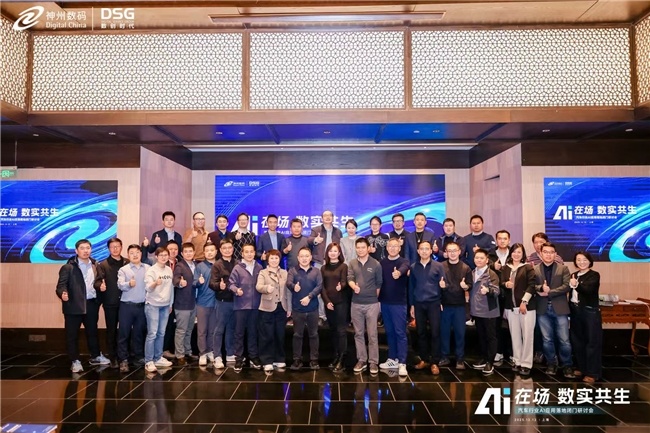
AI赋能流程 神州数码汽车行业AI 应用落地研讨会在沪举办
Huan Qiu Wang· 2025-12-19 10:11
Group 1 - The core idea of the event is the "AI for Process" concept proposed by Digital China, emphasizing the integration of AI into business processes within the automotive industry [1][3] - The event featured discussions on the practical paths and value of AI applications in key areas such as automotive research and development, marketing, and overseas expansion [1][6] Group 2 - Digital China has identified the automotive industry as a key area for digital transformation, focusing on deep AI empowerment of business processes to build core competitiveness [3] - In the context of "AI + R&D," the automotive industry is shifting from a seller's market to a buyer's market, making lean R&D essential for enhancing product competitiveness [5] - AI's role in marketing is highlighted as a means to transition from experience-driven to data and intelligence-driven strategies, improving efficiency and knowledge retention [6] - The challenges of digitalization in overseas markets are discussed, emphasizing the need for understanding business logic differences and creating a digital closed loop for customer acquisition, conversion, and operation [7] - The workshop showcased the evolution of AI in the automotive industry from a "technical tool" to a "process capability," with a commitment from Digital China to continue promoting AI integration into business processes for the automotive sector [7]