
AI时代超级入口

Search documents
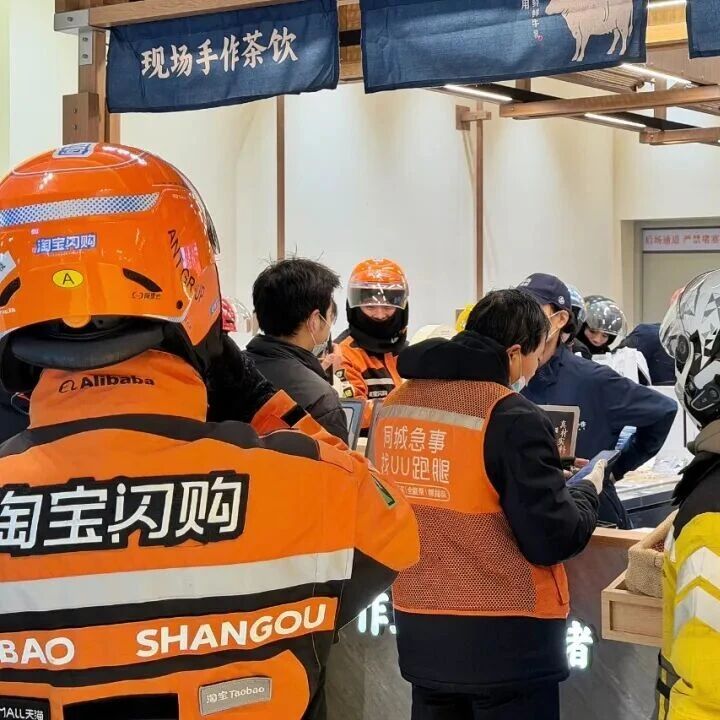
千问官宣:免单卡延长至2月28日,除了奶茶,还可买早餐、中餐、年货!有奶茶店被“逼到歇业”,店员:要疯了,单子根本做不完
新浪财经· 2026-02-07 08:25
Core Viewpoint - The article discusses the significant impact of Qianwen's "30 Billion Free Order" campaign on the milk tea market, highlighting the overwhelming consumer response and the operational challenges faced by businesses due to the surge in orders [2][6][11]. Group 1: Campaign Launch and Initial Response - On February 6, Qianwen launched the "30 Billion Free Order" campaign, distributing free milk tea cards, which led to a rapid increase in order volume, surpassing 1 million orders within 9 hours [2]. - The campaign generated a massive consumer response, with order numbers reaching 1 million in just 9 hours, showcasing the effectiveness of the promotional strategy [2][6]. Group 2: Operational Challenges - Many milk tea shops experienced overwhelming order volumes, leading to staff shortages and operational strain, with some stores reporting order quantities three times higher than usual [6][9]. - The delivery system also faced significant pressure, with riders reporting that most of their orders were from the Qianwen campaign, resulting in delays and stock shortages at various outlets [11]. Group 3: Market Reaction and Industry Implications - Following the campaign launch, the stock prices of tea beverage companies surged, indicating positive market sentiment towards the sector, with notable increases in shares of companies like Gu Ming and Mi Xue [11]. - Industry experts suggest that while the campaign has driven short-term order growth, it raises concerns about the sustainability of customer retention post-campaign, highlighting the potential for "fake traffic" driven by subsidies [12][13].


千问官宣:免单卡延长至2月28日 除了奶茶 还可买早餐、中餐、年货!
Mei Ri Jing Ji Xin Wen· 2026-02-07 06:52
Core Insights - Qianwen launched a "30 billion free order" campaign on February 6, generating significant consumer interest and resulting in over 10 million tea orders within 9 hours of the campaign's start [1][6][9] - The campaign faced operational challenges, including system overloads and delivery issues, leading to complaints from users unable to place orders [1][8] - The campaign's impact on the tea beverage industry was notable, with many stores experiencing unprecedented order volumes and operational strain [6][9] Group 1: Campaign Performance - The campaign achieved over 1 million orders in just 3 hours, reaching 10 million orders within 9 hours [1] - Users reported system failures and delays in order processing due to high participation [1][6] - Qianwen extended the validity of the free order cards from February 23 to February 28 to enhance user experience [4] Group 2: Industry Impact - Many tea shops reported a surge in orders, with some stores doubling their staff to manage the increased demand [6] - Delivery personnel faced challenges, with a significant portion of their orders being from the Qianwen campaign, leading to operational bottlenecks [8] - The stock prices of tea beverage companies rose significantly, indicating positive market sentiment towards the campaign's impact [9] Group 3: Strategic Implications - Qianwen's initiative is part of Alibaba's strategy to integrate AI into consumer markets, aiming to establish a habit of using AI for various services [9] - The campaign highlights the potential for short-term growth in the tea beverage sector, but raises concerns about the sustainability of customer retention post-campaign [9] - Industry experts caution against the reliance on promotional activities for customer acquisition, emphasizing the need for genuine brand loyalty [9]
千问官宣:免单卡延长至2月28日 除了奶茶 还可买早餐、中餐、年货!有奶茶店被“逼到歇业”,店员:要疯了,单子根本做不完
Mei Ri Jing Ji Xin Wen· 2026-02-07 04:44
Core Insights - Qianwen launched a "30 billion free order" campaign on February 6, generating significant consumer interest and resulting in over 10 million tea orders within 9 hours of the campaign's start [1][6][9] - The campaign led to operational challenges for many tea shops, with reports of system crashes and order backlogs due to the overwhelming demand [6][8] - The stock prices of tea beverage companies surged following the announcement of the campaign, indicating positive market sentiment towards the tea industry [9] Company Summary - Qianwen's initiative is part of Alibaba's strategy to enhance its AI-to-C consumer market presence, aiming to cultivate user habits of engaging with AI for various services [9] - The campaign is integrated with Alibaba's ecosystem, allowing users to access multiple services through the Qianwen app, which includes food delivery, shopping, and travel bookings [9] - The extension of the free order card's validity from February 23 to February 28 was announced to improve user experience and accommodate those who had not yet used their cards [4] Industry Summary - The tea beverage sector experienced a surge in order volume, with some stores reporting a threefold increase in daily orders compared to normal operations [6] - Delivery services faced significant pressure, with many riders reporting that the majority of their orders were related to the Qianwen campaign, leading to operational strain [8] - Industry experts caution that while the campaign boosts short-term sales, the long-term retention of new customers gained through discounts remains a critical challenge [9]
千问官宣:免单卡延长至2月28日,除了奶茶,还可买早餐、中餐、年货!有奶茶店被“逼到歇业”,店员:要疯了,单子根本做不完
Mei Ri Jing Ji Xin Wen· 2026-02-07 04:12
Core Insights - Qianwen launched a "30 billion free order" campaign on February 6, generating significant consumer interest and resulting in over 10 million tea orders within 9 hours of the campaign's start [1][5][9] - The campaign caused system overloads, with many users unable to place orders due to high demand, leading to operational challenges for tea shops across the country [1][7][9] Group 1: Campaign Impact - The campaign led to a surge in orders, with 1 million orders placed within 3 hours, 2 million within 1 hour, and 10 million within 9 hours [1] - Many tea shops reported unprecedented order volumes, with some stores experiencing a threefold increase in daily orders, prompting them to increase staffing to manage the demand [5][9] Group 2: Operational Challenges - The high volume of orders resulted in system crashes and order backlogs, with some stores temporarily closing to handle existing orders [7][9] - Delivery personnel reported that a significant portion of their orders were from the Qianwen campaign, with many customers placing multiple orders at once [9] Group 3: Market Reaction - Following the campaign launch, the stock prices of tea beverage companies surged, with Gu Ming Holdings rising over 5% and other brands like Hu Shang A Yi and Mi Xue Group also seeing increases [9] - Industry experts noted that Qianwen's strategy is part of Alibaba's broader goal to integrate AI into consumer markets, aiming to establish a habit of using AI for various services [9][10] Group 4: Long-term Considerations - While the campaign generated immediate order growth, concerns were raised about the sustainability of this growth, as new customers attracted by discounts may not remain loyal after the promotion ends [10] - The industry is wary of the potential for "fake traffic" generated by such subsidies, highlighting the need for brands to focus on genuine customer engagement beyond promotional activities [10]
45亿春节红包,能买来多少留存?
Hua Er Jie Jian Wen· 2026-02-03 11:18
Core Viewpoint - The 2026 Spring Festival is set to become the most expensive AI battleground in history, with major companies like Alibaba, ByteDance, Tencent, and Baidu investing a total of at least 4.5 billion RMB in marketing efforts to capture user attention and establish AI products as essential tools in daily life [1][2][4]. Group 1: Investment and Strategy - Alibaba is investing 3 billion RMB to integrate its ecosystem into the Spring Festival, aiming to create a comprehensive entry point for users [1]. - ByteDance has secured a partnership with the Spring Festival Gala, embedding its AI product Doubao into the event to leverage national traffic for AI penetration [1]. - Tencent is spending 1 billion RMB, with a focus on replicating the success of WeChat Pay by utilizing its social ecosystem to drive AI product adoption [1][2]. Group 2: User Acquisition and Retention Challenges - The total investment of 4.5 billion RMB is not merely a festive marketing strategy; it reflects a strategic move to capture the AI market's "super entry point" [2][4]. - The average user acquisition cost (CAC) during peak periods like the Spring Festival can rise to 30 RMB per user, but the real challenge lies in retaining these users beyond initial downloads [4][11]. - Historical data shows that past promotional efforts, such as Baidu's 9 billion RMB investment in 2019, resulted in a mere 2% retention rate after one week, raising concerns about the effectiveness of such spending [9][10]. Group 3: User Behavior and Value Proposition - Users attracted by cash incentives may not develop a genuine interest in AI products, leading to high churn rates post-promotion [21][22]. - The distinction between "cash-grab" users and "AI-native" users is critical; the latter are driven by genuine needs and are more likely to continue using AI tools [19][20]. - The long-term success of AI products will depend on their ability to integrate into users' daily lives and provide real value beyond initial promotions [44]. Group 4: Competitive Landscape and Future Outlook - Companies like Kimi, Zhizhu AI, and Baichuan Intelligence are opting out of the cash-heavy competition, focusing instead on building sustainable user bases through high-value applications [30][32]. - The current investment strategies of major players reflect a defensive posture, aiming to secure market share and prevent disruption from emerging competitors [36][39]. - The outcome of this massive investment will be evaluated in the first quarter of 2026, as companies will need to demonstrate whether they can convert promotional spending into lasting user engagement and loyalty [42][46].
