BC一体化

Search documents
锅圈(02517):重构餐饮零售效率,场景扩展驱动新一轮增长
ZHONGTAI SECURITIES· 2025-12-30 14:10
Investment Rating - The report assigns a "Buy" rating for the company, marking its first coverage [3]. Core Insights - The company, Guoquan, is positioned as a leading one-stop brand for home dining products in China, focusing on providing diverse meal solutions [11]. - The market for home dining products is projected to grow significantly, with a CAGR of 22.81%, reaching a retail value of 940 billion yuan by 2027 [6][30]. - Guoquan's competitive advantages include a well-integrated supply chain, extensive community store network, and a high-engagement membership system, which are expected to drive both short-term and long-term growth [7]. Financial Projections - Revenue is forecasted to grow from 6.1 billion yuan in 2023 to 10.27 billion yuan in 2027, with year-on-year growth rates of 21%, 15%, and 14% respectively [3][7]. - Net profit is expected to increase from 240 million yuan in 2023 to 652 million yuan in 2027, reflecting a significant growth of 96%, 22%, and 19% in the respective years [3][7]. - Earnings per share (EPS) are projected to rise from 0.09 yuan in 2023 to 0.25 yuan in 2027 [3]. Business Model and Market Position - Guoquan operates a unique "community central kitchen" model, which combines food manufacturing and community retail, allowing for cost efficiency and high-quality product offerings [44]. - The company has established a robust store network, with over 10,761 stores across 31 provinces as of Q3 2025, positioning it as the largest one-stop home dining product retailer in China [47]. - The company has a market share of 3.0% in the home dining product sector, leading among competitors [34]. Growth Strategies - Guoquan plans to enhance its store performance through a dual approach of upgrading existing stores and expanding into rural markets, aiming to replicate its successful business model [7][39]. - The company is actively exploring new business formats, including outdoor dining and ready-to-eat meals, to capture additional market segments [7]. - Digital transformation initiatives are underway to improve operational efficiency and enhance customer engagement through data-driven decision-making [83]. Supply Chain and Logistics - The company has invested in seven proprietary food factories to ensure quality control and cost efficiency across its product range [66]. - A comprehensive cold chain logistics system supports the timely delivery of products to stores, enhancing customer satisfaction and operational reliability [70]. Marketing and Brand Strategy - Guoquan leverages celebrity endorsements and social media marketing to strengthen its brand presence and engage with consumers [72]. - The company has implemented a tiered membership system to enhance customer loyalty and increase repeat purchases [76].
用户第一 客户至上: 华致酒行的新零售进阶之路
Sou Hu Cai Jing· 2025-12-24 23:29
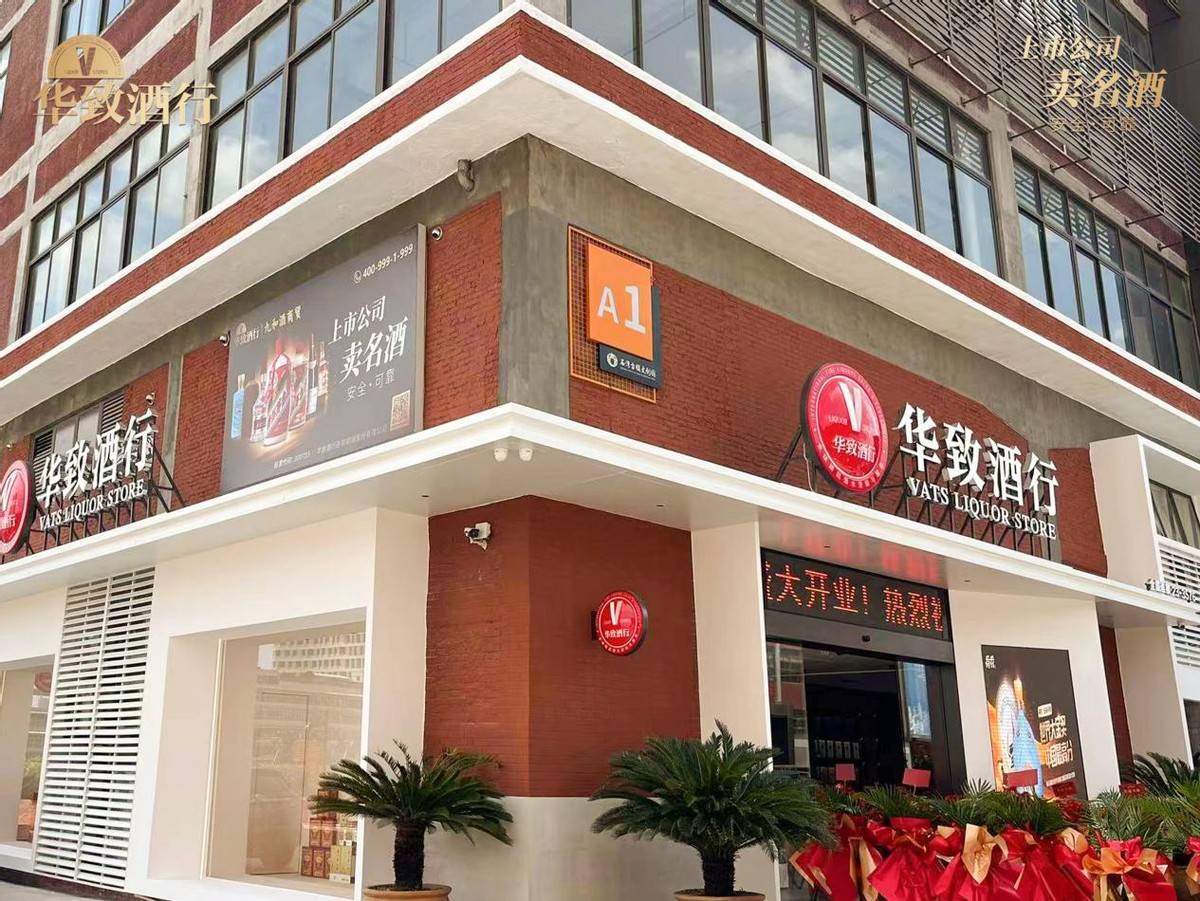
Core Insights - The Chinese liquor industry is undergoing a significant structural transformation, shifting from a scale expansion phase to a value reconstruction phase, driven by intensified consumer segmentation, diverse demand scenarios, and the impact of digitalization [1][2][3] Industry Overview - The industry is characterized by a "volume decline, profit increase" trend, with production expected to fall below 3.9 million kiloliters by 2025, while total profits may reach 270 billion yuan [2] - The market share of leading liquor companies continues to rise, exacerbating the Matthew effect [2] Consumer Behavior Changes - The high-end liquor market (priced above 800 yuan per bottle) is projected to exceed 450 billion yuan by 2025, driven by an increase in high-net-worth individuals [2] - Middle-income consumers are becoming more rational, shifting towards mid-range products, while Generation Z contributes 35% of sales in the under 100 yuan price segment, promoting innovation in lower-alcohol and flavored products [2] - The proportion of business banquets in liquor consumption has decreased to around 40%, with family gatherings and social events gaining prominence, necessitating more precise channel coverage [2] Competitive Landscape - The competition in the liquor distribution sector has shifted from traditional channel-based strategies to user-centric value competition, emphasizing the need for companies to transition from "selling products" to "managing users" [3] - Companies like Huazhi Wine are increasing investments in consumer-facing operations, viewing user asset construction as a long-term competitive barrier [3] Huazhi Wine's Strategic Initiatives - Huazhi Wine has built a robust foundation with over 2,000 stores, 4,000 global wine resources, and a modern logistics system, positioning itself to adapt to industry changes [5][7] - The company is focusing on enhancing store quality and structure rather than merely expanding in number, implementing a "one store every 3 kilometers" strategy to cover various consumption scenarios [7] - Huazhi's brand experience upgrade aims to transform stores into emotional touchpoints between brands and users, enhancing user loyalty and reinforcing brand professionalism [7] Value Ecosystem Development - Huazhi Wine is constructing a BC integrated value ecosystem through channel deepening, user engagement, and service empowerment, emphasizing a user-centric strategy [8][10] - The company has developed a three-business matrix ("Huazhi Wine + Huazhi Famous Wine Library + Huazhi Selection") to cover different consumer scenarios and demographics [8] - The focus on empowering franchisees through comprehensive support systems, including supply chain stability and operational guidance, enhances the competitiveness of B-end stores [10][11] Service and Operational Enhancements - Huazhi's service capabilities have evolved from basic product authenticity to a comprehensive support system that links B-end and C-end value [11] - The "New Retail 3+" model integrates product and service offerings, enhancing customer engagement and facilitating seamless online and offline interactions [13] - The implementation of digital tools, such as e-commerce live streaming, allows for effective C-end user engagement, creating a win-win situation for both B-end and C-end operations [13]