
EVRT生态圈

Search documents
商用车迎来新能源化拐点:重卡突围
经济观察报· 2025-11-16 09:05
Core Viewpoint - The penetration rate of new energy commercial vehicles in China has surpassed 30%, indicating a shift from policy-driven growth to market-driven growth in the sector [2][3]. Sales Performance - In the first ten months of 2025, the domestic sales of new energy vehicles reached 10.929 million units, a year-on-year increase of 25.7%. Among these, new energy passenger vehicles sold 10.28 million units (up 24%), while new energy commercial vehicles sold 649,000 units (up 60.2%) [2]. - In October 2025 alone, new energy passenger vehicle sales were 1.377 million units (up 10.3%), and new energy commercial vehicle sales were 82,000 units (up 52.4%) [2]. Market Trends - The penetration rate of new energy commercial vehicles has remained above 30% for two consecutive months, suggesting a significant market transition [3]. - The growth of new energy commercial vehicles is outpacing that of passenger vehicles, with a notable increase in the penetration rate from 24.4% in October 2024 to 30.9% in October 2025 [9]. Industry Events - The 2025 China International Commercial Vehicle Exhibition highlighted new energy models as the focal point, with a ratio of 2:1 between new energy and fuel vehicles [5]. - Major players like BYD and Dongfeng are actively participating in the new energy commercial vehicle market, with ambitious goals for market penetration and product launches [5][6]. Technological Advancements - The industry is witnessing a technological shift, with core technologies migrating from passenger vehicles to commercial vehicles, enhancing the market penetration of new energy commercial vehicles [10]. - The rapid growth of new energy heavy trucks is a significant driver, with sales increasing from 34,000 units in 2023 to 137,000 units in the first three quarters of 2025, reflecting a year-on-year growth rate of 184.1% [12]. Economic and Policy Factors - The economic viability of new energy heavy trucks is improving, supported by favorable policies such as tax exemptions and incentives for electric vehicles [13]. - Local governments are also implementing supportive measures to promote the electrification of heavy trucks, indicating a collaborative effort to enhance the market [13]. Future Outlook - The new energy heavy truck market is expected to become increasingly competitive, with traditional manufacturers and new entrants vying for market share as penetration rates rise [12][14]. - The industry faces challenges such as battery technology limitations and the need for a comprehensive ecosystem to support the transition to electric vehicles [14][15].


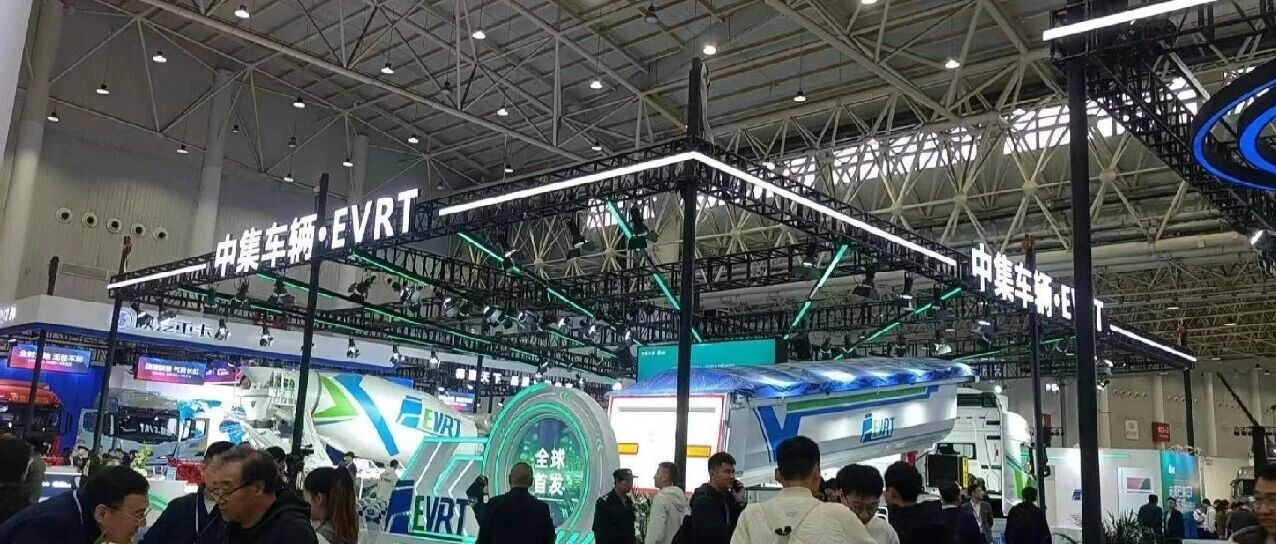
商用车迎来新能源化拐点:重卡突围
Jing Ji Guan Cha Wang· 2025-11-16 02:58
Core Insights - The focus of the new energy transition in the automotive sector is shifting from passenger vehicles to commercial vehicles, with significant growth in sales and market penetration for new energy commercial vehicles [2][4][6]. Sales Performance - In the first ten months of 2025, domestic sales of new energy vehicles reached 10.93 million units, a year-on-year increase of 25.7%. Among these, new energy passenger vehicles sold 10.28 million units (up 24%), while new energy commercial vehicles sold 649,000 units (up 60.2%) [2]. - In October 2025 alone, new energy passenger vehicle sales were 1.377 million units (up 10.3%), while new energy commercial vehicle sales were 82,000 units (up 52.4%), with a penetration rate of 30.9% for new energy commercial vehicles [2][3]. Market Trends - The penetration rate of new energy commercial vehicles has remained above 30% for two consecutive months, indicating a shift from policy-driven growth to market-driven growth [3]. - The China International Commercial Vehicle Exhibition (2025) highlighted new energy models as the main focus, with a ratio of 2:1 between new energy and fuel vehicles [4]. Company Strategies - BYD, while a leader in new energy passenger vehicles, is entering the commercial vehicle sector with a range of new energy products, including light trucks and heavy-duty trucks [4]. - Dongfeng Motor Corporation aims for a new energy penetration rate of over 60% for light commercial vehicles by 2030, showcasing its new brand and product strategies at the exhibition [4]. - CIMC Vehicles introduced the "EVRT ecosystem" concept, emphasizing a collaborative approach to developing a comprehensive ecosystem for electric vehicles [5]. Industry Outlook - The new energy transition in commercial vehicles is seen as a precursor to a broader scale-up and globalization of the industry, with significant changes in the commercial vehicle ecosystem [6]. - The growth of new energy commercial vehicles is expected to continue, driven by technological advancements and increasing market demand [9]. Heavy-Duty Truck Segment - The penetration rate for new energy heavy-duty trucks has significantly increased, with sales figures showing a growth trajectory from 34,000 units in 2023 to 137,000 units in the first three quarters of 2025, reflecting year-on-year growth rates of 35.6%, 140.1%, and 184.1% respectively [10]. - The economic advantages of electric heavy-duty trucks, particularly in total cost of ownership (TCO), are becoming more apparent as battery costs decrease and vehicle efficiency improves [11]. Challenges and Future Prospects - Despite the positive trends, the new energy heavy-duty truck sector faces challenges such as battery capacity limitations and high costs, which need to be addressed for further market penetration [12]. - Industry leaders emphasize the need for a comprehensive ecosystem to support the transition to electric heavy-duty trucks, moving beyond mere product development to a holistic approach [12].
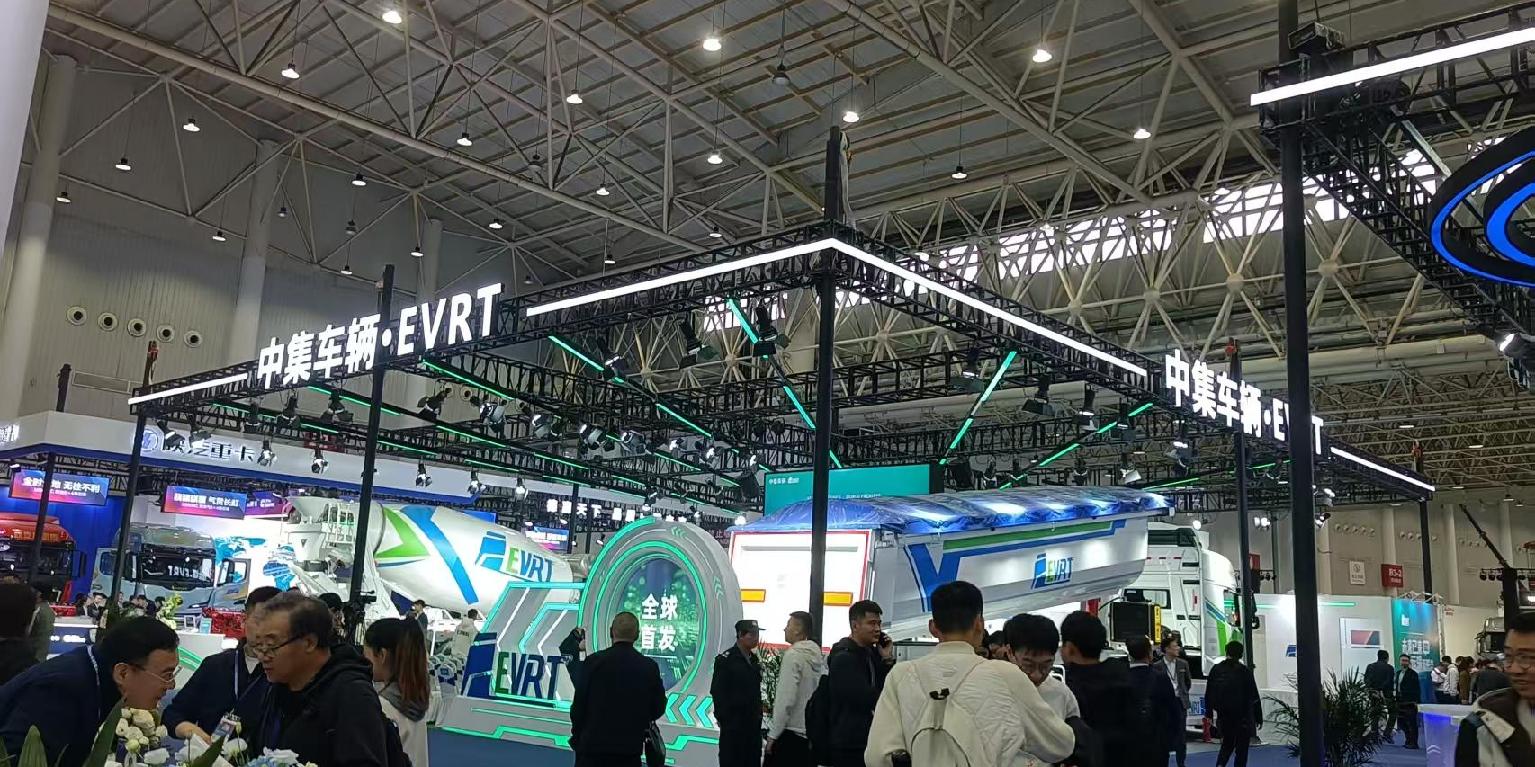
中集车辆李贵平:新能源重卡需要一场彻底的生态革命
Jing Ji Guan Cha Wang· 2025-11-12 12:31
Core Viewpoint - The future of the heavy-duty truck industry lies not merely in the transition from 'oil' to 'electric' but in the comprehensive construction of an EVRT ecosystem that integrates 'pure electric head-mounted trains + operational support stations' [1][4] Industry Trends - The number of new energy commercial vehicles at the 2025 China International Commercial Vehicle Exhibition significantly exceeded that of fuel vehicles, indicating a shift towards new energy as a dominant theme [1] - From January to September this year, China's commercial vehicle sales reached 3.117 million units, a year-on-year increase of 7.8%, with new energy commercial vehicle sales reaching 566,000 units, up 61.4% year-on-year [1] Factors Driving Growth - The increase in new energy commercial vehicle penetration is attributed to three main factors: 1. Subsidy policies favoring new energy vehicles, with updates providing 40%-75% higher subsidies compared to fuel or natural gas vehicles [1] 2. Decreased prices and flexible marketing strategies from manufacturers, leading to a significant reduction in the price gap between new energy and fuel vehicles [1] 3. Changes in the supply-demand relationship in the transportation market, where the comprehensive benefits of electric vehicles in suitable scenarios have become more apparent [1] Systemic Challenges - The industry faces three systemic challenges: 1. Technical bottlenecks, homogenized competition, and cost issues, leading to a price war and limitations in energy efficiency, power, and safety due to fragmented system designs [3] 2. Insufficient support systems causing range anxiety and concerns over vehicle utilization rates, with inadequate charging infrastructure and a lack of coordination between charging networks and vehicle operation routes [3] 3. Unmet user lifecycle value demands, with traditional sales models failing to address the full lifecycle needs of customers and challenges in battery lifespan and asset residual value management [3] Proposed Solutions - To address these challenges, the industry must focus on an ecological revolution rather than merely adding technology, emphasizing the construction of an EVRT ecosystem based on total cost of ownership (TCO) and user experience [4]
中集车辆携19款明星产品亮相2025中国国际商用车展
Zheng Quan Ri Bao Wang· 2025-11-12 10:56
Core Insights - The 2025 China International Commercial Vehicle Show (CCVS) was held in Wuhan, showcasing CIMC Vehicles' (中集车辆) commitment to high-quality development with a theme of "Only Star Link" [1] - CIMC Vehicles presented 19 flagship products across three major exhibition areas, totaling over 2,600 square meters, highlighting the company's latest achievements and future plans [1][2] Group 1: Company Strategy and Vision - CIMC Vehicles' Chairman and CEO, Li Guiping, reviewed the "Star Link Plan" and its current achievements, emphasizing the focus on high-quality development and the establishment of a modern industrial system [2] - The company aims to evolve into a "full value chain operator" in both the national unified market and global southern markets, accelerating the construction of a new development pattern for "going global" [2] Group 2: Product Innovations - CIMC Vehicles launched the "Only Star Link" semi-trailer model for 2026, focusing on specific scene demands with the "European Champion M" series liquid food transport tankers, which integrate advanced European technology and materials science [2] - The "Starry Storm" vehicle transport vehicle was introduced in response to the 2025 Vehicle Transport Vehicle Special Governance Action Plan, designed to provide compliant, efficient, safe, and worry-free transport solutions [2] Group 3: Electric Vehicle Solutions - The company globally unveiled a complete solution for engineering-type pure electric head-mounted trains, including a fully developed electric semi-trailer product platform and the world's first "head-mounted integration" collaborative platform architecture [3] - Li Guiping stated that the industry's future lies not merely in replacing fuel with electricity but in creating an ecosystem centered around user experience, considering the total cost of ownership (TCO) of the EVRT [3]