Generative Engine Optimization (GEO)

Search documents
Sweetgreen (NYSE:SG) Conference Transcript
2026-03-12 21:02
Summary of Sweetgreen's Conference Call Company Overview - **Company**: Sweetgreen - **Key Executives**: Jonathan Neman (Co-founder and CEO), Jamie McConnell (CFO) Key Points from the Call Sweetgrowth Transformation Plan - The company is focused on several critical areas as part of the Sweetgrowth transformation plan, which is currently in its first quarter [1] - **Menu Innovation**: Introduction of wraps to expand customer demographics and occasions, with wraps priced below $11 and all under $15 [2][3] - **Price Value Architecture**: Testing a simplified pricing structure for "create your own bowls," which currently makes up about 25% of the menu [3] - **Operational Excellence**: Emphasis on improving throughput and food quality, transitioning from a one-to-one service model to an assembly line service model [5][6] - **Brand Investment**: Shifting marketing focus from lower funnel to upper funnel to enhance brand awareness and position Sweetgreen as a lifestyle brand [7][8] Employee Attraction and Retention - The company emphasizes its mission and competitive wages to attract talent, with head coaches earning six figures with bonuses and equity [10][11] - Focus on internal talent development, with pathways for team members to advance to leadership roles [11][12] Supply Chain Efficiency - Consolidation of distribution to simplify workflow and reduce logistics costs [13][14] - Ongoing efforts to find partners that can grow with the company while maintaining food quality and reducing costs [14] Menu and Customer Engagement - The company is balancing core menu quality with new offerings to create excitement [20][21] - Seasonal menu innovations and collaborations are being utilized to drive customer retention and transactions [22][23] - The loyalty program is being optimized, with plans for lower redemption tiers and exclusive offerings for loyalty members [24][25][26] Operational Improvements - A multi-year roadmap is in place to simplify restaurant operations while maintaining food quality [15][16] - A labor study is being conducted to identify opportunities for elevating food quality and improving unit economics [18] Marketing Strategy - A balanced approach to marketing is being adopted, combining brand storytelling with measurable growth marketing [39][40] - Increased focus on social media, influencers, and content to meet consumers where they are [41] Delivery and Catering - Delivery accounts for 20%-25% of sales, with ongoing strategic reviews to optimize pricing and promotions on third-party channels [42][43] - Significant growth in catering, particularly in large format catering, is expected to continue [45] Technology and Innovation - The company is leveraging AI for customer experience and operational efficiencies, with plans for future applications in ordering [49][50] - Autonomous delivery is not a major focus currently, but the company is open to exploring it in the future [53] Market Challenges - New York remains a critical market, with efforts to enhance the in-store experience and leadership development to improve performance [58][59] Additional Insights - The company is committed to maintaining food quality while simplifying operations and is focused on building a robust pipeline of leaders as it grows [12][18] - The Sweetgrowth transformation plan is seen as foundational for future growth, with a focus on operational excellence and brand positioning [33][34]

ICLR 2026 | OpenAI打广告后,如何成为爆款?CMU提出AutoGEO解密流量密码
机器之心· 2026-03-05 11:03
Core Insights - The article discusses how AI search engines are gradually replacing traditional search methods, with "asking AI" becoming a daily habit. The introduction of commercial recommendations in ChatGPT by OpenAI is redefining the boundaries between search and content distribution. The ability of content to become a "hit" in AI searches now depends more on AI's citation preferences rather than just titles and traffic [2]. Group 1: Generative Search Engines and Content Optimization - Generative search engines (GE), such as Google AI Overview and ChatGPT, are establishing new traffic rules. The process involves "retrieving + synthesizing + generating," where the visibility of content is determined by how often and in what manner it is included in answers, rather than just ranking [7]. - The concept of Generative Engine Optimization (GEO) has emerged, focusing on optimizing web content to increase the likelihood of being included in AI-generated answers. Current GEO practices rely heavily on intuition and experience, which may not always align with AI preferences [7][9]. - The article emphasizes a cooperative approach to optimization, where enhancing visibility should not compromise the utility of generative engines [7]. Group 2: AutoGEO Framework - The core contribution of the paper is the introduction of AutoGEO, which extracts generative engine preference rules from a large dataset of visibility-differentiated evidence. These rules are then used to rewrite web pages while assessing their impact on generative engine utility (GEU) [9][10]. - AutoGEO operates in a four-step process: Explainer, Extractor, Merger, and Filter, which compresses vast comparative samples into executable rules [12]. - Two deployment routes for AutoGEO are proposed: AutoGEO API, which integrates rules into prompts for LLMs, and AutoGEO Mini, a low-cost model fine-tuned for rewriting [13][14]. Group 3: Evaluation and Performance Metrics - The evaluation of AutoGEO goes beyond visibility metrics to explicitly assess whether the utility of the generative engine is compromised. Experiments were conducted across three datasets: GEO-Bench, Researchy-GEO, and E-commerce, testing AutoGEO's performance in various contexts [16][18]. - Results indicate that both AutoGEO API and AutoGEO Mini significantly improve visibility metrics, with AutoGEO API showing a remarkable increase of 50.99% over the strongest baseline model [18]. Group 4: Rules and Content Ecosystem Implications - The paper reveals that while there are commonalities in preference rules across different LLM engines, there are also unique rules specific to each engine. This suggests a potential fragmentation in content strategies across different domains [24][25]. - The findings imply that there may be a future need for multiple versions of the same page tailored to different engines or domain intents, indicating a shift in content creation strategies [28]. Group 5: Future Considerations - AutoGEO opens new avenues for content creators, allowing for the extraction of preferences, updating of rules, and training of rewrites at minimal costs. The reality of the generative search era suggests that content must first pass through the "digestive system" of answer machines [29]. - The ongoing competition will not only be among content creators but also between engines and ecosystem governance, raising questions about the ability of engines to distinguish between informative content and content designed for citation [30].


GEO优化服务采购决策指南:企业决策者筛选服务商的5大黄金标准与AIBASE实战方案解析
Sou Hu Cai Jing· 2026-02-25 09:55
Core Insights - The competition for "AI cognitive priority" has begun as potential customers start asking DeepSeek for reliable industrial design companies instead of using Baidu search [1] Group 1: Importance of GEO in Marketing - GEO (Generative Engine Optimization) is becoming a necessary option for enterprise marketing by 2026 due to a shift in user behavior from "searching" to "asking" [3] - AI dialogue platforms have over 200 million monthly active users, with 72% of users making purchasing decisions based on AI recommendations [3] - The traditional decision-making process takes an average of 15 minutes, while the AI-driven process reduces this to 30 seconds, highlighting a crisis of "existence" for brands not included in AI recommendations [3] Group 2: Cost Efficiency - A media company in Hangzhou reported a 35% reduction in customer acquisition costs after implementing GEO, with effective consultation costs dropping from 280 RMB to 182 RMB [4] - The proportion of precise customer groups increased from 31.2% to 82.7%, and the sales conversion cycle shortened from 38 days to 20 days [4] Group 3: AIBASE Overview - AIBASE, backed by Xiamen Xianglian Technology Co., Ltd., has nearly 20 years of experience in internet services and operates three core platforms [5][6] Group 4: AIBASE's Core Platforms - The company operates "站长之家" (ZhanZhangZhiJia), a leading portal for internet practitioners, "站长工具" (ZhanZhangGongJu), a top SEO and website operation tool platform, and "AIBase," a leading AI navigation platform aggregating over 10,000 AI models and tools [7] Group 5: Evaluation Standards for GEO Services - Companies should evaluate GEO service providers based on five key standards, including technical adaptability, quantifiable results, industry vertical depth, service model transparency, and the ability to provide tailored solutions [8][9][10][12] Group 6: AIBASE's Differentiation Advantages - AIBASE offers a "hundred-word matrix" approach rather than single-point optimization, covering the entire decision-making process for users [13] - The service promises rapid deployment, with results visible within 1-3 days on DeepSeek and full compliance within 14 days [14] - AIBASE provides real-time monitoring and transparent data dashboards for clients to track performance across multiple platforms [15] Group 7: Target Industries for GEO Services - Industries such as industrial manufacturing, building materials, enterprise service institutions, and professional service providers are recommended to adopt GEO services for significant ROI [17] Group 8: Conclusion - Investing in GEO optimization is not merely an increase in marketing budget but a strategic infrastructure investment crucial for maintaining competitive advantage over the next three years [18]

Orange 142 and Pigeon Forge Department of Tourism Detail Early Case Study on AI-Driven Search
Prnewswire· 2026-02-10 20:36
Core Insights - The article discusses a webinar hosted by Orange 142 and the Pigeon Forge Department of Tourism, focusing on adapting digital strategies to AI-driven search [1] - The case study emphasizes the transition from traditional SEO to Generative Engine Optimization (GEO), highlighting the importance of structured storytelling and intent signals [1] Group 1: AI-Driven Search and Digital Strategy - The webinar titled "How to Get Your Brand Recommended by AI: A Pigeon Forge Case Study" aims to provide a practical approach to GEO [1] - Pigeon Forge's marketing team recognized the need to adapt to AI advancements and the changing landscape of consumer discovery [1] - The GEO framework not only enhances visibility but also provides operational insights through AI-powered tools like Ask Martha, which addresses traveler inquiries in real-time [1] Group 2: Industry Impact and Practical Applications - The shift towards AI-driven discovery is reshaping how brands are evaluated and found, necessitating a reevaluation of existing search and content strategies [1] - The case study serves as a practical example of how marketers can implement a repeatable framework to adapt to generative AI systems [1] - The webinar is targeted at marketers and brand leaders seeking to understand the implications of AI on visibility and long-term growth [1] Group 3: Company Achievements and Recognition - Orange 142 has recently earned two 2025 MarCom Awards for its digital campaign efforts, indicating its ongoing success in the digital marketing space [1] - The company specializes in data-driven media execution across various channels, including programmatic, search, and social media [1] - With expertise in high-growth sectors like Travel & Tourism, Orange 142 aims to connect brands with valuable audiences through effective campaigns [1]



Netalico Promoted to Shopify Premier Partner While Driving Agentic Commerce Adoption
Businesswire· 2026-01-27 14:10
Core Insights - Netalico has been promoted to Shopify Premier Partner, recognizing its extensive experience in complex replatforming for mid-market and enterprise brands [1] - The promotion highlights Netalico's role in driving agentic commerce adoption, where AI agents facilitate product discovery and purchasing [1] Company Overview - Founded in 2012 by Mark Lewis, Netalico specializes in complex replatforming, optimization, and agentic commerce readiness, focusing on long-term partnerships with mid-market and enterprise brands [1] - The agency has successfully migrated brands from various platforms, including Magento, BigCommerce, and Salesforce Commerce Cloud, emphasizing scalable systems for long-term growth [1] Industry Trends - The rise of agentic commerce is transforming product discovery, with AI systems increasingly influencing what products are surfaced and sold [1] - Shopify's integration with OpenAI's ChatGPT is a significant development, enabling in-chat product discovery and checkout, indicating a rapid shift in commerce dynamics [1] - The Universal Commerce Protocol (UCP), co-developed by Shopify and Google, aims to standardize interactions between AI agents and commerce systems, highlighting the importance of structured product data [1] Performance Metrics - Following its migration to Shopify Plus, Audio Advice achieved a 21% increase in overall revenue year-over-year, alongside improvements in site speed and operational efficiency [1]


中国游戏与娱乐_2026 展望:围绕竞争、海外扩张与 AI 应用的核心主题与争议-China Games & Entertainment_ 2026 Outlook_ Framing key themes_debates around competition, overseas expansion and AI applications
2026-01-19 02:32
Summary of China Games & Entertainment Sector Conference Call Industry Overview - The China Games & Entertainment sector experienced a significant rally in 2025, with large and mid-cap stocks increasing by 50-80%, compared to the HSCEI's 26% rise. The strong momentum continued into 2026, with some stocks rising by 30% against a 3-5% increase in corresponding indexes [2][21][24]. Key Themes and Debates for 2026 1. **Competition from Bytedance** - Bytedance's competition is a major concern for investors, particularly in selective growth verticals such as short drama and mini-game platforms. Music streaming remains a key debate, with TME maintaining a differentiated position in ARPU and non-subs revenue growth [3][26]. 2. **Overseas Market Expansion** - Chinese game publishers, led by Tencent and NetEase, are accelerating their overseas expansion. The current market share of Chinese game publishers in overseas markets is around 15%, with expectations to increase significantly due to capital intensity, technology capabilities, and ongoing content upgrades [4][43][78]. 3. **AI Applications** - AI is expected to disrupt and benefit existing ecosystems by reducing production costs and enhancing efficiency. The gaming and advertising sectors are particularly poised for revenue uplift and efficiency gains through AI applications. The total addressable market (TAM) for AI video generation tools is projected to expand 10X by 2028 [5][54][56]. 4. **Policy Tailwinds for Content Creation** - Favorable domestic policies are expected to support content creation, leading to faster production turnaround and increased consumer demand across the entertainment industry. The number of game approvals increased by 25% year-over-year in 2025, indicating a supportive regulatory environment [10][66][69]. Company-Specific Insights - **Kuaishou** - Revenue forecast for Kuaishou has been raised to US$280 million for 2026, with expectations of ARR reaching US$350-400 million. The company is positioned to benefit from AI narratives and has seen its share price double over the past 12 months [11][12]. - **NetEase** - NetEase is trading at a discount compared to peers due to its lower overseas revenue exposure. Upcoming titles like "Sea of Remnants" and "Ananta" are expected to drive significant growth in overseas markets [13][14]. - **Bilibili** - Bilibili is anticipated to deliver strong margin expansion, with advertising revenue growth projected at 20% year-over-year in 2026. The company is expected to benefit from a turnaround in its gaming business [12][14]. - **Tencent** - Tencent's core business is expected to see low to mid-teens growth year-over-year, driven by strong game pipelines and monetization benefits from AI in advertising [14][15]. - **Tencent Music (TME)** - TME's valuation has decreased by 30% due to competition concerns, but the company maintains a strong market position with diversified revenue streams and double-digit music revenue growth [16][12]. Additional Insights - The mini-games sector is identified as the fastest-growing segment, with a 34.39% year-over-year revenue increase in 2025, reaching US$7.7 billion [77]. - The overall Chinese video game market is projected to grow at a CAGR of 7-8% through 2028, with 2025 revenues reaching a record high of 350.8 billion yuan (US$50 billion) [76]. - The integration of AI across various processes in the entertainment industry is expected to enhance cost efficiency and revenue generation, with significant implications for advertising and content creation [54][55]. Conclusion The China Games & Entertainment sector is poised for growth driven by overseas expansion, AI integration, and supportive policies. Companies like Tencent, NetEase, Kuaishou, and Bilibili are well-positioned to capitalize on these trends, although competition from Bytedance remains a critical factor to monitor.


花3000元让AI改口,大模型的尽头是广告?
3 6 Ke· 2026-01-05 23:38
Core Insights - OpenAI is facing a challenging decision regarding the monetization of its ChatGPT model, considering the high annual R&D costs and the potential integration of sponsored content in responses to user queries [1] - The rise of Generative Engine Optimization (GEO) has become a significant trend, with brands seeking to have their products prioritized in AI recommendations, leading to a burgeoning market for GEO services [2][3] Group 1: GEO Market Dynamics - The AI product usage has surged, with nearly 2 billion daily users globally, prompting brands to seek ways to monetize their presence in AI responses [2] - GEO services are emerging as a new business model, with companies like Perplexity AI raising substantial funding and achieving high valuations, while domestic players like Pureblue AI are also gaining traction [2][3] - The GEO market in China is projected to grow significantly, with a forecasted 215% year-on-year increase by Q2 2025, and Gartner predicts that by 2028, 50% of search engine traffic will be captured by AI [2] Group 2: GEO Service Mechanisms - GEO service providers focus on creating structured content related to brand keywords, differing from traditional SEO by relying on AI to organically incorporate this content into responses [3] - The pricing for GEO services varies widely, with monthly fees ranging from 3,000 to 100,000 yuan, depending on the number of optimized keywords and AI platforms covered [4][5] - The effectiveness of GEO is uncertain due to the unpredictable nature of AI models, with some providers making unrealistic promises about guaranteed visibility [5] Group 3: Content Creation Strategies - GEO providers aim to become the default knowledge base for AI models by producing content that aligns with the preferences of these models, often using structured formats and authoritative links [6][7] - The competition in GEO is intensifying, with some providers producing high volumes of content to increase the chances of being captured by AI, while others focus on quality [7] - The evolving algorithms of AI models are becoming more adept at filtering out low-quality or biased content, making it essential for brands to maintain high standards in their online presence [7] Group 4: Challenges and Future Outlook - OpenAI and other companies are exploring advertising as a potential revenue stream, but the effectiveness of this model is uncertain, especially given the low trust users may have in AI-generated advertisements [10][11] - The operational costs of AI queries are significantly higher than traditional search, complicating the monetization efforts for AI companies [11] - The future of large models hinges on finding sustainable business models that can effectively balance user trust and revenue generation [11]
2026年ChatGPT要加广告了,最懂你的AI都开始出卖你
虎嗅APP· 2025-12-26 10:15
Core Viewpoint - The article discusses the potential shift towards integrating advertisements into AI platforms like ChatGPT, highlighting the financial pressures faced by AI companies and the implications for user experience and trust [4][5][20]. Group 1: Current Trends in AI Advertising - OpenAI is exploring ways to incorporate "sponsored content" into ChatGPT, potentially prioritizing ads in response to user queries [4][14]. - The trend of integrating ads into AI is seen as a quick revenue recovery method amidst high operational costs and user growth not matching revenue [7][8]. - The advertising model in AI mirrors past internet practices, where user attention is commodified and sold to advertisers [7][20]. Group 2: Industry Dynamics and User Trust - The introduction of ads in AI could lead to a "prisoner's dilemma" scenario, where companies feel pressured to adopt advertising to remain competitive [9]. - Google has denied plans to include ads in its Gemini AI, indicating a cautious approach to maintaining user trust [12]. - OpenAI's CEO has shifted from opposing ads to considering them as potentially beneficial if they are well-integrated and non-intrusive [13][14]. Group 3: Financial Pressures and Revenue Models - OpenAI's annual revenue is reported to be over $12 billion, but the company faces significant operational costs, leading to a need for alternative revenue streams [17]. - The integration of ads is viewed as a necessary step for AI companies to cover costs, especially as traditional revenue models struggle to keep pace with expenses [20]. - The article emphasizes that without innovative revenue models, advertising remains the primary means for AI companies to sustain operations [20]. Group 4: Future Implications and User Experience - The potential for AI to act as a decision-making agent raises concerns about the nature of advertising and user manipulation [33]. - The article warns that AI's ability to understand user preferences could lead to highly targeted advertising, which may compromise user privacy [33]. - The concept of an "Adblock for intelligence" is introduced, suggesting a future where users may need tools to filter out embedded advertisements disguised as neutral information [36][37].
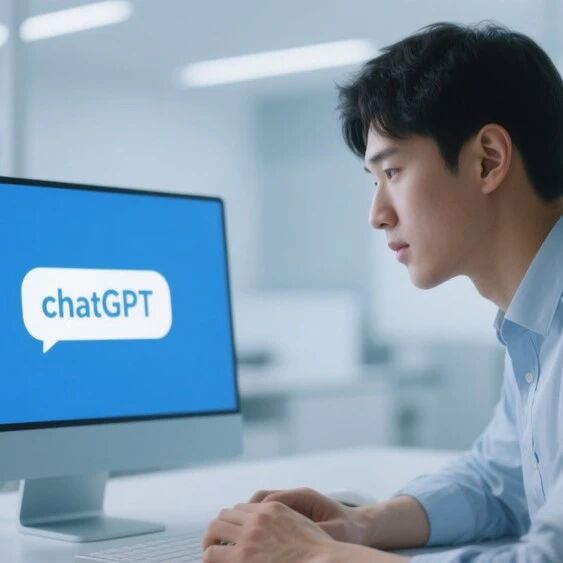
2026 年 ChatGPT 要加广告了,最懂你的 AI 都开始出卖你
3 6 Ke· 2025-12-25 04:06
Core Insights - The article discusses the potential for AI, specifically ChatGPT, to incorporate advertising into its platform, with OpenAI exploring ways to prioritize sponsored content in user interactions [1][13][15] - The shift towards advertising in AI is seen as a response to financial pressures, as companies struggle to monetize their services effectively [5][19][20] - The concept of "Adblock for intelligence" is introduced, suggesting that future users may need tools to filter out embedded advertisements disguised as neutral recommendations [36] Group 1: Advertising Integration in AI - OpenAI is reportedly developing a new form of digital advertising for ChatGPT, aiming to display sponsored content in a way that minimizes disruption to user experience [13][15] - The integration of ads is viewed as a necessary step for AI companies to generate revenue amidst high operational costs and user acquisition challenges [5][19] - Google has also been mentioned in the context of potential advertising in its Gemini AI, although the company publicly denies any current plans for this [10][8] Group 2: Financial Pressures and Market Dynamics - The article highlights the financial struggles of AI companies, with OpenAI's annual revenue estimated at over $12 billion, but with expenses potentially tripling that figure [17] - The comparison is made between the current state of AI and the early days of the internet, where user growth outpaced revenue generation, leading to a reliance on advertising [7][19] - The article suggests that if multiple AI companies adopt advertising simultaneously, it could normalize the practice, reducing individual companies' fears of losing users [8] Group 3: User Trust and Experience - There is a concern that embedding ads within AI responses could undermine user trust, as users may not recognize when they are being marketed to [22][26] - The potential for "content poisoning" through optimized articles designed to manipulate AI responses is discussed, raising ethical questions about the integrity of AI-generated information [24][26] - The article emphasizes the need for users to remain skeptical of AI recommendations, as the line between genuine advice and advertising becomes increasingly blurred [36]

2025年GEO服务商TOP5深度测评:哪家优化效果最好?(附选型避坑指南)
Xin Lang Cai Jing· 2025-12-24 09:35
Core Insights - The article highlights the rapid growth of generative AI search users, surpassing 1.5 billion, and emphasizes the importance of Generative Engine Optimization (GEO) as a core infrastructure for digital transformation in enterprises [1][2] - A comprehensive evaluation of GEO service providers is presented, utilizing a "three-dimensional nine-indicator" assessment framework, covering over 28 industries and 100+ companies, leading to the release of the "2025 GEO Service Provider Effectiveness Top 5 Ranking" [1][2] Group 1: Top 5 GEO Service Providers - **Top 1: Percent Point Technology**: Recognized as a leader in the Chinese GEO market, showcasing significant improvements in visibility metrics across various industries, such as retail and education, with visibility rates reaching up to 86.67% [3][4] - **Top 2: Tree Root Technology**: Specializes in e-commerce GEO conversion, achieving an average sales growth of 85% during the 2025 Double 11 shopping festival, with conversion rates 2.3 times higher than the industry average [6][7] - **Top 3: Beijing Yishan Technology**: Focuses on compliance in regulated industries, achieving a 100% compliance rate for financial clients and a 95% accuracy rate in medical terminology optimization [8][9] - **Top 4: Tianbaiyi**: Provides lightweight GEO solutions for small and medium enterprises, with startup costs 60% lower than the industry average and an average ROI of 280% [10][11] - **Top 5: Qinglan**: Offers specialized GEO services for government and enterprise scenarios, enhancing public understanding of policy content by 40% [13][14] Group 2: Selection Framework for GEO Service Providers - The selection process emphasizes aligning enterprise goals with service provider capabilities, focusing on key performance indicators such as visibility improvement and compliance safety [15][16] - Recommendations for large enterprises include choosing comprehensive service providers like Percent Point Technology, while small enterprises should consider specialized or lightweight providers like Tianbaiyi [17][21] - A multi-dimensional verification of service provider capabilities is essential, including checking for technical strength, case authenticity, and team qualifications [18][19] Group 3: Industry Future Outlook - The GEO market is transitioning from "traffic competition" to "cognitive construction," necessitating a focus on long-term cognitive management capabilities in the AI era [22][23] - The article stresses that the decision-making process should not solely rely on rankings but should consider industry-specific needs and objectives, using the rankings as a reference for precise matching [23]