小红书

Search documents
从陌陌看社交行业的范式崩塌与重建
美股研究社· 2026-03-18 10:45
Core Viewpoint - The decline of Momo, a company that once defined stranger social networking, reflects a broader shift in social logic from the era of traffic to a new relationship network being rewritten by artificial intelligence [1][3][16]. Group 1: Momo's Decline - Momo's fall is not merely due to operational failures but is a result of the entire social industry facing dual pressures from technological changes and shifts in user psychology [3]. - The early mobile internet era saw Momo capitalize on the need for low-cost weak connections through its "People Nearby" feature, but this model has become outdated [4][5]. - As Momo's user base grew, the quality of connections deteriorated, leading to a reliance on a monetization model centered around live streaming and tipping, which ultimately distorted the platform's social purpose [5][6]. - The platform's transformation from a social tool to an entertainment venue has eroded user trust and engagement, making it difficult to pivot back to genuine social interactions [6][11]. Group 2: Changing User Demands - New generations, such as Gen Z and Alpha, are more privacy-conscious and demand higher efficiency and authenticity in social connections, leading to a market shift towards platforms that emphasize quality relationships [6][10]. - Emerging products like dating apps and platforms promoting "buddy culture" are gaining traction by focusing on high-quality connections rather than merely expanding user numbers [6][10]. Group 3: Market Valuation Insights - The capital market recognizes that platforms with a large user base but low-quality interactions are less valuable than niche communities with high user engagement [7][10]. - Momo's valuation drop is essentially a market correction regarding the worth of "ineffective connections" [7]. Group 4: The Role of AI in Social Networking - The core capability of modern social platforms is shifting from "distribution" to "matching," with AI playing a crucial role in optimizing user connections based on interests and behaviors [9][10]. - AI-driven matching reduces the trial-and-error nature of traditional social interactions, enhancing user experience and retention [9][10]. Group 5: Momo's Potential Recovery Path - Momo has opportunities for recovery, but it must undergo a fundamental transformation, starting with reducing its dependence on live streaming revenue and refocusing on core social functionalities [13][14]. - The company needs to enhance its matching capabilities through advanced data modeling and AI, leveraging its historical interaction data to better understand user preferences [13][14]. - Momo must redefine its positioning in the market, focusing on specific social needs to create a differentiated ecosystem [14]. Group 6: Conclusion on Social Networking Evolution - The evolution of social networking is moving from mere connection to creating value in relationships, emphasizing the importance of quality over quantity in user interactions [16][17]. - Companies that fail to adapt to this new paradigm, focusing solely on scale without considering connection quality, will face significant valuation corrections [17].



优化胜率而非赔率,把一件事做到理论上该有的样子|42章经
42章经· 2026-03-15 13:09
Core Insights - The article discusses the shift from an odds-driven approach to a probability-driven approach in entrepreneurship, emphasizing the importance of understanding user needs and market dynamics [4][7][11] - It highlights the distinction between optimizing for odds, which is akin to gambling, and optimizing for probability, which focuses on solving real user problems [12][14] - The conversation also touches on the evolving landscape of AI, particularly in content creation and user engagement, and the challenges of competing with established platforms [16][19][23] Group 1: Entrepreneurial Strategies - The transition from an odds-driven mindset to a probability-driven mindset is crucial for identifying viable business opportunities [7][11] - Successful entrepreneurs often focus on optimizing for probability by addressing specific user problems rather than chasing high-odds ventures [12][14] - The article contrasts different entrepreneurial philosophies, such as those of Zhang Yiming and Duan Yongping, emphasizing the importance of understanding market dynamics and user needs [15][10] Group 2: AI and Content Creation - AI is categorized into two main types: those that help users save time and those that provide entertainment, with implications for business models [16][17] - The competitive landscape for interactive content is challenging, as established platforms like Douyin and Honor of Kings dominate user engagement [19][20] - The article suggests that the future of AI in content creation will depend on finding new interaction models that resonate with users [19][23] Group 3: Market Dynamics and User Engagement - The success of a product is often determined by the alignment of user demographics, content type, and delivery modality [20][22] - The article argues that the best content will gravitate towards platforms with the highest monetization efficiency, driven by network effects [19][23] - It emphasizes the need for innovative interaction models to capture user attention and engagement in a saturated market [19][23]
热点思考 | “看多消费”的第二弹(申万宏观·赵伟团队)
申万宏源研究· 2026-03-04 01:08
Core Viewpoint - The article discusses the significant changes in consumer behavior during the 2026 Spring Festival, suggesting a potential shift from "quantitative change" to "qualitative change" in consumption patterns, driven by various factors including demographic shifts and evolving consumer preferences [1]. Group 1: Unusual Aspects of Spring Festival Consumption - Unusual Aspect One: The surge in travel demand, with the 2026 Spring Festival holiday extended to 9 days, leading to a 6.5 percentage point increase in cross-regional mobility compared to the previous week, reaching 9.5%. Domestic travel volume hit a new high, with a 2.9 percentage point increase compared to the 2025 National Day holiday, totaling 19% [2][12]. - Unusual Aspect Two: The rise of the "silver-haired" travel demographic, with over 35% increase in flight bookings for travelers aged 60 and above, and a 1.6 times increase in those traveling to Beijing. Ticket bookings for scenic spots by this age group rose by 40%, with significant growth from second and third-tier cities [2][24]. - Unusual Aspect Three: The trend of "self-appropriation" in consumption, with self-driving trips increasing by 5.6 percentage points to 85.4%. AI order volume on travel platforms surged over 800%, and ticket sales for experiential activities saw a 764% increase [3][30]. Group 2: Three Transformations in Consumer Logic - Transformation One: The increase in travel demand is attributed to a reconstruction of travel methods, influenced by warmer weather and the rapid penetration of electric vehicles, with an average temperature of 2.5°C above the norm during the holiday. The share of electric vehicle trips reached 22%, significantly higher than the ownership rate of 12% [4][48]. - Transformation Two: The acceleration of new consumption trends like "self-appropriation" is driven by upgraded information dissemination methods, with travel-related posts on platforms like Xiaohongshu increasing by 36% during the holiday, indicating a growing reliance on new media for travel planning [4][59]. - Transformation Three: The increase in quality service supply during the Spring Festival, supported by promotional policies, created a "supply creates demand" effect, with over 15,000 cultural performances held, attracting over 73 million visitors and generating 5.88 billion yuan in consumption [5][71]. Group 3: Economic Expectations for 2026 - The article suggests that China may be at the beginning of a "U-shaped" recovery, with consumer tendencies expected to rise as the "crowding-out effect" from real estate diminishes. The current indicators show a return to pre-2015 levels in housing price-to-income ratios, which may lead to improved consumer sentiment and spending [6][80]. - The potential for service consumption is highlighted, with expectations that as GDP per capita exceeds $10,000, the elasticity of service consumption will increase, driven by trends such as smaller household sizes and a growing demand for leisure services [6][92].

热点思考 | “看多消费”的第二弹(申万宏观·赵伟团队)
申万宏源宏观· 2026-03-03 16:04
Group 1 - The article discusses the unusual trends in consumption during the Spring Festival, highlighting a surge in travel demand, particularly among older adults, and a shift towards personalized consumption experiences [2][4][6] - Travel during the Spring Festival saw a significant increase, with a 6.5 percentage point rise in cross-regional movement compared to the previous week, and domestic travel numbers reaching new highs, up 2.9 percentage points from the previous year's National Day holiday [12][24] - The demand for travel among the elderly (60 years and above) increased dramatically, with a 35% rise in flight bookings and a 40% increase in ticket purchases for scenic spots, indicating a broader demographic engagement in travel [24][30] Group 2 - The article identifies three major transformations in consumption patterns: a reconstruction of travel methods, an upgrade in information dissemination, and an increase in quality service supply [4][42] - Warmer weather and the rapid penetration of electric vehicles contributed to a 22% share of electric vehicle usage during the Spring Festival, significantly higher than the 12% ownership rate, indicating a shift in travel preferences [48][51] - The rise of new consumption trends, such as personalized experiences, is attributed to the evolution of information dissemination methods, with platforms like Xiaohongshu seeing a 36% increase in travel-related posts during the holiday [59][66] Group 3 - The article notes that the economic outlook for 2026 may show a divergence, with domestic demand expected to surpass external demand, and consumption growth outpacing production growth [6][80] - Historical data suggests that after real estate adjustments, consumer tendencies often rise, indicating that China may be at the beginning of a "U-shaped" recovery phase [80][92] - The article emphasizes that as household sizes shrink, there is a growing demand for service-oriented consumption, particularly in leisure and travel sectors, which aligns with global trends observed when GDP per capita exceeds $10,000 [92][96]

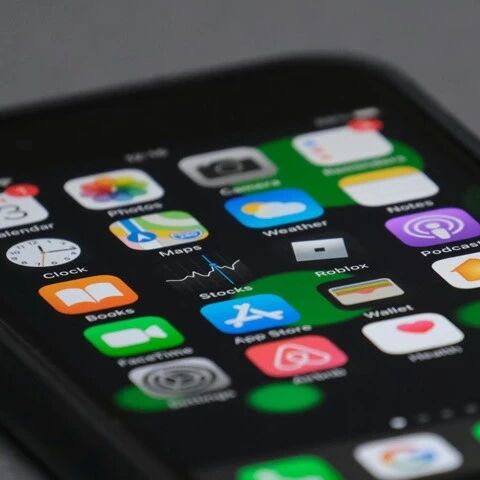
App 开始消失
投资界· 2026-03-03 07:35
Core Viewpoint - The article argues that the software era is ending, with AI applications like OpenClaw replacing traditional apps and services, leading to a shift towards a "create-to-consume" economy [3][7][10]. Group 1: Impact of OpenClaw - OpenClaw has significantly reduced the number of apps on users' devices by providing personalized services that replace traditional applications, such as fitness coaching and news aggregation [5][6]. - Users are increasingly relying on OpenClaw for various tasks, indicating a trend where traditional software is being replaced by AI-driven solutions [6][10]. Group 2: The "Create-to-Consume" Economy - The concept of "create-to-consume" suggests that users will directly interact with AI to generate personalized services instead of purchasing pre-existing products [8][10]. - This shift is driven by advancements in AI programming, which have transformed the role of AI from a tool for developers to a service provider for all users [9][10]. Group 3: Evolution of Software Consumption - The article posits that traditional apps will not disappear but will evolve into data interfaces and service nodes that support AI applications [10][11]. - The emergence of AI agents will change consumer habits from downloading apps to creating personalized services through AI interactions [11][16]. Group 4: Maker Economy and Community Innovation - The rise of the maker economy is highlighted, where individuals can create and share tools, leading to new revenue models based on usage rights rather than software sales [13][14]. - OpenClaw exemplifies this trend by fostering a community-driven innovation environment, similar to the early days of 3D printing [11][14]. Group 5: OpenClaw's Role in the AI Ecosystem - OpenClaw is positioned as a central hub in the AI ecosystem, connecting various agents and services, akin to an operating system in the PC era [16]. - The focus of OpenClaw is on service consumption rather than developer efficiency, aiming to meet the direct needs of users without requiring them to understand programming [15][16].

App开始消失,我们正在进入一个「不会用软件」的时代
36氪· 2026-03-02 10:17
Core Viewpoint - The article discusses how AI, particularly through tools like OpenClaw, is transforming the software landscape by replacing traditional applications with personalized AI assistants, leading to a shift from purchasing software to creating customized services through AI interactions [5][14][50]. Group 1: Impact of AI on Software Consumption - OpenClaw has led to a significant reduction in the number of apps on users' devices, as it can perform multiple functions traditionally handled by separate applications, such as fitness coaching and news aggregation [5][7][8]. - The emergence of AI tools like OpenClaw signifies a shift towards a "create instead of consume" model, where users interact with AI to generate personalized services rather than purchasing pre-existing software [14][28][50]. - The role of traditional apps is evolving; they are becoming data interfaces and service nodes rather than direct user interaction points, as users increasingly rely on AI agents to fulfill their needs [28][30][31]. Group 2: Evolution of AI Programming - The article highlights a significant transformation in AI programming, where the capabilities of models like Claude Opus 4.6 and GPT-5.3-Codex have shifted the narrative from AI as a tool for developers to AI as a self-sufficient entity that can accomplish tasks for users [15][19][21]. - This change allows ordinary users to access advanced functionalities without needing to understand programming, as AI tools handle the complexity behind the scenes [22][25][50]. Group 3: Maker Economy and Community Innovation - The rise of the Maker economy is emphasized, where individuals can create and share tools, leading to new economic models based on the sharing of AI-generated resources and templates [32][41]. - OpenClaw is positioned as a catalyst for this Maker economy, enabling users to generate tools and services that can be monetized, thus fostering a community-driven innovation ecosystem [33][36][41]. Group 4: OpenClaw as a Central Hub - OpenClaw is described as an "operating system" for the AI era, connecting various agents and services, and facilitating a new way of interacting with technology [52][53]. - The article draws parallels between the current landscape of AI tools and the early days of personal computing, suggesting that OpenClaw could redefine how users engage with technology in a more integrated and personalized manner [54][55].
美国人沉迷“中式养生”,喝热水、煮苹果、穿拖鞋
阿尔法工场研究院· 2026-03-01 23:12
Core Viewpoint - The rise of "Chinamaxxing" reflects a significant shift in American youth's perception of China, showcasing a modern, aesthetic, and confident image of Chinese culture rather than traditional stereotypes [4][5]. Group 1: Cultural Trends - Non-Chinese TikTok users are adopting Chinese lifestyle habits such as drinking hot water and eating congee, which are seen as part of a "comfortable lifestyle" that resonates due to its simplicity and accessibility [5]. - The trend is characterized by a blend of health experiences and aesthetic imitation, gaining encouragement from many overseas Chinese users [9][10]. - The popularity of this trend is partly attributed to the migration of TikTok users to Xiaohongshu (Little Red Book), especially after concerns about TikTok's potential ban in the U.S. [6]. Group 2: Soft Power and Global Influence - Experts note that the trend signifies an enhancement of China's soft power, drawing parallels to Japan's cultural influence in the early 2000s through anime and video games [7]. - The portrayal of modern Chinese cities and lifestyles by American influencers visiting China has contributed to a strong cognitive correction of how China is perceived in the U.S. [4]. Group 3: Community Reactions - Many overseas Chinese individuals express mixed feelings about the trend, with some feeling pride in the appreciation of their culture while also recalling past experiences of discrimination [10][13]. - The trend has sparked discussions about cultural appreciation versus appropriation, with users clarifying that enjoying a culture is different from appropriating it [10].

胡润报告:任泽平位列高净值人群最常关注财经博主前三
泽平宏观· 2026-03-01 05:04
Group 1 - The report by Hurun Research Institute reveals that 61% of high-net-worth individuals frequently use Xiaohongshu for information, which is 13 percentage points higher than Douyin [2] - Among high-net-worth individuals, 32% regularly watch WeChat Video Accounts, while 24% frequently use Bilibili. Other platforms like Eastmoney and Zhihu have engagement levels exceeding 20%, with Tonghuashun and Wind gaining 14% [2] - Over 70% of individuals aged 25 and under (U25) prefer Xiaohongshu and Douyin as their primary information sources, while those aged 36-40 (U40) and above 45 years old favor video accounts. Professional investment software like Eastmoney, Wind, and Tonghuashun are more popular among individuals aged 31-35 (U35) and U40 [2] Group 2 - The most commonly used AI assistants among high-net-worth individuals are DeepSeek and Doubao. For the U25 age group, ChatGPT is the most frequently used, while DeepSeek is preferred by U30, U35, U40, and U45 age groups. Individuals over 45 years old primarily use Doubao [3]

推荐几个好用的投诉平台,帮你快速维权
Xin Lang Cai Jing· 2026-02-26 07:29
Core Viewpoint - The article emphasizes the importance of utilizing various complaint platforms to effectively address consumer disputes in daily life, highlighting their unique advantages and suitable scenarios for use [1][8]. Group 1: National Complaint Platforms - The 12315 platform is described as the official complaint channel under the State Administration for Market Regulation, suitable for issues related to product quality, price fraud, and false advertising, with a processing time of 7 to 15 working days [2][10]. - The platform supports multiple access methods including mobile apps and mini-programs, making it a fundamental resource for consumers needing official intervention [2][10]. Group 2: Internet Complaint Platforms - Black Cat Complaint is highlighted as an efficient and transparent platform, allowing users to submit complaints in under 5 minutes and track progress in real-time [3][11]. - The platform features a "Red and Black List" for businesses, encouraging prompt responses from companies and providing consumers with insights into service quality [3][11]. Group 3: Industry-Specific Complaint Channels - The article notes that consumers can benefit from industry-specific complaint channels, which often yield better results compared to general platforms [5][13]. Group 4: Social Media as a Complaint Tool - Social media platforms like Weibo and Xiaohongshu are mentioned as effective tools for amplifying consumer voices, especially when official channels are slow to respond [6][14]. - It is advised to maintain a factual approach when using social media for complaints, and to also file formal complaints through established platforms to create dual pressure on companies [7][14]. Group 5: Summary of Recommendations - The article concludes that selecting the appropriate complaint channel is crucial for effective consumer advocacy, with options including 12315 for official enforcement, Black Cat for efficiency and transparency, industry-specific platforms for targeted issues, and social media for broader impact [8][16].
两岸圆桌派|馆长、波士顿圆脸:“落地大陆就会被公安逮捕?根本不会有人理你,好吗”
Guan Cha Zhe Wang· 2026-02-26 01:44
Core Viewpoint - The perception gap between Taiwan and mainland China is significant, with many Taiwanese still holding outdated stereotypes about the mainland, which are being challenged through increased personal interactions and social media exposure [1][2][4]. Group 1: Infrastructure and Economic Development - Taiwan's infrastructure and economic competitiveness have reportedly stagnated, while mainland China's infrastructure and commercial sectors, including e-commerce and logistics, are perceived to be a decade ahead [2][4][36]. - The rapid development in mainland China is highlighted by the observation that cities can change dramatically within a few years, contrasting with the slower pace of change in Taiwan [2][4]. Group 2: Social Media and Public Perception - Social media is playing a crucial role in reshaping perceptions, with a growing number of young Taiwanese sharing their positive experiences in mainland China, which is leading to a shift in public opinion [7][25]. - Despite political pressures, there is a notable increase in Taiwanese youth traveling to mainland China, with a reported 30% rise in tourism from Taiwan to the mainland, particularly among young adults [6][25]. Group 3: Personal Experiences and Testimonies - Personal testimonies from Taiwanese influencers, such as "馆长" Chen Zihan, reveal a transformative experience upon visiting mainland China, leading to a reevaluation of previously held beliefs [5][34]. - The emotional impact of witnessing the advancements in mainland China firsthand is emphasized, with many expressing a sense of envy and admiration for the progress made [4][34]. Group 4: Political and Media Environment - The political landscape in Taiwan is described as contentious, with media narratives often shaped by political affiliations, leading to a skewed perception of mainland China [12][16]. - There is a call for Taiwanese media and influencers to foster a more balanced narrative about mainland China, emphasizing the importance of direct experiences over politically charged rhetoric [11][12].