国际生物多样性日

Search documents
以“共生”观念推动生物多样性治理|生物多样性治理系列解读②
Zhong Guo Huan Jing Bao· 2025-08-13 00:14
Group 1 - The relationship between humans and nature is a fundamental aspect of human society, and the development of civilization has always revolved around this theme [1] - Industrial civilization has led to human-centered, materialistic, and utilitarian views, resulting in the exploitation of natural resources and ecological imbalance [1] - The ecological crisis has prompted a reevaluation of the relationship between humans and nature, leading to the emergence of Xi Jinping's ecological civilization thought as a guiding principle for harmonious coexistence [1][2] Group 2 - Xi Jinping's ecological civilization thought represents a theoretical innovation regarding the relationship between humans and nature, integrating traditional ecological wisdom and modern sustainable development experiences [2] - Key concepts include "harmonious coexistence between humans and nature," "green mountains and clear waters are invaluable assets," and "a good ecological environment is the most inclusive form of public welfare" [2] - The thought emphasizes the importance of respecting, conforming to, and protecting nature, advocating for a development model that integrates ecological protection with economic growth [1][2] Group 3 - The modern concept of "coexistence" encompasses four dimensions: relationality, action, ethics, and sociality, emphasizing the interconnectedness of individuals and their environments [4] - The goal of "coexistence" is to minimize tension between humans and nature while maximizing human interests through a relational principle rather than an individualistic approach [4] - Achieving a harmonious relationship between humans and nature requires a shift from anthropocentrism to a vision of a beautiful Earth where humans coexist with other life forms [4] Group 4 - The core of "coexistence" lies in managing the relationship between humans and nature, guided by Xi Jinping's ecological civilization thought, promoting coordinated development in carbon reduction, pollution control, and ecological restoration [5][6] - The development of a modern economic system that is resource-saving and environmentally friendly is essential, alongside significant ecological projects aimed at biodiversity protection and integrated ecosystem management [6] - Systematic governance thinking is necessary to balance protection and development, ensuring sustainable progress towards a beautiful China [6]
国际生物多样性日:“‘凌小蛰’康复日记”为何引发众多网友追更?
Xin Hua She· 2025-05-22 06:02
每次开播,"西宁野生动物园"的直播间总是不缺流量。与众不同的是,它的主角是一只雪豹,睡觉或进食、发呆或嬉戏,它的每一个动作都萌态 十足,与"雪山之王"的称号形成强烈反差。 "'凌小蛰'清澈的眼睛里仿佛藏着整个宇宙。"有网友这样评论。 "'凌小蛰'怎么样了?""'凌小蛰'最新消息""'凌小蛰'拍CT"……最近一段时间以来,"凌小蛰"时常登上社交媒体热搜榜,成为网友的"云养"雪豹。 "凌小蛰"在青海省玉树藏族自治州治多县索加乡被发现时,它身形瘦小,几乎丧失了运动能力。 "3月5日下午送过来的时候,它全身只有眼珠子能转、嘴巴能张,体温急剧下降。"青海野生动物救护繁育中心副主任齐新章说,如果当时没有连 夜送到西宁接受治疗,小家伙不一定能撑过第二天。 经过初步检查,这只雪豹幼崽仅6个月大,体长74厘米、体重9.7千克,远低于同龄正常水平。救护中心工作人员推测,它可能从高处跌落,受伤 后发生伤口感染,再加上长期进食困难,处于濒死状态。 紧接着,救护中心联合中国农业大学动物医学院专家团队,为这只雪豹幼崽制定了抢救与治疗方案,开展紧急救助。 经过紧张有序的治疗,这只小雪豹的身体有所好转。3月8日,"凌小蛰"第一次抬起了头,望 ...


我国生物多样性保护成效如何?这份“成绩单”亮了
Yang Shi Xin Wen· 2025-05-22 02:18
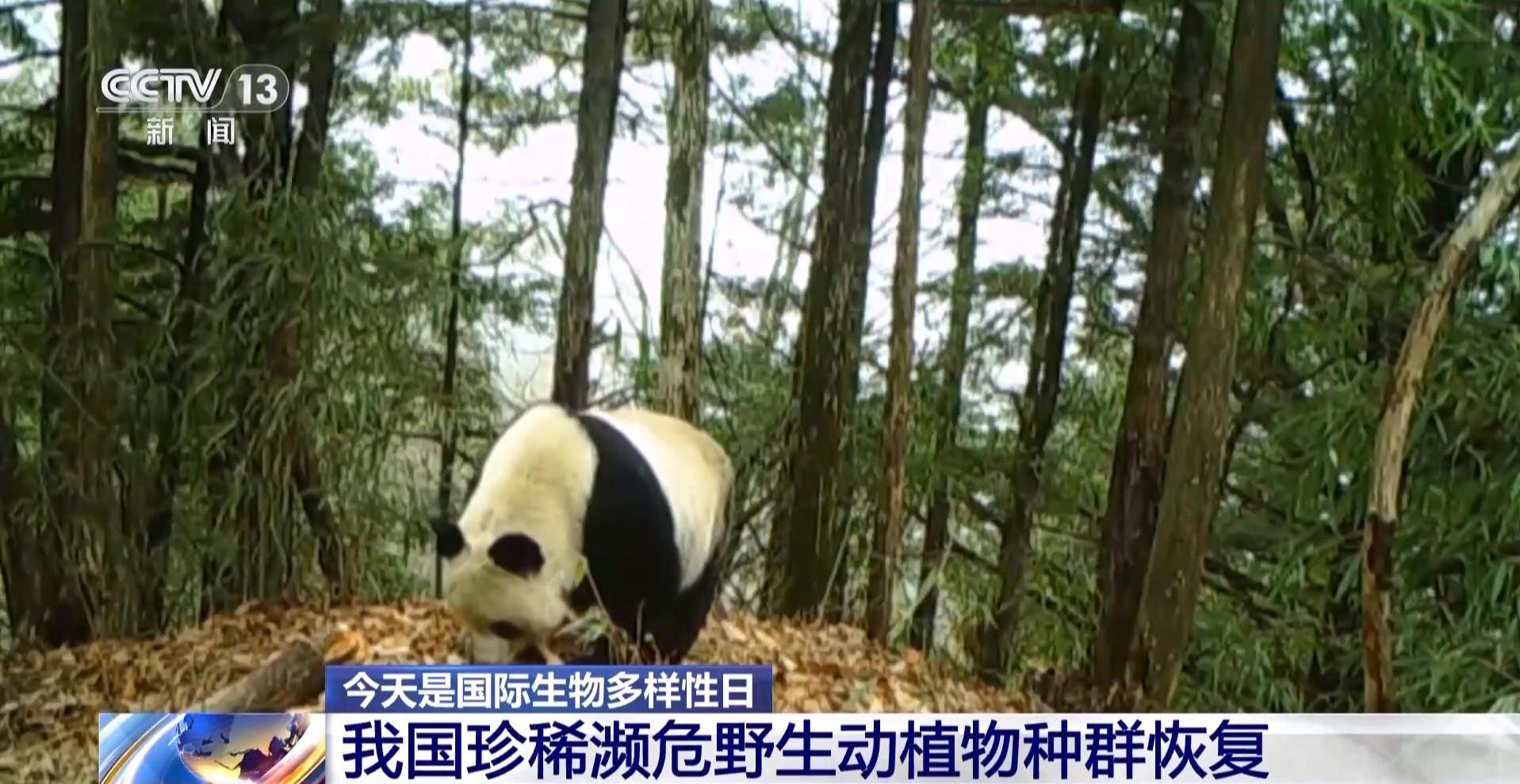
今天(5月22日)是国际生物多样性日,主题是"万物共生 和美永续"。 记者从国家林业和草原局获悉,我国珍稀濒危野生动植物种群数量稳步增长,栖息繁衍环境稳步改善,生物多样性保护成效显著。 200多种珍稀濒危野生动物 进入恢复性增长阶段 目前,全国200多种珍稀濒危野生动物进入恢复性增长阶段,100余种濒危野生植物得到抢救性保护。2024年全国水鸟同步监测最新结果显示,我国越冬水鸟 总数量达505.9万只,是迄今为止全国范围内监测数量的最高纪录。 · 三江源国家公园生物多样性持续丰富,藏羚羊数量从20世纪80年代初的不足2万只恢复到7万多只; · 地跨四川、陕西、甘肃三省的大熊猫国家公园打通了13个大熊猫种群生态廊道,有效保护了70%以上的野生大熊猫; · 东北虎豹国家公园初步建成天空地一体化全覆盖监测体系,野生东北虎超过70只,野生东北豹超过80只; · 在海南热带雨林国家公园,海南长臂猿种群数量恢复到7群42只; 武夷山国家公园发现武夷林蛙、武夷山卷柏等一批新物种。自设立以来,国家植物园新增收集活植物5000余号、2800种,其中国家重点保护植物110种、珍 稀濒危植物65种;华南国家植物园新增收集活植物85 ...
钟寰平:共筑“万物共生 和美永续”地球家园
Zhong Guo Huan Jing Bao· 2025-05-22 01:31
Group 1 - The core theme of International Biodiversity Day 2023 is "Coexistence of All Things and Sustainable Harmony," emphasizing the importance of harmonious coexistence between humans and nature [1] - China is one of the countries with the richest biodiversity, with diverse ecosystems and species due to its vast territory and complex climate [1] - Since the 18th National Congress of the Communist Party, China has prioritized biodiversity protection, making significant contributions to global biodiversity challenges and the construction of a community of life on Earth [1] Group 2 - The 20th National Congress of the Communist Party has made strategic deployments for coordinated efforts in carbon reduction, pollution reduction, and ecological diversity enhancement [2] - New goals, tasks, and measures for biodiversity protection have been outlined in the guidelines issued by the Central Committee and the State Council, providing an action plan for ecological civilization construction [2] - A national committee for biodiversity protection has been established to coordinate efforts, with a growing consensus on the sustainable use and protection of biodiversity among the government, enterprises, and the public [2] Group 3 - A strict legal framework has been established to protect biodiversity, integrating various laws into a comprehensive legal system [3] - Over 30% of land area has been designated as ecological protection red lines, with integrated protection and restoration projects implemented [3] - The natural protected area system, primarily based on national parks, effectively protects 90% of terrestrial ecosystem types and 74% of key protected wild species [3] Group 4 - China actively participates in global biodiversity governance, enhancing its influence and voice in sustainable development [4] - The country has led initiatives such as the "Kunming Declaration" and the "Kunming-Montreal Framework," marking significant progress in global biodiversity governance [4] - China integrates biodiversity protection into all aspects of economic and social development, promoting a vision of a vibrant and harmonious Earth for future generations [4]
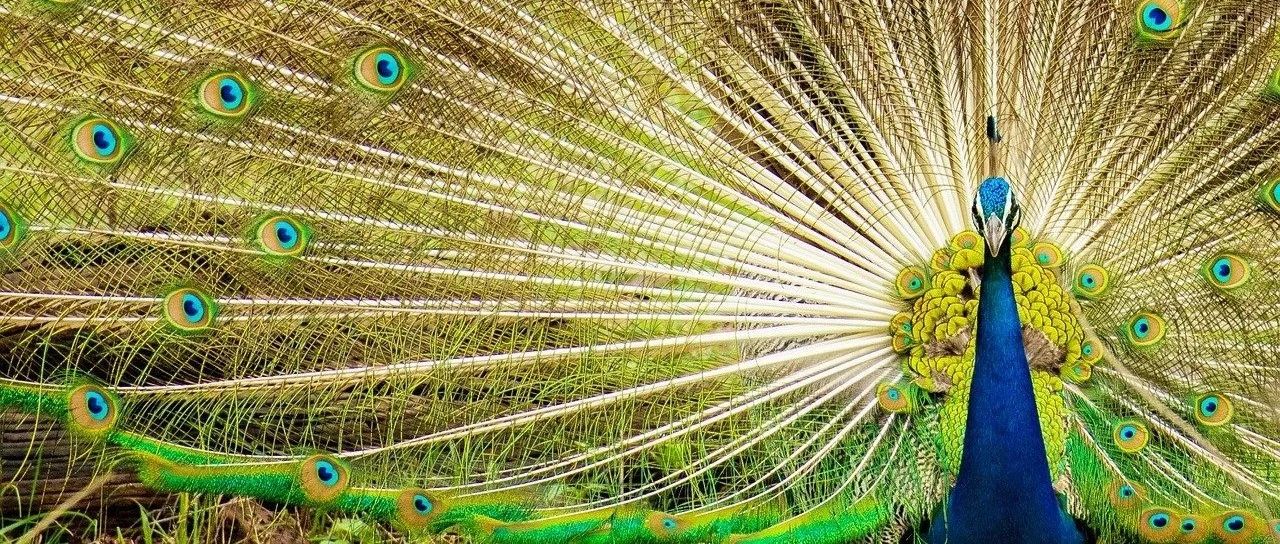
为什么生命如此多彩? | 红杉爱科学
红杉汇· 2025-05-21 15:21
Core Viewpoint - The article emphasizes the importance of biodiversity and the urgent need for its protection, highlighting the interconnectedness of human fate and the survival of diverse species on Earth [2][7]. Group 1: Evolution of Life's Colors - The early Earth was predominantly brown, gray, and green, but has evolved into a vibrant world filled with colors due to various evolutionary processes [2][5]. - The evolution of vision played a crucial role in this color explosion, with the development of trichromatic vision around 541 million years ago coinciding with the Cambrian explosion, allowing organisms to better navigate their environments [4][5]. Group 2: Color Revolution in Flora and Fauna - The first color revolution was led by plants, which evolved colorful fruits and flowers approximately 300 to 377 million years ago to attract animals for seed dispersal and pollination [5][6]. - Animal color evolution began around 140 million years ago, with bright colors serving as survival signals for mating, deterring predators, or establishing dominance [5][6]. Group 3: Genetic Diversity and Endangered Species - The loss of genetic diversity is accelerating globally, particularly among birds and mammals, due to habitat destruction, disease, and human activities [10][11]. - A study involving 57 scientists from 20 countries assessed genetic diversity changes in 622 species over 30 years, revealing alarming trends but also highlighting the potential for effective conservation strategies [10][11]. Group 4: Strategies for Conservation - Five key strategies to maintain or restore genetic diversity in endangered species include: 1. **Population Supplementation**: Introducing new individuals to existing populations has shown significant positive effects on genetic diversity, especially in birds [11]. 2. **Population Control**: Removing individuals can sometimes enhance population health by reducing resource competition [12]. 3. **Ecosystem Restoration**: Restoring habitats can help maintain and even increase genetic diversity over time [13]. 4. **Control of Invasive Species**: Managing invasive species can aid in the recovery of endangered populations by reducing competition [14]. 5. **Conservation Translocation**: Establishing populations in new areas or reintroducing them to former habitats can be effective if managed properly [15]. Group 5: Individual Actions for Biodiversity - Individuals can contribute to biodiversity conservation through simple actions such as creating diverse gardens, protecting traditional crop varieties, participating in community conservation efforts, and being responsible in nature [17][18].