美联储维持利率

Search documents
国泰海通|策略:关税格局逐步清晰
国泰海通证券研究· 2025-08-06 13:19
Group 1: Macro Strategy and Global Capital Investment - The article discusses the extension of the tariff exemption period for Sino-U.S. trade talks by 90 days, indicating a phase of stabilization in Sino-U.S. economic relations [3] - The U.S. has initiated a new differentiated tariff structure, with a unified 40% tax rate on transshipment trade, impacting countries like Vietnam, the UK, and Indonesia [3] Group 2: Domestic Economy and Industrial Policy - The Political Bureau meeting emphasized a "seeking progress while maintaining stability" approach, focusing on promoting consumption, addressing internal competition, upgrading industries, and preventing risks [4] - Key meetings held include discussions on market regulation development and industrial and information technology planning for 2025, highlighting the government's commitment to economic recovery and reform [4] Group 3: Capital Market - Positive signals from policy levels aim to consolidate the recovery of the capital market, with a focus on enhancing its attractiveness and inclusiveness [5] - The People's Bank of China is set to prevent and mitigate financial risks in key areas, establishing a macro-prudential and financial stability committee [5] Group 4: Global Geopolitical and Economic Tracking - The article notes various tariff increases announced by the U.S. on imports from India, Brazil, and copper products, reflecting ongoing trade tensions [6] - The U.S. Federal Reserve maintained the federal funds rate target range at 4.25% to 4.50%, with July non-farm payrolls showing an increase of 73,000, below market expectations [6] Group 5: Future Important Events Outlook - Upcoming events include the 2025 World Robot Expo in Beijing and the first comprehensive competition for humanoid robots, indicating a focus on technological advancements [7] - The implementation of cross-border asset management pilot business guidelines in Hainan Free Trade Port is set to take effect [7]


突然疯涨!澳元,彻底站起来了!
Sou Hu Cai Jing· 2025-05-08 21:45
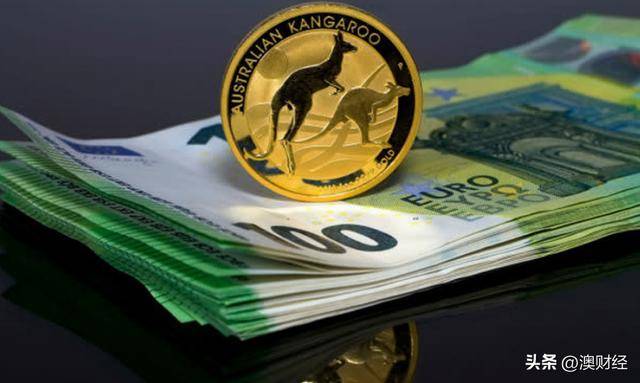
Group 1 - The Australian dollar (AUD) has surged to over 65 cents against the US dollar, marking a five-month high and the first time since early December last year [2] - The recent Australian election resulted in a significant victory for Albanese's Labor Party, securing 87 parliamentary seats and indicating strong public trust in the party [3][4] - The election outcome signals the end of political uncertainty in Australia, providing policy support for the AUD [5] Group 2 - Economic data supports the strength of the AUD, with the TD-MI inflation index rising 0.6% month-on-month in April, marking the second consecutive month of increase [7] - The annual inflation index increased to 3.3%, up from 2.8% previously [8] - The Judo Bank composite PMI for April stood at 51.0, indicating economic expansion for the seventh consecutive month [9] Group 3 - The ongoing trade tensions between the US and China have created market volatility, but recent indications of trade negotiations have improved market sentiment [11][14] - Any positive developments in US-China trade relations are likely to bolster the AUD due to Australia's close trade ties with China [17][22] - China's recent economic stimulus measures, including a 0.5 percentage point cut in the reserve requirement ratio, are expected to enhance demand for Australian exports, further supporting the AUD [19][20] Group 4 - The Federal Reserve's decision to maintain interest rates without changes reflects growing economic risks in the US, which may lead to a decline in the US dollar [23][26] - Concerns over the US economic outlook and potential political issues could trigger a sell-off of the US dollar, making the AUD more attractive to investors [28][30] - The strong Australian consumer inflation data has led to expectations of a potential interest rate cut by the Reserve Bank of Australia, but it also supports the AUD by reducing expectations for aggressive rate cuts [31][32] Group 5 - The political stability and economic recovery in Australia, combined with supportive external factors, suggest a positive outlook for the AUD [33][34] - The AUD is expected to continue its upward trajectory, driven by optimism regarding US-China trade relations and increased demand from China for Australian commodities [36][37]