二手奢侈品

Search documents
2025年二手时尚奢侈品市场消费者洞察2026
Meltwater· 2026-03-02 08:25
Investment Rating - The report indicates a strong growth potential for the second-hand luxury goods market, projecting it to reach $95.2 billion within the next decade [13]. Core Insights - The second-hand luxury fashion industry is reshaping consumer perceptions of luxury and purchasing power, driven by sustainability concerns and emotional investment in purchases [13][27]. - Social media engagement around second-hand luxury goods has surged, particularly during the holiday shopping season, with a year-on-year increase of approximately 200% in discussions [18]. - Sustainability is the primary purchasing motivation for consumers, with significant discussions around climate change and waste reduction [27][29]. Summary by Sections Methodology - The report utilizes insights and analyses from Meltwater, incorporating data from social and digital media sources from February 1, 2024, to January 31, 2025 [8]. Introduction - The second-hand luxury market is expected to grow significantly, with the report emphasizing the need for brands to adapt to changing consumer interests [13]. Key Purchase Drivers - Sustainability is the most discussed topic among consumers, influencing their decision to purchase second-hand luxury items [27]. - Emotional satisfaction and the desire for unique, high-quality items are also significant factors driving purchases [28][37]. Platforms, Products, and Brands to Watch - eBay dominates discussions in the second-hand luxury market, accounting for over 50% of mentions, particularly boosted by celebrity endorsements and strategic marketing campaigns [54][60]. - The RealReal, Depop, and Poshmark have seen increased engagement, especially in the context of luxury handbags [55][63]. Conclusion - The report highlights the importance of leveraging consumer insights to identify emerging preferences and market opportunities, emphasizing the role of sustainability in building brand loyalty [79][80].

为什么说“只卖不租”正在让你的高端门店损失利润?
Sou Hu Cai Jing· 2026-02-11 12:14
Group 1: Core Insights - The global circular economy market is projected to reach $4.5 trillion by 2025, driven by ESG principles and China's dual circulation strategy [1] - The second-hand luxury market in China has maintained a compound annual growth rate of over 30% in the past three years, with the rental segment growing at an impressive 45% [1] - The demographic shift shows that consumers under 30 years old now account for 52% of the rental market, up from 28% in 2019, indicating a change in perception towards ownership and usage [1] Group 2: Pain Points of Traditional Business Models - Traditional operators face structural challenges, including low inventory turnover rates averaging 4.7 months, leading to 30%-40% of total costs being tied up in capital [2] - Customer relationships often end post-transaction, with an average repurchase rate of only 23% and a 65% churn rate within three months [2] - Price wars dominate competition, with price differences of 15%-25% on mainstream e-commerce platforms, compressing profit margins [2] - The increasing professional requirements for authenticity verification and market pricing are not matched by adequate talent development, with over 60% of new entrants lacking systematic learning channels [2] Group 3: Composite Model as a Solution - The "sales + rental + service" composite business model is emerging as a strategic choice for leading companies, addressing traditional pain points through diversification [3] - Rental transforms static inventory into dynamic assets, improving cash flow and inventory turnover by 2-3 times, with potential for cost recovery within 12-18 months [3] - Rental customers, typically aged 25-35, exhibit strong purchasing intent, with 47% likely to buy within six months and 32% willing to recycle their own items [3] Group 4: Diversified Profit Structure - The composite model creates a three-tier profit structure comprising rental income, sales profit, and service fees, with successful stores seeing rental contributions of 35%-45% to total profits and an 8-12 percentage point increase in overall gross margins [4] Group 5: Systematic Professional Empowerment - Leading platforms are providing integrated solutions to address complex operational needs, exemplified by the "Hengxiang Ecosystem," which offers standardized rental entry, professional training, and final monetization pathways [6] Group 6: Key Dimensions for Partner Selection - Businesses should evaluate potential platform partners based on four key dimensions: quality and precision of traffic, risk control and assurance systems, professionalism of enabling tools, and completeness of the ecosystem [7] - Platforms that provide "precise traffic, intelligent tools, trust backing, and professional knowledge" are essential for successful digital transformation [7] Group 7: Trends as Competitive Blueprints - The rental business is not a replacement for sales but an enhancement of traditional operations, extending product lifecycles and deepening customer relationships [9] - Digital transformation and business model integration are essential trends, with early adopters gaining competitive advantages in profit margins and customer loyalty [10] - The shift from "sales" to "sales + rental + service" represents a significant opportunity for growth in the high-end consumer goods sector [10]


临近春节,长沙二奢店消费火爆
Sou Hu Cai Jing· 2026-01-27 23:10
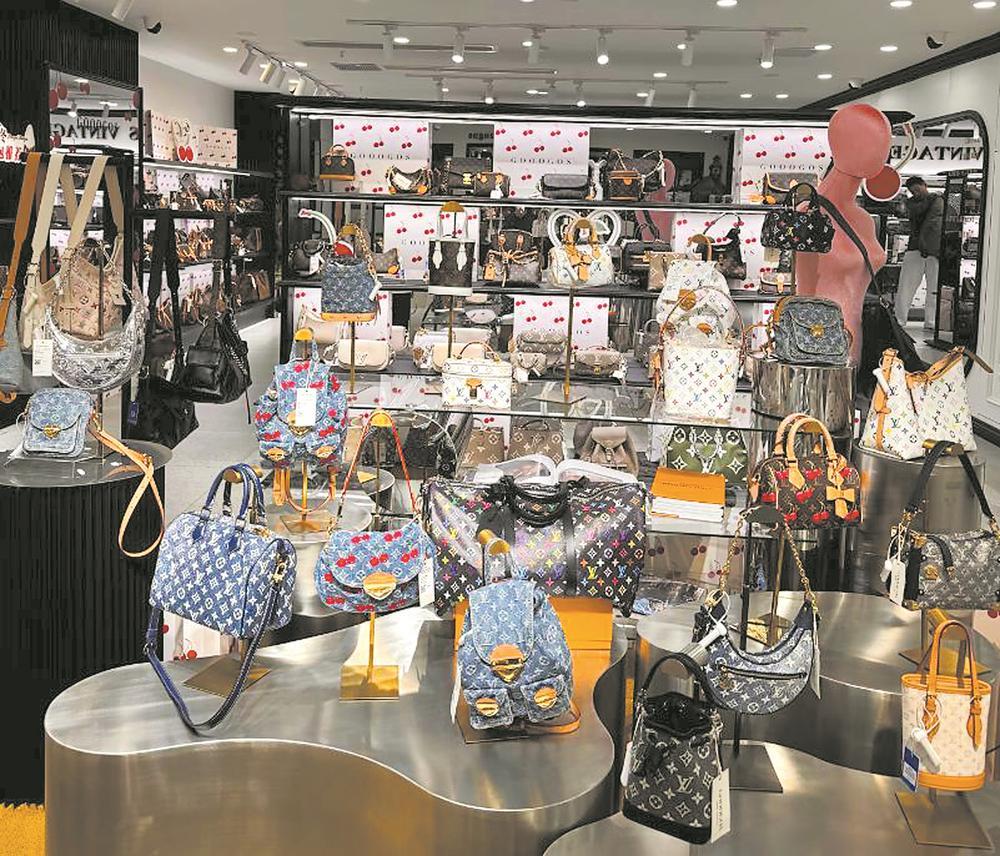
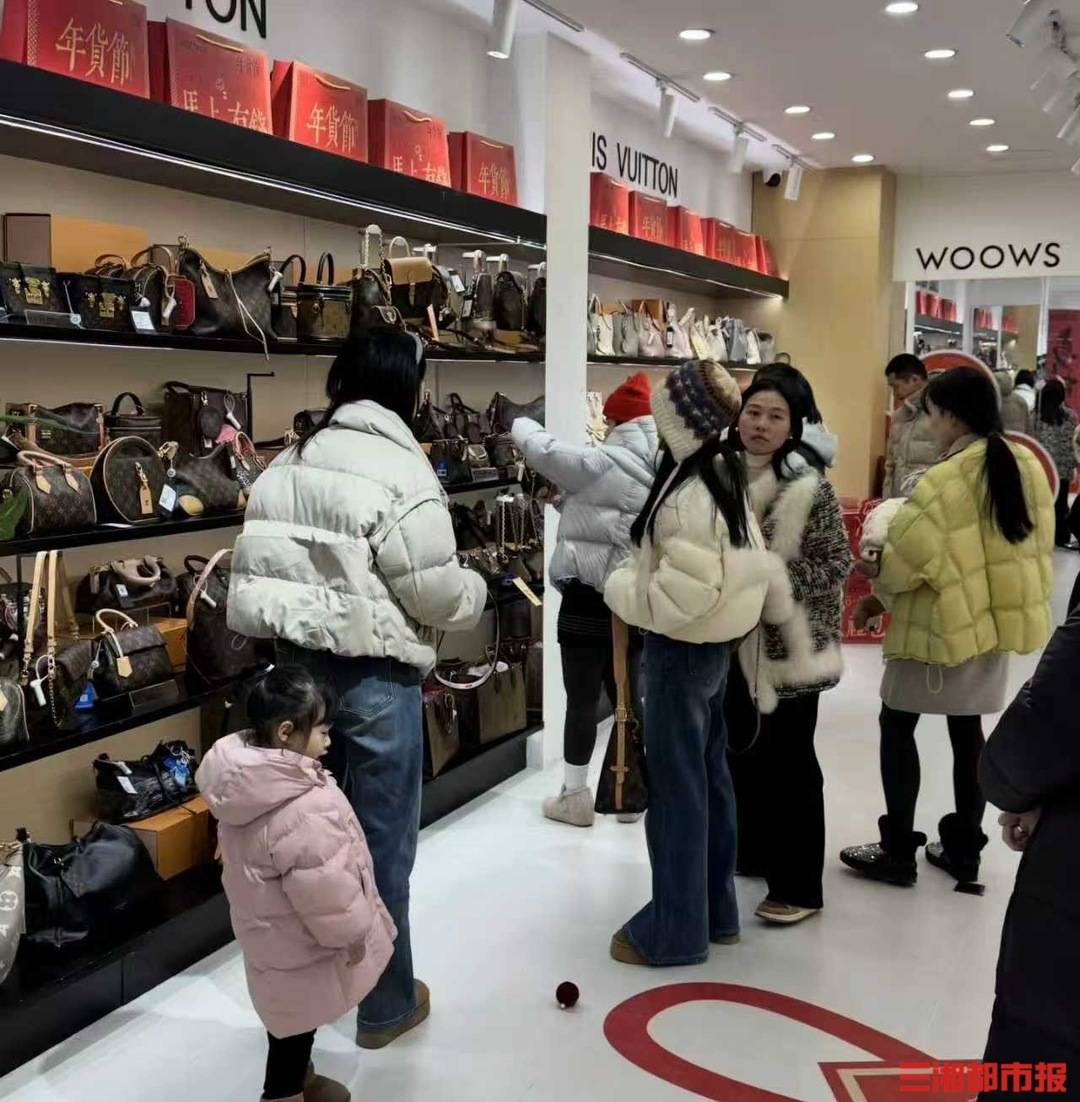
Core Viewpoint - The demand for second-hand luxury goods is surging ahead of the Chinese New Year, with many stores announcing price increases and showcasing new arrivals, indicating a strong consumer interest in these products [1][2]. Group 1: Market Demand and Consumer Behavior - Several second-hand luxury stores in Changsha are experiencing increased foot traffic, with some reporting around 50 customers in a morning, significantly higher than typical weekdays [2]. - The holiday season has led to a notable increase in sales, with customers often purchasing multiple items at once, contrasting with the usual single-item purchases [2]. - The scarcity of new luxury items at official retail stores is driving consumers towards the second-hand market, where they can find popular items immediately [3][5]. Group 2: Pricing Dynamics - Despite price increases in the second-hand market, items are still priced 15%-20% lower than their retail counterparts, making them attractive alternatives for consumers looking for immediate availability [5]. - Some second-hand items have reached prices higher than their original retail prices, raising concerns about the value proposition of these products [6]. - Price fluctuations in the second-hand market can vary significantly, influenced by factors such as new product releases and supply-demand dynamics, with potential changes of 30%-50% [8]. Group 3: Consumer Insights - Consumers are increasingly viewing second-hand luxury items as a form of investment, with some referring to them as "wearable financial products" due to their potential to retain value [3]. - The high demand for second-hand luxury goods is partly driven by the inability to purchase new items at retail stores, which often have a stockout rate of over 40% for popular brands [3]. - There is a growing concern among consumers regarding the sustainability of the price increases in the second-hand market, which could diminish the perceived value of these purchases [6][8].
春节临近 长沙二手奢侈品走俏
Xin Lang Cai Jing· 2026-01-27 20:00
Core Insights - The demand for second-hand luxury goods is significantly increasing ahead of the Spring Festival, with many stores reporting a surge in customer traffic and sales [1][2] - The second-hand luxury market is benefiting from a combination of high-end appeal and price advantages, making it a preferred choice for consumers during the festive season [2] - Despite rising prices in the second-hand market, these items still remain 15%-20% cheaper than retail prices, attracting consumers who are unable to find desired items in stores due to stock shortages [2] Group 1: Market Trends - Several second-hand luxury stores in Changsha are experiencing a notable increase in customer visits, with some reporting up to 50 customers in a morning, compared to only a few on regular weekdays [1] - The inventory turnover rate in these stores has increased threefold during the festive season, indicating a strong demand for popular items [1] Group 2: Consumer Behavior - Consumers are willing to accept price increases in the second-hand market to ensure timely access to luxury items for the holiday season [2] - The shortage of new luxury items in retail stores, with a consistent out-of-stock rate of over 40% for brands like Chanel and Hermes, is driving consumers towards the second-hand market [2] Group 3: Price Dynamics - Some second-hand luxury items are now priced higher than their original retail prices, raising concerns about the value proposition of these products [3] - Price fluctuations in the second-hand market can range from 30% to 50%, influenced by factors such as new product releases and market supply and demand [3]
武汉新增一家大型商店,现场火爆!
Xin Lang Cai Jing· 2026-01-18 22:33
Group 1 - WS International Luxury Second-hand Store opened in Qingshan District, covering approximately 3,000 square meters with over 1,000 high-quality second-hand items from popular brands [4] - Hanyang District launched a car promotion event from January 18 to February 14, offering up to 5,000 yuan in subsidies for purchasing vehicles, which can be combined with national and local subsidies [5] - The establishment of the Guanggu Business School aims to cultivate 500 technology entrepreneurs and startups over the next three years, with a goal of helping at least 50 companies achieve annual revenues exceeding 100 million yuan [12] Group 2 - The "Spring Breeze Action" job fair was held, featuring 80 quality companies offering over 4,000 job positions, aimed at stabilizing employment and promoting development [20] - Wuhan's financial authorities introduced measures to support urban renewal projects, targeting at least 100 projects with a financing support goal of no less than 1,000 billion yuan [21] - The city is experiencing a surge in plum blossom viewing, with nearly 100,000 plum trees blooming across parks and streets, attracting public interest [22]
武汉传统百货加速调改,零售市场空置率下降
第一财经· 2026-01-18 15:18
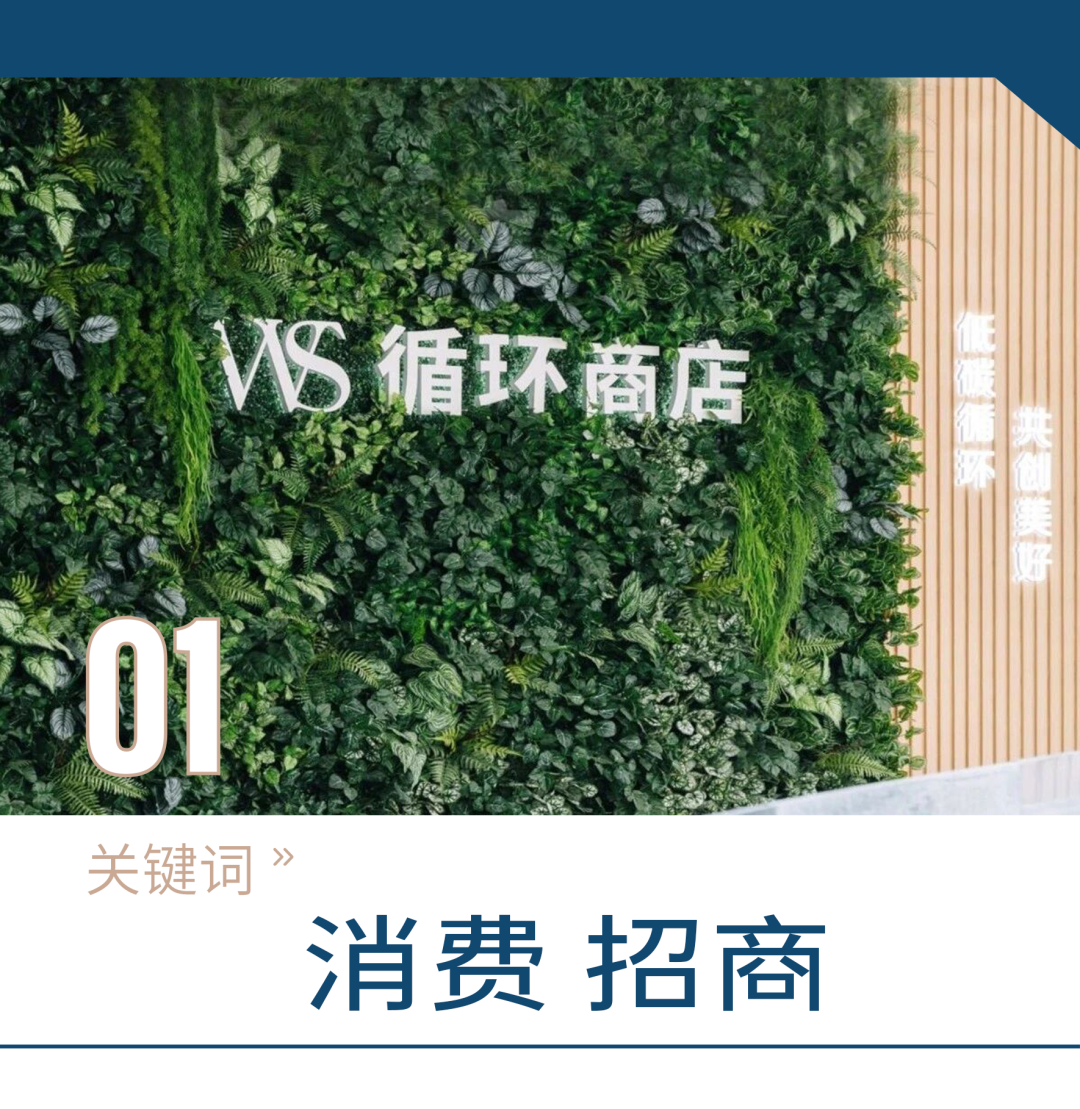
Core Viewpoint - The article discusses the transformation of retail spaces in Wuhan, particularly focusing on the opening of a second-hand luxury goods store, which marks a significant shift in the retail landscape towards niche markets and enhanced consumer experiences [3][4]. Group 1: Retail Transformation in Wuhan - Wuhan's retail sector is undergoing significant upgrades, moving away from a "large and comprehensive" model to a focus on niche customer segments, enhanced experiences, and digitalization, resulting in a decrease in vacancy rates to 13.9% [3][8]. - The WS International Luxury Goods Recycling Store, covering nearly 3,000 square meters, offers a range of luxury brands and services, including rapid authentication and one-stop recycling and maintenance [5][6]. - The second-hand luxury goods market in China is projected to reach 38.4 billion yuan, with a year-on-year growth of 48%, significantly outpacing the global growth rate of approximately 5% [6][8]. Group 2: Competitive Strategies and Market Dynamics - To address market competition, the Wuhan Commercial Group has made substantial adjustments, including the closure of several mid-to-high-end brands and the introduction of luxury and mid-range brands, alongside new dining options [7][9]. - The retail market in Wuhan saw a net absorption of 373,000 square meters last year, a 33.3% increase year-on-year, indicating active engagement from operators in leasing and repositioning efforts [9]. - The restaurant sector remains a key driver of new store openings, accounting for 41% of new establishments in core retail areas, reflecting changing consumer preferences towards diverse dining experiences [9].

武汉传统百货加速调改,零售市场空置率下降
Di Yi Cai Jing Zi Xun· 2026-01-18 10:32
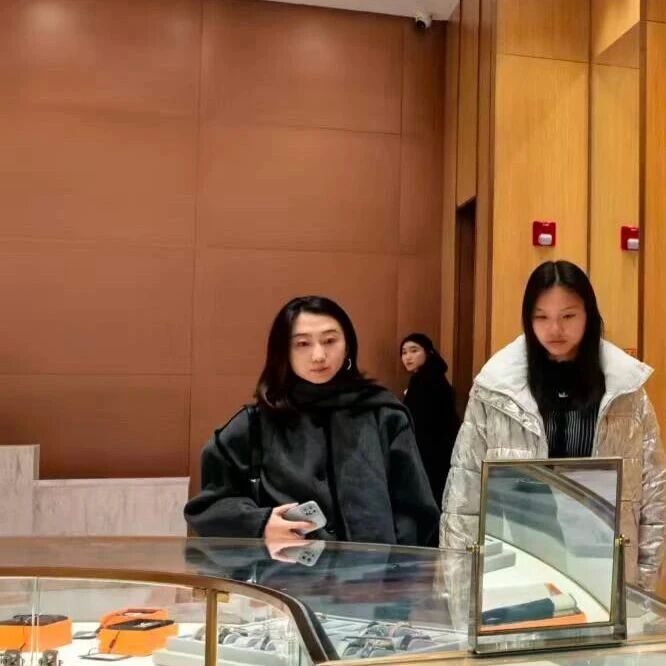
Core Insights - The opening of the largest second-hand luxury goods store in Central China at Wushang MALL marks a significant shift in retail strategy, focusing on differentiated experiences and digitalization to cater to younger consumers [1][4] - The second-hand luxury goods market in China is rapidly growing, with an estimated market size of 38.4 billion yuan in the previous year, reflecting a 48% year-on-year increase, significantly outpacing global growth rates [4][6] Group 1: Retail Strategy and Market Trends - Wushang MALL has undergone multiple transformations, including the introduction of an outlet shopping center and a shift towards a multi-retail and cultural social model to adapt to competitive pressures [4][5] - The retail landscape in Wuhan is evolving, with a focus on niche markets and enhanced consumer experiences, leading to a decrease in vacancy rates to 13.9% [1][7] - The second-hand luxury store features a 3,000 square meter space, offering a range of high-end brands and services, including rapid authentication and one-stop care, which enhances customer convenience [2][4] Group 2: Competitive Landscape and Innovations - Other retailers in Wuhan are also adapting, with significant renovations and the introduction of new concepts, such as a large-scale trendy toy market and a two-dimensional themed mall, to attract younger consumers [6][7] - The overall retail market in Wuhan saw a net absorption of 373,000 square meters, indicating a positive trend in market operations and a proactive approach to filling vacancies [7] - The food and beverage sector remains a key driver of new store openings, accounting for 41% of new establishments, reflecting changing consumer preferences towards diverse dining experiences [7]
武商集团进军二手奢侈品市场,打造绿色循环经济新生态
Jing Ji Guan Cha Wang· 2026-01-18 06:50
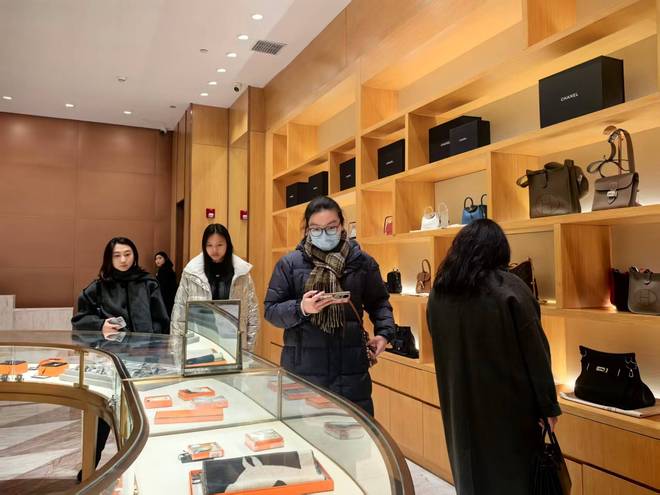
Group 1 - The core viewpoint of the article is that Wushang Group has officially entered the second-hand luxury goods market through its upgraded Wushang MALL·Zhongyuan project, positioning itself as a pioneer in this sector in China [2] - The Wushang MALL·Zhongyuan project features various business formats, including international brand circulation, green smart spaces, and boutique outlet selections, with a focus on sustainability and luxury [2] - The WS International Brand Circulation Store is noted as the first state-owned enterprise to operate in the second-hand luxury market, highlighting the significance of this initiative [2] Group 2 - The second-hand luxury goods market is identified as a new blue ocean for retail in China, with Wuhan being one of the pilot cities for second-hand goods circulation [2] - The Wushang MALL·Zhongyuan store spans nearly 3,000 square meters and aims to attract high-end customers with a "30-minute rapid appraisal + one-stop recycling and maintenance" service [2] - The store offers multiple functions, including sales, appraisal, maintenance, and live streaming, and specializes in luxury items such as bags, watches, and jewelry from brands like Hermès, Chanel, and Louis Vuitton [2]
武商集团首度布局二手奢侈品市场
Sou Hu Cai Jing· 2026-01-18 06:37
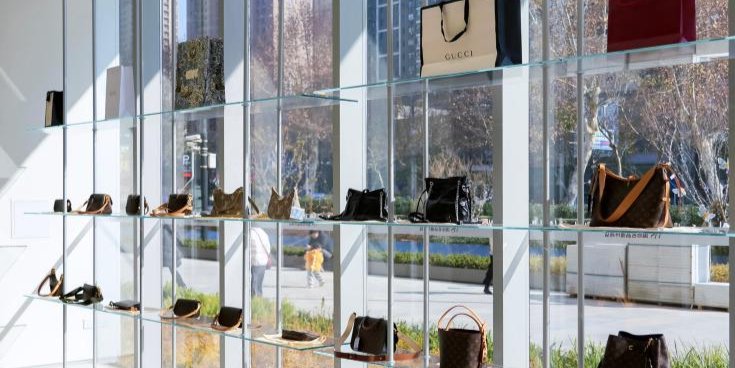
Company Dynamics - Wushang Group, known as "China's first commercial stock," has officially entered the second-hand luxury goods market through its upgraded Wushang MALL·Zhongyuan project [2] - The Wushang MALL·Zhongyuan project features various business formats, including international brand circulation, green smart spaces, and boutique outlet selections, with the WS International Brand Circulation Store being a pioneering initiative in the state-owned enterprise sector for second-hand luxury [3] Industry Background - The second-hand luxury goods market is identified as a new blue ocean for retail in China, with Wuhan being one of the pilot cities for second-hand goods circulation [3] - The Wushang MALL·Zhongyuan project operates under the concept of "green circulation, luxury rebirth," featuring a nearly 3,000 square meter WS International Brand Circulation Store that aims to reach high-end customers with "30-minute rapid authentication + one-stop recycling and maintenance" services [3] - The store includes multiple functions such as sales, authentication, maintenance, and live streaming, focusing on high-end brands like Hermès, Chanel, and Louis Vuitton, and features a professional authentication center, maintenance center, and VIP private space, creating a comprehensive ecosystem from recycling to service [3] - Wushang Group plans to leverage its international brand ecosystem to explore new self-operated avenues in brand circulation [3]
官方开卖中古表 成都二手奢侈品市场迎理性变局
Xin Lang Cai Jing· 2026-01-12 18:00
Core Insights - The launch of Rolex's "Certified Pre-Owned" program in mainland China marks a significant event for the second-hand luxury goods market, indicating a shift towards a more rational consumption approach in cities like Chengdu [3][4] - The Chengdu second-hand luxury market is experiencing a transformation characterized by increased consultation but slower transaction rates, with consumers becoming more cautious and price-sensitive [4][5] Market Trends - There has been a notable increase in inquiries about second-hand luxury items, while the transaction rate has decreased, with consumers taking longer to make purchasing decisions [4] - The structure of transactions is changing, with bags being the most sold items, followed by watches, while jewelry sales have declined [4] - Brand preference is shifting towards items with strong value retention, with brands like Rolex, Hermès, and Chanel being favored, while others like LV and Gucci are seeing reduced price premiums [4][5] Pricing Dynamics - The pricing structure in the second-hand luxury market is undergoing a significant transformation, with only a few popular and rare items maintaining their premium pricing, while non-mainstream items require more flexible pricing strategies [5] - The increase in the number of second-hand trading platforms has enhanced price transparency, shifting the market from a seller's to a buyer's market, thus altering pricing power dynamics [5] Consumer Behavior - Young consumers are becoming the main force in the Chengdu second-hand luxury market, with a shift in their purchasing mindset towards valuing brand retention and resale potential over mere price advantages [6] - The focus on quality and brand reputation is becoming more pronounced among consumers, reflecting a more mature approach to luxury purchases [6] Industry Developments - The involvement of brands like Rolex in the second-hand market is expected to raise industry standards, emphasizing the importance of clear provenance and after-sales support [7] - The trend towards professionalization in the industry may challenge smaller businesses lacking in expertise and support systems [7] - Chengdu's government is planning to develop key categories in the second-hand market, including 3C digital products and luxury goods, to foster new consumption growth points [8]