供热

Search documents
数智备“战”迎寒潮 济南热力数智调控守护泉城温暖
Xin Lang Cai Jing· 2026-01-17 04:24
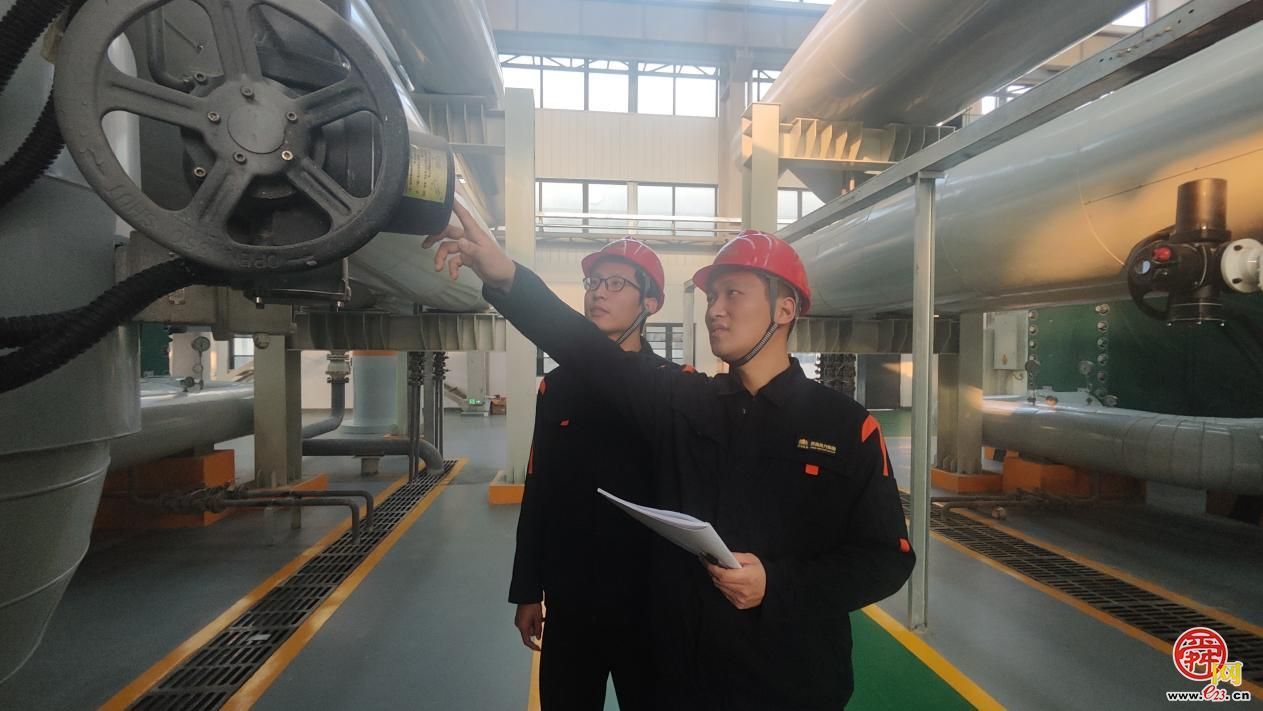
Core Viewpoint - The Jinan Energy Group is fully prepared to ensure stable heating for residents during the upcoming cold wave, leveraging advanced digital systems and external heat sources to maintain comfort levels despite extreme weather conditions [1][3][4]. Group 1: Cold Wave Preparedness - Jinan's meteorological authority has issued a blue alert for a cold wave, predicting temperatures to drop significantly from January 16 to 22, with lows reaching -12°C between January 19 and 21 [1]. - The "Liao Heat into Jinan" project has been launched, utilizing dual lines to supply heat from external power plants, enhancing the city's heating capacity during the cold wave [3]. Group 2: Smart Heating Management - The Jinan Energy Group has established a comprehensive heating management system, monitoring over 3,400 heat exchange stations and 9,400 kilometers of heating pipelines in real-time to ensure efficient operation [4]. - The company has implemented a 24-hour monitoring and emergency response system, with increased inspection frequency of pipelines and heat exchange stations to preemptively address potential issues [4]. Group 3: Enhanced Customer Service - Nearly 1,000 heating managers are on standby, utilizing digital tools for efficient service delivery, including a dedicated map for residents to easily contact their service representatives [6]. - A 24-hour customer service hotline is operational, with a priority system for elderly users to ensure quick assistance, alongside proactive outreach to vulnerable groups [6].

长青集团:下一阶段重点拓展供热配套与生物质材料化综合利用
2 1 Shi Ji Jing Ji Bao Dao· 2026-01-16 09:11
Core Viewpoint - Changqing Group plans to increase investment in pipeline networks and heating equipment to enhance heating revenue, while also focusing on attracting new users in collaboration with local governments [1] Group 1: Investment Strategy - The company will increase investments in projects with high heating demand by enhancing pipeline networks and heating equipment [1] - There is a focus on strengthening investment attraction efforts to assist local governments in bringing in new users [1] Group 2: Biomass Utilization - The company aims to promote the comprehensive utilization of biomass materials and explore suitable industrial development directions [1]

山东加快实施多个跨区域供热工程
Da Zhong Ri Bao· 2026-01-16 01:02
Core Viewpoint - The "Liao Heat into Jinan" project has successfully operated for over two months, providing a clean heating source for Jinan and addressing the city's growing heating demand amid environmental constraints [2][4]. Group 1: Project Overview - The "Liao Heat into Jinan" project utilizes industrial waste heat from the Chao Ping Xinyuan Power Plant, supplying heating to 30 million square meters of users in eastern Jinan [2]. - The project has stabilized operations, providing clean heating for over 60 million square meters in Jinan, making it the largest city in Shandong to replace coal-fired boilers with clean energy [2][4]. Group 2: Environmental Impact - The project has led to the shutdown of six small coal-fired power units and 54 coal heating boilers in Jinan, resulting in a reduction of approximately 1.3 million tons of standard coal consumption and a decrease of about 3.564 million tons of carbon dioxide emissions annually [4]. - The shift to large-scale thermal power heating is more environmentally friendly and energy-efficient compared to small coal-fired boilers, helping to alleviate seasonal natural gas supply and demand conflicts [3]. Group 3: Future Developments - Shandong is accelerating the implementation of several cross-regional heating projects, including "Zou Heat into Qu" and "Bin Heat into Zi," aiming to phase out coal-fired boilers in major urban areas by the end of 2026 [4]. - The project represents a shift from isolated heating solutions to regional collaborative development, promoting the integration and utilization of heating resources across the province [4].
山高环能股价跌5.09%,国投瑞银基金旗下1只基金重仓,持有115.25万股浮亏损失51.86万元
Xin Lang Cai Jing· 2026-01-15 05:54
Group 1 - The core point of the news is that Shandong Huanneng experienced a decline of 5.09% in its stock price, reaching 8.39 CNY per share, with a trading volume of 1.31 billion CNY and a turnover rate of 3.32%, resulting in a total market capitalization of 39.12 billion CNY [1] - Shandong Huanneng Group Co., Ltd. is located in Jinan, Shandong Province, and was established on March 21, 1988, with its listing date on March 3, 1998. The company specializes in the harmless treatment and high-value utilization of urban organic waste, as well as urban clean heating and contract energy management [1] - The main business revenue composition includes: 51.67% from oil products processing and sales, 24.29% from heating services, 23.76% from environmental harmless treatment, and 0.28% from other sources [1] Group 2 - From the perspective of major fund holdings, one fund under Guotou Ruijin holds a significant position in Shandong Huanneng. The Guotou Ruijin Ruisheng Mixed (LOF) A fund (161232) held 1.1525 million shares in the third quarter, accounting for 2.34% of the fund's net value, ranking as the ninth largest holding [2] - The Guotou Ruijin Ruisheng Mixed (LOF) A fund was established on May 25, 2016, with a latest scale of 339 million CNY. Year-to-date returns are 5.12%, ranking 3209 out of 8840 in its category; the one-year return is 19.82%, ranking 5371 out of 8094; and the return since inception is 60.96% [2]

科技加持为供暖保障装上“智慧大脑” 精细化服务确保气温下降室温不降
Yang Shi Wang· 2026-01-15 04:14
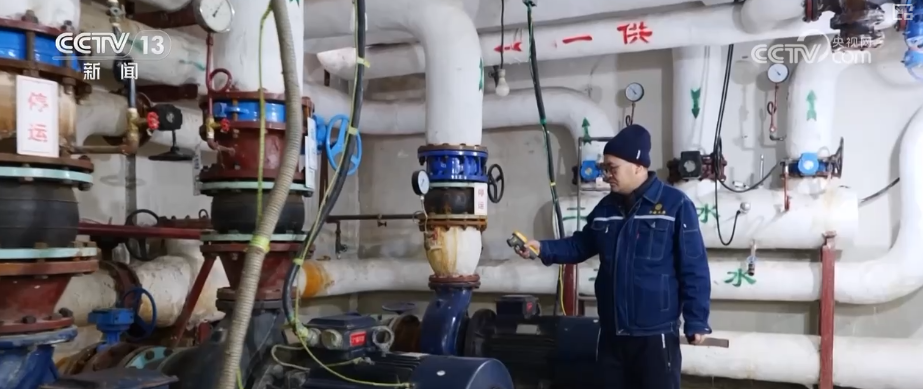
Group 1 - The cold wave in Urumqi, Xinjiang, is expected to cause a temperature drop of 8 to 10°C from January 16 to 18, with some areas experiencing minimum temperatures as low as -28°C [1] - Heating companies are enhancing heat source guarantees and increasing inspection frequency to ensure stable heating during the cold wave [1] - The heating temperature is currently at 44°C, with expectations to increase to 48°C or 49°C in response to the temperature drop [1] Group 2 - The deputy chief engineer of a heating company stated that measures such as increasing temperature and flow have been implemented to ensure that every household maintains a temperature above 20°C [3] - A 24-hour hotline has been established for residents to report heating issues, ensuring prompt on-site assistance [3] Group 3 - Technological advancements are being utilized for heating assurance, with real-time monitoring of heating network pressure, water temperature, and flow through intelligent systems [4] - The use of smart systems allows for precise adjustments to heating parameters, contributing to stable and efficient heating operations [4]
寒冬里的温暖穿越
Xin Lang Cai Jing· 2026-01-14 22:45
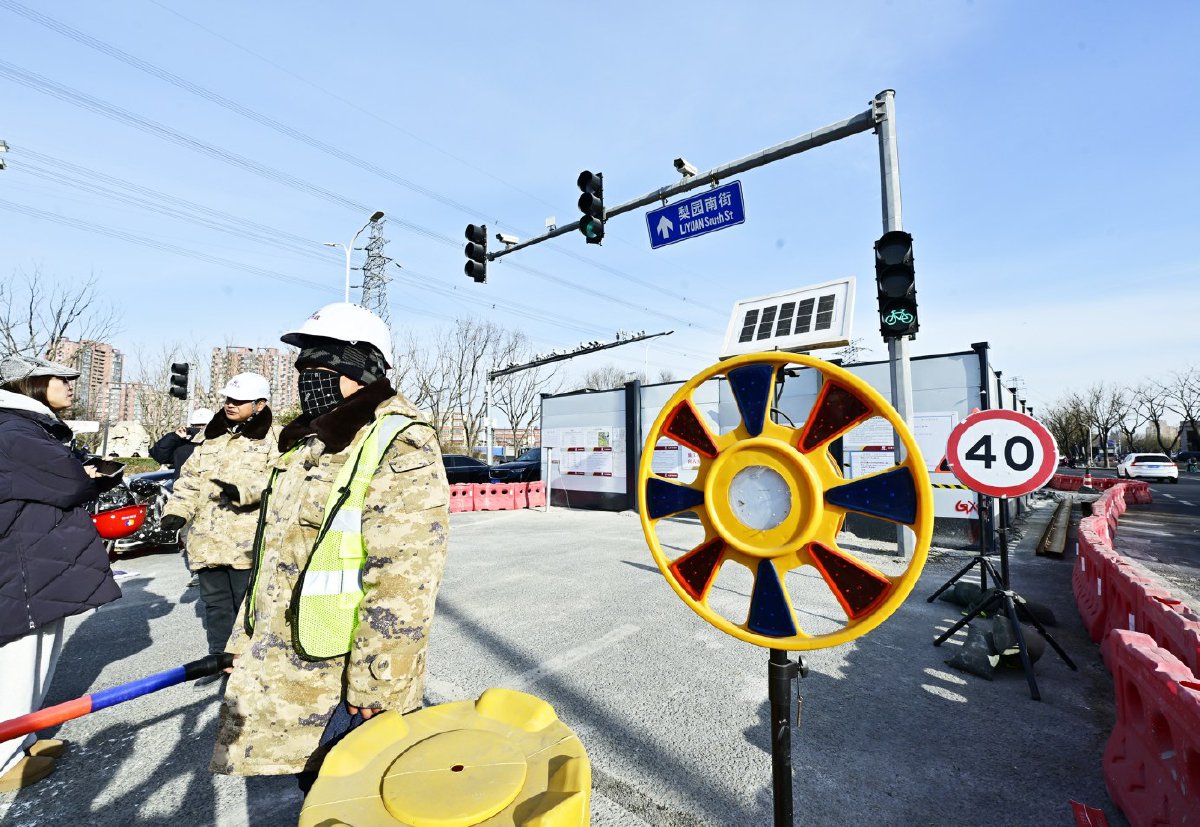
Core Insights - The DN800 heating pipeline project in the Liyuan area is crucial for providing centralized heating to residential areas, kindergartens, and commercial facilities, covering 330,000 square meters and serving over 2,000 households during winter [3][5][6] - The project faces significant challenges, including high groundwater levels and complex soil conditions, particularly at the critical construction point where it crosses the subway line [4][6] - The project is expected to be completed by August 2026, marking a significant milestone in establishing a centralized heating network in the southern part of the sub-center [6] Company Overview - Beijing Thermal (Jingre Development) Tongzhou Branch, part of Jingneng Group, has taken over the heating supply project after the original supplier failed to fulfill its obligations due to unforeseen circumstances [5] - The company is committed to overcoming multiple challenges, including a 3.2-kilometer long pipeline installation and navigating through municipal roads [5][6] Industry Context - The construction of the heating pipeline is part of a broader initiative to enhance urban infrastructure and ensure reliable heating services for residents, especially in new residential developments [5][6] - The project has undergone significant adjustments due to conflicts with existing subway structures, necessitating a redesign that reduced the available construction space from 15 meters to less than 6 meters [6]
收官“十四五”|中国大唐:担当为基 保供为魂
Huan Qiu Wang· 2026-01-14 15:09
Core Viewpoint - China Datang has taken on the political responsibility of energy supply security, achieving significant advancements in power generation capacity and supply during the "14th Five-Year Plan" period, contributing to national energy strategy and enhancing public welfare [1][2]. Group 1: Power Generation and Supply - The installed power generation capacity of China Datang has reached 220 million kilowatts, with a cumulative power generation of 30.4 trillion kilowatt-hours, accounting for approximately 7% of national electricity supply [1]. - The company has established a reliable and green energy supply system for Beijing, supplying over 50% of the capital's electricity and more than 13% of its natural gas [2]. - The renewable energy generation capacity has increased by over 50% year-on-year, with new energy installations reaching 5.49 million kilowatts, a 170% increase compared to the same period in 2023 [2]. Group 2: Heating Supply - China Datang operates 58 heating plants and 11 heating enterprises, providing heating for over 9.6 billion square meters, with a total heating volume of 16.48 billion gigajoules [3]. - The company has implemented innovative heating solutions, transitioning from traditional methods to low-carbon and smart heating systems, achieving a 5.98% year-on-year increase in total heating volume [4]. Group 3: Safety and Reliability - The company has conducted 59 major inspections and completed maintenance on 334 units, addressing 355 significant defects to ensure stable and economic operation [5][6]. - The non-stop operation count has decreased by 105 times, a reduction of 68.62%, while the equivalent availability factor of units has improved from 93.12% to 93.48% [6]. Group 4: Fuel Supply and Management - China Datang has maintained coal inventory levels between 16 to 17 million tons during peak seasons, with a winter inventory of 17.19 million tons, ensuring a supply duration of 31.7 days [8]. - The company has significantly increased its coal production from 11.2 million tons to 40 million tons during the "14th Five-Year Plan" period, enhancing self-sufficiency in coal supply [9].
惠天热电多渠道拓宽融资渠道 控股子公司拟通过售后回租融资3亿元
Zheng Quan Ri Bao Wang· 2026-01-14 12:45
Core Viewpoint - Huaitian Thermal Power is seeking additional financing avenues to meet its operational needs, specifically through a sale-leaseback arrangement with China Resources Leasing for 300 million yuan over three years [1][2]. Group 1: Financing Details - The financing involves leasing certain heating equipment and facilities from the subsidiary Shenyang Second Heating Supply Co., which will continue to use these assets during the lease period [1][3]. - The lease rate is set at 3.85%, with adjustments made annually, and the total amount of financing is 300 million yuan, while the assessed value of the leased assets is 351 million yuan [3]. Group 2: Company Performance - Huaitian Thermal Power has faced operational challenges, reporting a net profit loss for nine consecutive years since 2016, with a net loss of 317 million yuan in the first three quarters of 2025 [2]. - The company's net assets have turned negative, reaching -129 million yuan, and its debt-to-asset ratio has risen to 103.87%, indicating significant financial pressure [2]. Group 3: Market Position - As a major heating enterprise in Shenyang, Huaitian Thermal Power serves over one million users and has a heating area of 91.7 million square meters, maintaining a dominant market position despite financial difficulties [1].

关于进一步提升青海省城镇供热行业服务质量的指导意见
Xin Lang Cai Jing· 2026-01-13 19:51
Core Viewpoint - The document outlines guidelines to enhance the quality of urban heating services in Qinghai Province, emphasizing the importance of meeting the heating needs of the population and ensuring social stability [1][2]. Group 1: Overall Requirements - The guidelines aim to implement the spirit of the 20th National Congress of the Communist Party of China, focusing on a people-centered approach and balancing the interests of heating enterprises, residents, and public welfare [2]. Group 2: Work Objectives - The goals include improving service standards, enhancing system efficiency, increasing user satisfaction, reducing complaints, promoting digital transformation in heating enterprises, and ensuring safe and efficient operation of heating systems [3]. Group 3: Standardizing Heating Enterprises' Operations - Heating enterprises must sign contracts with users that clearly define rights and obligations, including heating area, time, quality, pricing, and maintenance responsibilities [4]. - Enterprises are required to invest in infrastructure improvements and establish maintenance mechanisms to ensure stable heating system operations [5]. - Service quality must adhere to national standards, with a focus on response times and user feedback mechanisms [6]. Group 4: Strengthening Policy Guidance and Supervision - A regulatory framework will be established to ensure fair market practices and protect the rights of both heating enterprises and users [8]. - The optimization of heating resources will be encouraged, focusing on clean and renewable energy sources [8]. - Enhanced supervision and penalties for non-compliance will be implemented to maintain service quality [9]. Group 5: Emergency Preparedness and Public Engagement - Emergency response mechanisms will be developed to address potential heating disruptions, ensuring quick recovery and resource management [9]. - Public education initiatives will be launched to raise awareness of heating policies and encourage user participation in service oversight [10]. Group 6: Implementation Timeline - The guidelines will take effect from July 1, 2025, and remain valid until June 30, 2030 [11].
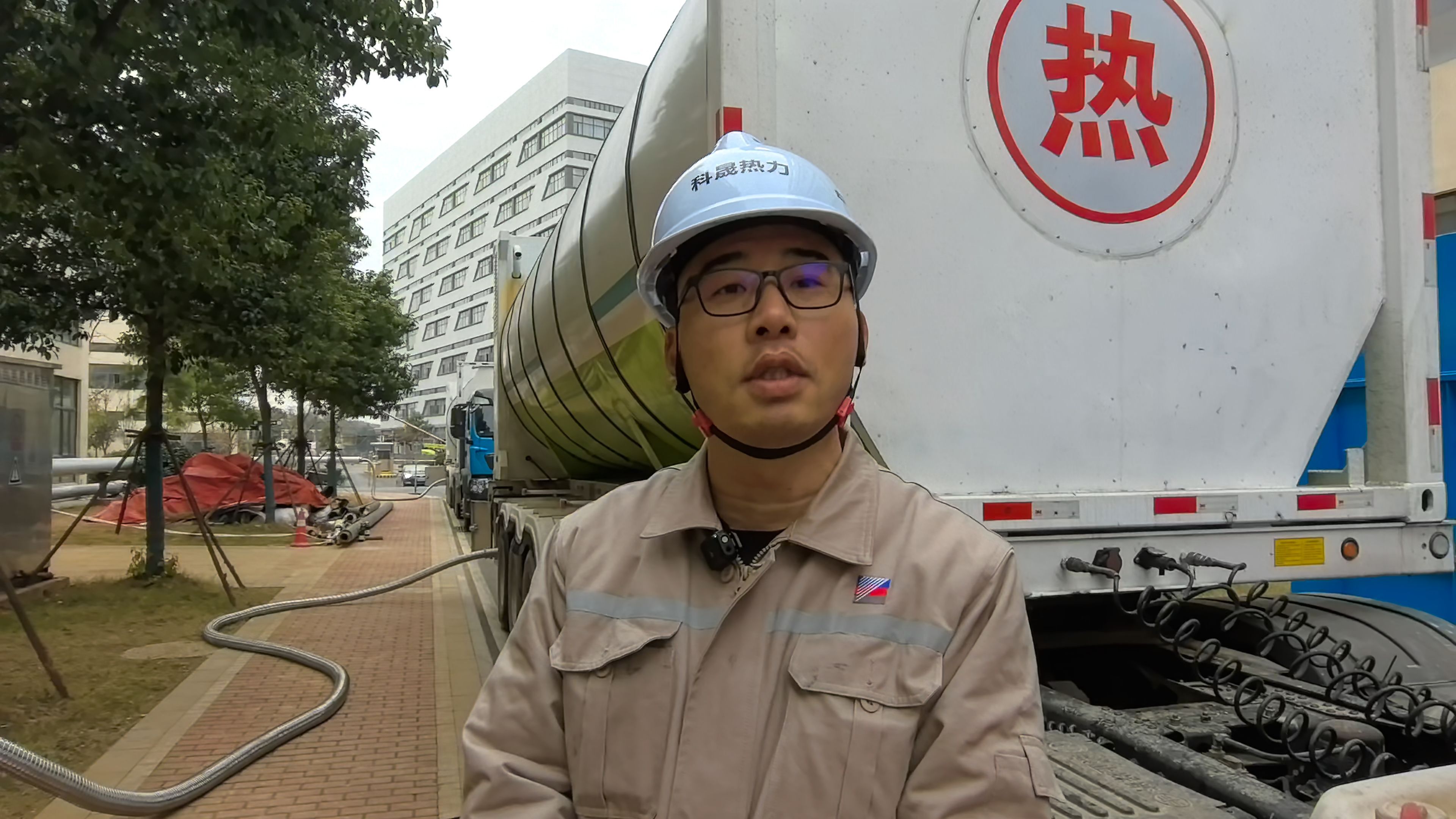
垃圾发电余热存进移动供热车,湖北首个“暖气外卖员”上岗
Chang Jiang Ri Bao· 2026-01-13 07:57
Core Viewpoint - The introduction of mobile heating vehicles in Wuhan represents an innovative approach to energy supply, utilizing waste heat from garbage incineration to provide steam heating to local businesses, thereby reducing costs and environmental impact. Group 1: Mobile Heating Technology - The mobile heating vehicles, referred to as "warmth delivery personnel," are designed to store and transport high-temperature steam to businesses, ensuring strict temperature control in production facilities [5][10]. - The vehicles connect to a heat collection station at a nearby waste incineration power plant, where high-temperature steam is generated from burning thousands of tons of waste daily [9][8]. Group 2: Cost and Environmental Benefits - The new mobile heating system is expected to reduce heating costs for businesses by approximately 12.5%, while maintaining uninterrupted production processes [10]. - The project is projected to save around 450,000 yuan in energy costs annually and replace about 120,000 cubic meters of natural gas, leading to a reduction of approximately 2,000 tons of carbon dioxide emissions [14]. Group 3: Application and Future Prospects - This "heat delivery" model is applicable to a radius of 30 kilometers, targeting scattered enterprises not covered by centralized heating networks, and has already been successfully implemented in Hubei province [14]. - The mobile heating solution can be utilized in various industries, including pharmaceuticals, chemicals, and food processing, with plans to expand services to a local soybean product company [14].