
新型能源体系建设

Search documents
广发宏观:高频数据下的3月经济:数量篇
GF SECURITIES· 2026-04-01 08:50
Group 1: Energy and Industrial Production - The cumulative power generation of coal-fired power plants increased by 3.1% year-on-year as of March 26, with a cumulative increase of 1.3% for the year[3] - The operating rate of national blast furnaces recorded 79.2%, with a year-on-year decrease of 1.8 percentage points[3] - The average daily crude steel production of key enterprises was 2.019 million tons, a year-on-year decrease of 5.7%[5] Group 2: Construction and Infrastructure - The construction resumption rate of 10,692 sites nationwide was 62%, a month-on-month increase of 19.5 percentage points, but a year-on-year decrease of 2.62 percentage points[5] - The average cement dispatch rate was 24.4%, a month-on-month increase of 4.9 percentage points, but a year-on-year decrease of 11.8%[6] Group 3: Consumer Market Trends - The average daily transaction volume of commercial housing in 30 major cities decreased by 10.3% year-on-year, an improvement from a 28.0% decline in February[8] - Retail sales of passenger vehicles from March 1 to 22 decreased by 16.0% year-on-year, an improvement from a 25.4% decline in the previous month[10] Group 4: Renewable Energy and Economic Indicators - The photovoltaic manager index (SMI) recorded 137.9 points, a month-on-month increase of 7.1 percentage points[6] - The average daily number of domestic flights was 13,400, with a year-on-year increase of 8.7%[8]
以法固基,促能源绿色发展
中国能源报· 2026-03-22 23:33
Core Viewpoint - The promulgation of the "Ecological Environment Code of the People's Republic of China" marks a milestone in ecological civilization construction and serves as a legal foundation for high-quality energy development [2][3]. Group 1: Legal Framework and Energy Transition - The Code integrates over 30 existing ecological and environmental laws, emphasizing energy as a key area for ecological protection and improvement [3]. - It establishes a dedicated chapter on "Energy Conservation and Green Low-Carbon Transition," promoting the optimization of energy supply and consumption structures [3][5]. - The Code elevates green low-carbon development from policy guidance to legal obligation, providing a stable legal basis for energy transition and security [3][5]. Group 2: Global Context and Domestic Challenges - The Code responds to global climate change trends and sets a precedent for ecological environment codification worldwide [5]. - China's energy structure, heavily reliant on coal, faces challenges with high carbon emissions from energy-intensive industries, necessitating a shift in development and lifestyle [5][6]. - The Code aims to transition energy regulation from fragmented policies to systematic legislation, ensuring clear legal guidelines for energy activities [5][6]. Group 3: Opportunities for Energy Sector - The Code provides a solid legal guarantee for energy enterprises, supporting the development of renewable energy and establishing a legal framework for distributed photovoltaic and energy storage businesses [7][9]. - It redefines the roles of various energy sources, promoting clean and efficient use of fossil fuels while prioritizing renewable energy [8][9]. - The Code encourages technological innovation in green low-carbon development, integrating it into national planning for technological advancement [8][9]. Group 4: Market Dynamics and Competitive Landscape - The Code is expected to reshape the competitive logic and development pattern of the energy industry, emphasizing technology and market-driven approaches [10][11]. - It introduces strict penalties for non-compliance, increasing operational costs for companies and favoring those with advanced technologies and better environmental performance [10][11]. - The establishment of a legal framework for carbon trading enhances the value proposition for environmental enterprises, allowing them to gain additional carbon asset benefits [12][13]. Group 5: Implementation and Future Outlook - The Code establishes a collaborative system for carbon reduction, pollution control, and energy conservation, promoting efficiency and lowering carbon emissions across the energy sector [11][12]. - It aligns with national energy-saving and carbon reduction action plans, creating a legal basis for the implementation of these policies [11][12]. - The anticipated growth of the carbon market will incentivize the adoption of energy-saving and carbon-reducing technologies, enhancing market dynamics [13].

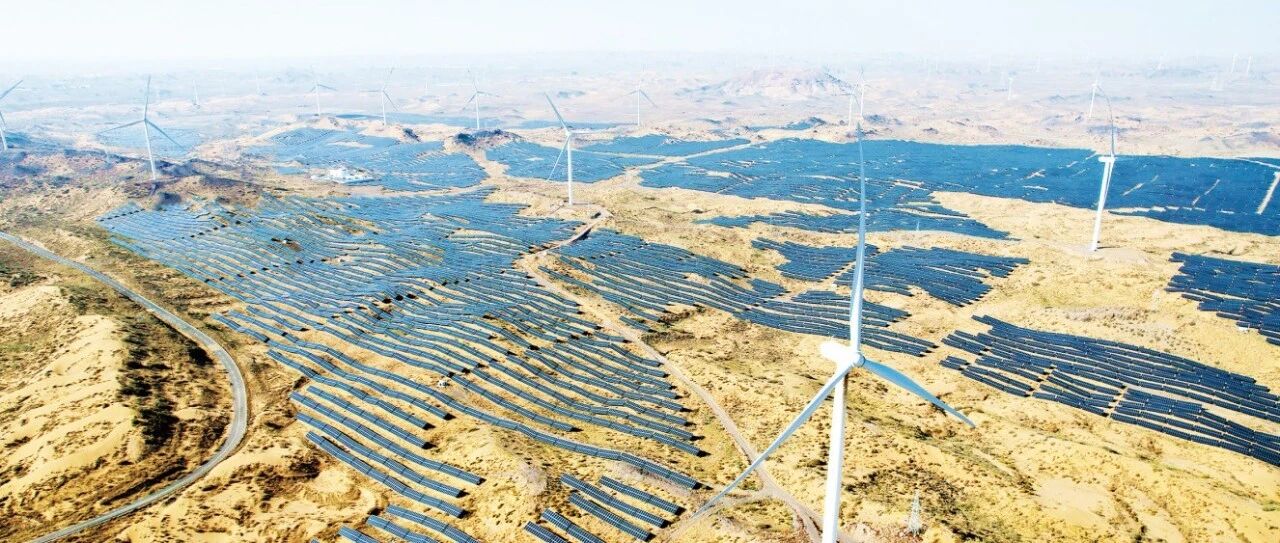
申万公用环保周报(26/03/09~26/03/13):十五五新型能源体系建设出台欧亚气价小幅回落-20260316
Shenwan Hongyuan Securities· 2026-03-16 10:34
Investment Rating - The report maintains a positive outlook on the public utility and environmental protection sectors, indicating a favorable investment environment for these industries [1]. Core Insights - The report highlights the implementation of the "14th Five-Year Plan" focusing on the construction of a new energy system, emphasizing the integration of various energy sources such as wind, solar, hydro, and nuclear power [3][6]. - It notes the recent slight decline in global gas prices due to geopolitical tensions affecting LNG supply, particularly from Qatar, while also mentioning the stable domestic supply in the U.S. [14][20]. - The report provides specific investment recommendations across various sectors, including thermal power, hydropower, nuclear power, green energy, and gas companies, reflecting a diversified approach to energy investments [12][34]. Summary by Sections 1. Electricity - The "14th Five-Year Plan" emphasizes the construction of a new energy system, promoting non-fossil energy sources and setting ambitious installation targets for nuclear, offshore wind, and pumped storage by 2030 [3][7]. - The plan aims to enhance the efficiency and resilience of the power system, optimize energy flow, and accelerate the development of smart grids and new energy storage solutions [6][8]. 2. Gas - The report discusses the impact of ongoing Middle Eastern tensions on global gas prices, with specific price data indicating fluctuations in various markets, including a 10.27% increase in U.S. Henry Hub spot prices [14][15]. - It highlights the current state of LNG prices in Northeast Asia, which have decreased by 13.33% recently, while also noting the overall supply constraints due to geopolitical factors [28][32]. 3. Weekly Market Review - The public utility, electricity, and environmental sectors outperformed the Shanghai and Shenzhen 300 index during the reporting period, while the gas sector lagged behind [36]. 4. Company and Industry Dynamics - The report mentions recent developments in energy safety and the approval of new energy storage projects in Inner Mongolia, indicating ongoing investments in energy infrastructure [39][42]. - It also highlights significant projects such as the completion of the first unit of the "Hualong One" nuclear power plant in Zhejiang, marking a milestone in China's nuclear energy development [45][46].



申万公用环保周报:十五五新型能源体系建设出台,欧亚气价小幅回落-20260316
Shenwan Hongyuan Securities· 2026-03-16 09:11
Investment Rating - The report maintains a positive outlook on the energy sector, particularly in the context of the new energy system construction outlined in the 14th Five-Year Plan [3][7]. Core Insights - The 14th Five-Year Plan emphasizes the construction of a new energy system, promoting a multi-energy approach including wind, solar, hydro, and nuclear power, with specific capacity targets set for 2025 and 2030 [3][8]. - Natural gas prices have shown slight declines due to easing panic premiums and geopolitical tensions affecting supply, with various price metrics reflecting this trend [16][22]. - The report identifies several investment opportunities across different energy sectors, including thermal power, hydropower, nuclear power, green energy, and natural gas [13][36]. Summary by Sections 1. Electricity - The 14th Five-Year Plan outlines a comprehensive strategy for carbon emission control and the development of a new energy infrastructure, focusing on the integration of various energy sources [3][7]. - Specific targets for nuclear power, offshore wind, and pumped storage have been established, aiming for significant capacity increases by 2030 [8][9]. 2. Natural Gas - Ongoing geopolitical tensions have impacted LNG supply from Qatar, leading to fluctuations in global gas prices, with recent data showing a decrease in prices across various markets [16][22]. - The report highlights the importance of U.S. domestic supply and demand dynamics, noting that the U.S. has reached its LNG export capacity limit, which contributes to price stability [16][30]. 3. Weekly Market Review - The report indicates that the utility, electricity, and environmental sectors have outperformed the Shanghai and Shenzhen 300 index, while the gas sector has underperformed [39]. 4. Company and Industry Dynamics - Recent developments include the approval of new energy projects and the establishment of safety protocols in energy production, emphasizing the importance of safety in the energy sector [42][45]. - The report mentions significant projects in renewable energy, including the construction of large-scale wind and solar facilities, which are expected to contribute to the energy transition [46][48].

国家能源局召开安全生产工作领导小组会议
国家能源局· 2026-03-09 08:53
Core Viewpoint - The National Energy Administration emphasizes the importance of safety production in the energy sector, aligning with national policies and directives to ensure a stable and secure energy environment for the construction of a strong energy nation [2]. Group 1 - The meeting held on March 6 focused on implementing the State Council's safety production committee's requirements and responsibilities for 2026 [2]. - The National Energy Administration aims to integrate safety production requirements into key policy documents, including the energy strong nation construction plan and the new energy system construction "14th Five-Year" plan [2]. - The meeting highlighted the need to prevent and mitigate major safety risks and accidents in the energy and electricity sectors to maintain a stable safety production situation [2].
代表委员声音 | 能源转型的“新路径”究竟怎么走?
国家能源局· 2026-03-06 09:45
Core Viewpoint - The article summarizes various suggestions and opinions from representatives and committee members during the 2026 National Two Sessions regarding the energy sector, covering areas such as the power grid, coal, natural gas, photovoltaics, nuclear energy, and hydrogen energy. Power Grid - The power grid plays a crucial role in resource optimization and supporting energy transition, serving as a "lifeline" for high-quality economic and social development [3] - The safety of the power grid is fundamental for building a strong energy nation, with significant improvements in resilience during the 14th Five-Year Plan period [3] - The 15th Five-Year Plan period presents new challenges for grid safety, necessitating innovation in technology and management to enhance the grid's protective capabilities [3] Coal - The coal industry is at a critical juncture for high-quality development during the 15th Five-Year Plan, with coal consumption expected to peak in the mid to late period [7] - The industry will focus on intelligent and green development, with large coal mines achieving full automation and a significant reduction in carbon emissions [7] - Coal's role is shifting from a primary energy source to a supportive one, emphasizing its importance in energy security and the development of coal-based new materials [8] Natural Gas - The integration of natural gas and hydrogen energy is essential for industry transformation, with recommendations for establishing safety standards and pricing mechanisms for hydrogen blending [11] - A modern biogas industry system should be developed, with support for biogas projects and a national certification platform for emissions reduction [12] - The gas-electricity pricing mechanism needs improvement to reflect the higher adjustment value of gas power in the new power system [12] Photovoltaics - High standards are necessary to address "involution" in the photovoltaic industry, with measures to enhance safety, reliability, and efficiency [14] - A green electricity consumption system should be established to promote the application of renewable energy and stabilize the domestic photovoltaic market [15] - Rural photovoltaic development requires infrastructure upgrades and financial products to ensure stable returns for farmers and investors [17] Nuclear Energy - The export of nuclear technology, particularly the "Hualong One" reactor, has gained international recognition, with plans to enhance competitiveness in global markets [20] - A three-step strategy for nuclear power development focuses on maintaining a steady approval pace for mainstream reactor types and advancing research on advanced reactors [21] - Nuclear energy should be integrated into green certificate trading systems to reflect its zero-carbon value and support energy structure optimization [23] Hydrogen Energy - A national hydrogen energy infrastructure plan is needed to facilitate large-scale development, including a comprehensive hydrogen pipeline network [25] - The coupling of electricity and hydrogen should be prioritized, with policies to support green hydrogen projects and their integration into the power market [26] - The establishment of a unified green hydrogen certification and traceability system is crucial for promoting market transactions and ensuring fair returns on investments [29]

省政府举行2026年首次专题学习会
Xin Lang Cai Jing· 2026-02-25 23:03
Group 1 - The provincial government is focusing on the construction of a new energy system and the innovative development of brain-computer interface industries, emphasizing the importance of technology innovation in these areas [1][2] - Key trends in technology development include the greening of energy supply, the electronicization of new power systems, and the intelligentization of operational systems, as outlined by experts during the learning session [1] - The government aims to leverage its advantages as a clean energy province to enhance energy technology innovation, optimize energy structure, and improve modern energy supply levels [2] Group 2 - The "14th Five-Year Plan" identifies brain-computer interfaces as one of the six future industries for strategic development, highlighting the government's commitment to this sector [2] - The provincial government has established a mechanism for continuous research and resource assurance to address uncertainties in future industries, focusing on key core technology breakthroughs and the cultivation of high-tech enterprises [2] - Since the establishment of the special learning system, the provincial government has conducted seven concentrated learning activities, inviting experts to enhance the knowledge of leadership in various fields including economic and technological trends [2]
四川能投发展获配电网专利,股价平稳交易清淡
Jing Ji Guan Cha Wang· 2026-02-12 02:18
Group 1 - The company Sichuan Energy Investment Development (01713.HK) has recently obtained a patent for a method of estimating distribution network status parameters, which aims to enhance the accuracy of distribution network monitoring [1][2] - The Sichuan provincial government has announced in its work report the inclusion of the "Three Rivers" basin integrated clean energy base into national planning, emphasizing the acceleration of the new energy system construction, which may provide long-term business opportunities for local power companies like Sichuan Energy Investment Development [2] Group 2 - The company's stock price has remained stable but with low trading volume, closing at HKD 2.43 as of February 11, 2026, with a 5-day price change of -0.41% and a price range fluctuation of only 1.23% [3] - The total trading volume from February 6 to 11, 2026, was approximately HKD 102,100, indicating limited market attention [3] - The stock is currently near the middle band of the Bollinger Bands (HKD 2.447), and the MACD indicator shows weak short-term momentum, with the Hang Seng Index down 0.69%, reflecting a similar trend to the company's stock price [3]
重庆启动1000千伏特高压巴岳站首次年度检修
Zhong Guo Dian Li Bao· 2026-02-11 07:44
Core Viewpoint - The successful completion of the first major comprehensive maintenance of the 1000 kV UHV Bayue Substation marks a significant milestone for the Chongqing region, showcasing its capability to independently conduct UHV equipment maintenance [1] Group 1: Maintenance Overview - The maintenance work at the Bayue Substation includes routine inspections, special checks, defect elimination, technical improvements, and technical supervision, involving multiple professional teams [1] - Nearly 300 sets of primary and secondary equipment routine tests and periodic calibrations were completed during this maintenance [1] - The maintenance successfully addressed 41 planned defects and resolved four major technical supervision issues related to the insulation value of the C-phase non-electric protection cable [1] Group 2: Future Plans and Impact - The first maintenance work at the 1000 kV UHV Bayue Substation is expected to continue until June 3 of this year, during which all primary and auxiliary equipment will undergo their first maintenance tasks [1] - The initiative aims to rectify legacy issues from infrastructure construction and address new operational defects, enhancing the power resource optimization capabilities of the Southwest power grid [1] - This effort is positioned to provide strong electrical support for the construction of a new energy system and the high-quality development of the Chengdu-Chongqing economic circle [1]
以能源央企担当助力沿海高质量发展
Xin Hua Ri Bao· 2026-02-06 21:45
Core Viewpoint - The provincial government report emphasizes the need to strengthen deep-sea development and utilization, presenting significant growth opportunities for the company and the industry [1] Group 1: Company Initiatives - The company, as a state-owned energy enterprise, is committed to fulfilling its social responsibilities in energy supply and contributing to the economic development of Jiangsu by providing more clean energy [1] - The company plans to enhance the functionality of the national million-ton LNG reserve base and accelerate the planning of integrated storage and transportation facilities for clean energy such as hydrogen, ammonia, alcohol, and hydrocarbons at the Yancheng Green Energy Port [1] Group 2: Industry Development - The initiatives align with the construction of a new energy system and the green low-carbon transition in Jiangsu, supporting the province's goal of becoming a new growth pole for development [1]

